If you’ve ever stood in a garden center staring at snapdragons and wondered, are antirrhinums perennial, you’re not alone. I hear this question every season. Here’s the thing: snapdragons don’t fit neatly into one box. In some gardens, they come back year after year. In others, they fade out after one season. The truth depends on where you live, how harsh your winters are, and how intense your summers get.
I’ve grown antirrhinums in cool northern beds, mild coastal gardens, and hot inland plots. What I’ve learned over the years is simple. These plants are flexible, but they have limits. Once you understand how they behave in different climates, it all starts to make sense.
Snippet-Ready Definition:
Antirrhinums, commonly called snapdragons, are tender perennials. They return year after year in mild climates but are usually grown as annuals in colder or very hot regions.
Mission Statement:
Our mission is to provide clear, experience-based gardening guidance that helps readers understand how plants truly behave in real gardens — not just how they’re labeled on tags.
Quick Answer (So You Don’t Have to Scroll)
Antirrhinums, also called snapdragons, are tender perennials. In warm, mild regions they can survive for more than one year. In colder or more extreme climates, they’re usually grown as annuals for reliable blooms.
On top of that, snapdragons often self-seed. That’s why gardeners sometimes think a plant has returned, when in reality, a new seedling has popped up nearby.
Quick Guide Table: Are Antirrhinums Perennial?
| Climate / Zone | How Antirrhinums Behave | What Gardeners Should Expect |
| Warm zones (7–10) | Short-lived perennials | Often return for several years if winters are mild |
| Zone 7 (borderline) | Mixed results | Some survive winter, others rely on self-seeding |
| Cool zones (3–6) | Annuals | Rarely survive winter, replanted each year |
| Hot summers | Heat-sensitive | May die back in summer even if winters are mild |
| Mild winters + drainage | Best case | Highest chance of perennial behavior |
Quick Bullet Guide: How to Make Snapdragons Last Longer
- Plant in well-drained soil (this matters more than fertilizer)
- Give full sun in cool climates, light shade in hot ones
- Deadhead regularly to extend blooming
- Mulch lightly before winter in mild zones
- Take cuttings in late summer as backup
What “Tender Perennial” Really Means (In Plain English)
Let’s clear up the confusion. A true perennial survives winter cold and comes back from the same root system year after year. A tender perennial can live for multiple years, but only if winter temperatures stay relatively mild.
Snapdragons fall into that tender category. They dislike deep freezes, soggy winter soil, and brutal summer heat. When any of those show up, the plant usually gives up.
Plant tags and blogs often label them differently because climate changes everything. A snapdragon in southern California behaves very differently from one planted in Minnesota. That’s why gardeners argue about whether they’re annuals or perennials. Both sides are right, depending on location.
Antirrhinum Majus Basics (Plant Profile)
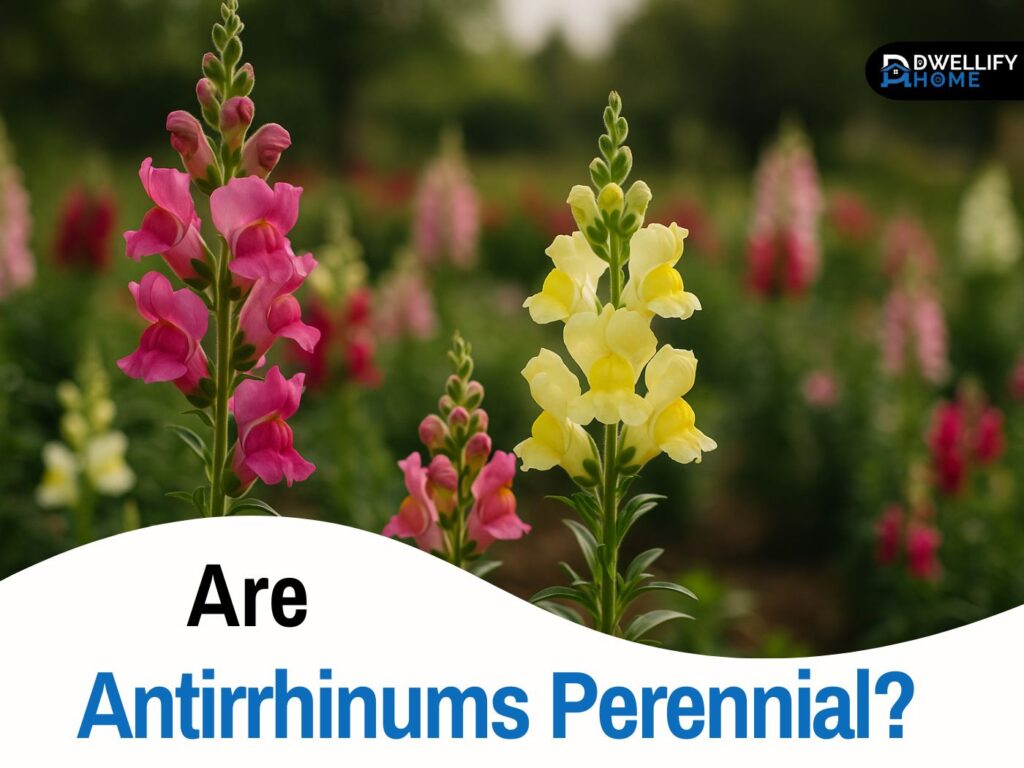
Most garden snapdragons belong to Antirrhinum majus. These plants grow upright spikes covered in dragon-shaped flowers that snap open when you pinch them. Kids love that part, and honestly, adults do too.
Typical antirrhinum majus characteristics include narrow green leaves, fibrous roots, and a long blooming window in cool weather. They flower best in spring and fall, slowing down once summer heat sets in.
In ideal conditions, they behave like short-lived perennials. In tougher conditions, they bloom hard for one season and bow out gracefully.
Are Antirrhinums Perennial in Your Zone? (Simple Zone Guide)
Zone 7: Are Snapdragons Perennials in Zone 7?
Zone 7 sits right on the edge. Some winters are gentle, others dip lower than snapdragons enjoy. In my experience, about half the plants survive mild winters if the soil drains well.
Mulch helps a lot here. If winter stays wet or temperatures swing wildly, expect losses. Many gardeners in zone 7 rely on self-seeding rather than true overwintering.
Warm Zones (7–10): When They Behave Like Perennials
In warm zones with mild winters, snapdragons often live for several years. I’ve seen them come back three seasons in a row along sheltered walls and raised beds.
The biggest enemy in these regions isn’t cold. It’s heat. Prolonged summer temperatures can cause plants to stall or die back completely, even if winters are easy.
Cooler Zones (3–6): Why They’re Usually Treated as Annuals
In colder regions, snapdragons rarely survive winter outdoors. Hard freezes damage the roots, and repeated thawing doesn’t help either.
Gardeners here treat them as annuals and enjoy long blooms from spring through fall. The upside is consistency. You know exactly what you’ll get every year.
Hot-Summer Regions: When Heat Matters More Than Winter
Some places have mild winters but intense summers. In those gardens, snapdragons often disappear mid-summer, even though cold isn’t an issue.
Providing afternoon shade and steady moisture can help, but many gardeners replant in fall for a second bloom season instead.
Do Snapdragons Come Back Every Year? Two Ways It Happens
True Perennial Return
When snapdragons survive winter, you’ll see fresh growth at the base in early spring. The same plant wakes up and starts growing again. This happens most often in mild climates with good drainage.
These returning plants usually bloom earlier than new seedlings, which is a nice bonus.
Self-Seeding Return
Here’s the surprise many gardeners enjoy. Snapdragons drop seeds freely. In spring, tiny seedlings appear nearby. That’s why people often ask, do snapdragons self-seed? Yes, they do, and quite happily.
One thing to remember is that hybrid plants may not come back looking exactly the same. Flower color and height can change slightly, which some gardeners love and others don’t.
Seasonal Behavior (Why They Thrive, Then Suddenly Struggle)
Snapdragons are cool-season bloomers at heart. They grow best when days are mild and nights are cool. That’s when you’ll see thick stems and plenty of flowers.
Once temperatures climb, growth slows. Leaves may yellow, flowers shrink, and stems weaken. This doesn’t mean you’ve failed. It’s simply the plant responding to heat stress.
Light shade, deep watering, and good airflow can extend their season. Still, there’s a point where snapdragons just want a break.
Snapdragon Care That Extends Blooming (and Plant Life)
Good care makes a noticeable difference. I’ve seen the same variety last twice as long with just a few adjustments.
Key habits that help:
- Plant in full sun in cool climates, light shade in hot ones
- Use well-drained soil to prevent root rot
- Water deeply rather than often
- Feed lightly, too much fertilizer causes weak growth
Pinching young plants encourages bushier growth. Deadheading spent blooms keeps flowers coming. Tall varieties benefit from staking, especially in windy areas.
Overwintering Snapdragons (Make Them Act More Perennial)
Do You Cut Back Snapdragons for Winter?
Yes, but gently. I usually cut plants back by about one-third in late fall. Leaving some growth helps protect the crown.
Avoid hard pruning before winter. That can expose the plant to cold damage.
Winter Protection That Actually Works
Mulch is your best friend. A light layer keeps soil temperatures stable. In colder spots, planting near walls or fences adds extra protection.
Container-grown snapdragons can be moved to a sheltered, frost-free area. Even an unheated garage with light works in many cases.
Backup Plan: Taking Cuttings Before Winter
When I really love a variety, I take cuttings in late summer. They root easily and give you insurance if winter kills the parent plant.
Propagation Options (Seed, Cuttings, and Saving Next Year’s Plants)
Growing snapdragons from seed takes patience, but it’s rewarding. Start seeds indoors in late winter for early blooms.
Saving seed is easy. Just let seed pods dry on the plant. Keep in mind that seedlings may vary if the parent plant was a hybrid.
Cuttings are the fastest way to clone a favorite. They root quickly and bloom sooner than seedlings.
Common Pests, Diseases, and Quick Fixes
Snapdragons are fairly tough, but a few problems pop up regularly.
Aphids love tender growth. A strong spray of water usually solves it. Rust and powdery mildew appear in humid conditions. Good airflow and spacing help prevent both.
Root rot is the most serious issue I see. It almost always comes from poor drainage. Fix the soil, and most other problems disappear.
Cut-Flower Bonus: Getting Better Vase Life
Snapdragons make excellent cut flowers. For best results, harvest when the lower blooms are open and the top buds are just showing color.
Strip lower leaves and place stems in clean water right away. Different cultivars vary in longevity, which is often referred to as antirrhinum majus cv vase life. Choosing varieties bred for cutting makes a big difference.
Choosing the Right Types (Buying Guide)
When you see perennial snapdragon plants for sale, read the fine print. Sellers usually mean the plant can survive in mild climates, not that it’s hardy everywhere.
Look for notes on heat tolerance, disease resistance, and height. Some types perform better as landscape plants, others as cut flowers.
Hardy, Spanish, and silver snapdragons are often mentioned in perennial discussions, but all still depend on local conditions.
Real-World Garden Expectations (What Gardeners Commonly Report)
If you browse forums and garden groups, including threads like are antirrhinums perennial reddit discussions, you’ll notice a pattern. Gardeners in mild climates report plants returning. Those in colder or hotter areas rely on self-seeding or replanting.
Both experiences are valid. The key is setting realistic expectations for your own garden rather than chasing a universal answer.
FAQs
Do snapdragons come back each year?
Sometimes. In mild climates, snapdragons may return as short-lived perennials. In colder areas, they usually come back through self-seeding rather than surviving winter.
Can you overwinter antirrhinums?
Yes, in mild climates. Light pruning, good drainage, and mulch improve survival. In cold regions, overwintering outdoors is rarely successful.
Can you get perennial antirrhinum?
You can buy varieties sold as perennial, but this usually means they survive in warm zones. They are still tender perennials, not cold-hardy ones.
What is the lifespan of snapdragons?
Snapdragons typically live one season, but in favorable conditions they can survive two to three years or reappear annually through self-seeding.
Are antirrhinums perennial or annual?
They are tender perennials that are commonly grown as annuals, depending on climate and growing conditions.
Conclusion
So, are antirrhinums perennial? The honest answer is that they sit somewhere in between. In mild climates, they can behave like short-lived perennials. In colder or hotter regions, they’re best treated as annuals, with self-seeding often filling the gap.
The best part is that snapdragons are generous plants. Whether they return from roots, seeds, or cuttings, they reward a little understanding with weeks of color. Once you work with their nature instead of against it, they become one of the most satisfying flowers you can grow.
Disclaimer:
This article is for informational purposes only. Plant performance varies by climate, soil, and care practices. Always consider local growing conditions and consult regional gardening resources when needed.

I’m Bilal, the founder of Dwellify Home. With 6 years of practical experience in home remodeling, interior design, and décor consulting, I help people transform their spaces with simple, effective, and affordable ideas. I specialize in offering real-world tips, step-by-step guides, and product recommendations that make home improvement easier and more enjoyable. My mission is to empower homeowners and renters to create functional, beautiful spaces—one thoughtful update at a time.