If you’ve ever stepped outside barefoot and instantly regretted it, there’s a good chance a sandspurs plant is involved. Those sharp little burs don’t just hurt, they also stick to socks, dog fur, and anything that brushes past them. And once they show up, they feel like they multiply overnight.
Here’s the thing. Sandspurs aren’t “mystery weeds.” They follow a predictable pattern. When you understand how they grow, when they spread, and what conditions they love, you can control them without turning your whole yard into a chemistry experiment.
I’ve dealt with sandburs in lawns, pasture edges, sandy paths, and landscaped beds for years. Most frustrated homeowners aren’t failing because they aren’t trying hard enough. They’re failing because they’re treating too late, or they’re killing weeds but not fixing the real reason sand spurs keep coming back.
Snippet-Ready Definition:
A sandspurs plant is a weedy grass that produces sharp, spiny seed burs. These burs stick to skin, shoes, and pets, spreading quickly in sandy or thin lawn areas during warm weather.
Mission Statement:
Our mission is to help homeowners understand lawn and garden problems clearly, using practical advice, real experience, and simple solutions that actually work in everyday outdoor spaces.
What Are Sandspurs?
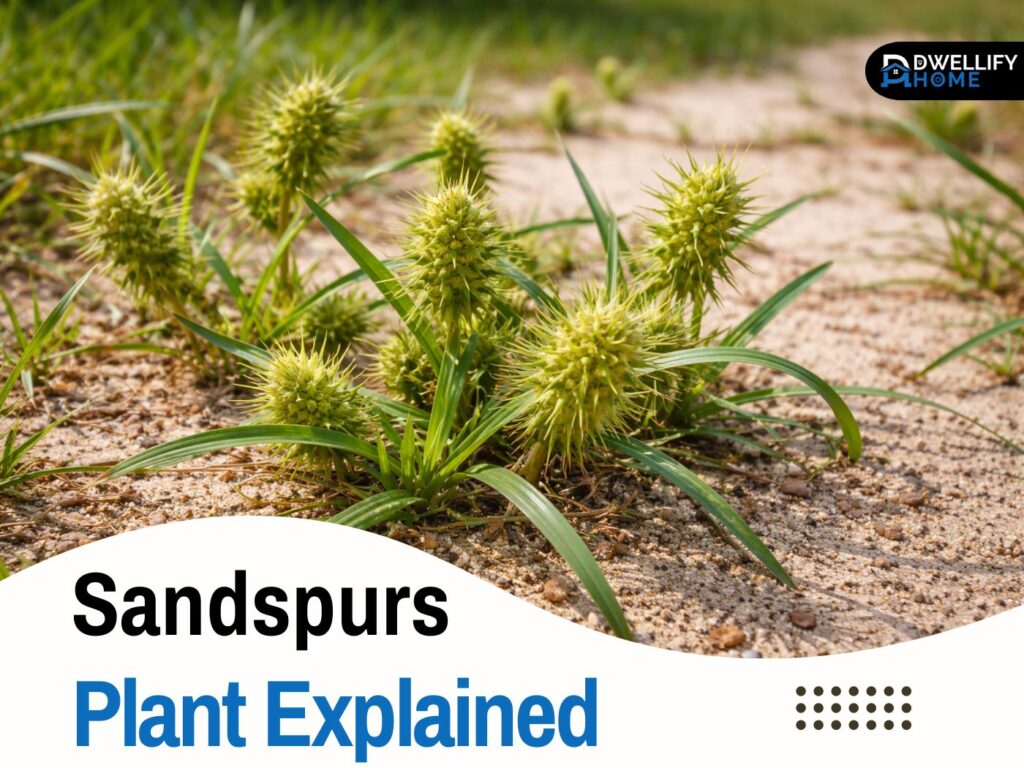
Sandspurs are weedy grasses that produce spiky seed pods called burs. Those burs are the “stickers” that poke your feet and cling to shoes. You’ll also hear them called sandburs, sand burs, grass stickers, sticker burrs, or even burgrass, depending on where you live.
On top of that, sandspurs are opportunists. They don’t need rich soil or perfect conditions. Give them thin grass, bare sandy spots, and warm weather, and they’ll take over fast.
One important detail most people miss is that the bur is basically a seed delivery system. It’s built to hitch a ride on animals, clothing, lawn equipment, and even tires. That’s why sandspurs often spread along sidewalks, dog runs, fence lines, and the edge of driveways.
Sandbur vs Sandspur (is there a difference?)
Most of the time, no. “Sandbur vs sandspur” is mainly a spelling and regional wording issue. People search both. Many guides use “sandbur,” while homeowners often say “sandspur” because of how it feels when it hits your skin.
Practically speaking, the control plan is the same. Identify it early, prevent germination, spot-treat what escapes, and rebuild thick turf so it can’t return.
Quick Guide Table: Sandspurs Plant at a Glance
| Feature | Details |
| Common Names | Sandspurs, sandburs, sand burs, grass stickers |
| Plant Type | Warm-season grassy weed |
| Life Cycle | Annual (most common) |
| Main Problem | Painful spiny seed burs |
| Where It Grows | Sandy soil, thin lawns, paths, edges |
| Spread Method | Burs attach to people, pets, equipment |
| Best Control | Pre-emergent + healthy turf |
Step-by-Step: How to Control a Sandspurs Plant
- Prevent early
Apply pre-emergent before seeds germinate. - Spot treat young plants
Use post-emergent sprays before burs form. - Remove existing burs
Rake and bag to stop spreading. - Fix weak lawn areas
Thicker grass leaves no space for sandspurs. - Repeat yearly if needed
Consistency breaks the cycle.
Short, clear, and beginner-friendly.
Types of Sandspurs You’ll See
There are a few sandbur species, but two names come up a lot in weed ID guides.
Southern sandbur, sometimes called southern sandspur, is common in warm areas and sandy sites. Field sandbur, also called longspine sandbur in some references, shows up in many regions and often pops up in disturbed soil.
Guess what. You don’t need to memorize Latin names to win this battle. But knowing there are different types helps you stay realistic about timing. Some areas see sandspurs earlier, some later, and some lawns get hit every year because the conditions are perfect for them.
If your yard is mostly sandy soil, or your lawn thins out every summer, you’re in the prime zone for sandspurs.
How to Identify a Sandspurs Plant (Before It Drops Burs)
The best part is that you can usually spot sandspurs before the burs form, if you know what to look for. Catching them early saves a lot of pain, literally.
Sandspurs often blend into other grasses at first. They look like just another weedy grass patch, especially when they’re small. The giveaway usually becomes obvious once they start producing burs, but by then they’ve already “set the trap” across your yard.
The spiky bur or seedhead (the sticker everyone steps on)
The bur is a hard, spiny seed structure that feels like a tiny weapon. It usually forms as the plant matures in warmer months. Once burs are present, mowing can actually spread them if they’re dry and ready to break loose.
A quick field trick I use is simple. Walk the lawn slowly and look at the edges of thin spots. Burs often show up first where the grass is weakest, like sandy corners, footpaths, and dog routes. If you find burs there, you likely have the plant growing in that same zone.
Leaves and growth habit (easy lawn clues)
Before burs form, sandspurs tend to grow low and patchy. They like open sunlight and bare soil. If you notice a rough, wiry grass patch that doesn’t blend with your turf and seems to thrive where your lawn struggles, pay attention.
Another clue is location. Sandspurs love transition zones, where lawn meets sand, where the sprinkler misses, where you park a trailer, or where the soil is compacted. That pattern matters because it tells you what to fix long-term.
Where Sandspurs Usually Grow (And Why They Love Your Yard)
Sandspurs love sandy soil because it drains fast and warms quickly. That’s why “sandspur florida” searches are so common. But you’ll also find them in the Carolinas, which is why people search “sand spurs NC” too.
Here’s the thing. Sandspurs don’t show up just because the seeds exist. Seeds exist everywhere. They show up because the lawn has openings.
Common hot spots include:
- Along sidewalks and driveways
- Around mailboxes and utility boxes
- On slopes where soil washes thin
- In areas where the mower scalps
- Where dogs run the same track daily
- Near beach sand, playground sand, or sandy fill dirt
Once burs are present, they spread easily. They stick to you, your pets, your mower tires, and even the underside of your shoes. That’s why you might see sandspurs appear in a new area even after you treated another spot.
Sandspur Florida vs Sand Spurs NC (Regional Reality Check)
In Florida and other warm, sandy regions, sandspurs can be a yearly headache because conditions stay friendly for longer. Warm-season lawns like St Augustine, Bermuda, Zoysia, and Bahia can still get invaded if they thin out or get stressed.
In North Carolina, especially in warmer parts of the state, sandspurs can still be a serious issue, especially in sandy coastal zones, sports fields, and dry lawns. Timing matters more because temperatures swing more.
The practical takeaway is this. Don’t copy someone else’s calendar exactly. Watch your own yard. When the soil warms and your lawn starts actively growing, that’s when sandbur seeds also start waking up. If you wait until you feel burs, you’re already late.
Are Sand Spurs Poisonous?
This is a common question, and I get why. When dogs limp, kids cry, and you see irritated skin, it’s natural to wonder if the weed is toxic.
Most concerns with sandspurs are mechanical, not chemical. In plain words, the spines puncture and irritate. They can get lodged in paws, between toes, in socks, or even in skin folds. That can lead to soreness, redness, and sometimes infection if a spine breaks off and stays embedded.
So are sand spurs poisonous? In most typical lawn situations, they’re not “poison” like a toxic plant would be. The real risk is injury and secondary infection, especially for pets. If a pet is licking a paw constantly or you see swelling, it’s worth checking for a bur stuck in there.
The Best Sandspurs Killer Plan (Works Without Wrecking Your Lawn)
If you want real results, treat sandspurs like a system problem, not just a weed problem. You need prevention, control, and lawn recovery working together.
A solid sandspurs killer plan has four parts. You don’t have to do everything perfectly, but you do need to hit the timing.
Step 1, Stop new sandspurs (pre-emergent timing)
Pre-emergent herbicide is the single most effective tool for sandspur control when used correctly. It doesn’t kill existing plants. It creates a barrier in the soil that stops new seedlings from establishing.
Here’s the thing. People apply pre-emergent too late all the time. They apply it after they see sandburs, then they say it “didn’t work.” It didn’t fail. The timing failed.
Practical tip from the field:
- Apply pre-emergent when your area is entering the warm-up period and weeds normally start germinating
- Water it in as directed, because it needs to move into the soil layer where seeds sprout
- Avoid disturbing the soil too much afterward, because breaking the barrier reduces effectiveness
If you’ve struggled for years, plan on doing this step annually for at least a couple of seasons.
Step 2, Kill existing plants (post-emergent or spot treatment)
Post-emergent herbicides target plants that are already growing. They work best on young sandspur plants before burs form. Once the plant matures and drops burs, you can still kill the plant, but you won’t undo the burs already on the ground.
I usually recommend spot treating because sandspurs tend to grow in patches. Blanket-spraying the whole lawn is often unnecessary and increases the chance of turf stress.
A safety and results tip that matters:
- Always match the product to your grass type
- Follow label rates and temperature limits
- Don’t spray during extreme heat or drought stress unless the label allows it
If you’re not sure what turf you have, identify the grass first. Spraying the wrong thing is one of the fastest ways to turn a weed problem into a bare dirt problem, which invites even more sandburs.
Step 3, Non-chemical options (when you want a lighter approach)
Manual control can work, especially in smaller yards or when the problem is localized.
The best time to hand pull sandspurs is when the soil is slightly moist and before burs harden. Use gloves. Pull from the base. Then bag and remove the plants. Don’t toss them in open compost if they already have burs, because you may spread seeds later.
Other non-chemical help:
- Mow at the correct height for your turf, not too low
- Improve irrigation coverage, because dry thin spots invite sandspurs
- Add organic matter to sandy soil over time to improve turf health
If you only do one non-chemical thing, focus on thickening the lawn. A dense lawn is the enemy of sandspurs.
Step 4, Repair thin grass so sandspurs can’t return
This is where most plans fall apart. People kill the weed but leave the bare spot. Then the next wave of seeds fills it again.
If the area is small, grass plugs can be a great fix, especially for warm-season lawns. If the area is larger, sod might be faster and more reliable than seed in sandy soil.
Basic recovery moves that make a real difference:
- Fertilize based on your grass needs, not guesswork
- Water deeply and less frequently rather than sprinkling daily
- Fix scalping by raising mower height and leveling low spots
- Reduce compaction in high-traffic areas
The goal is simple. No open soil. No weak turf. No easy landing zone.
What to Do If Burs Are Already Everywhere
If you’re already dealing with burs, you’re not alone. This is the stage where people feel defeated. But you can still reduce the mess quickly.
Start with what I call “containment.” You want to stop burs from hitchhiking and reseeding new areas.
Try these practical steps:
- Rake and bag burs in concentrated hot spots, especially along edges
- Use a stiff broom on patios and walkways
- Check dogs after they run outside, especially paws and fur
- Keep shoes by the door and don’t track burs indoors
- Mow carefully and empty the bag if you use one
Also, avoid dragging towels, blankets, or outdoor rugs through infested spots. That’s a sneaky way burs spread to clean areas.
A Simple Seasonal Calendar for Sandspur Control
You don’t need a complicated chart. You just need a plan that matches the life cycle.
Early season:
- Apply pre-emergent before sandbur seedlings establish
- Fix thin turf areas early so weeds don’t claim them first
Mid season:
- Scout regularly, especially in sandy and high-traffic zones
- Spot treat young sandspurs before burs form
- Keep mowing and watering consistent
Late season:
- If burs are present, focus on reducing spread and rebuilding turf
- Plan soil improvement, leveling, or sod work for the right time for your grass
- Make notes on where the hot spots were so you can target them next season
The best part is that once you do this for a season or two, the problem usually shrinks dramatically. Sandspurs rely on you missing the window.
Common Mistakes That Keep Sandspurs Coming Back
I’ve seen these mistakes in hundreds of lawns, so I’m going to call them out clearly.
Treating too late
If you wait until burs form, you’re fighting the last stage. You’ll still need prevention next season.
Killing weeds but not fixing the lawn
Bare dirt is an invitation. If you don’t fill the space with healthy turf, sandburs will fill it again.
Using the wrong product for your grass
This can thin the lawn and make the problem worse. Always confirm turf type and read labels.
Mowing too low
Scalping stresses turf and opens sunlight to weed seedlings. Many people create their own sandspur problem this way.
Inconsistent watering
Drought-stressed lawns thin out. Sandspurs love that. Water in a way that supports deep roots, not shallow ones.
FAQs (High-Intent Questions People Ask)
What kills sandspurs permanently?
A one-time spray rarely solves it permanently. The closest thing to “permanent” is a routine of pre-emergent timing plus a thick, healthy lawn. That breaks the cycle year after year.
What are sandspurs and why do they spread so fast?
They’re weedy grasses that make burs designed to hitch rides. They spread fast because burs stick to animals, people, and equipment, and because the plant thrives in thin turf and sandy soil.
Are sandspurs poisonous to dogs?
They’re usually not poisonous in the typical sense. The danger is punctures and burs getting stuck in paws or mouths. If your dog is limping or licking a paw nonstop, check for an embedded bur.
Sandbur vs sandspur, why do people use both terms?
It’s mostly regional spelling. Most people mean the same weedy grass that produces painful burs.
Do home remedies work?
Some home remedies may burn small seedlings, but they often harm turf too and don’t prevent new germination. If you want reliable control, prevention plus turf health is the safer, more consistent route.
Quick Note on Sandspur Restaurant Searches
If you searched “sandspur” and ended up here looking for a sandspur restaurant, you’re not alone. Google mixes topics sometimes. For the weed, try searching terms like sandbur weed, sandspur control, grass stickers, or southern sandbur to get more accurate results.
Conclusion
If you take one thing from this guide, let it be this. Sandspurs aren’t unbeatable. They’re predictable.
Start early with prevention, because that’s where real control happens. Then spot treat what slips through while the plants are still young. And most importantly, build a thicker lawn so sandburs don’t have open space to invade again.
A lot of homeowners think they need a stronger sandspurs killer. Most of the time, they just need better timing and a lawn that isn’t stressed and thin. Stick with that plan for a season or two, and you’ll feel the difference every time you walk outside.
Disclaimer:
This article is for general informational purposes only. Lawn conditions, grass types, and weed pressure vary by location. Always follow product labels and consult local extension services when applying treatments.

I’m Bilal, the founder of Dwellify Home. With 6 years of practical experience in home remodeling, interior design, and décor consulting, I help people transform their spaces with simple, effective, and affordable ideas. I specialize in offering real-world tips, step-by-step guides, and product recommendations that make home improvement easier and more enjoyable. My mission is to empower homeowners and renters to create functional, beautiful spaces—one thoughtful update at a time.