
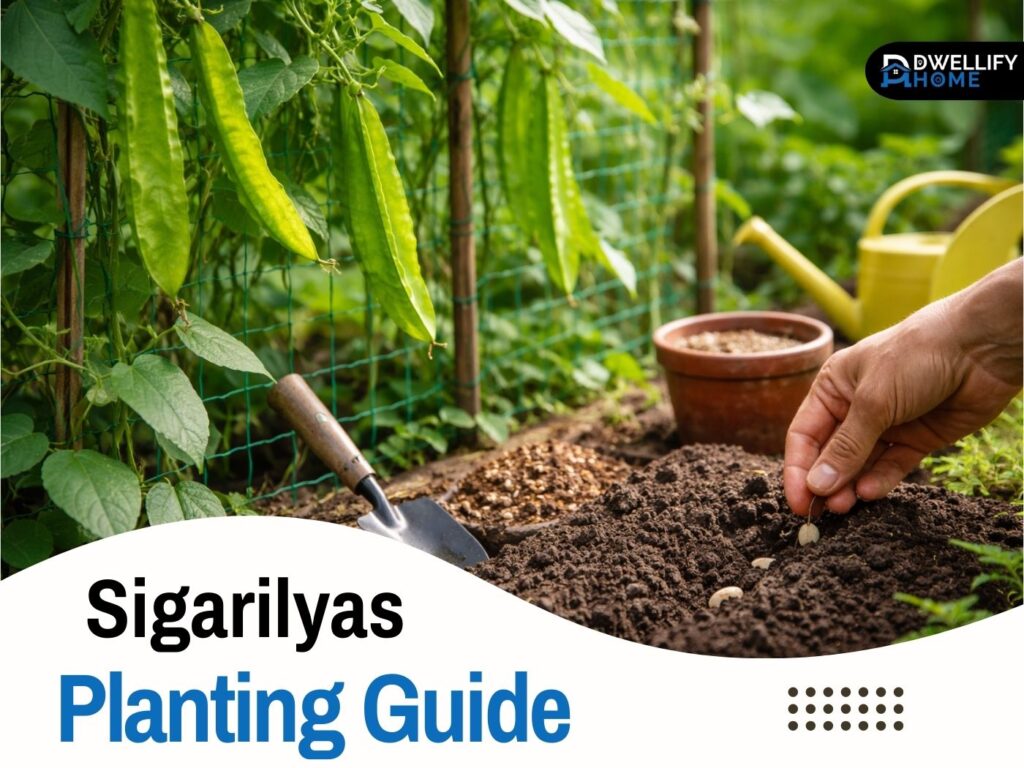
If you’ve ever seen those beautiful, winged pods hanging like little green propellers, you already get the appeal. Sigarilyas, also called winged bean, is one of those plants that looks exotic but can be surprisingly manageable in a home garden.
Here’s the thing. Most failures don’t happen because the plant is “hard.” They happen because it’s planted into cool soil, grown without support, or kept too wet at the roots. Fix those three, and you’re already 80 percent there.
One important clarification before we start: winged bean is grown from seeds, not bulbs. But the same “bulb rot” frustration gardeners talk about with ornamental plants often shows up here as seed rot, root rot, or a soggy stem base. So we’ll still cover how to avoid that, just in the right way.
Snippet-ready definition:
Sigarilyas planting is growing winged beans from seed in warm soil with full sun and a sturdy trellis. Soak seeds first, sow 1–2 inches deep, keep moisture steady, and harvest pods young for the best texture.
Mission Statement:
Dwellify Home helps everyday homeowners grow a calmer, healthier home through practical guides that are simple, honest, and tested in real-life conditions.
What is sigarilyas (winged bean) and what parts can you harvest?
Sigarilyas is winged bean, scientifically called Psophocarpus tetragonolobus. It’s a vigorous climbing legume grown widely in warm climates. The pods are the star, but the plant is generous. You can also use the young leaves, tender shoots, flowers, mature seeds, and in some growing styles, even the underground tubers.
In my own garden beds, the plant’s personality is consistent. It wants warmth, sun, steady moisture, and something strong to climb. When it gets those, it grows fast and looks lush. When it doesn’t, it sulks by growing vines without producing many pods.
You’ll also see it sold under names like dragon bean, four-angled bean, or Goa bean. Different names, same general care.
Quick Guide Table: Sigarilyas Planting at a Glance
| What to do | Best practice | Why it matters |
| Seed prep | Soak seeds 12–24 hours (up to 24–48 hours if very hard) | Speeds and improves germination |
| Planting time | After frost risk, when soil is warm | Cold soil slows sprouting and can cause rot |
| Planting depth | About 1 inch (up to 2 inches in hot, drying soil) | Helps consistent moisture for sprouting |
| Germination conditions | Warm soil around 25–30°C (77–86°F) | Winged beans germinate best with heat |
| Spacing | Roughly 6 inches apart (or give more room if you want airflow) | Reduces tangling and disease pressure |
| Sun | Full sun, 6–8+ hours | More light often means better flowering and pods |
| Support | Strong trellis or fence installed before vines run | Vines climb hard and need structure |
| Water | Keep evenly moist, not soggy | Prevents stress and rot issues |
| Harvest | Pick pods young and often | Tender pods, better ongoing production |
Step-by-step mini guide (clean and practical)
- Soak the seeds overnight. If a seed stays rock-hard, soak a bit longer or lightly nick the coat.
- Prep the bed: compost mixed in, soil drains well, no puddling.
- Install a strong trellis first. Don’t wait, the vines won’t.
- Sow 1–2 inches deep in warm soil, then water gently but thoroughly.
- Keep moisture steady until sprouts appear, then water deeply as needed.
- Train vines early onto the support and avoid heavy nitrogen feeding.
- Harvest pods young and keep picking every few days.
Sigarilyas planting guide (quick-start summary)
If you want the short version first, this is the cleanest path to success.
Plant when the soil is truly warm and nights stay mild. Full sun is best. Use rich, well-draining soil with compost mixed in. Soak seeds overnight, then sow about 1 to 2 inches deep. Give the seedlings steady moisture, but never leave the soil waterlogged. Set up a trellis before the vines start running.
A realistic timeline helps you stay calm. In warm conditions, germination often shows up within 1 to 2 weeks. Once the plant is climbing strongly, pods can start appearing in roughly two to three months, depending on variety and climate.
The best part is that once pod production begins, regular picking usually keeps it going.
Sigarilyas planting zone (climate needs + where it grows best)
Winged bean loves warmth and a long growing season. If you’re in a tropical or subtropical region, you can usually direct sow outdoors without much drama.
If you’re in cooler areas, it can still work, but you’ll need to treat it like a heat-loving summer crop. That means waiting longer to plant, using the warmest microclimate in your yard, and avoiding cold nights early on. Cool soil is one of the biggest reasons seeds rot or sprout unevenly.
A simple way to think about sigarilyas planting zone is this: if your summer is long, hot, and bright, the plant is easy. If your summer is short or mild, your job is to create warmth and choose the right variety.
Day length (photoperiod) and why some plants don’t flower
This part surprises a lot of gardeners. Some winged bean types are sensitive to day length. That means they may grow a lot of vine yet delay flowering if the day length timing doesn’t match what that variety expects.
If your plant looks healthy but refuses to set pods, it might not be your watering or soil at all. It might be photoperiod. In that case, choosing a day-neutral type next season can be the difference between a vine jungle and a productive trellis.
Sigarilyas planting in California (realistic expectations + best approach)
California can be excellent for winged bean, but it depends on where you live. Warm inland areas often do well because summer heat and long daylight support strong growth and flowering. Cooler coastal areas can be trickier because mild nights and marine air sometimes slow pod set.
For sigarilyas planting in California, I recommend treating heat like a resource you manage. Use a south-facing fence, a sunny wall, or a spot that gets strong afternoon sun. Raised beds and large containers warm faster than cold ground soil, especially early in the season.
If you’re near the coast, consider starting seeds in pots and transplanting once the weather settles. Just be gentle with the roots. Beans dislike rough handling, and a stressed transplant can stall for weeks.
Choosing seeds & varieties (how to pick the right one)
Seed choice matters more than many people think. If you can, buy from a reputable seed source that lists variety details. Look for notes about flowering behavior, days to maturity, or whether it’s known to set pods reliably in different regions.
Decide your main goal early. Are you growing for tender pods, leafy greens, or mature seeds? It changes how you harvest and how patient you need to be. For most home gardeners, pods are the easiest and most rewarding target.
One practical tip from experience: if you’re unsure about variety, plant a few extra seeds. Keep the strongest seedlings and remove the weak ones. That quick selection gives you a healthier, more uniform trellis later.
Before you plant: seed prep, soil prep, and trellis setup
This section is where you quietly win the season. It’s not exciting, but it prevents most problems.
Seed prep (soaking + optional scarification)
Soak the seeds overnight in clean water. This helps soften the seed coat and usually improves germination speed and consistency.
If your seeds are very hard or you’ve had slow sprouting before, you can lightly scarify them by gently nicking or rubbing the seed coat. Keep it minimal. You just want water to enter more easily, not damage the seed.
After soaking, plant right away. Don’t leave swollen seeds sitting around. That’s when they can start to sour or mold.
Soil prep (structure, compost, drainage)
Winged bean likes rich soil, but the roots need air. The sweet spot is soil that holds moisture yet drains well.
Mix compost into the planting area, not just on the surface. If your soil is heavy clay, raised beds help a lot. If water puddles after irrigation, fix that before planting. Constantly wet soil is a fast route to seed rot and weak seedlings.
A quick home test I use is simple. Water the bed, then check it an hour later. If it’s still glossy wet and sticky, it needs more drainage help.
Support systems (trellis ideas that don’t collapse)
This plant climbs hard. Put up support before planting, not after.
A strong fence works. So does a sturdy trellis, bamboo teepee, or arch. Make sure it can handle wind and the weight of mature vines. A flimsy trellis may look fine at first, then collapse right when the plant is productive.
How to plant sigarilyas step-by-step (beginner-friendly)
Once your bed and trellis are ready, planting is straightforward.
Sow seeds about 1 to 2 inches deep. Space them so each plant has room to breathe and climb. Crowding is one of the easiest ways to invite mildew and reduce flowering.
Water after planting, then keep the soil evenly moist during germination. Not soaked, just consistently damp. If the top dries out completely every day, germination can be uneven. If it stays soggy, seeds can rot.
If you prefer starting in pots, use a deeper pot and transplant young. Try not to disturb the roots. I’ve seen winged bean sit still for weeks after a rough transplant, and it never fully catches up.
Care after planting (how to keep vines healthy and productive)
Once seedlings are established, your job becomes simple routine.
Water deeply, then let the surface dry slightly before watering again. In hot weather, that might mean watering more often. In cooler stretches, it might mean backing off. The goal is steady moisture without constant wetness at the base.
Mulch is your friend here. It smooths out moisture swings, reduces weeds, and keeps the root zone cooler on blazing days. I like to mulch after seedlings are a few inches tall so the soil has warmed first.
Train the vines early. Don’t wait until they tangle. Gently guide young vines to the trellis and they’ll take it from there.
Fertilizer & feeding (avoid “lots of leaves, few pods”)
Because winged bean is a legume, too much nitrogen can push leafy growth at the expense of flowers and pods.
Compost at planting is usually enough for most home gardens. If your soil is very poor, a balanced fertilizer can help, but keep it moderate. If your plant is already deep green and racing upward, feeding more often makes things worse, not better.
A practical sign I watch for is flowering. If there’s plenty of vine but no flower buds, I focus on sun, watering consistency, and airflow rather than adding fertilizer.
Pollination & flowering (how to increase pod set)
This is where many gardeners get impatient, so let’s talk honestly.
If you see flowers dropping, it’s often stress. Sudden dry spells followed by heavy watering can do it. Heat spikes can do it too. So can a variety that doesn’t match your day length pattern.
The most useful fix is consistency. Keep watering steady during flowering. Avoid letting the plant wilt hard in the afternoon. Improve airflow by training vines and removing a few overly dense shoots if needed.
Also check sunlight. If your trellis is in partial shade, move future plantings to a brighter spot. Winged bean will grow in less sun, but it often produces better in full sun.
Common pests & diseases (quick ID + safe fixes)
Winged bean can attract typical garden pests like aphids or chewing insects, especially on tender new growth. Most of the time, the plant can outgrow small damage once it’s established.
My approach is low drama and consistent monitoring. Check leaves once or twice a week, especially the undersides. If you spot a small outbreak early, a strong spray of water can knock pests back. Insecticidal soap can help when needed, but don’t jump to it for one or two insects.
For disease prevention, airflow is the big lever. Avoid crowding, train vines, and water at the soil level. Wet leaves at night are a common setup for fungal problems.
Harvesting sigarilyas (timing, tenderness, and yield)
Harvesting is where this plant shines, as long as you pick at the right stage.
Young pods are tender and crisp. If you wait too long, pods can become tougher and more fibrous. In my garden, the best results come from checking every couple of days once pods start forming. Regular harvesting usually encourages continued production.
If you’re new to it, try this simple habit. Pick one pod at the size you think is right, cook it, and judge the texture. Next time, harvest slightly earlier or slightly later until you hit your sweet spot.
If you want tubers or seed saving, harvesting rules change
If you want mature seeds, you’ll leave some pods on the vine until they fully mature and dry.
If you want tubers, understand there is often a tradeoff. Energy that goes into underground storage can reduce pod production. For home gardeners, I recommend focusing on pods first. Once you’re confident with the plant’s growth cycle in your yard, then experiment with tuber-focused growing.
How to store, preserve, and use sigarilyas
Fresh pods store best when kept cool and dry. Don’t wash them until you’re ready to cook. Use them within a few days for the best texture.
For preserving, blanching and freezing works well and keeps the pods ready for quick meals. For seed saving, mature dry pods are your path.
In the kitchen, most people treat winged bean pods like green beans. Stir-fries are a natural fit. Young leaves and shoots can be cooked as greens too, especially when the plant is still tender and fast-growing.
Seed saving (simple, reliable method)
Seed saving is easy when you plan it.
Pick a few healthy plants and choose a few pods to leave on the vine. Let them fully mature and dry. Harvest before prolonged wet weather if possible, because damp pods can mold.
After harvest, dry seeds further in a well-ventilated place. Store them in a cool, dry container. Label the variety and year. That label seems small, but it saves you confusion next season, especially if you grow multiple beans.
Troubleshooting (fast answers to common problems)
If something goes wrong, it usually points to a simple cause.
Seeds not germinating often means soil was too cool, moisture was inconsistent, or the seed was old. Warm soil and steady moisture fix most cases.
Weak seedlings usually point to poor drainage, not enough sun, or soggy soil at the base. Improve drainage and let the surface dry slightly between waterings.
Vines growing but no flowers often links to day length sensitivity or too much nitrogen. Try a day-neutral variety next time and avoid heavy feeding.
Flowers but no pods often comes from stress, especially watering swings. Keep watering consistent and improve airflow.
Pods tough or stringy usually means they were harvested too late. Pick earlier and more often.
FAQ (only what gardeners genuinely ask)
1) How long does it take for sigarilyas to grow?
In warm conditions, seeds often sprout in about 7–21 days, and pods can start forming roughly 2–3 months after strong growth begins, depending on variety and climate.
2) Is September too late to plant green beans?
It depends on your first cold date. Many beans need weeks of warm weather to flower and set pods. If cool nights arrive soon, yields drop. Winged beans need warmth even more than common beans.
3) How long does it take to grow winged beans?
A practical expectation is: sprouting in 1–3 weeks in warm soil, then first pods around 63–75 days after planting in good conditions.
4) Are winged beans hard to grow?
They’re not “hard,” but they’re picky about two things: warm soil and a strong trellis. Give steady moisture and full sun, and they usually do well.
5) Why is my plant climbing like crazy but not making pods?
Often it’s day length sensitivity or too much nitrogen. Try a day-neutral variety next season and keep feeding light and balanced.
Conclusion: A practical way to succeed with sigarilyas planting this season
If you want a calm, reliable plan, focus on the basics. Plant into truly warm soil, give full sun, build strong support early, and water steadily without soaking the base. That combination prevents the most common frustrations, including rotting seeds and weak growth.
Once the vine takes off, don’t rush it. Winged bean often builds its structure first, then shifts into flowering and pod production when conditions line up. Stick with steady care, harvest pods while they’re tender, and you’ll usually get a much better yield than you expected.
If you’d like, tell me your country and your rough climate like hot humid, dry hot, or mild coastal. I can lightly tailor the planting timing and watering rhythm without changing the structure or making the article messy.
Disclaimer:
This guide shares general gardening education and real-world tips. Results vary by climate and soil. For exact planting dates and pest advice, follow your local agricultural extension or local gardening authority.