
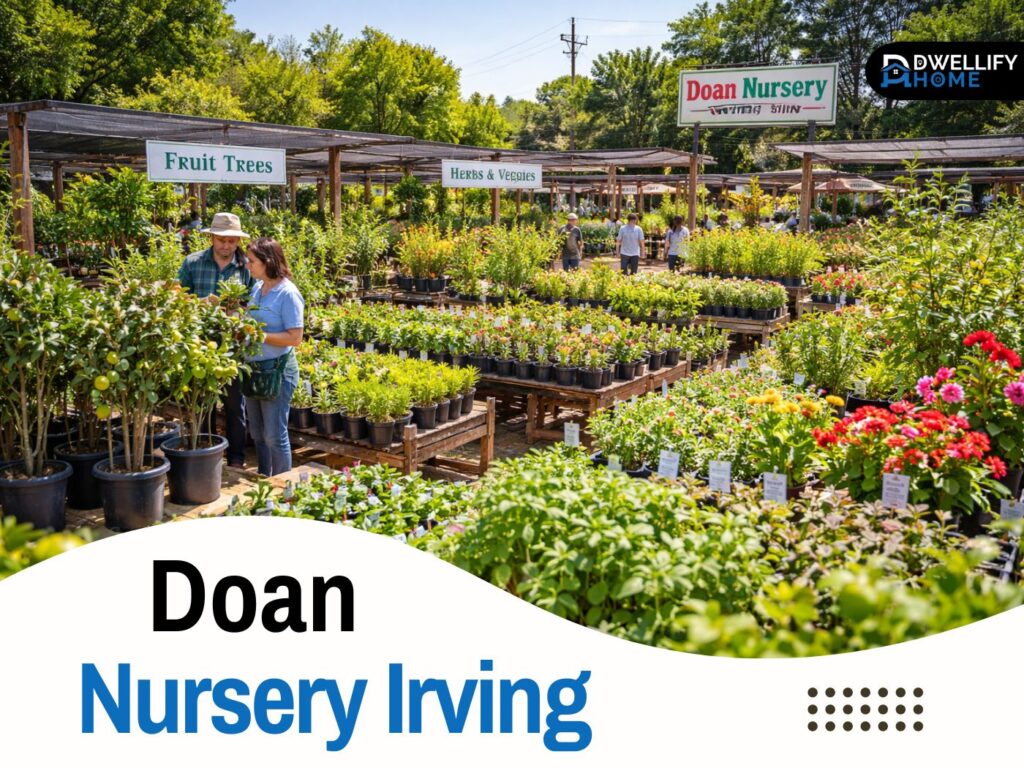
Doan Nursery Irving is the kind of place that doesn’t try to impress you with fancy displays. It wins you over with plants that feel chosen by real growers, not by a corporate planogram. The vibe is practical, busy, and very plant focused, which is exactly why many North Texas gardeners like it.
If you enjoy growing food, experimenting with uncommon varieties, or building a backyard that feels personal, you’ll probably enjoy a visit. Inventory changes with the season, and some items show up in waves. That means you can walk in for one thing and leave excited about three others you didn’t expect.
Snippet-Ready Definition:
Doan Nursery Irving is a local plant nursery in Irving, Texas, known for edible plants, herbs, fruit trees, and seasonal garden plants, offering a practical, no-frills shopping experience for home gardeners.
Mission Statement:
Our mission is to help home gardeners understand local nurseries like Doan Nursery Irving through honest, experience-based guidance, so they can choose the right plants and grow with confidence in North Texas conditions.
Quick Facts Before You Go (Location, Hours, Contact, Parking)
Doan’s Nursery is in Irving, and most visitors treat it like a destination stop rather than a quick in-and-out. Because nursery hours can shift seasonally, it’s smart to confirm the current hours and address on the listing before you drive over. That one minute of checking saves a lot of frustration.
Parking and crowd flow can be part of the experience, especially during peak planting season. If you prefer a calmer trip, aim for a weekday morning or go early on a weekend. You’ll have more space to browse and you’ll feel less rushed while comparing plants.
A few simple things to bring make the trip smoother:
- A couple of boxes or a laundry basket for stabilizing pots in the car
- A towel or plastic sheet for the trunk
- A short shopping list so you don’t get distracted into overbuying
- Water and a hat in warm months
Doan Nursery Irving – Quick Visitor Guide
| Topic | What You Should Know |
| Location | Irving, Texas (confirm address before visiting) |
| Known For | Edible plants, Asian herbs, fruit trees, seasonal plants |
| Pricing | Varies by plant size and season; many items are affordable |
| Inventory Style | Rotating stock, seasonal availability |
| Best Time to Visit | Weekday mornings or early weekends |
| Crowds | Can be busy during spring and weekends |
| Skill Level | Beginner to experienced gardeners |
| Alternatives Nearby | Chambers Nursery Irving TX |
How to shop at Doan Nursery Irving without stress:
- Walk through once without buying anything
- Pick 3–5 plants that match your sun and space
- Check plant health (leaves, roots, moisture)
- Ask price by pot size, not just plant name
- Transport plants quickly and keep them shaded
Doan Nursery Irving vs Chambers Nursery Irving TX
| Feature | Doan Nursery Irving | Chambers Nursery Irving TX |
| Focus | Edible plants, specialty varieties | Landscaping plants, supplies |
| Inventory Style | Seasonal, rotating | More traditional, consistent |
| Best For | Home gardeners, kitchen gardens | Yard projects, curb appeal |
| Crowds | Can get busy | Usually more spacious |
What Doan’s Nursery Specializes In (What You’ll Typically Find)
Most garden centers carry the basics. This nursery tends to shine when you want something a little different, especially edible plants and specialty items that rotate through the season. You’ll often see a mix that feels practical for home gardeners, not just landscape installs.
The nursery layout also matters. Places like this usually have sections that reveal more as you walk deeper, including protected growing areas where sensitive plants handle wind and temperature swings better. So don’t judge the whole selection from the first few benches.
The “signature” category: Asian and exotic edibles plus uncommon plants
This is where many shoppers get excited. You may run into herbs, greens, vines, and fruiting plants that don’t always show up at typical plant nursery Irving TX stops. Some are great for kitchen gardens, and some are just fun projects if you like learning as you grow.
If you’re new to these plants, the best approach is simple. Start with two that you’ll actually use in meals, then add one experimental plant as your “learning plant.” That way you get quick wins while still having fun.
Common staples: houseplants, outdoor ornamentals, seasonal trays
You’ll usually find the everyday helpers too, like flowering annuals, landscape friendly plants, and assorted houseplants. Seasonal color comes and goes, and the healthiest stock often reflects timing more than anything. Early season shipments tend to look fresher, while late season benches can be picked over.
If your goal is curb appeal, focus on sturdy plants that handle Irving heat: thicker leaves, compact growth, and strong stems. In summer, delicate plants that look perfect on the bench can crash fast once they hit full sun in your yard.
Doan Nursery Irving “Menu” explained (What that means for a plant nursery)
When someone says doan nursery irving menu or doan’s nursery menu, they’re usually talking about availability, not a restaurant style list. Nurseries operate on growing cycles, shipment timing, and seasonal demand. That means what’s on the benches today may not be there next week.
A good way to think about the “menu” is a rotating set of categories: edible starts, ornamentals, fruit trees, herbs, and seasonal color. If you need something specific, ask two questions that cut through confusion fast:
What pot size is it in today, and roughly how many are left?
On top of that, be flexible with substitutes. If the exact variety is gone, a similar variety may perform just as well in North Texas. In practice, success often comes down to plant health and correct planting time more than the name on the tag.
Doan Nursery Irving prices: What to expect (And how to shop smart)
Let’s keep pricing honest and helpful. Nursery prices vary by pot size, maturity, rarity, and season. Seedlings and small starts are often budget friendly, while fruit trees, specialty tropicals, and larger container plants will cost more. That’s normal across the board.
If you’re trying to plan a budget, think in ranges rather than exact numbers. Compare 4 inch pots, 1 gallon, and 3 gallon sizes. A larger plant can be a better value if it establishes faster, but only if it’s healthy and not root bound.
How to ask about pricing without slowing down your trip
Not every nursery tags every single pot perfectly, especially during busy weeks. The quickest way to get clarity is to pick the exact plant, confirm the pot size, and ask the price for that item. If you’re comparing two sizes, ask what the price difference buys you in maturity and root strength.
A simple habit helps a lot: take a photo of the tag and the pot size. It keeps you from mixing up similar plants while you shop, and it makes it easier to look up care details at home.
Value tips: compare root health, pot size, and “transplant readiness”
Here’s my rule of thumb. Don’t pay extra for height alone. Pay for a plant that can transition cleanly into your yard. Check for new growth, firm stems, and leaves that look hydrated rather than brittle.
If you can gently slide the plant out a bit, look for roots that are white or light tan and spreading, not circling in a tight spiral. A slightly smaller plant with healthier roots often outperforms a bigger plant that’s stressed.
Doan Nursery Irving reviews: What customers love vs common complaints
Reviews for a popular nursery usually tell two stories at once. One group talks about selection and unique finds. Another group talks about crowds, parking, and feeling unsure about pricing or communication in a busy moment. Both can be true.
The useful way to read reviews is to translate them into a plan. If reviewers mention crowds, go early. If they mention limited stock, bring a short list and be ready to pivot to a substitute. That’s how you turn mixed reviews into a good trip.
Why people recommend it (Variety, hard to find plants, unique selection)
Many gardeners appreciate nurseries that carry plants beyond the basics. If you like edible plants, unusual herbs, and fruiting varieties, this nursery style tends to feel worth the visit. You can build a kitchen garden that feels personal, not generic.
The best part is that exploring new plants teaches you faster than any blog post. You see what’s available now, what’s labeled for sun or shade, and what sizes are realistic for home gardens.
Common frustrations (Crowds, labeling, pricing clarity, communication gaps)
Crowds can make any nursery feel stressful, especially when you’re trying to compare options. If you ever feel rushed, step aside and reset. Pick your top two choices, then ask about those instead of asking about ten plants at once.
If you want a calmer pace, go when the nursery is less busy. You’ll get clearer answers, and you’ll have time to do a proper plant health check.
Best Time to Visit (Crowds, fresh stock, weather comfort)
Timing matters more than most people think. Early in the day, plants are usually less heat stressed, and the nursery feels easier to navigate. Midday heat can make everything feel more chaotic, including your decision making.
Season also changes the experience. Spring is exciting but busy. Summer shopping is doable, but you need a plan for heat and transport. Fall can be a great time for certain planting projects because roots establish well before winter.
A practical schedule that works in Irving: go early, keep your list short, and load plants quickly so they don’t bake in the car. If you’re buying tender plants, bring shade cloth or place them on the floorboard out of direct sun.
First timer shopping plan (So you don’t overbuy or regret it)
New gardeners often buy too much on the first trip. It’s not a character flaw. It’s just easy to get excited. The fix is a simple shopping plan that keeps your garden realistic.
Start by walking the nursery once without buying. Then choose a small set of plants that match your sunlight and your watering schedule. Finally, inspect those plants and commit. This keeps you from going home with plants that fight your yard conditions.
A clean plan looks like this:
- Pick 3 foundation plants that are easy and reliable
- Add 1 seasonal color plant for fun
- Add 1 learning plant that stretches your skill a bit
That mix gives you wins and keeps gardening enjoyable.
How to Choose Healthy Plants Like a Pro (2 minute inspection)
Healthy plants save money because they establish faster and need less rescue care. You don’t need fancy tools to check plant quality. You just need a consistent routine.
First, look at the whole plant. Does it look balanced, sturdy, and hydrated. Then look closer for pests and leaf damage. Finally, check the soil moisture and the base of the stem. Those quick checks catch most problems.
Quick checks: roots, pests, leaf damage, soil moisture, new growth
Use this short checklist:
- Leaves: avoid heavy spotting, sticky residue, or widespread yellowing
- Undersides: scan for tiny pests
- Stems: firm, not mushy or bent
- Soil: not bone dry and not waterlogged
- Growth: look for healthy new leaves, not stretched growth
If a plant is slightly stressed but clean and pest free, it can still do well. Just give it a gentle transition at home with shade and steady moisture for the first week.
Fruit Trees and specialty edibles: What to know before you buy
Fruit trees are a long game. The right tree can reward you for years. The wrong tree can disappoint even if you care for it well. In North Texas, variety choice matters because winter chill and summer heat both affect performance.
If you’re buying fruit trees, ask about mature size, pollination needs, and what does well locally. Also pay attention to whether the tree is grafted. Many fruit trees are grafted onto rootstock that improves vigor and adaptation.
Chill hours and variety selection (Simple explanation, no jargon)
Many fruit varieties need a certain amount of cool winter time to set fruit properly. If a variety needs more winter chill than the area reliably gets, it may bloom poorly or produce unevenly. You don’t need to memorize numbers, but you should ask whether the variety is a good fit for North Texas.
Also consider microclimates. A protected backyard with a south facing wall can support plants that struggle in an open windy yard. That small difference can decide whether your tree thrives.
Questions to ask staff: maturity, fruiting time, pollination needs
These questions keep you from making expensive mistakes:
- How big will it get in the ground
- Does it need a pollinator partner
- When does it usually fruit
- Is it better in full sun or partial afternoon shade
If you’re unsure, choose one reliable tree first. Add experimental trees after you’ve learned how your yard behaves through a full year.
Care Tips that matter in Irving, TX gardens (Heat, soil, watering reality)
Irving gardening is often about managing heat and improving soil structure. Clay soils can hold water and restrict oxygen to roots. Sandy soils drain fast and need organic matter to keep moisture steady. Either way, the goal is balanced moisture and breathable roots.
Watering is where most plants succeed or fail. Deep watering encourages roots to grow down. Light frequent watering encourages shallow roots that struggle in summer. A good routine is fewer waterings but deeper soakings, adjusted to your soil type and the plant’s stage.
Mulch is a quiet hero here. A simple layer of mulch moderates soil temperature, reduces evaporation, and protects roots. Keep mulch pulled back from the stem so you don’t invite rot.
If you’re building a kitchen garden (Herbs and Asian veggies)
A kitchen garden works best when it matches your habits. Put herbs close to where you cook. Choose vegetables you actually use weekly. Keep the first season simple, then expand.
Many edible plants grow better when you respect seasonal windows. Some greens prefer cooler months. Some fruiting vegetables love heat but need steady water. Containers can be a great option if your soil is heavy clay or your space is limited.
A practical starter set: a few herbs, one leafy green, and one fruiting plant. Once you prove you can keep those happy, add specialty edibles and try new varieties with confidence.
Nearby alternatives (Plant Nursery Irving TX options)
Sometimes you want a nursery trip that’s more traditional, with a strong focus on landscape plants, seasonal color, and supplies. That’s where other local spots can make sense depending on your goal.
Chambers Nursery Irving TX often comes up as another option in town. If you want bedding color, perennials, shrubs, mulch, soil products, and garden inputs, that style of garden center can be a better fit for a landscaping focused trip.
A simple way to choose: go to Doan’s when you want unique plants and edible variety. Go to a more traditional center when you want a broad selection of landscape staples and supplies.
Don’t confuse these names: Irving vs Doan Nursery Orange vs Doan Nursery Houston TX
Name confusion happens a lot with nurseries because listings, nicknames, and similar business names overlap. So it’s worth confirming you’re looking at the Irving location if that’s where you plan to go.
Terms like doan nursery orange and doan nursery houston tx can show up in online searches, but they may refer to different places or different location intent. The safest move is simple: confirm the city and address on the listing before you leave.
That quick verification prevents wrong turns, especially when you’re trying to shop in a specific area during a busy day.
FAQs
Do they have a Doan nursery Irving menu I can check
Most nurseries don’t keep a perfect live inventory list because stock changes constantly. The best approach is to call and ask about the exact plant and pot size you want, then confirm what’s available today.
Are prices labeled on everything
Not always. If something isn’t tagged, ask about the specific plant and pot size. You’ll get a faster and clearer answer that way.
What’s the best time to avoid crowds
Weekday mornings are usually calmer. On weekends, early hours tend to be the easiest.
Do they sell fruit trees year round
Selection can vary by season. Ask what’s currently available and what varieties fit North Texas conditions.
Is Chambers Nursery a good backup option in Irving
Yes, especially if your trip is focused on landscape plants and supplies rather than specialty edibles.
What should I bring to transport plants safely
Boxes or baskets, a towel for the trunk, and a plan to keep plants out of direct sun during the drive home.
Conclusion: Final tips for shopping at Doan Nursery Irving
A good nursery visit feels calm and intentional. Walk once before you buy, pick a short list of plants that match your sun and soil, and do a quick health check before you commit. That approach saves money and avoids the common beginner regrets.
If you love edible gardening or you enjoy finding plants you don’t see everywhere, this nursery style can be a great fit. Keep your first trip simple, learn what thrives in your yard, then come back for the fun projects.
Doan Nursery Irving rewards shoppers who come prepared, stay flexible, and choose plants based on real growing conditions, not just what looks good on the bench.
Disclaimer:
This article is based on hands-on nursery experience and publicly available information. Plant availability, pricing, and hours may change by season. Always confirm details directly with the nursery before visiting.

I’m Bilal, the founder of Dwellify Home. With 6 years of practical experience in home remodeling, interior design, and décor consulting, I help people transform their spaces with simple, effective, and affordable ideas. I specialize in offering real-world tips, step-by-step guides, and product recommendations that make home improvement easier and more enjoyable. My mission is to empower homeowners and renters to create functional, beautiful spaces—one thoughtful update at a time.