If you love plants that look cheerful, handle heat like a champ, and don’t demand daily attention, you’re going to enjoy this one. Heliantum is one of those garden gems that quietly does a lot of heavy lifting, especially in sunny, dry spaces.
Here’s the thing: many gardeners discover it while searching for easy groundcover or something that can thrive in rock gardens. And once you grow it, you start noticing how confidently it fills gaps, softens borders, and keeps your garden looking tidy without fuss. Over at Dwellify Home, we’re big fans of plants that are beautiful and practical—and this one fits that sweet spot.
Short Intro about Heliantum:
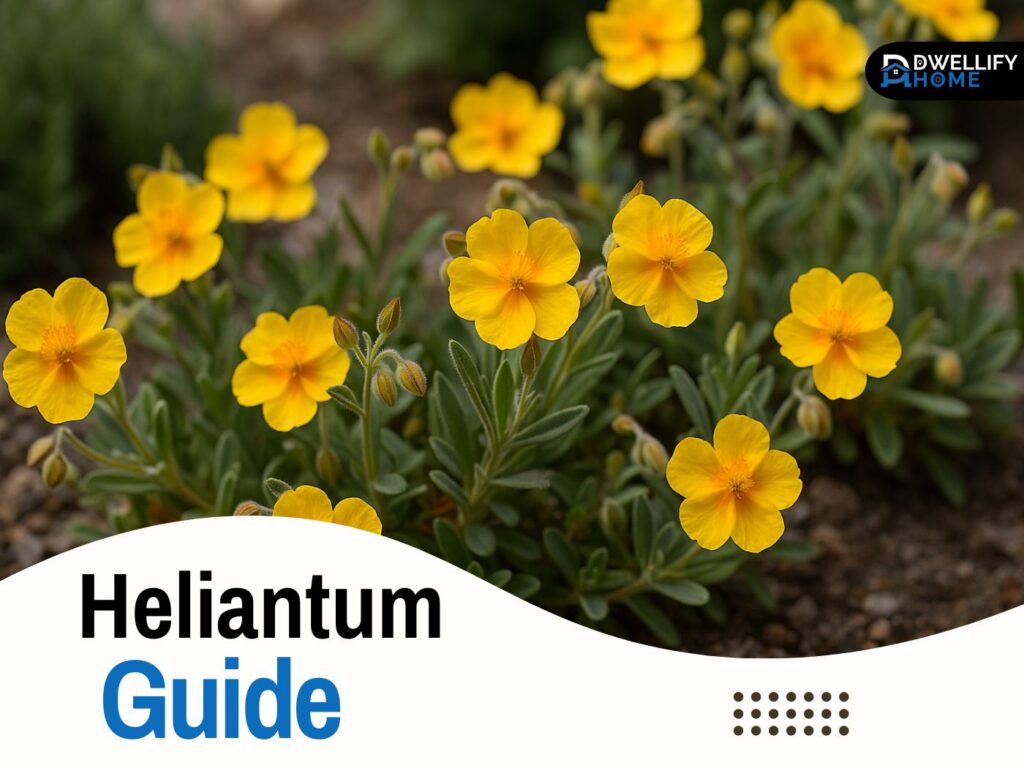
Heliantum, also known as helianthemum or sunrose, is a low-growing, drought-tolerant plant loved for its bright flowers and easy care. It thrives in full sun and well-drained soil, making it ideal for rock gardens and borders.
Mission Statement:
Our mission is to help gardeners understand plants in a simple, friendly way—so you can grow beautiful, low-maintenance gardens with confidence, using real guidance that actually works in everyday spaces.
What Is Heliantum (Helianthemum / Sunrose)?
Heliantum is often discussed under the name Helianthemum, commonly called sunrose or sometimes rock rose in garden settings. The plant is loved for its low-growing habit and its bright, papery blooms that open eagerly in full sun.
It’s the kind of plant that feels tailor-made for modern gardens where people want beauty with less watering. It doesn’t try to be dramatic. It’s simply reliable, tidy, and surprisingly charming when planted in the right spot.
Botanical Context
Helianthemum belongs to the Cistaceae family. That family background explains a lot about its personality: it generally prefers sun, sharp drainage, and a more “lean” soil style rather than rich, soggy beds.
Quick Comparison / Guide Table
Heliantum Quick Guide
| Feature | What You Need to Know |
| Common Name | Sunrose / Helianthemum |
| Light Needs | Full sun for best flowering |
| Soil Type | Well-drained, sandy or gritty soil |
| Watering | Low once established; avoid overwatering |
| Best Varieties | The Bride (white), Ben Ledi (pink), red forms |
| Hardiness | Generally hardy; dislikes winter wet |
| Best Uses | Rock gardens, borders, slopes, groundcover |
| Propagation | Cuttings (easy), seeds (variable) |
Bullet List: How to Grow Heliantum (Simple Steps)
- Choose a full-sun spot with at least 6–8 hours of direct light.
- Prepare well-drained, gritty soil—add sand or gravel if needed.
- Plant in spring or early autumn for easier establishment.
- Water lightly until roots settle, then reduce watering.
- Trim after flowering to keep the plant compact and tidy.
- Take cuttings in summer if you want more plants.
Helianthemum Nummularium (Rock Rose) — The Most Popular Type
If you see nummularium on a plant label, you’re looking at one of the most common garden forms: Helianthemum nummularium. This type is widely grown because it’s compact, flowers generously, and spreads into a dependable, low mat.
In plain terms, it’s a great choice if you want a plant that behaves. It won’t swallow your whole bed, but it will knit the space together and make your garden look more finished.
Key Features & Why Gardeners Choose It
Guess what — this plant is ideal for people who want a “set it up right once, then enjoy it” experience.
It offers:
- Bright, sunny blooms that feel lively even in minimalist landscapes
- A low, neat shape that works as edging or groundcover
- Good performance in heat and lower-water gardens
On top of that, the plant can be a quiet win for pollinator-friendly spaces too. When it’s in flower, you’ll often notice small bees and garden visitors checking it out.
Best Helianthemum Varieties & Colors
This is where the fun really starts. Color, form, and subtle differences in growth habit can help you choose the right fit for your space.
White Choice
Helianthemum ‘The Bride’ is the classic white pick. It’s soft, clean, and perfect if you like calm palettes or want a bright edging plant that doesn’t shout.
I often recommend this one for gravel paths, rock pockets, or front-border spots where you want a crisp, tidy look. White blooms also pair beautifully with silvery foliage plants.
Pink Choices
If you’re into warm, cheerful color, helianthemum pink options are easy to love. They bring a gentle pop without overwhelming the rest of your bed.
A standout name here is Helianthemum ‘Ben Ledi’. It’s popular for good reason: the color is attractive, the plant stays nicely compact with light trimming, and it looks wonderful in sunny borders.
Red Choices
Helianthemum red varieties are great when you want bold contrast. Red blooms can create a striking line along a border or brighten up a rocky slope that otherwise feels flat.
If your garden already includes dusty greens, stone features, or neutral gravel, red sunroses can be the accent that makes everything look intentional.
Where to Plant for the Best Performance
Full sun is the golden rule here. The best part is that once you give this plant the right light, a lot of other care questions become easier.
Ideal locations include:
- Rock gardens
- Border edges
- Sunny slopes
- Raised beds with gritty soil
- Gravel or Mediterranean-style designs
If your area has extreme summer heat, a spot with gentle afternoon protection can be helpful. But in most cases, bright, open sun will give you the strongest flowering.
Soil & Drainage Requirements
This may be the most important care section in the whole article.
Helianthemum prefers:
- Well-drained soil
- Gritty or sandy structure
- Neutral to slightly alkaline conditions
What it doesn’t love is heavy, water-holding soil. If you plant it in a rich, damp bed, you may get beautifully green growth at first, but the plant can struggle later, especially during wet winters.
A simple fix? Mix in coarse sand, fine gravel, or grit. Even elevating the planting area slightly can make a real difference.
How to Plant Heliantum Successfully
Planting is straightforward, and that’s part of its charm.
I usually suggest:
- Choose a sunny site.
- Improve drainage before you plant.
- Space plants with room to spread into low mats.
If you’re planting multiple plants, think of them as soft patches of color rather than tall focal points. Their strength is in how they cover and connect space.
Spring is a great time for planting in many regions. But in mild climates, early autumn planting can also work beautifully because the roots get time to settle before heat returns.
Watering & Feeding
At the start, water regularly enough to help the roots establish. After that, you can relax.
Once settled, this plant is happiest with a light-touch watering routine. Overwatering is a far bigger risk than underwatering.
Feeding should be gentle too. Rich fertilizer can encourage soft growth that doesn’t hold up well. A minimal, balanced approach works best, and in many well-prepared garden beds, you won’t need much feeding at all.
Seasonal Care & Pruning
A light trim after flowering is one of the best habits you can develop.
Here’s why:
- It keeps the plant compact
- Encourages fresh growth
- Helps prevent a woody, open center
Don’t cut it back hard into old wood. Think of it as a tidy haircut, not a dramatic makeover.
Helianthemum Propagation
If you enjoy making more plants from the ones you love, you’ll appreciate how approachable this is.
Propagation by Cuttings (Most Reliable)
Cuttings are the most consistent method for home gardeners.
A simple routine:
- Take healthy, non-flowering shoots.
- Use a free-draining pot mix.
- Keep them lightly moist, not wet.
I’ve found that small cuttings rooted in a bright spot (out of harsh midday sun) can establish quickly with minimal fuss.
Propagation by Seeds
Seeds can be fun if you want to experiment or grow multiple plants on a budget.
Just keep expectations realistic. Seed-grown plants may show variation in color and habit, which can be a bonus if you enjoy surprises.
Common Problems & Simple Fixes
Most issues come down to one thing: too much moisture.
Watch for:
- Weak growth in shade
- Winter damage in heavy, wet soil
- A plant that looks fine in summer but collapses after prolonged damp weather
If that happens, don’t blame yourself. This is simply a plant that wants sharp drainage. Improving the site usually solves the problem.
Leggy growth is another common complaint. The fix is simple: more sun and a light post-bloom trim.
Landscape & Design Ideas
This plant shines when you use it as a structural “glue” plant.
Easy ideas:
- Edge a sunny walkway with white or pink varieties.
- Plant red and pink forms in patches across a slope.
- Tuck small groups between stones to soften hard lines.
It also pairs well with dry-sun companions that share the same preferences. The result is a cohesive bed that looks curated rather than chaotic.
Quick Buying Guide
When you’re choosing plants, don’t just fall for blooms on the label photo.
Look for:
- Compact, tidy shape
- Healthy leaves without soft, floppy growth
- Signs of good drainage in the pot
If you’re deciding between The Bride and Ben Ledi, think about your palette and mood:
- The Bride feels clean, calm, and elegant.
- Ben Ledi feels warm, classic, and cheerful.
And if you’re unsure, mix small groups of white and pink for a layered, natural look.
Is Heliantum Right for Your Garden?
This is a great plant for you if:
- You have a sunny spot that needs low-growing color.
- You want a drought-tolerant look without a harsh, desert feel.
- You enjoy rock, gravel, border, or slope planting styles.
If your garden is mostly shade or heavy clay that stays wet, you can still grow it — but you’ll need to adjust the site with drainage improvements or raised planting.
FAQs
Is heliantum the same as helianthemum?
In gardening contexts, yes, you’ll commonly see them used to refer to the same sunrose group. Using both terms naturally in your article helps match real search behavior.
What type is Helianthemum nummularium?
It’s one of the most common low-growing garden forms, often chosen for rock gardens and borders.
Where does ‘The Bride’ look best?
Sunny edges, gravel beds, and rock gardens where white blooms can brighten the scene.
What’s special about Ben Ledi?
It’s a popular choice in the pink range, valued for attractive color and a neat, compact habit.
What’s the easiest propagation method?
Cuttings are usually the most reliable for consistent results.
What’s the biggest mistake to avoid?
Poor drainage. This plant can forgive a dry week, but it doesn’t forgive long wet soil.
Conclusion
Heliantum is one of those plants that rewards good placement more than constant attention. Give it full sun, sharp drainage, and a little post-bloom tidying, and it will quietly become one of the most dependable features in your garden.
If you want a simple next step, start with Helianthemum nummularium and choose a color you genuinely love — white The Bride, cheerful pinks like Ben Ledi, or bold reds for contrast. Once you see how easily it settles in, you may find yourself adding a few more patches just to bring that sunny, effortless look across your whole space.
Disclaimer:
This article is based on general horticultural practices and personal growing experience. Local climates, soil conditions, and plant varieties may differ, so always adjust care methods to your specific environment.

I’m Bilal, the founder of Dwellify Home. With 6 years of practical experience in home remodeling, interior design, and décor consulting, I help people transform their spaces with simple, effective, and affordable ideas. I specialize in offering real-world tips, step-by-step guides, and product recommendations that make home improvement easier and more enjoyable. My mission is to empower homeowners and renters to create functional, beautiful spaces—one thoughtful update at a time.