Minneola tangelo oranges are one of those winter citrus treats that make you pause after the first bite. They’ve got that sweet-tart snap, a ton of juice, and a fragrance that feels like sunshine in the middle of a cold season.
People either love them instantly or they’ve only tried a “meh” batch and never went back. With a little know-how on timing, picking, and storage, you’ll almost always land the good ones. I’ll walk you through it the same way I would if we were standing next to a citrus bin together.
Snippet-Ready Definition:
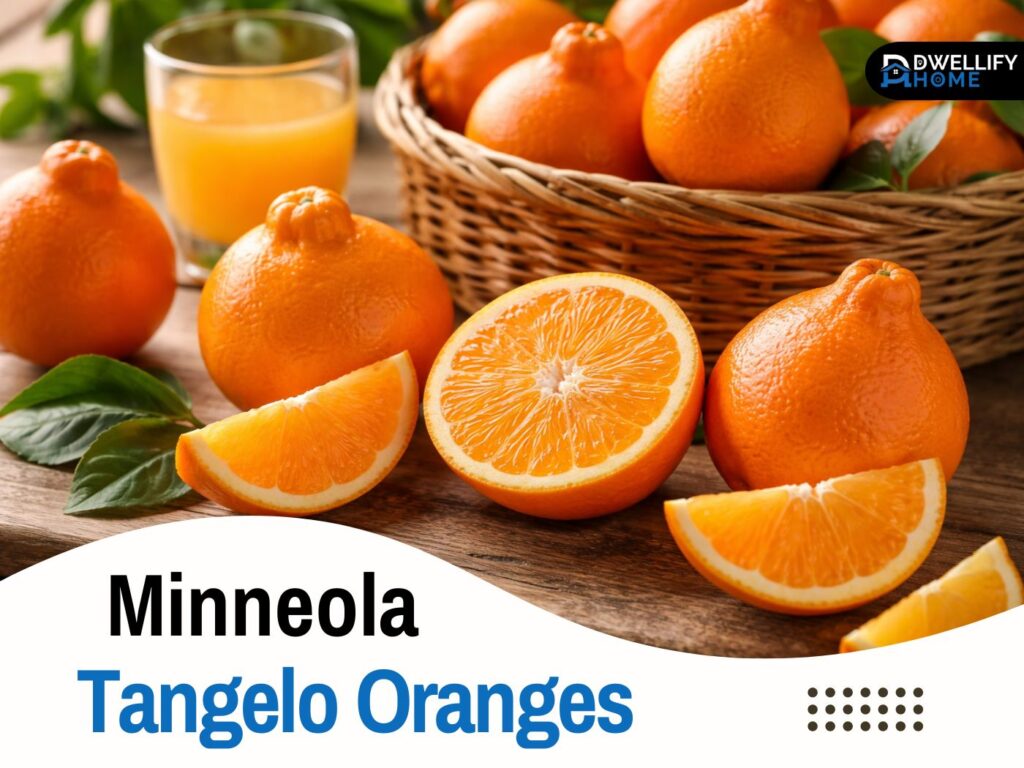
Minneola tangelo oranges are a juicy citrus fruit with a sweet-tart flavor, known for their bell-shaped top. They’re a tangelo variety enjoyed fresh, juiced, or used in simple home recipes.
Mission Statement:
Our mission is to help homeowners and everyday readers understand plants, produce, and home-grown foods through clear, experience-based guidance that’s practical, trustworthy, and easy to apply in real life.
Minneola Tangelo Quick Facts
| Feature | Minneola Tangelo |
| Type | Tangelo (citrus hybrid) |
| Flavor | Sweet-tart, bright, very juicy |
| Shape | Round with a small neck or “bell” |
| Peel | Thin, slightly bumpy, easy to peel |
| Season | Winter to early spring |
| Best Uses | Fresh eating, salads, juice, desserts |
| Nutrition Highlight | Vitamin C, fiber, folate |
Simple “How to Eat” Quick Guide
You don’t need anything fancy. Here’s the easiest way most people enjoy them:
- Peel by hand or score lightly with a knife
- Separate into segments
- Eat fresh, or add to salads and bowls
- Juice for drinks or dressings
- Use zest to boost flavor in baking or cooking
What Are Minneola Tangelo Oranges?
A Minneola is a type of tangelo, which means it’s a citrus hybrid with both mandarin-style sweetness and grapefruit-style brightness. In real life, that translates to a fruit that’s usually easy to peel, super juicy, and more lively than a standard orange.
You’ll also hear the nickname Honeybell. That name gets used a lot in marketing, especially for premium fruit during a short window. The shape is part of the reason, since many Minneolas have a little “neck” at the stem end that looks like a bell.
Minneola vs Tangelo (and vs Tangerine/Orange)
This confuses people all the time, so let’s make it simple. “Tangelo” is the category. “Minneola” is one specific variety inside that category.
A quick practical comparison:
- Minneola vs tangelo: Minneola is a tangelo variety with a recognizable neck and bold flavor.
- Minneola vs tangerine: tangerines are usually sweeter and less tangy.
- Minneola vs orange: oranges are often milder and less aromatic.
- Minneola vs grapefruit: grapefruit is more bitter, while Minneola usually stays sweet-tart and friendly.
Where the Minneola Came From (Parentage, in plain English)
Minneola comes from grapefruit and a tangerine-type parent. That’s why you get the best of both worlds: sweetness and easy eating from the mandarin side, plus that crisp zing from the grapefruit side.
On top of that, the genetics explain a lot of the “personality” differences you’ll notice from batch to batch. Some lots lean sweeter, some lean brighter, and the season timing matters a lot.
Minneola Tangelo Oranges Taste — What to Expect
The taste is usually sweet first, then a gentle tart finish. When they’re at their best, they’re juicy enough that you’ll want a napkin nearby, and the aroma is almost floral when you peel them.
Guess what: the peel can look a little bumpy or imperfect and the inside can still be fantastic. I’ve harvested plenty that weren’t “pretty” but were pure gold for flavor.
Why Taste Can Vary (Ripeness, harvest timing, growing region)
In citrus, flavor is basically a balance between sugars and acids. Early in the season, Minneolas can taste sharper because the acid is still high. A few weeks later, sugars climb and that sharp edge softens.
Growing region plays a role too. Warmer nights can push sweetness. Cooler conditions can keep more tang. That’s why two bags bought a month apart can taste like totally different fruit.
A quick tip from the field: if your first one tastes a bit too tangy, let the rest sit at room temp for a day or two. It won’t “ripen” like a banana, but the flavor often rounds out and the juice feels less biting.
Minneola Tangelo Season (When They’re Best)
Minneola tangelo season is mainly winter into early spring, but the exact timing shifts depending on where the fruit is grown and how the season goes. In most markets, you’ll see them show up, peak, and disappear faster than many other citrus types.
The best part is that the short season usually means you’re getting fruit that’s in demand and moved quickly. That tends to keep quality higher, as long as you buy at the right moment.
Peak Season vs Honeybell Season
“Honeybell season” is often treated like a special limited run. Sometimes it’s just Minneolas picked at a peak window and packed carefully. Other times it’s a branding term used more loosely.
My practical approach is simple: buy a small amount first, taste one, then go back for more if it’s hitting that sweet-tart balance. When it’s good, it’s really good.
Where Are Minneola Oranges Grown?
Minneola oranges are grown in classic citrus regions where winters are mild and summers provide enough heat to build sugars. In the U.S., that commonly includes parts of Florida, California, and other warm growing areas, plus some global citrus regions that export seasonally.
If you’re curious where are Minneola oranges grown for a specific box, check the sticker or carton label. That small detail can help explain flavor differences. Some regions produce a brighter, tangier profile. Others produce a softer sweetness.
One orchard reality: weather matters more than people think. A cooler stretch near harvest can hold acidity, while a warmer spell can push sweetness quickly. That’s why the same farm can have different tasting fruit across the season.
How to Pick Good Minneolas at the Store (Quick Checklist)
You don’t need a degree to pick great citrus. You just need a few reliable cues.
Here’s my go-to checklist:
- Heavy for its size: heavier usually means juicier.
- Firm but not rock-hard: you want a little give, not squishy.
- Fresh aroma: a fragrant peel is a great sign.
- Skin condition: minor scuffs are fine, but avoid deep soft spots or wet areas.
- Neck shape: a visible “bell” can be a clue, but not a guarantee of quality.
One more thing: color can be misleading. A slightly greenish tinge doesn’t always mean unripe in citrus. Focus on weight and smell first.
Minneola Tangelo Oranges Nutrition (Real Benefits)
Minneola tangelo oranges nutrition is one reason they fit so nicely into winter routines. Like many citrus fruits, they’re known for vitamin C, plus you’ll also get fiber and helpful micronutrients like folate.
What I like telling families is this: it’s an easy snack that feels like a treat, but it also supports everyday nutrition. You’re not forcing it. You’re enjoying it.
Nutrition Snapshot (What People Usually Want to Know)
Instead of drowning you in numbers, here’s what most people care about, in plain terms:
- Vitamin C: a strong reason citrus is a winter staple.
- Fiber: especially if you eat the segments instead of only juicing.
- Folate: commonly present in citrus and helpful in a balanced diet.
- Hydration support: the juice content is high, which is great in dry winter air.
If you’re watching sugar intake, treat it like any fruit: portion matters, and pairing it with a handful of nuts or yogurt can make it more satisfying.
How to Store Minneola Tangelos So They Stay Juicy
Storage is where good fruit often gets accidentally ruined. Citrus likes cool, breathable conditions, and it hates being trapped in moisture.
Here’s the simple method I recommend:
- If you’ll eat them in 2–3 days: keep them on the counter out of direct sun.
- If you want them to last longer: store in the fridge, ideally in the crisper drawer.
The #1 mistake is keeping them in a sealed plastic bag that holds moisture. That’s when mold and soft spots show up. If they came in a bag, open it or move them into a breathable bowl.
A small grower-style trick: if you buy a big batch, rotate them. Put the newest at the bottom and eat the older ones first. It sounds basic, but it saves fruit.
Best Ways to Eat Minneola Tangelos at Home
This fruit shines when you keep it simple. Peel, segment, eat. But it also plays really well in savory food because of that sweet-tart balance.
A few easy, real-life uses I’ve seen people love:
- Toss segments into a green salad with toasted nuts and a salty cheese.
- Add juice to sparkling water with a pinch of salt for a bright drink.
- Use zest in baking when you want a stronger aroma than regular orange.
Easy Recipe Ideas (Low-effort, high payoff)
If you want quick wins, try these:
- Citrus salad: Minneola segments, thin red onion, olive oil, and a little black pepper.
- Tangelo vinaigrette: juice, olive oil, pinch of mustard, salt, and cracked pepper.
- Simple salsa: tangelo, cucumber, cilantro, and a tiny bit of chili.
- Quick dessert: segments over yogurt with honey and crushed pistachios.
The best part is that none of these require perfect knife skills. You’re just using the juice and brightness to lift simple ingredients.
Smart Substitutions (If a Recipe Calls for Orange or Grapefruit)
Swapping citrus can change the whole dish, so here’s the practical guidance:
- Replacing orange: Minneola is usually more tart, so you may need a touch more sweetener.
- Replacing grapefruit: Minneola is usually less bitter, so add a squeeze of lemon if you want extra bite.
- For marinades: it’s great with chicken or shrimp because it doesn’t overpower, but it still punches through.
If you’re making juice, I usually suggest blending Minneola with a milder orange. That gives you depth without making it too sharp.
Minneola Tangelo Oranges Where to Buy (Local + Online)
Minneola tangelo oranges where to buy depends a lot on timing. During peak season, many grocery stores carry them in standard produce bins. Farmers markets can be excellent too, especially when the seller knows the harvest date.
If your local shops don’t stock them reliably, that’s when online becomes useful. Where to buy Minneola oranges online often comes down to seasonal citrus shippers and orchard-direct sellers that pack and ship quickly.
Where to Buy Minneola Oranges Online (What to Check Before Ordering)
Before you click buy, check a few basics. It saves disappointment.
- Shipping days: fruit sitting over a weekend in a warehouse can arrive tired.
- Harvest timing: a clear harvest window is a quality signal.
- Grade and size: bigger isn’t always better, but tiny fruit can be more seed-heavy.
- Packing method: good shippers cushion fruit and allow airflow.
I’ve seen people order once, get a rough batch, and swear off it. Most of the time, it wasn’t the fruit. It was the shipping timeline.
Minneola Tangelo Oranges for Sale — How to Spot a Good Listing
When you see minneola tangelo oranges for sale, a good listing usually includes:
- The variety name (Minneola, sometimes labeled Honeybell).
- The season window.
- The growing region or origin.
- Storage guidance and a reasonable quality policy.
If a listing is vague and reads like it could apply to any citrus, I’d be cautious. The better sellers talk like growers, not like generic catalogs.
Growing a Minneola Tangelo Tree at Home (Optional, but Great for Dwellify Home)
If you’ve got the climate or you’re willing to grow in a large container, Minneola can be a rewarding home tree. I’ve seen gardeners get fruit in pots on sunny patios, as long as they’re consistent with watering and feeding.
Start with the basics:
- Sun: aim for 6–8 hours of direct sun.
- Soil: well-draining mix, not heavy garden clay in a pot.
- Watering: deep watering, then let the top couple inches dry a bit before the next round.
- Feeding: citrus-specific fertilizer during active growth, not in the dead of winter.
One very real mistake is “loving it too much” with water. Citrus roots need oxygen. If the pot stays soggy, leaves yellow, growth stalls, and pests show up.
Pollination & Seeds (Why Some Fruits Have More Seeds)
Here’s the thing: seediness can change depending on what other citrus is blooming nearby. Cross-pollination can increase seed count in some tangelo types. That’s why a tree in one yard may produce fewer seeds than the same variety planted near other citrus.
If you want fewer seeds, give your tree the best chance to set fruit on its own:
- Keep the tree healthy and well-fed.
- Encourage pollinators, but be aware nearby citrus can affect seed count.
- Thin heavy blooms only if the tree is small and struggling.
Common Problems (So You Don’t Panic)
Most issues are manageable if you catch them early.
- Leaf yellowing: often watering or nutrient balance.
- Scabby or spotted fruit: can happen in humid conditions.
- Flower drop: can come from inconsistent watering, heat spikes, or stress.
If you’re in a humid region and you see recurring spots, your local extension service is worth a quick call. They’ll give region-specific advice that’s far better than guessing.
FAQs
What does a Minneola tangelo taste like?
It tastes sweet at first with a gentle tart finish. The flavor is brighter than a regular orange and less bitter than grapefruit, with lots of juice.
What is the difference between a tangelo and a Minneola tangelo?
“Tangelo” is the general category. Minneola is a specific tangelo variety known for its bell-shaped top and bold sweet-tart flavor.
What exactly is a Minneola orange?
A Minneola is not a true orange. It’s a tangelo, meaning a citrus hybrid with characteristics of both mandarins and grapefruit.
How do you eat a Minneola tangelo?
Most people peel it and eat it fresh. It’s also great in salads, juiced, or used in simple desserts and sauces.
Are Minneola tangelos seedless?
They usually have a few seeds, but seed count can vary depending on growing conditions and nearby citrus trees.
Conclusion
Minneola tangelo oranges are one of my favorite “blink and you’ll miss it” winter fruits. When you catch them at peak season, they’re juicy, sweet-tart, and incredibly versatile at home.
If you remember only three things, make it these: buy them heavy and fragrant, store them with airflow, and don’t judge by perfect skin. Do that, and you’ll get the kind of citrus that disappears from the bowl faster than you expected.
And if you ever decide to grow your own, stay consistent with sun, watering, and feeding. A healthy citrus tree rewards patience, season after season, with fruit that tastes even better because you helped it happen.
Disclaimer:
This content is for informational purposes only. Growing conditions, nutrition values, and dietary needs can vary. Always consult local experts or healthcare professionals for personalized advice.

I’m Bilal, the founder of Dwellify Home. With 6 years of practical experience in home remodeling, interior design, and décor consulting, I help people transform their spaces with simple, effective, and affordable ideas. I specialize in offering real-world tips, step-by-step guides, and product recommendations that make home improvement easier and more enjoyable. My mission is to empower homeowners and renters to create functional, beautiful spaces—one thoughtful update at a time.