A minimalist decluttering checklist helps you keep only what you use, need, or truly value, and let the rest go. You work one category at a time, ask one honest question about each item, and stop when the category earns its place in your home.
That question is simple: does this item earn its place? If you use it often, need it for daily life, or love it enough to give it a real home, it stays. If not, you thank it for its use and move it on. Fewer, better things leave you with less to clean, less to store, and more room to breathe.
💡 Practical Home Tip: Start with one small, easy win, like a single junk drawer, before you touch a closet or a storage room. A quick win builds your decision muscle, and that confidence makes the harder categories feel much easier.
The Minimalist Question: Does This Earn Its Place?
Minimalism is not a contest to own the fewest things. It is a way of choosing on purpose. You keep the items that serve your real life, not the life you once had or the life you hope to have someday.
That shift matters, because a generic tidy-up often ends with neater piles of the same stuff. A minimalist pass asks a harder question, and it changes what comes back into your home afterward. You stop organizing clutter and start removing it.
Writer Joshua Becker’s team at Becoming Minimalist frames the same idea in a simple checklist: start with your reason for simplifying, start small, and separate wants from needs. Their well-known rule for what stays is just as plain: keep what you know to be useful or believe to be beautiful, in the words of William Morris, quoted on Becoming Minimalist’s minimalism checklist.
Use three tests for every item, and let any one of them earn a keep:
- Use: You use it often in your life right now, not once a year in theory.
- Need: You need it for health, safety, work, or a regular task, even if you use it rarely.
- Value: You genuinely value it, and you can name why in one plain sentence.
If an item fails all three tests, it does not earn its place, no matter how much it cost or who gave it to you. The money is already spent, and a gift did its job when someone gave it with love. You do not repay either one by storing the item for years.
Before You Start: Set Your Why and Your Rules
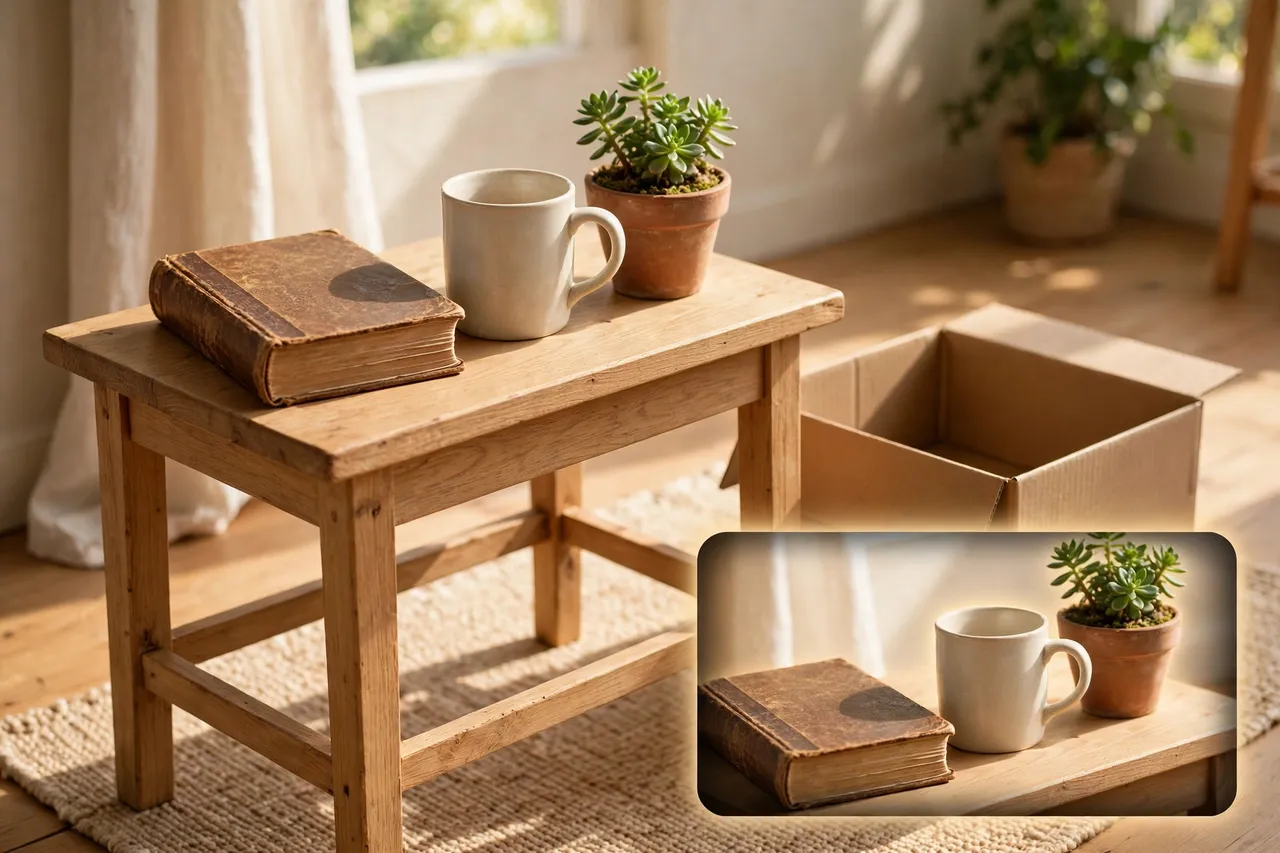
Write down one sentence about why you want less stuff. Maybe you want calmer mornings, an easier clean-up, or a living room you can actually relax in. Keep that sentence where you can see it, because you will need it when a hard item shows up.
Next, set your rules before you touch anything. Rules make fast decisions possible, and fast decisions keep you from stalling on every single object. Pick a session length that fits your day, such as 20 or 30 minutes, and stop when the timer rings. You can always start again tomorrow.
Gather four bags or boxes and label them clearly:
- Keep: Items that pass the use, need, or value test and already have a home.
- Donate or sell: Clean, working items someone else can use.
- Trash or recycle: Broken, expired, stained, or missing-part items.
- Belongs elsewhere: Items that live in another room, so you can return them at the end of the session.
Work one category at a time, not one room at a time. The same kind of item hides in several rooms, so you only see how much you own when you gather it in one place. Start with easy, low-feeling categories, and save sentimental items for last, when your decisions feel strongest. Snug and Tidy’s room-by-room checklist gives the same practical order: start with the easiest room, work in 15 to 30 minute sessions, and sort into four boxes.
Two simple rules can break a tie. First, the 90/90 rule: if you have not used an item in the last 90 days and you will not use it in the next 90 days, let it go, unless it is truly seasonal. Second, the one-in, one-out rule: when a new item comes in, a similar item goes out, so your home never creeps back to full.
Your Minimalist Decluttering Checklist, Category by Category
Work through this list in order, and finish one category before you start the next. You do not need to finish your whole home in one weekend. Steady, short sessions beat one giant push that ends in bags piled in the hallway.
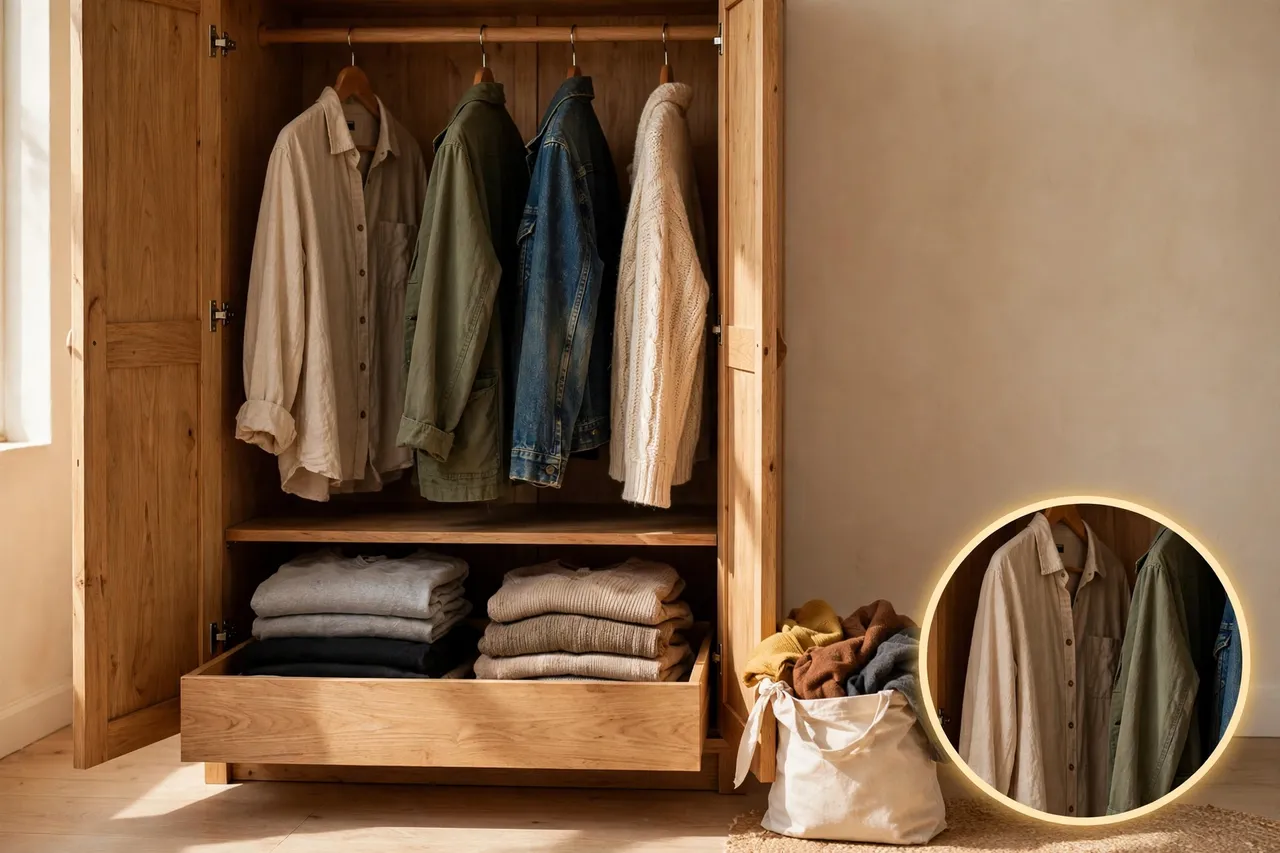
Clothes: Keep the Wardrobe You Actually Wear
Pull out one kind of clothing at a time, such as shirts, pants, or shoes, and look at the whole group together. Duplicates jump out fast when you see five black shirts side by side. Keep the one you reach for most and the one in the best shape, and let the rest go.
Let go of clothes that do not fit today, clothes with stains or tears you will not repair, and clothes you keep for a someday version of yourself. Keep seasonal clothes only if you truly wear them each season, and give every kept item a clear spot in your closet or drawers.
- Remove worn-out socks, stretched underwear, and single socks with no match.
- Keep one or two cozy layers you love, not a stack you never touch.
- Fold or hang what stays right away, so the drawer does not refill by default.
Kitchen: Fewer Tools, Better Cooking
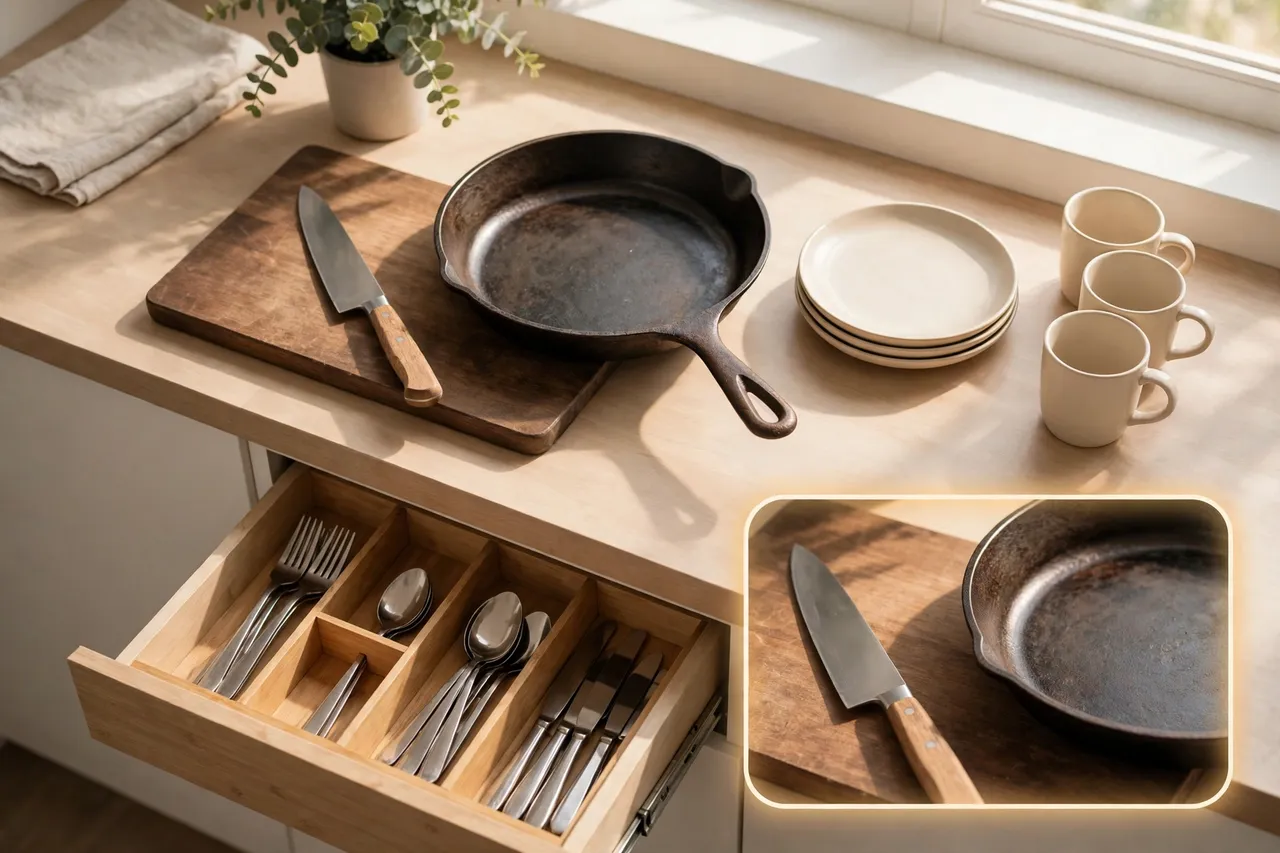
The kitchen tests minimalism well, because duplicates hide in every drawer. Keep the tools you use each week, and question the gadget you used twice. One good knife you sharpen beats three dull ones, and one pan you love beats a stack you dig through.
Clear counters first, because a clear counter changes how the whole room feels. Then check mugs, containers, and utensils for matches and duplicates. Toss chipped mugs, lids with no container, containers with no lid, and expired food and spices. If you plan a kitchen project later, a simple pre-project clear-out also helps: Dwellify Home’s guide to surviving a kitchen renovation shows how packing only daily essentials first makes the whole job calmer.
- Keep only the mugs, plates, and glasses your household uses on a normal week.
- Keep one of each tool type, unless two people truly cook at the same time.
- Give every kept tool a home near where you use it, and return it there after each meal.
Bathroom: Keep Only Your Daily Essentials
The bathroom is often the easiest room to start with, because most decisions are simple. Toss expired medicines, makeup, and skincare products, and recycle empty or nearly empty bottles you kept for no reason. Check your local take-back option for old medicines instead of tossing them in the trash.
Keep only the products you use each day or each week, and store backups in one small bin, not spread across three cabinets. Limit towels to the number your household truly uses between washes, and donate clean extras. A small tray for daily items keeps the counter calm without any new storage purchase.
Living Room and Entryway: Clear the Surfaces First
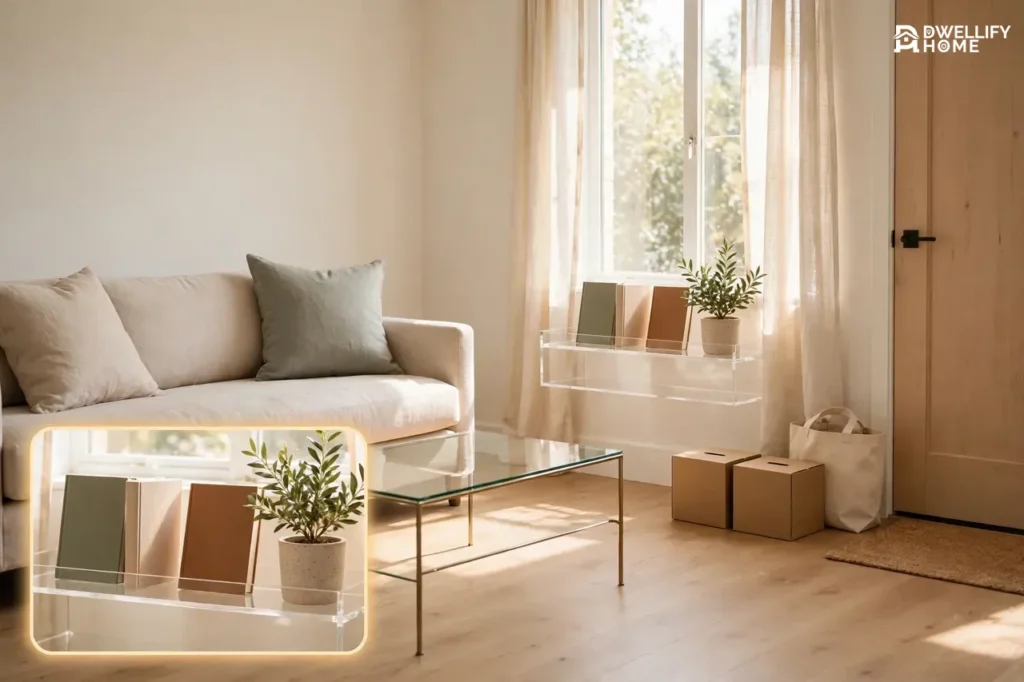
Start with flat surfaces, because clear surfaces calm a room fast. Remove old magazines, mail piles, dead cords, and remotes for devices you no longer own. Keep only the blankets, pillows, and decor you use or love, and give the rest a new home elsewhere.
At the door, keep only what each person truly uses each day: keys, a bag, a coat, and shoes for the current season. A narrow console with closed storage can help here, because it hides small daily items instead of letting them spread. Dwellify Home’s guide to a table for consoles explains how drawers and closed cabinets keep an entryway looking clean while still holding keys and chargers.
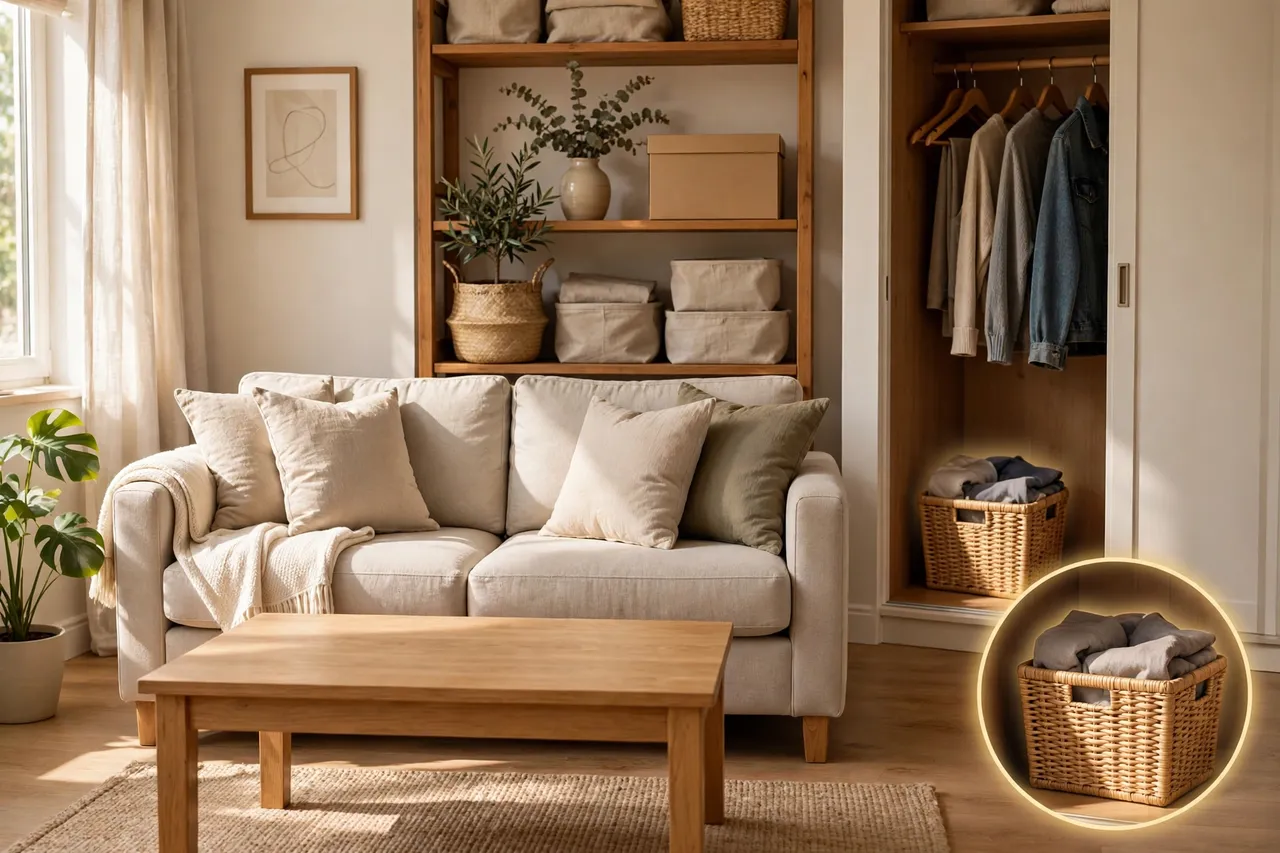
- Keep one or two blankets out, and store the rest in one basket or ottoman.
- Remove decor that no longer brings you joy, even if it once matched the room.
- Give remotes and chargers one tray or drawer, so they stop drifting across the room.
Books, Papers, and Digital Clutter: Keep What You Still Use
Books earn their place when you reread them, reference them, or love them enough to display them. Keep your favorites, and pass on books you finished and will not open again. A shelf with breathing room looks better than a shelf packed tight with books you forgot.
Paper deserves its own short session, because it mixes junk mail with truly important records. Recycle or shred old mail, expired offers, and manuals for appliances you replaced, and keep tax records and vital papers in one clearly marked spot. For digital clutter, delete apps you have not opened in months, unsubscribe from emails you delete without reading, and keep only the files you still need on your home screen.
- Keep papers you must keep by law or for taxes, and let the rest go.
- Digitize only the papers you truly need to find again, not every sheet you own.
- Set one inbox, physical or digital, for new paper, so it never piles up again.
Sentimental Items: Last, Small, and on Purpose
Save photos, children’s artwork, and inherited items for last, because they take the longest time per item and can stall the whole project. When you reach them, set one fixed-size box for the category. The size of the box makes the decision for you, so you keep the best pieces instead of keeping everything by default.
Photograph a large item before you let it go, if the memory matters more than the object itself. Keep the pieces that tell your story best, and pass the rest to family members who will truly enjoy them. You honor a memory by choosing its best keeper, not by storing every version of it.
What to Do With Everything You Let Go
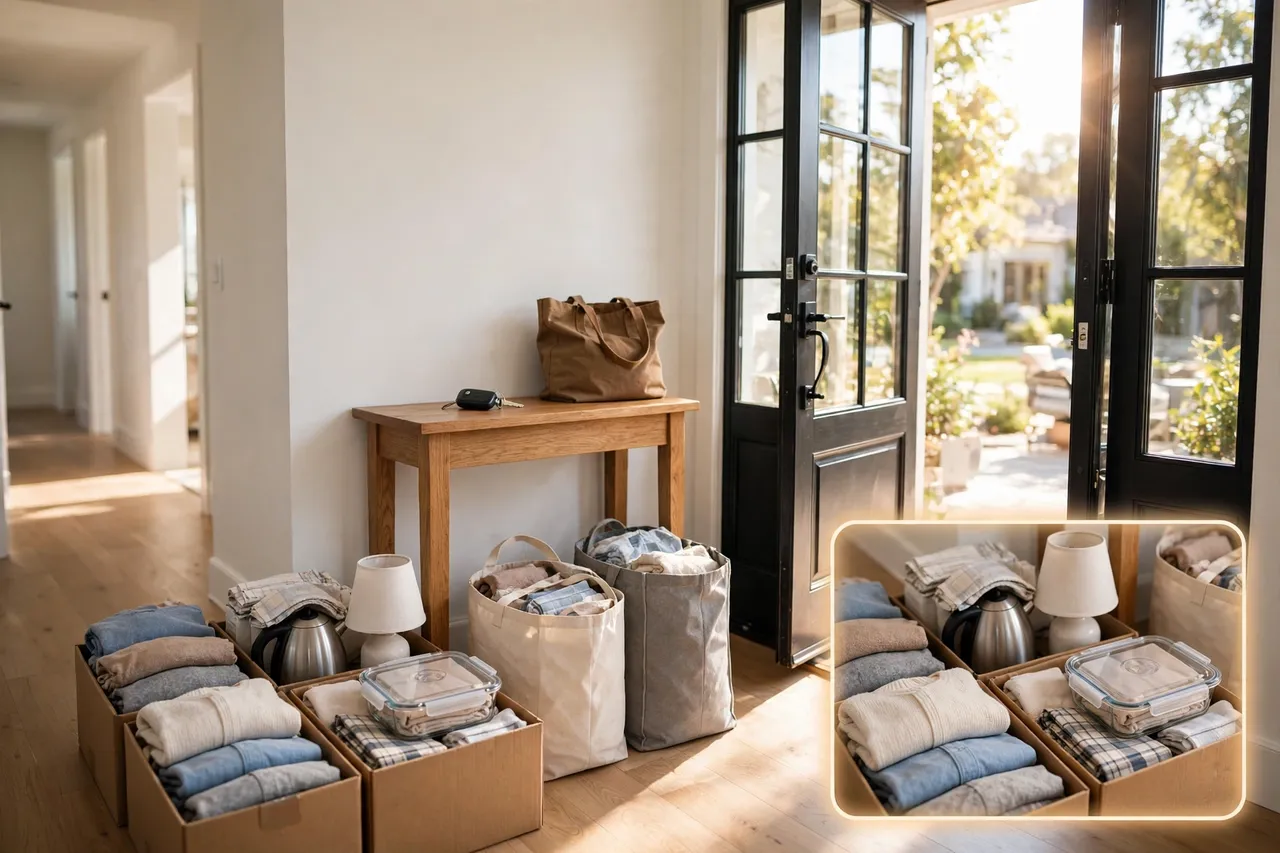
A donation bag that sits in the hallway for three weeks often gets unpacked, so move items out the same day when you can. Put donate bags straight into your car, book a pickup, or drop them off before your next session. Clara Luz Organizing makes the same point: a donation bag left in the hall tends to get unpacked, so same-day removal is what separates a declutter that holds from one that quietly reverses. The declutter only holds when the items actually leave your home.
Sort outgoing items by their next best home. Donate clean, working items to a local charity or thrift shop, sell higher-value items only if you have the time and energy for listings, and recycle or trash broken and expired items through the right local stream. Keep hazardous items, such as old paint, batteries, and medicines, out of the regular trash, and use your local collection or take-back program for them.
Do not buy storage bins to fix a clutter problem you have not yet reduced. First, let items go. Then, look at what truly stays, and give each kept item one clear home. A bin helps only after the minimalist question has done its work.
When You Get Stuck: The Maybe Box and Other Traps
Stuck items stall more decluttering sessions than any other problem. When you cannot decide, put the item in one maybe box, write the date on it, and keep moving. If you do not reach for it within a set period, such as 30 to 90 days, let it go without a second debate. If you do reach for it, it earns its place back.
Watch for the traps that quietly refill a home. Guilt keeps gifts you never liked. Sunk cost keeps costly items you never use. “Just in case” keeps duplicates for a future that rarely arrives. Name the trap out loud, and the item loses much of its power over you.
Perfection is another trap. Your home does not need to look empty, and minimalism does not demand white walls or bare shelves. It only asks that each item earns its place. A warm, lived-in home with fewer, better things still counts as minimalist, because the choices behind it are intentional.
Keeping It Minimal Over Time
Minimalism sticks when buying slows down and daily habits do the small work. Before you buy anything new, pause and ask whether it passes the same three tests: use, need, or value. Wait a day for non-urgent purchases, and check whether you already own something that does the same job.
Build a weekly reset into your routine. Spend 10 to 15 minutes returning items to their homes, clearing one surface, and dropping one outgoing item into a donation bin you keep in a closet. Small, regular resets beat rare, exhausting purges, and they keep clutter from quietly rebuilding.
Review one category each season, such as clothes in spring and kitchen tools before the holidays. A short seasonal check catches duplicates early, before they pile into a full project again. Over time, you buy less, clean faster, and spend more time on the people and plans that matter most.
Troubleshooting: When Minimalist Decluttering Stalls
Use this quick-reference table when a category feels hard. Find your problem, apply the first fix, and keep moving.
Quick-Reference: Category Keep Test
| Category | Keep test | Let go first |
|---|---|---|
| Clothes | You wear it often and it fits today | Unworn, damaged, or someday-size pieces |
| Kitchen | You use it weekly or truly need it | Duplicates, chipped items, expired food |
| Bathroom | You use it daily or weekly | Expired products and empty bottles |
| Living room | You use it or love it on display | Dead cords, old mail, unused decor |
| Papers | You must keep it or find it again | Junk mail and replaced manuals |
| Sentimental | It tells your story best | Duplicates beyond one fixed box |
- You stall on one item. Put it in the maybe box, date it, and decide only when the date arrives.
- Family members resist. Declutter only your own items first, and let your calmer space speak for itself.
- Bags pile up at home. Move donations to your car the same day, and book the drop-off before your next session.
- Clutter returns fast. Restart the one-in, one-out rule, and pause non-urgent buying for one week.
- You feel guilty letting go. Photograph the item, thank it for its use, and pass it to someone who needs it.
Related Guides
Decluttering Checklist: A Room-by-Room Guide for Your Whole Home · How to Help Kids Stay Organized · Best Ways to Store Vintage Clothing Properly
Frequently Asked Questions
Where do I start decluttering my home?
Start with a small room that holds few emotional items, such as the bathroom or the entryway. Quick wins build momentum and make decisions feel easier. Set a 15 to 30 minute timer, sort items into keep, donate or sell, trash or recycle, and belongs elsewhere, and save closets, paperwork, and sentimental items for later.
What is the 5-5-5 rule for decluttering?
The 5-5-5 rule asks you to find five things to throw away, five to donate, and five to return to their proper place. It works as a momentum tool on a day when you do not feel like starting, not as a full system. Use it to break a stall, then return to one full category at a time.
How long does it take to declutter a whole house?
It depends on your home’s size, how much you own, and how often you work on it. Short sessions a few times a week can take several weeks, while a focused weekend approach moves faster but tires you out sooner. One category per weekend gives many homes a realistic finish in about three months.
What should I do with things I’m not sure about?
Put uncertain items in one maybe box with a date on it, and keep working on the rest of the category. If you reach for an item during the next 30 to 90 days, it earns its place back. If you never reach for it, let it go without reopening the debate, because the test already gave you the answer.
How do I maintain my home after the initial declutter?
Use the one-in, one-out rule, run a weekly 15-minute reset, and keep a donation bin in a closet for outgoing items. Return items to their homes each day, clear one surface during your reset, and review one category each season. These small habits stop clutter from quietly rebuilding between big sessions.
A Calmer Home, One Category at a Time
You do not need a perfect home, an empty home, or a whole free weekend to start. You only need one category, one timer, and one honest question: does this item earn its place?
Start today with the easiest win you can find, perhaps a drawer or a bathroom shelf. Let a few things go, move the donations out the same day, and notice how much lighter that one small space feels. Then pick the next category, and let fewer, better things shape a calmer home over time.