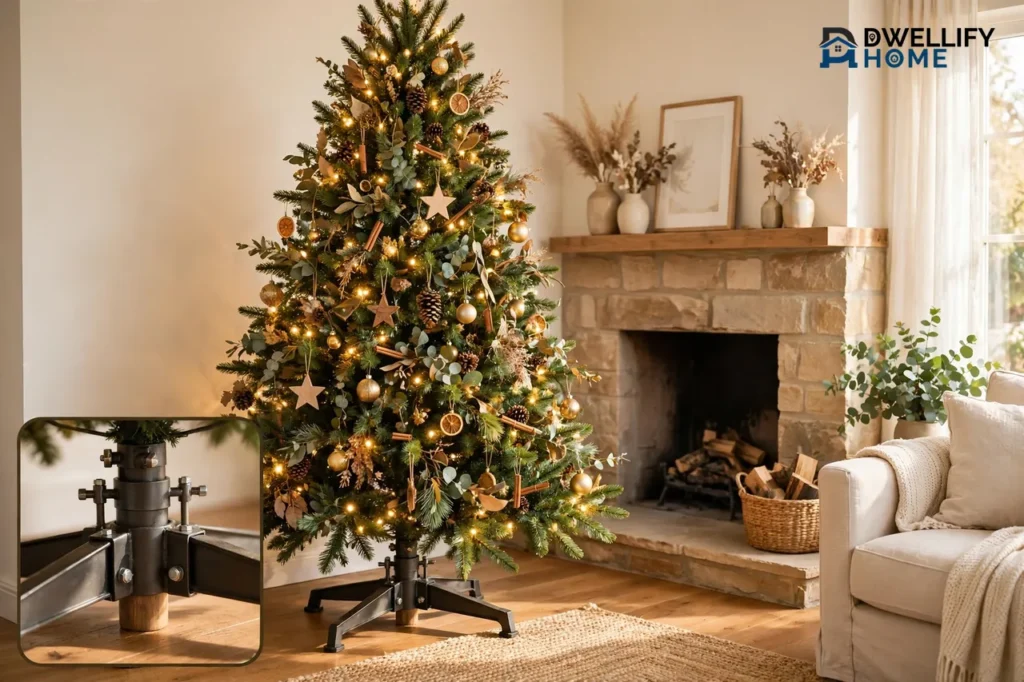
Christmas tree safety comes down to a few daily habits: pick a fresh tree, keep it watered, keep it at least three feet from heat, check your lights before you plug them in, and take the tree down as soon as it dries out. Do those five things, and you protect your home, your family, and your pets without giving up any of the magic. This guide walks you through each step in plain language, so you can enjoy the lights with real peace of mind.
Most tree fires are preventable, and most danger comes from the same three problems: a dry tree, damaged lights, and a tree placed too close to heat. You can fix all three before you hang a single ornament.
Why a Dry Tree Is the Biggest Risk
A fresh, well-watered tree is hard to ignite. A dry tree is the opposite. Its needles lose moisture, turn brittle, and catch fire far more easily, and once a dry tree catches, the fire can grow very large very quickly. The National Institute of Standards and Technology (NIST) demonstrates this difference in its watered-tree versus dry-tree fire tests, and the contrast is stark.
The numbers show why this matters, even though tree fires are not common. The National Fire Protection Association (NFPA), in its winter-holiday safety update, reports annual averages for 2020 to 2024 of 143 home fires that started with Christmas trees, with an estimated seven civilian deaths, 13 civilian injuries, and $15 million in property damage each year. The same NFPA figures show electrical distribution or lighting equipment involved in 40 percent of those fires, lamps or bulbs starting nearly one in four, and candles starting 11 percent. In other words, tree fires are rare, but when they happen, they tend to be serious.
That is why this guide treats dryness as the main enemy. Freshness, water, distance from heat, and careful lighting all serve one goal: keep the tree moist and far from anything that can spark or heat it.
Choose a Safe Tree
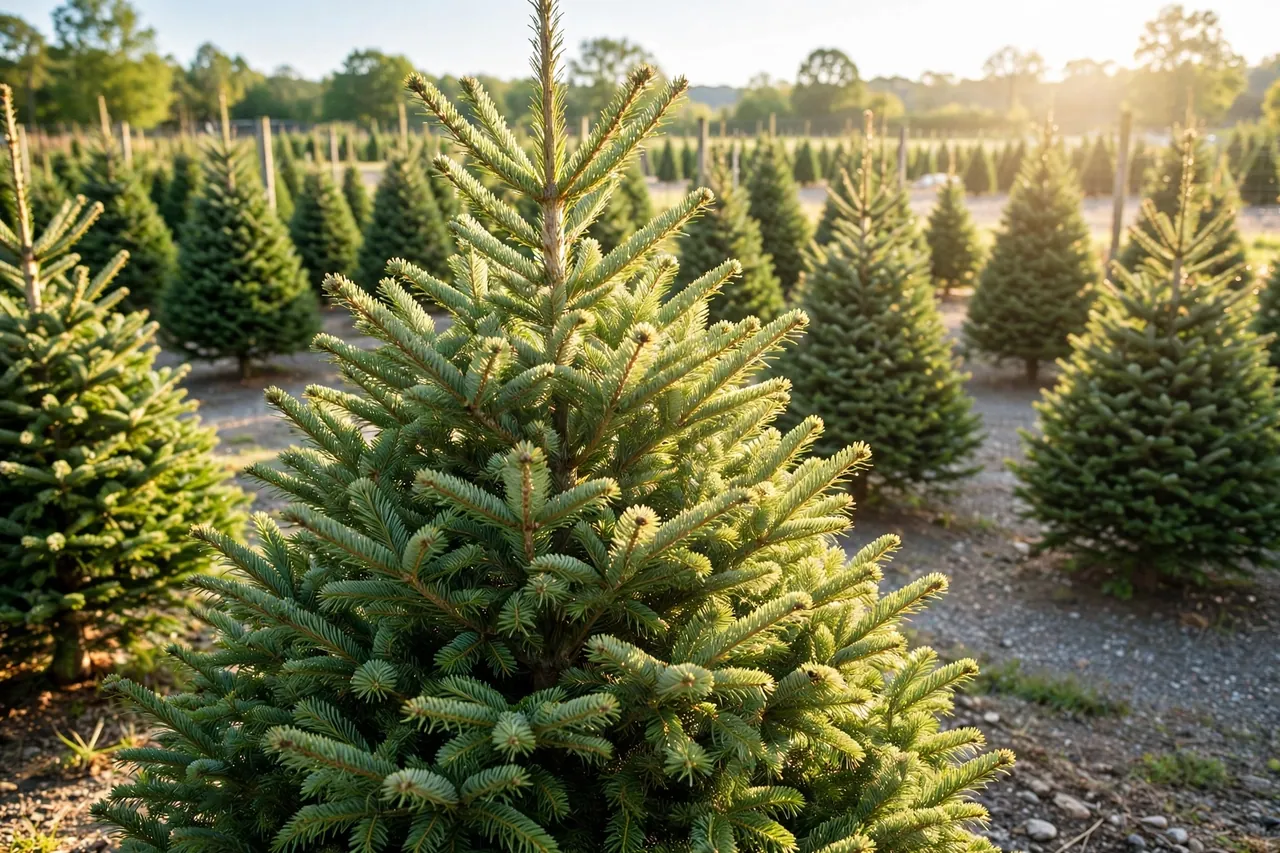
Safe holidays start at the lot, not at home. Take a few minutes to choose well, and the rest of the season gets easier.
Pick a Fresh Real Tree
Look for a tree with fresh, green needles that do not fall off when you touch them. Run your hand gently along a branch. The needles should feel soft and flexible, not brittle, and they should stay on the branch. Bend a needle between your fingers. A fresh needle bends, while a dry needle snaps.
Check the trunk, too. The cut end of a fresh tree feels sticky with resin. Tap the trunk lightly on the ground. A few brown needles from deep inside the tree are normal, because trees shed old needles, but a shower of green needles tells you the tree is already too dry. If you can, ask when the lot received its trees. A lot that gets fresh deliveries through the season usually beats one that took its whole stock at once.
Fraser fir and noble fir hold needles well indoors, while spruce drops needles faster and needs extra care. Whatever type you choose, freshness matters more than the species name.
Pick a Safe Artificial Tree
If you buy an artificial tree, look for the label “Fire Resistant” or a manufacturer statement that identifies the tree as fire retardant. The U.S. Consumer Product Safety Commission (CPSC) gives this advice, and it comes with an honest limit: the label does not mean the tree cannot catch fire. It means the tree resists burning more than an untreated tree.
Inspect an artificial tree you already own before setup. Look for damaged branches, loose wires, and heat damage. If it smells scorched or the wiring looks worn, retire it.
Never use electric lights on a metallic tree. The CPSC warns that a faulty light can charge the whole metal tree with electricity, and a person who touches a branch could receive a shock. Light a metallic tree with colored spotlights placed beside it instead, and keep those spotlights where children cannot touch them.
Place Your Tree Safely
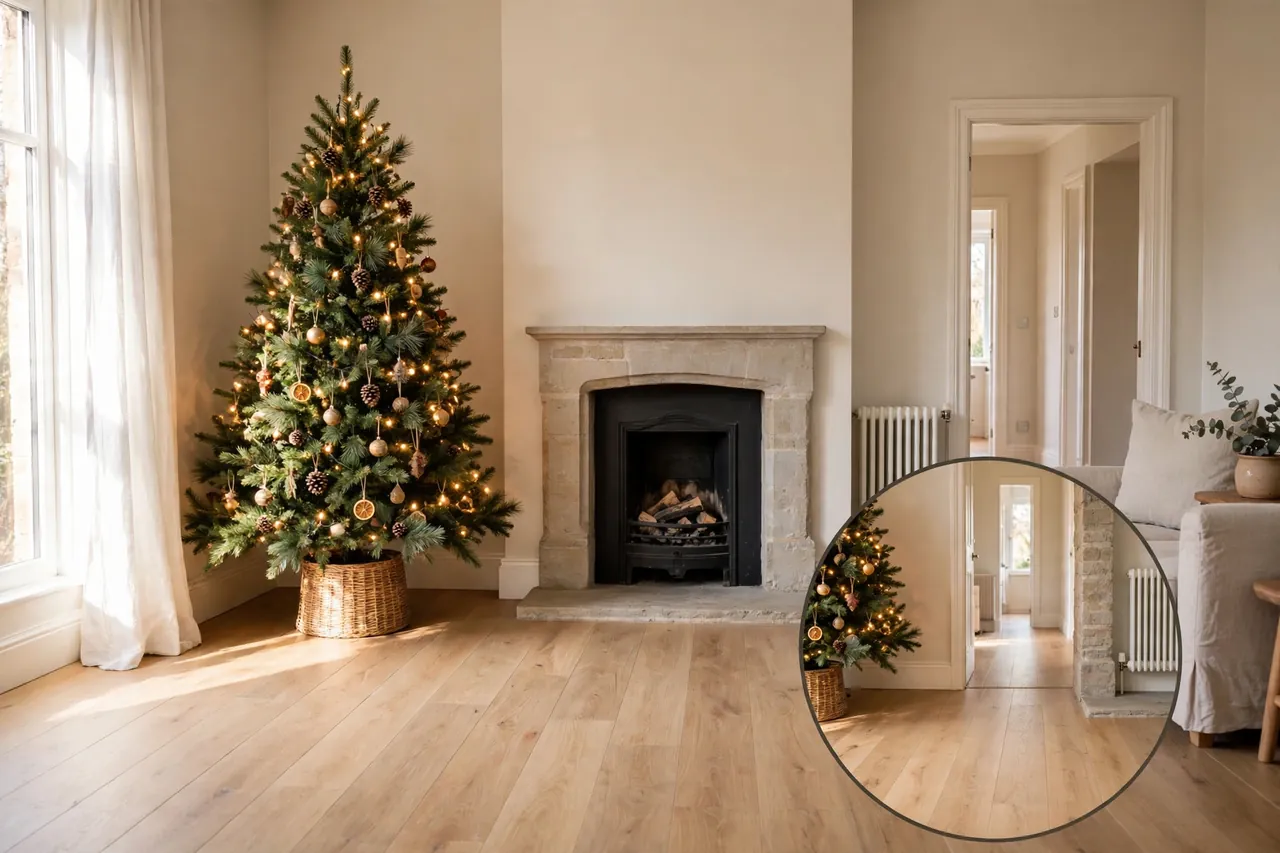
Where you put the tree matters as much as how fresh it is. Heat dries a tree fast, and a tree in the wrong spot can block your way out in an emergency.
Keep the tree at least three feet from every heat source. That includes fireplaces, radiators, space heaters, heat vents, candles, and sunny windows that bake the tree all afternoon. The U.S. Fire Administration (USFA) gives the same three-foot rule for heat sources, and it is the single easiest placement check you can make. Measure it with a tape measure the first time, not by eye, because three feet looks shorter than most people think once the branches spread out.
Keep the tree out of traffic paths, and never let it block an exit or a doorway. In a fire, you need a clear path out of every room. Choose a corner that gives the tree room to stand straight, leaves walkways open, and keeps the stand where nobody trips over it. If you have a small room, a smaller tree in a safe spot beats a large tree squeezed against a heater.
Use a sturdy stand that fits your tree. Tighten the screws evenly, check that the tree stands straight, and test it with a gentle push before you decorate. A wobbly tree can fall onto a child, a pet, or a candle.
Keep the area around the tree tidy. Do not pile wrapping paper or dry garlands against the trunk, because they add fuel if anything sparks, and they hide spills and damaged cords.
Water a Real Tree Every Day
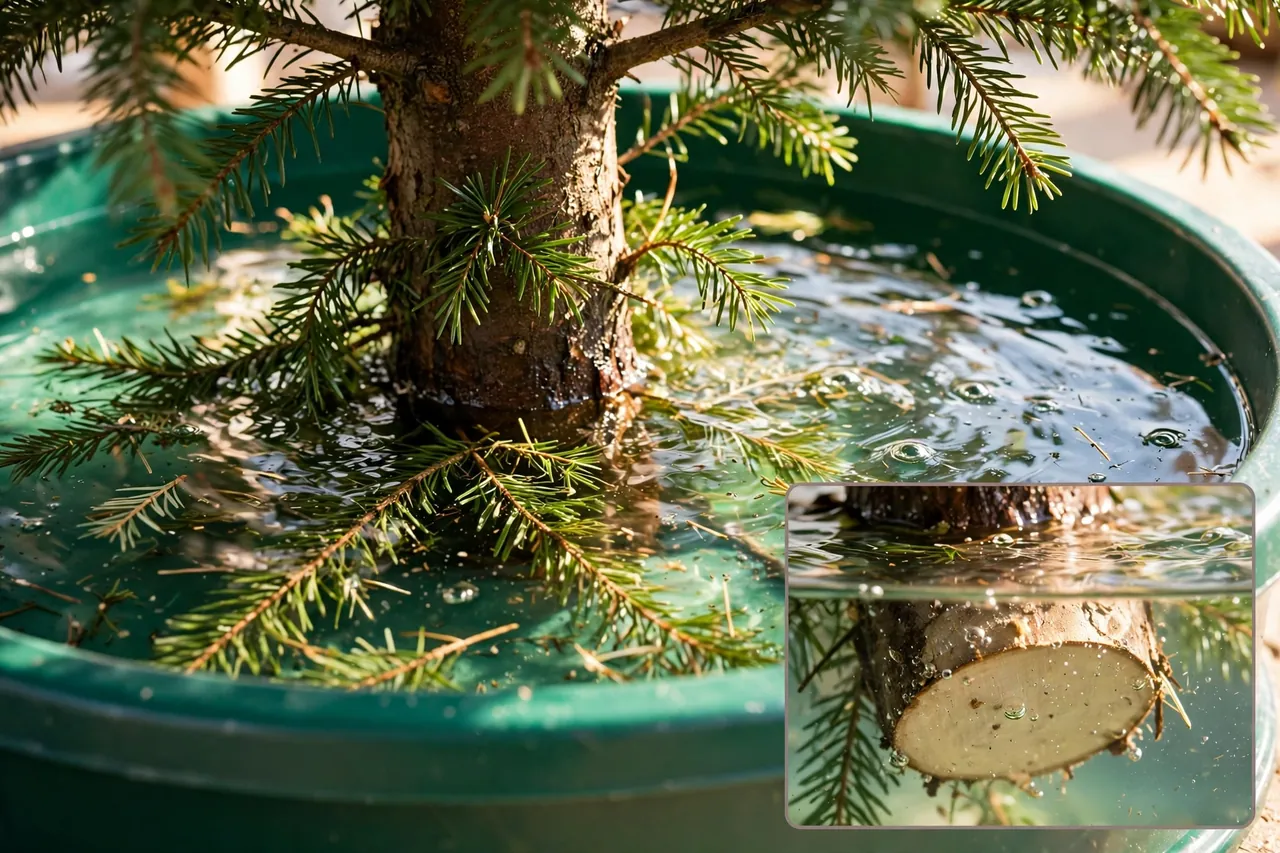
Water is the best fire protection a real tree has. A cut tree has no roots, so the stand is its only water supply. When the stand runs dry, the tree dries fast, and a dry tree stops drinking even after you refill the stand. Daily water keeps the needles soft, green, and far harder to ignite.
Caution: use a sharp saw with care, keep your hands clear of the blade, and ask another adult to hold the tree steady while you cut. Never saw toward your body, and never let a child hold the tree during the cut.
Before you place the tree in the stand, cut one to two inches straight across the bottom of the trunk. This fresh cut removes the dried, sealed end and opens the trunk so it can drink again. The NFPA safety sheet gives this one-to-two-inch cut as a core step. Place the tree in water right away, within hours of the cut at the latest, because the cut end starts to seal again once it dries.
Fill the stand so the water covers the cut end, and check the water every day. A fresh tree can drink a lot in its first day or two, so check twice on the first day if you can. Top the stand up daily after that, and never let the water drop below the cut end. You cannot really overwater a Christmas tree in a proper stand, because the tree drinks only what it needs, but you can easily underwater it by forgetting one busy day.
Use plain tap water. Sugar, aspirin, soda, bleach, and commercial additives do not beat plain water in a stand you top up daily, and some can harm pets that drink from the stand. If the tree stops drinking, the base has likely sealed again, and you should plan to take it down.
Keep cords and power strips away from stand water, and wipe up any spill right away.
Light Your Tree Without Creating a Fire Risk
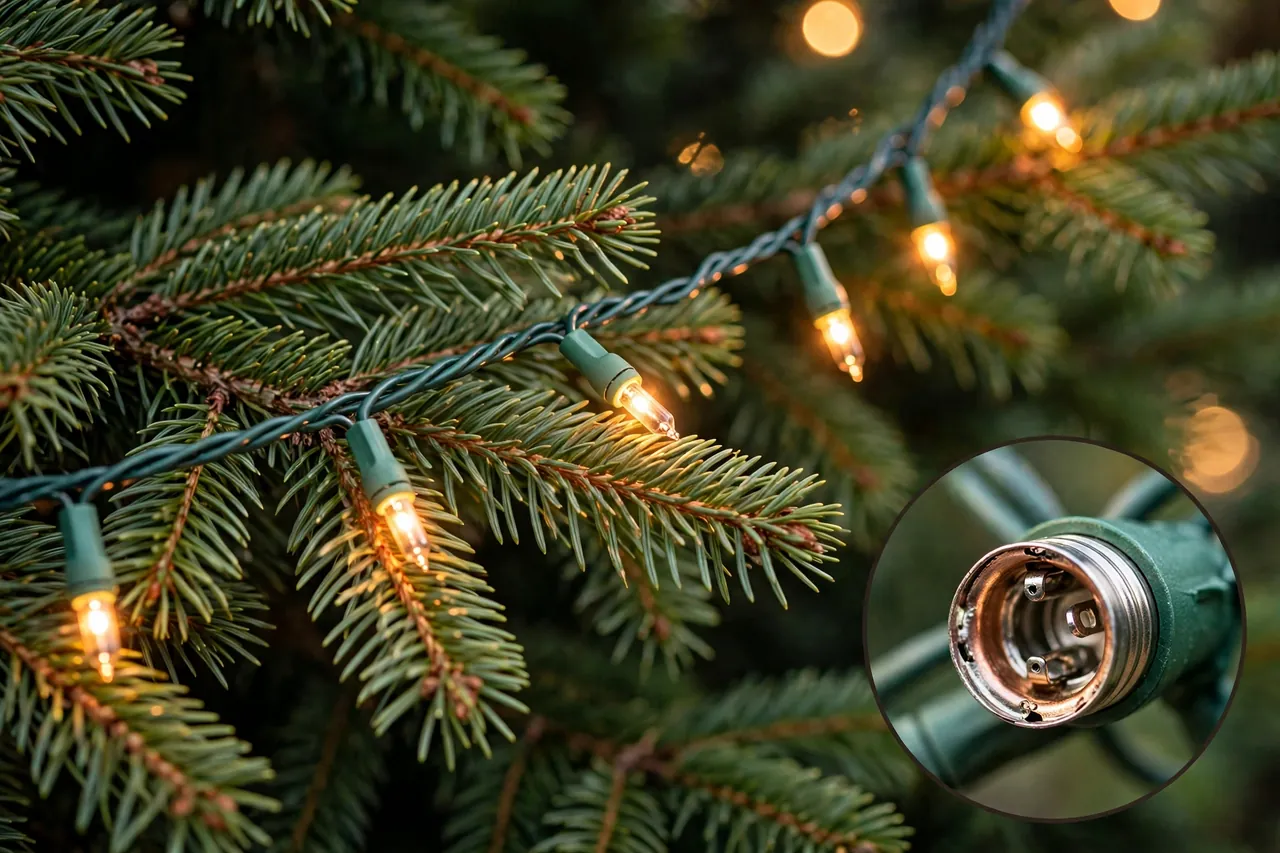
Lights make the tree glow, and they also cause a large share of tree fires when people use damaged sets or leave them running without care. Slow down for this step. A ten-minute light check beats a season of worry.
Caution: unplug every light set before you inspect, untangle, or hang it. Never inspect lights while they plug into an outlet, and never touch a damaged cord with wet hands.
Inspect every set before you use it, new or old. Look for frayed wires, cracked or broken sockets, loose connections, bare wire, and pinched cords. Throw away any damaged set. Do not tape over a frayed cord and hope it holds, because heat and movement can reopen the damage. Check the bulbs, too. Replace any broken bulb, and make sure bulbs do not press directly against dry needles or branches.
Use only lights that carry the label of a recognized testing laboratory, such as UL or ETL. That label tells you the set meets safety standards. Use indoor lights indoors and outdoor lights outdoors, and never swap them. Outdoor sets need weatherproof construction and a ground-fault circuit interrupter (GFCI) protected outlet, while indoor sets are not built for rain, snow, and cold.
Follow the manufacturer’s label for connecting light sets and for the safe use of extension cords. For a clear guide to that one question, see how many strands of Christmas lights you can connect. Do not overload an outlet or an extension cord, keep cords out of walkways, and never run a cord under a rug, where heat can build up unseen and damage can hide.
Turn off the tree lights before you go to bed and before you leave the house. The CPSC gives this rule plainly: lights can short and start a fire. Make it a habit, like locking the door.
Never use lit candles on a tree or near other evergreens. The NFPA safety sheet states this rule without exception. Battery-operated flameless candles give you the glow without the flame. Keep any real candle elsewhere at least three feet from the tree and curtains, and never leave it unattended.
For outdoor lighting ideas, see LED Christmas decor. Outdoor lights deserve the same inspection habit as indoor lights.
Keep Kids and Pets Safe Around the Tree
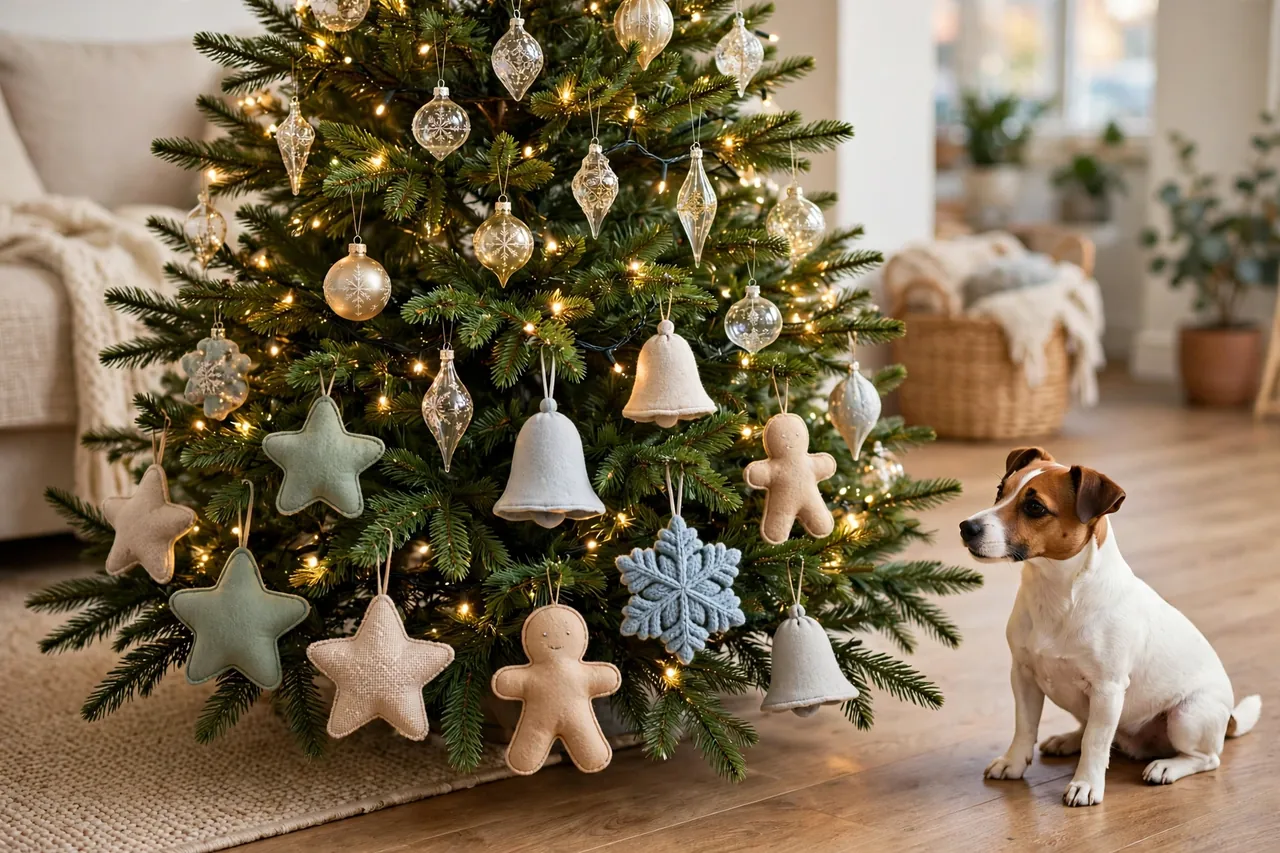
Children and pets love a Christmas tree for the same reasons you do: bright lights, shiny objects, and new smells. Your job is to keep that wonder safe. Small changes in how you decorate make a big difference.
Hang breakable ornaments high, and keep sturdy, soft ornaments low. The CPSC advises special care in homes with small children: avoid sharp or breakable decorations within reach, keep trimmings with small removable parts away from children who could swallow or choke on them, and avoid trimmings that look like candy or food, because a curious child may try to eat them. Place keepsake ornaments near the top, where little hands cannot reach them, and let children hang the unbreakable ones low.
Anchor the tree if a toddler or a large dog shares your home. A climbing child or a bumping dog can pull the whole tree down, and a discreet wall anchor adds real protection.
Watch cords, tinsel, and tree water. Pets chew cords, and a chewed cord can shock a pet and start a fire, so hide cords and check them for tooth marks. Skip tinsel if you have a cat or dog that eats shiny strands, because swallowed tinsel can injure a pet badly. Cover the stand water, because pets drink from open stands.
Teach children the tree rules early and kindly. Show them which ornaments they can touch, keep matches and lighters far from the tree, and model the habits yourself: lights off at bedtime, water checked each morning, candles kept away.
Know When to Take the Tree Down
Every real tree has a season, and safety, not the calendar, decides its end. The NFPA advises you to get rid of the tree after Christmas or when it is dry, and it warns that dried-out trees are a fire danger that you should never store in a garage or lean against the house. A tree that sheds needles heavily, shows brittle branches, or stops drinking has finished its safe life indoors, even if the holidays still feel close.
Watch for warning signs: needles fall in large amounts, branches snap instead of bending, and the tree looks dull, not green. Any one of these signs means you should take the tree down soon.
Remove every decoration, light, and hook before you move the tree. Carry it out carefully so dry needles do not scatter near heaters or fireplaces. Check with your local community for curbside pickup or a drop-off recycling program, because many towns chip old trees into mulch. Never burn a Christmas tree in a fireplace or wood stove. The sap and dry needles burn hot and fast, and they can cause a chimney fire or send sparks into the room.
Artificial trees need a careful pack-away, too. Unplug the lights, check them for damage as you coil them, and bring outdoor lights inside. Store tree and lights dry, away from heat, so next season starts with gear you can trust.
Christmas Tree Safety Checklist
Use this quick-reference table as your season checklist. Run through it when you set the tree up, once a week while it stands, and again when you take it down.
Christmas Tree Safety Checklist
| Check | What to Do | When |
|---|---|---|
| Freshness | Choose green, flexible needles that stay on the branch | At the lot |
| Fresh cut | Cut 1 to 2 inches straight across the trunk | Before it goes in the stand |
| Placement | Keep the tree at least 3 feet from heat and clear of exits | At setup |
| Water | Keep the stand full with plain water, checked daily | Every day |
| Lights | Inspect for damage, use tested sets, turn off at bedtime | At setup and daily |
| Candles | Never place lit candles on or near the tree | All season |
| Kids and pets | Breakables high, cords hidden, stand water covered | At setup |
| Take-down | Remove the tree when dry; recycle, never burn it indoors | When dry or after Christmas |
Keep this table on your phone. A checklist turns good intentions into a habit.
What to Do If Something Goes Wrong
Prevention comes first, but a plan comes second. Test your smoke alarms before the holidays, and replace batteries or alarms that fail the test. Make sure every bedroom and living area has a working alarm, and make sure everyone in the home knows two ways out of every room.
If a fire starts, get everyone out first and call emergency services from outside. Do not try to carry a burning tree out, and do not pour water on an electrical fire. Practice the escape plan once with children, so it feels familiar if you ever need it.
After any scare, inspect the tree, lights, and cords before you use them again. A scorched socket or melted plug belongs in the trash, not back on the tree. When in doubt, throw it out.
Christmas tree safety is not about fear. It is about care. A fresh tree, daily water, three feet of space, checked lights, and a prompt take-down give you a tree you can enjoy without worry. This guide shares general safety information only, and it does not replace advice from your local fire department or a qualified electrician. If you spot damaged wiring, a faulty outlet, or any fire risk you cannot fix safely yourself, call a professional and keep the tree lights off until they check it. Enjoy the glow, keep the habits, and have a safe, warm holiday season.
Related Guides
LED Christmas Decor: A Complete Guide to Bright, Efficient Holiday Lighting · Outdoor Lit Christmas Gifts: Light-Up Gift Boxes That Glow All Season · Why Do We Decorate a Tree at Christmas?
Frequently Asked Questions
How often should I water a real Christmas tree?
Check the water every day, and twice on the first day if you can. A fresh tree drinks heavily at first, so top the stand up daily and never let the water drop below the cut end of the trunk. Once the stand runs dry, the cut can seal, and the tree may stop drinking.
How far should a Christmas tree be from the fireplace?
Keep the tree at least three feet from the fireplace, and apply the same distance to radiators, space heaters, heat vents, and candles. Heat dries the tree faster, and a dry tree near a fireplace combines fuel with a heat source. Measure the gap, and keep it clear all season.
Should you put anything in Christmas tree water?
No. Plain tap water works best. Sugar, aspirin, soda, bleach, and commercial additives do not beat plain water in a stand you top up daily, and some can harm pets that drink from the stand. A fresh cut and daily plain water keep the tree fresher than any additive.
How long does a real Christmas tree last?
A well-watered, fresh-cut tree usually lasts about four weeks indoors, and Fraser fir and noble fir often last longer. The tree’s condition matters more than the calendar. When needles shed heavily, branches turn brittle, or the tree stops drinking, take it down, even if four weeks have not passed.
What do you do with a Christmas tree after Christmas?
Remove every decoration, light, and hook, then use your local curbside pickup or drop-off recycling program, where towns often chip trees into mulch. Never burn the tree in a fireplace, and never store a dry tree in the garage or against the house, because both create a serious fire risk.
Start with freshness, water daily, keep your distance from heat, and turn the lights off at bedtime. Those habits carry you through the whole season.