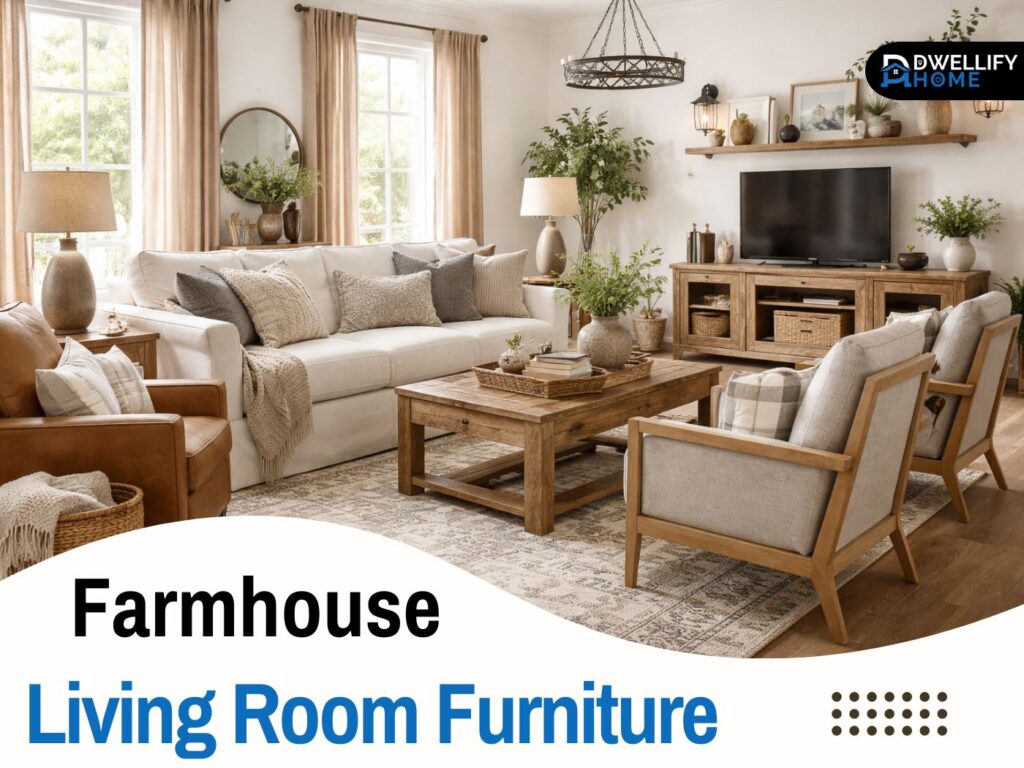
If you want a living room that feels cozy the moment you step in, farmhouse style is hard to beat. It’s welcoming, calm, and practical, and when it’s done right, it never feels like a trend. It just feels like home.
Here’s the thing: the best farmhouse rooms aren’t built from random “rustic” pieces. They’re built from comfortable furniture, honest materials, and a few smart choices that make everyday life easier. Think movie nights, kids on the floor, guests dropping in, and a sofa that still feels good after a long day.
In this guide, I’ll walk you through how I choose pieces for real homes, how to balance rustic and modern, and how to shop without regret. By the end, you’ll have a clear plan, not a shopping cart full of maybes.
Snippet-ready definition:
Farmhouse living room furniture blends cozy seating, natural wood, simple lines, and warm textures to create a relaxed, lived-in space. It’s practical, timeless, and easy to update with modern farmhouse accents.
Mission Statement:
At Dwellify Home, our mission is to help you create warm, livable spaces with practical design guidance, timeless style, and furniture choices that work in real daily life, not just in photos.
Farmhouse vs Modern Farmhouse Living Room Furniture (So You Pick the Right Look)
Farmhouse furniture is usually softer, warmer, and a little more traditional. You’ll see chunkier wood, relaxed upholstery, and details that feel time-tested. Modern farmhouse living room furniture keeps the same cozy backbone, but it looks cleaner and more edited. Fewer frills, straighter lines, and often a mix of light woods with black metal accents.
The easiest way to choose is to look at what you already have in your home. If your floors are warm oak, your doors are classic, and your space feels traditional, lean farmhouse. If your home has open layouts, simple trim, and a more minimal feel, modern farmhouse living room ideas will blend better.
The best part is you don’t have to pick one lane forever. Most of the living rooms I style end up being a mix, because a little modern keeps farmhouse from feeling heavy, and a little farmhouse keeps modern from feeling cold.
Quick Guide Table: What to Buy, What to Look For, What to Avoid
| Piece | Best Farmhouse Choice | Modern Farmhouse Twist | Quick “Don’t-Regret-It” Tip |
| Sofa/Sectional | Deep, comfy cushions, relaxed shape | Cleaner arms, tighter silhouette | Measure doorways and seat depth before buying |
| Accent Chairs | Wood frame or soft neutral upholstery | Swivel chair or slim profile | Two chairs feel balanced, but one is fine in small rooms |
| Coffee Table | Wood grain, sturdy build, rounded edges | Mixed wood + black metal | Leave 14–18 inches from sofa for easy reach |
| End Tables | Simple, solid, close to arm height | Nesting tables | Too small looks “off,” match the sofa’s scale |
| Media Console | Closed storage for cords and clutter | Minimal front, matte black pulls | Closed doors keep the room looking calm |
| Rug | Jute base or low-pile neutral | Layer jute + soft patterned rug | Front legs of seating should sit on the rug |
| Lighting | Warm bulbs + table lamps | Statement pendant, simple lines | Layer 3 light sources, not just overhead |
Step-by-step mini plan (simple and practical)
- Pick your lane: classic farmhouse or modern farmhouse (cleaner lines).
- Choose the anchor: sofa or sectional first, based on how your family actually lounges.
- Add balance: one or two accent chairs, not a full matching set unless you love that look.
- Ground the zone: rug first, then coffee table, then end tables.
- Hide the mess: pick storage that closes (media console, cabinets, baskets).
- Finish with warmth: lamps + soft textiles (throws, pillows), then a few calm accents.
The Core Furniture Pieces You Need First (In the Right Order)
When people feel stuck, it’s usually because they bought the “fun” items first. A cute chair, a trendy side table, a random console. Then the sofa comes last, and suddenly nothing works together.
My rule is simple: buy the big comfort pieces first, then build around them. It keeps the room balanced, and it protects your budget from impulse buys.
Seating First — Sofa or Sectional (Comfort + Scale + Fabric)
Your sofa is the anchor. In farmhouse spaces, I usually aim for a relaxed, roomy shape. Deep seats, comfortable cushions, and arms you can actually lean on. A slipcovered sofa can be a lifesaver in family homes because many covers are washable, and even when they aren’t, they’re easier to spot clean than you’d think.
If you’re choosing between a sofa and a sectional, look at how you live. If everyone piles into the same corner for TV, a sectional can be worth it. If you like to rearrange, entertain, or keep walkways open, a standard sofa with two accent chairs often feels more flexible.
A quick real-world tip from my projects: measure your doorways before you fall in love. I’ve seen gorgeous sofas get returned because they couldn’t make the turn into a hallway. Measure the entry, hall, and any tight corners. It’s boring, but it saves headaches.
Add 1–2 Accent Chairs (Balance + Function)
Accent chairs are where farmhouse rooms get personality without feeling messy. One chair can create a reading spot. Two chairs can balance a sofa and make conversation easier, especially in an open concept.
For farmhouse, I like chairs with simple shapes and honest materials, like a wood frame, a light neutral fabric, or a subtle pattern. In modern farmhouse spaces, a swivel chair can be a quiet upgrade because it’s practical and doesn’t shout for attention.
If you want a quick styling win, choose chairs that relate to the sofa, but don’t match exactly. Same color family, different texture. That’s how you get that collected, lived-in look.
Farmhouse Living Room Furniture Set vs Mixing Pieces
A farmhouse living room furniture set can make sense, especially if you want a fast start or you’re furnishing a new home. The main benefit is coordination. The scale and finishes are already matched, so you’re less likely to end up with a coffee table that looks tiny next to a deep sofa.
That said, sets can also create that “showroom” look if you buy everything at once and leave it there. In real homes, farmhouse looks best when it feels layered. Like the room grew over time, even if it didn’t.
Here’s how I decide with clients:
- If you’re busy, on a deadline, or you just want it done, a furniture set is a smart base.
- If you love character and don’t mind hunting a bit, mixing pieces will look more personal.
Modern farmhouse living room furniture sets can be a sweet spot because they usually keep lines cleaner. If you do go with a set, plan one or two pieces that break it up, like a vintage-style console or a different accent chair.
A simple rule that works almost every time: keep one consistent element across the room. It can be the wood tone, the metal finish, or the upholstery color. That one thread pulls everything together.
Tables and Storage That Make the Room Feel Farmhouse (Not Empty)
This is where rooms go from “we bought furniture” to “this feels like home.” Tables and storage pieces add rhythm, warmth, and function. They’re also the pieces that quietly carry farmhouse style.
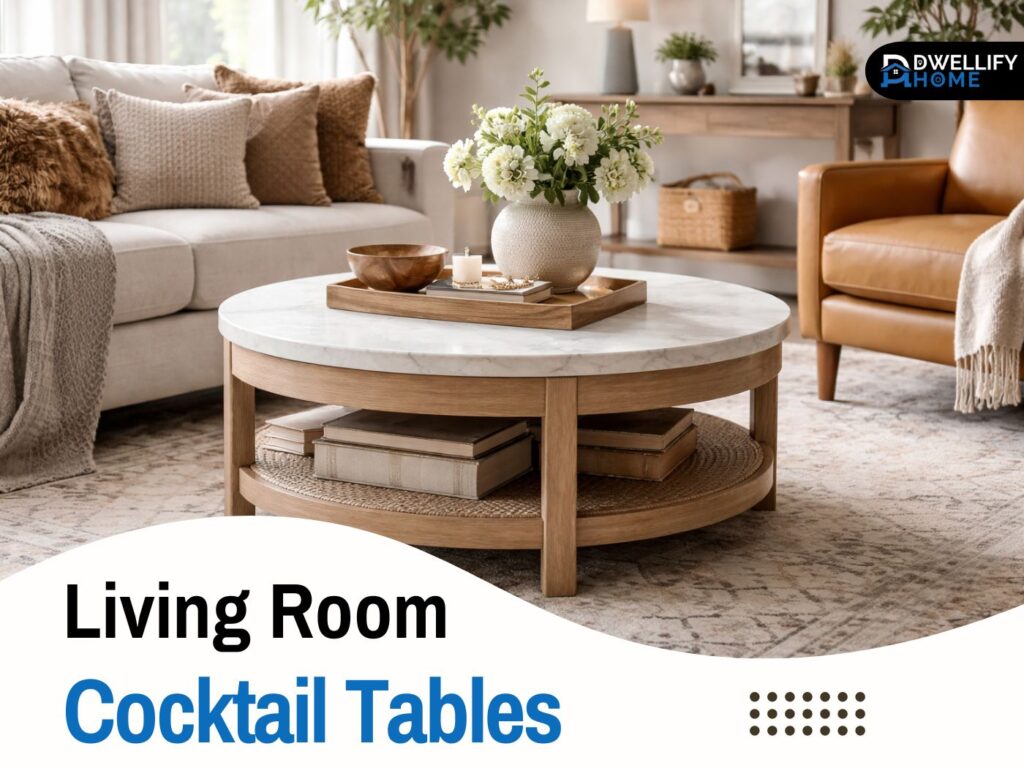
Coffee tables are the biggest player here. Reclaimed wood looks great, but you don’t have to buy true reclaimed to get the feel. Look for solid wood, rustic oak finishes, or textured grain. If you have kids, skip sharp corners and choose an oval or a rounded rectangle. It’s a small detail that makes daily life smoother.
End tables should match the scale of your seating. If your sofa arms are tall, tiny end tables look awkward. Try to keep the table surface close to the arm height, so a drink doesn’t feel like it’s balancing on a stool.
Now let’s talk storage. A TV stand or media console is often the visual center of the room, especially in homes where the television is a real part of life. Choose one with closed storage for cords, remotes, and the everyday clutter nobody wants on display. Open shelving is pretty, but closed doors make a living room feel calmer.
If you’re working with a blank wall, a console table behind the sofa is one of my favorite moves. It gives you a place for lamps, adds depth, and makes the room feel designed, not just arranged.
Materials, Finishes, and Wood Tones (How to Make It Look Real)
Farmhouse style is forgiving, but materials still matter. When people say a room looks fake or flat, it’s usually because everything is the same finish, or the materials are too glossy, too smooth, or too lightweight.
Wood is the heart of farmhouse, but it doesn’t have to match perfectly. In fact, perfect matching is what makes it look mass-produced. I like to mix woods that share the same undertone. Warm with warm, neutral with neutral. If you mix warm honey oak with a cold gray finish, it can feel disconnected.
Pay attention to the details you touch every day. Drawer slides, door hinges, and table stability tell you a lot about quality. A good console should feel solid when you open a drawer. A coffee table shouldn’t wobble when someone leans on it.
For metals, modern farmhouse often leans toward matte black hardware or black metal accents. Traditional farmhouse can lean softer, like aged bronze. Pick one main metal finish and repeat it in a few places, like lamp bases, cabinet pulls, and maybe a picture frame. That repetition makes the room feel intentional.
Color + Texture Formula for a Farmhouse Living Room
If you want farmhouse to feel calm, start with a neutral base. White and cream are classic. Beige, taupe, and soft gray can all work too. The goal isn’t to make the room bland. It’s to make it easy to live with, then add personality through texture.
Texture is what makes farmhouse feel cozy. Linen, cotton, wool blends, rattan, and woven baskets add warmth without relying on bright colors. Even a simple neutral sofa can look rich if you layer in a chunky knit throw and a few pillows with subtle patterns.
Rugs are a big deal in farmhouse rooms, because they ground the seating and add softness. A jute rug is a great base layer, especially in open concept homes. On top of that, you can add a softer patterned rug to make the room feel finished and comfortable underfoot.
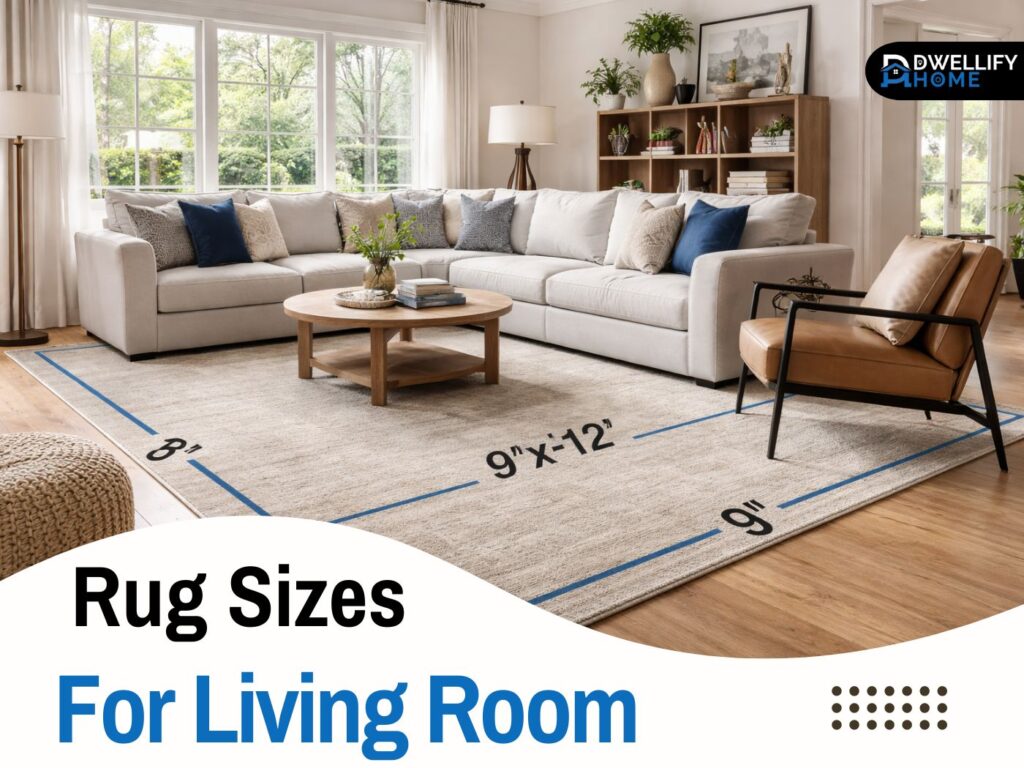
Here’s a practical rug tip: your rug should reach under the front legs of the sofa and chairs at minimum. If it’s floating in the middle like a tiny island, the room will feel smaller and less put together.
Layout and Spacing (Cozy Without Feeling Crowded)
A farmhouse living room should feel welcoming, not cramped. Most layout problems aren’t about the room being too small. They’re about the furniture being the wrong scale, or the spacing being off.
The Cozy Zone Setup (Fast Layout Framework)
I like to create what I call a cozy zone. It’s the area where people naturally sit, talk, and relax. Start with the sofa, place the rug to anchor it, then build the chairs and tables around that core.
Use these spacing guidelines as a quick check:
- Keep about 14 to 18 inches between the sofa and coffee table.
- Leave clear walkways, ideally 30 to 36 inches where people pass through.
- Avoid pushing everything to the walls. Floating the sofa a few inches can make the room feel more designed.
If you’re in an open concept, define the living area with the rug and lighting. A statement light or a pair of lamps can visually “close” the space so it feels like a room within a room.
Farmhouse Lighting That Instantly Upgrades the Room
Lighting can make farmhouse feel magical, or it can make it feel flat. The difference is usually layering. One overhead light isn’t enough. You want a mix, so the room feels warm at night and fresh in the daytime.
A pendant or chandelier can be a beautiful farmhouse statement, especially if it has simple lines, a little texture, or a subtle vintage feel. In modern farmhouse spaces, keep it clean and not too ornate.
Then add lamps. Table lamps and floor lamps create a softer glow that makes the room feel inviting. Choose warm bulbs, and don’t underestimate how much better the room feels when light comes from multiple spots instead of one harsh source.
A simple designer trick I use often: place a lamp on a console table behind the sofa. It adds height, balances the room, and makes evenings feel cozy without effort.
Decor Accents That Finish Farmhouse Style Without Overdoing It
Farmhouse decor should support the room, not steal the show. The goal is a space that feels lived-in and personal, not staged.
My favorite farmhouse accents are the ones that look like they belong in daily life. A large mirror that bounces light. A basket that actually holds blankets. A ceramic vase with greenery that doesn’t need constant attention.
If you have open shelving, keep it simple. Mix functional items with a few decorative pieces. Too many little objects can make the room feel busy fast. I tell clients to leave breathing room on shelves. Empty space isn’t wasted, it’s restful.
One honest warning: don’t overdo distressed finishes. A little weathered wood is charming. Too much can make the room feel like a set. If you want character, add it with one standout piece, not twenty small ones.
Where to Buy Farmhouse Living Room Furniture (Online, Outlet, and Near Me)
Shopping for farmhouse living room furniture for sale is easier than ever, but more options can also mean more confusion. The safest approach is to shop with a checklist, not just your eyes.
Online can be great for modern farmhouse living room furniture because many brands offer clear photos, dimensions, and reviews. Focus on:
- Seat depth and seat height for sofas
- Frame material and cushion fill
- Return policy and delivery details
- Fabric care instructions
For a farmhouse living room furniture outlet, you can sometimes get great deals, but inspect carefully. Check for wobble, drawer function, and uneven finishes. Ask about warranties and whether the piece is final sale.
If you prefer farmhouse living room furniture near me, local stores are great for comfort testing. Sit on the sofa for a few minutes. Lean back. Put your feet up. If it doesn’t feel good in the store, it won’t feel good at home.
Expert Buying Mistakes to Avoid (Save Money + Avoid Regret)
After years of furnishing real living rooms, these are the mistakes I see most often. The good news is they’re easy to avoid once you know what to watch for.
First, people underestimate scale. A sofa that’s too large can swallow a room. A coffee table that’s too small looks lost. Always match furniture to the room size and to each other.
Second, they buy style over comfort. That looks great in photos, but living rooms are for living. If the cushions are too firm or the seat is too shallow, you’ll stop using the space the way you want.
Third, they forget the boring basics. Doorway measurements, delivery access, and how the room flows day to day. A beautiful console that blocks a walkway will become annoying fast.
And finally, they go too matchy. A room that looks like a catalog doesn’t always feel warm. Mix in one or two pieces with character, and the space will feel more like you.
Farmhouse Living Room Furniture Ideas by Space and Lifestyle
Not every farmhouse living room is the same. A small apartment, an open concept family home, and a quiet cottage all need different choices. The style can stay consistent, but the strategy changes.
In small spaces, keep the furniture visually light. Sofas with raised legs, chairs with open arms, and slimmer profiles help the room breathe. Choose storage pieces that do double duty, like an ottoman with hidden storage.
In open concept homes, define the living area. A large rug, a well-placed console, and layered lighting help the space feel grounded. This is where modern farmhouse living room ideas really shine, because clean lines keep the whole space feeling calm.
If you have kids or pets, plan for it. Performance fabrics, washable slipcovers, and rounded edges make a big difference. I’ve had clients feel nervous about light upholstery, but with the right fabric, it’s surprisingly manageable.
FAQ: Farmhouse Living Room Furniture (Quick Answers)
1) How do I make my living room look farmhouse style?
Start with comfort-first seating, add natural wood, keep a neutral base, then layer texture (linen, cotton, jute, wool). Finish with warm lighting and a few vintage-style accents, not a pile of themed decor.
2) What is the 2/3 rule for furniture?
A common guideline is to size your main sofa so it takes up about two-thirds of the longest wall or main seating zone. It’s not a strict rule, but it helps rooms feel balanced instead of cramped or empty.
3) Is farmhouse decor still in style in 2025?
Yes, but it’s evolving. Designers have been moving away from “pre-packaged” farmhouse and leaning into natural woods, earthy tones, deeper colors, and more character.
4) What decor is replacing a farmhouse?
In many homes, farmhouse is being softened into modern cottage, moodier, richer color schemes, and more eclectic, collected looks that feel personal. You’ll also see more emphasis on natural wood and fewer overly themed elements.
5) What colors go best with modern farmhouse living room furniture?
The easiest combo is warm whites and creams with beige, taupe, soft gray, plus warm wood tones and small hits of matte black. Lately, deeper greens and other moody accents are also showing up in updated modern farmhouse spaces.
Conclusion: A Simple Farmhouse Living Room Furniture Checklist
If you remember one thing, let it be this: farmhouse style is about comfort and calm, not perfection. When the room feels easy to live in, it automatically looks better.
Start with your style direction, farmhouse or modern farmhouse. Choose the right sofa or sectional, then add one or two chairs that fit your lifestyle. Build in practical tables and storage, anchor everything with a rug, and layer your lighting so evenings feel warm.
Then finish with a few meaningful accents, not a pile of décor. That’s how farmhouse living room furniture ends up feeling timeless, cozy, and truly yours.
Disclaimer:
This article is for general home styling and educational purposes. Always measure your space, doorways, and delivery access before purchasing furniture, and follow manufacturer care instructions for materials, fabrics, and finishes.

I’m Bilal, the founder of Dwellify Home. With 6 years of practical experience in home remodeling, interior design, and décor consulting, I help people transform their spaces with simple, effective, and affordable ideas. I specialize in offering real-world tips, step-by-step guides, and product recommendations that make home improvement easier and more enjoyable. My mission is to empower homeowners and renters to create functional, beautiful spaces—one thoughtful update at a time.