A good sofa changes more than just the look of a room. It changes how the room gets used every day. In real homes, that matters more than any showroom setup. An L-shaped sofa works so well because it gives you a lot at once: more seating, a clearer layout, and a comfortable place to relax without needing several separate pieces.
The tricky part is getting the shape, size, and placement right. I’ve seen living rooms feel bigger with the right sectional, and I’ve also seen rooms feel blocked and heavy because the sofa was too deep, too bulky, or facing the wrong way. The ideas below will help you get the style right without losing comfort or function.
Snippet-Ready Definition:
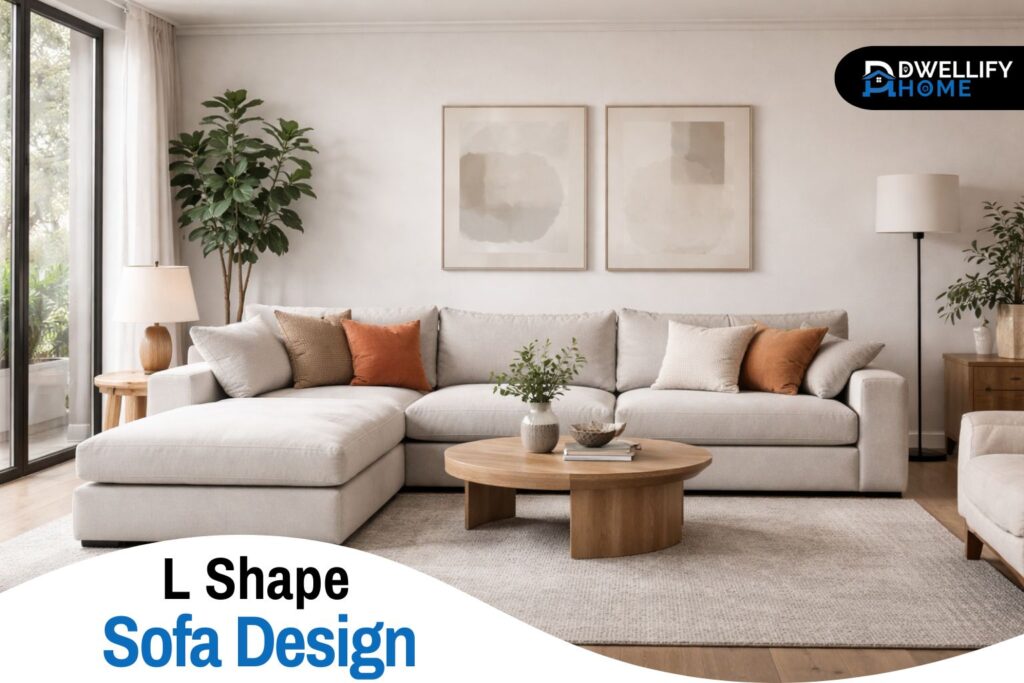
An l shape sofa design is a sectional couch arranged in an L formation, offering extended seating and efficient space use. Homeowners choose it to define living areas, maximize seating, and create a comfortable layout in modern living rooms.Mission Statement:
Dwellify Home helps homeowners make practical, stylish, and well-informed décor decisions through clear guidance, realistic design advice, and easy-to-follow home styling ideas.
Key Benefits of an L Shape Sofa Design
- Maximizes seating without adding multiple chairs
- Works well in both small apartments and large living rooms
- Helps define spaces in open-plan homes
- Creates a natural conversation and relaxation area
- Flexible layouts with chaise, modular, or recliner options
1. Modern minimalist L shape sofa design for clean, open living rooms
A minimalist sectional works best when the room already has enough natural light or a fairly open layout. Look for slim arms, low backs, simple legs, and fabrics in calm shades like beige, soft grey, taupe, or off-white. This style doesn’t fight for attention. It lets the room breathe.
It also tends to age well. A sofa with very trendy curves or loud detailing can date a room quickly, while a clean-lined l-shaped sectional sofa usually stays easy to style for years. Pair it with a plain rug, one solid coffee table, and a floor lamp rather than filling the space with lots of small accessories.
2. L shape sofa design with chaise for relaxed lounging
A chaise version is often the better choice when comfort matters more than squeezing in the maximum number of people. It gives one side of the sofa a more stretched-out, casual feel, which works especially well in homes where the living room is used for reading, watching TV, or afternoon naps.
This is also one of the easiest ways to make a room feel softer. A full corner sectional can sometimes look boxy. A sofa design with chaise feels lighter because one end stays more open. In medium rooms, that can make a noticeable difference. Just make sure the chaise side doesn’t cut into a walkway or block a window.
3. Small L shape sofa design that makes compact rooms feel bigger
In small spaces, scale matters more than style. A compact sectional with a shallow seat depth and visible legs will usually work better than an oversized one that sits flat on the floor. That little bit of visual space underneath the sofa helps the room feel less crowded.
Placement matters too. In apartments and tighter living rooms, the best move is often to tuck the sofa into a corner and keep the rest of the furniture light. A round coffee table, a smaller rug, and one side chair are usually enough. A small l shape sofa design should solve space problems, not create new ones.
4. Floating l-shaped sectional sofa for open-concept living rooms
Not every sofa needs to sit against a wall. In open-plan homes, floating the sofa a few feet into the room can help define the living area without adding dividers or extra furniture. It creates a clear zone for sitting while keeping the overall space open.
This works especially well between a living room and dining area. The back of the sofa becomes a soft boundary. You’ll want enough clearance behind it so people can move around comfortably. In most homes, tight traffic flow is what ruins this layout, not the sofa itself.
5. Corner placement that maximizes seating without wasting space
Corner placement remains popular for a reason. It uses space efficiently and gives the room an easy, grounded layout. In family homes, it often makes the most sense because it leaves the center of the room open and keeps seating gathered together.
A corner sofa design also helps awkward rooms feel more settled. In rooms with one clear focal point, such as a TV wall or fireplace, placing the sectional into the corner often gives you the cleanest arrangement. This is one of the safest choices when you want comfort, order, and no guesswork.
6. Medium L shaped couch layout for balanced everyday living
A medium l shaped couch is often the smartest option for an average living room. It gives enough seating for daily use without dominating the whole space. This is the size range I usually see work best in real homes because it leaves room for side tables, a decent rug, and proper walking space.
Oversized sectionals are a common mistake. People assume bigger means more comfortable, but once a sofa starts taking over every wall and walkway, the room loses balance. A medium-size layout usually feels better because you can still move around it easily and style the room properly.
7. L shape sofa design sofa set with a styled coffee table and rug
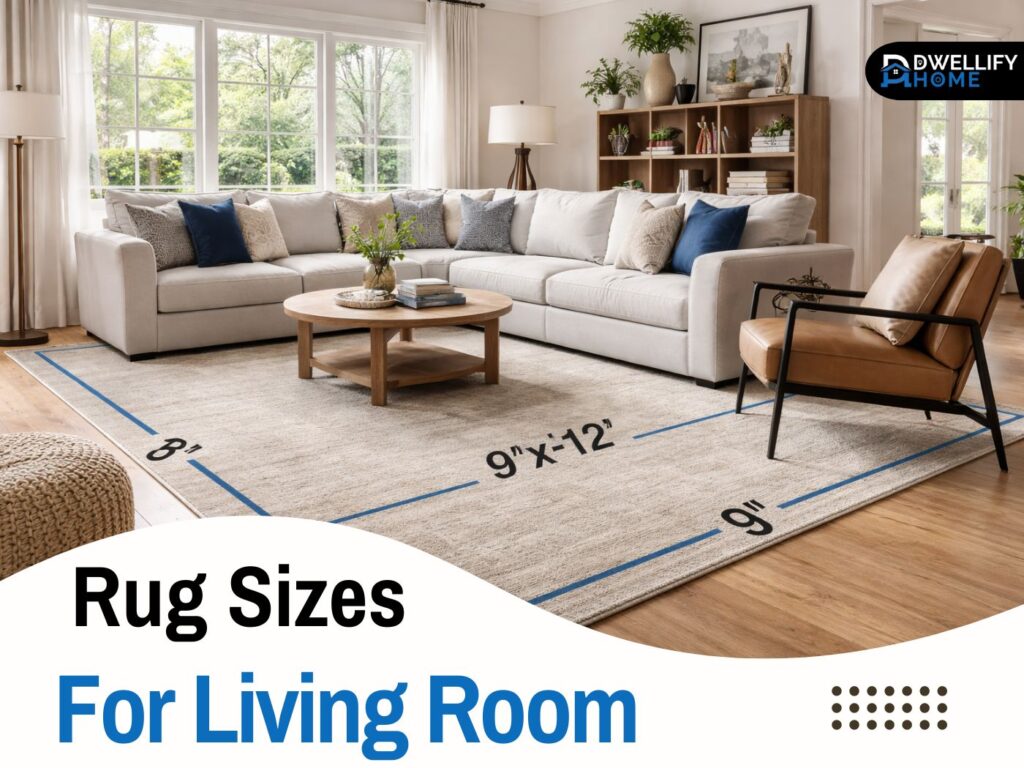
A sectional looks unfinished when it isn’t anchored. The easiest way to fix that is with the right rug and coffee table. For most layouts, the front legs of the sofa should sit on the rug, or at least touch its edge visually. A rug that’s too small makes the whole seating area feel disconnected.
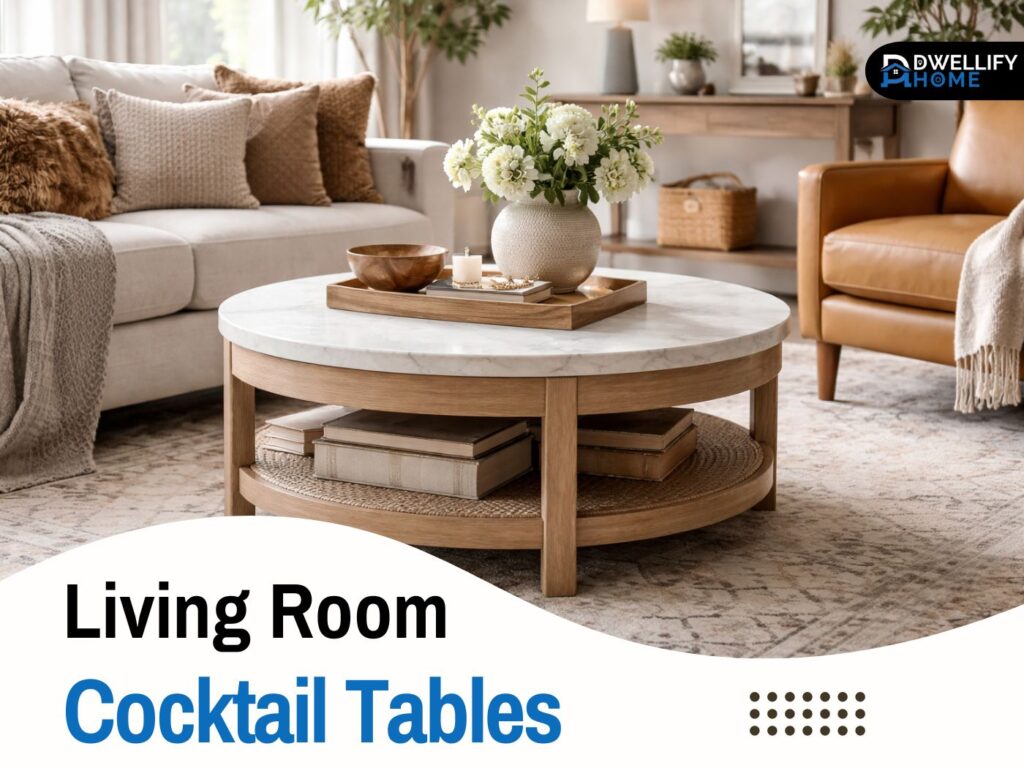
Coffee table shape matters more than people think. With an L shape sofa design sofa set, round or oval tables often work best because they soften the angular lines and improve movement around the sofa. In tighter rooms, that small change can make the layout feel much easier to live with.
8. Bold or textured sofa designs that become the room’s focal point
Not every sectional needs to blend in. A rich olive tone, warm brown leather, soft boucle, or textured woven fabric can turn the sofa into the strongest design element in the room. This works well when the rest of the room is fairly simple and you want one piece to carry the visual weight.
The key is restraint around it. Once the sofa has texture or color, keep the surrounding pieces quieter. Too many competing shapes, patterns, or finishes can make the room feel busy. One strong sofa, one grounded rug, and a few thoughtful accents usually look better than a room trying to do too much.
9. L-shaped sectional with recliner for comfort-focused homes
Recliner sectionals can be practical, especially in TV rooms and family spaces, but they need a bit more care from a design point of view. They tend to look bulkier, so choose one with cleaner lines and avoid very overstuffed arms if you want the room to feel current.
This is one case where measuring is essential. A l-shaped sectional with recliner needs more clearance in front and around the extended seats. Without that, the room starts feeling cramped quickly. They work best in rooms where comfort is the top priority and the layout still leaves enough open floor around the sofa.
10. L-shaped sectional 6 seater for family living rooms
A larger sectional makes sense when the living room is the main gathering space in the home. A l-shaped sectional 6 seater can replace the need for extra chairs and make it easier for family or guests to sit together comfortably. It’s especially useful in homes where entertaining happens casually and often.
Still, size alone doesn’t guarantee a better room. Larger sectionals need stronger layout support. That usually means a bigger rug, a wider coffee table, and enough space so the seating doesn’t feel pushed edge to edge. In smaller homes, a six-seater often looks better in an open-plan room than in a boxed-in lounge.
11. Modular or IKEA-style L shaped couch for flexible layouts
Modular sectionals have become popular because they solve a real problem: homes change. People move, families grow, and room layouts get adjusted. A modular or l shaped couch IKEA style setup gives you the option to rework the arrangement later without replacing the whole sofa.
That flexibility is especially useful in rentals or multi-use living rooms. You can separate sections, switch the chaise side, or adapt the layout when the room changes. It’s one of the more practical choices for people who want comfort now without locking themselves into one fixed arrangement forever.
12. L shape sofa design for zoning living and dining areas
One of the best uses of an L-shaped sofa is zoning. In open homes, it can create a clear living area without walls, screens, or bulky storage pieces. The shape itself tells the eye where the sitting area begins and ends.
This works best when the sofa lines up with the rest of the room rather than cutting across it awkwardly. Try to keep the open side facing the natural path through the space. That way, the room still feels connected. Good zoning should guide movement, not interrupt it.
How to pick the right size and orientation for your room
Before choosing a sectional, figure out the room size honestly. Small rooms usually need lighter frames and less seat depth. Medium rooms can handle a fuller profile, while large living rooms can take a deeper, more substantial piece without feeling crowded.
Orientation is just as important. Left-facing and right-facing sectionals sound confusing until you picture yourself standing in front of the sofa and looking at it. Get this wrong, and even a beautiful sofa will make the layout awkward. Always check where the chaise or longer side lands in relation to windows, doors, and walkways.
How to style the area around an L-shaped sectional sofa
The best styling around a sectional is usually simple. Start with a rug large enough to connect the seating area. Then choose a coffee table that leaves enough legroom and walking space. Add a side table only where it’s useful, not just because it fills a corner.
Accent chairs can work, but only if the room has space for them. In many homes, one chair is enough. Lighting also helps a sectional look intentional. A floor lamp near the corner or a table lamp beside the shorter side makes the seating zone feel finished without adding clutter.
Expert layout tips most homeowners miss
The easiest way to make a sofa look more expensive is not by spending more. It’s by keeping the layout calm. Leave enough space around it, use a rug that fits properly, and don’t crowd it with too many cushions in different colors and sizes. Bigger, simpler choices usually look more considered.
The most common mistakes are easy to spot once you know them: a sectional that’s too large, blocked walkways, a rug that looks undersized, or a recliner model squeezed into the wrong room. Most of these problems come from choosing the sofa first and planning the room second. It works better the other way around.
FAQs
What is the best layout for an L-shaped sofa?
The best layout usually places the sectional against a wall or in a corner to keep walkways clear. In open-plan rooms, floating the sofa slightly away from the wall can help define the living area.
What is the 2 2 1 rule for sofas?
The 2 2 1 rule refers to a seating arrangement with two sofas and one accent chair. It creates balanced seating while keeping the layout open and easy for conversation.
What is the 2/3 rule for couches?
The 2/3 rule suggests that a sofa should be about two-thirds the length of the wall or the furniture piece behind it. This helps maintain visual balance and prevents the room from feeling crowded.
What are those L-shaped couches called?
They are usually called sectional sofas or L-shaped sectionals. Some versions include a chaise, modular pieces, or reclining sections depending on the design.
Is an L-shaped sofa good for small living rooms?
Yes. A compact sectional can actually save space because it combines multiple seating positions into one piece. Choosing a smaller design with slim arms keeps the room feeling open.
Conclusion
The best l shape sofa design is the one that fits the room you actually have and the way you really live. Some homes need a compact sectional tucked neatly into a corner. Others need a chaise for lounging, a modular layout for flexibility, or a larger seating setup for family use.
A sofa should make the room easier to use, not harder to manage. Once the size, placement, and styling are working together, the whole living room starts to feel more settled. That’s usually the difference between a sectional that merely fills space and one that genuinely improves it.
Disclaimer:
The information provided is for general home design guidance and inspiration. Furniture choices and layouts may vary depending on room size, personal style, and individual household needs.

I’m Bilal, the founder of Dwellify Home. With 6 years of practical experience in home remodeling, interior design, and décor consulting, I help people transform their spaces with simple, effective, and affordable ideas. I specialize in offering real-world tips, step-by-step guides, and product recommendations that make home improvement easier and more enjoyable. My mission is to empower homeowners and renters to create functional, beautiful spaces—one thoughtful update at a time.