A good sofa is the piece you live on. It’s where you sit with tea, take a quick nap, binge a show, or host friends without thinking twice. In my design work, I’ve found that a mid mod sofa often earns its place because it looks clean and intentional, but it still feels relaxed and livable.
What I like about this style is how flexible it is. You can place it in a small apartment, an open-concept family room, or a cozy reading corner and it doesn’t fight the rest of your space. In this guide, I’ll walk you through what defines the look, how to pick the right size and materials, what quality actually looks like, and how to style it so it feels warm instead of staged.
Snippet-ready definition:
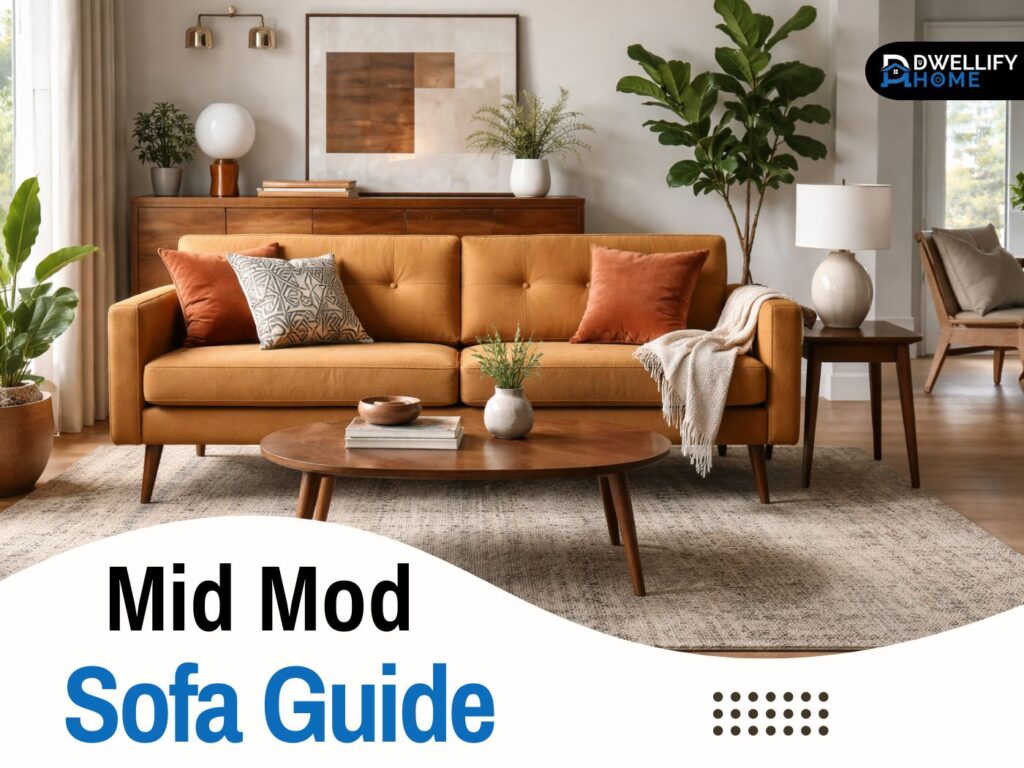
A mid mod sofa is a mid-century modern style couch with clean lines, tapered wood legs, and a low profile. People love it because it looks timeless, fits many spaces, and pairs easily with modern décor.
Mission Statement:
At Dwellify Home, our mission is to make stylish living feel doable, with clear, experience-backed advice that helps you choose furniture that fits your space, your life, and your budget.
What is a mid mod sofa (mid-century modern), really?
Mid-century modern sofas were shaped by a design mindset that valued function, comfort, and simple beauty. The forms are usually low and grounded, with tidy lines and purposeful details. You’ll notice frames that feel light, arms that don’t look bulky, and legs that lift the piece off the floor so the room feels more open.
A quick reality check from the showroom floor: many brands use “mid-century” as a label even when the proportions don’t match the style. The true look is about balance. The sofa should feel streamlined, not oversized. It should look composed from every angle, not just straight-on.
Quick history in 60 seconds (1950s and 60s roots, why it’s timeless)
The style grew in the 1950s and 60s when homes were shifting toward casual living rooms and open, airy layouts. Designers leaned into natural wood tones, practical shapes, and furniture that could work in everyday life without being fussy. That’s why it still feels current. It doesn’t rely on trends, it relies on good proportions.
When I’m designing a room for a client who wants something that won’t feel dated in two years, I often start with a mid-century modern sofa silhouette and build around it. It acts like a calm anchor.
Quick Guide Table (comparison)
| What you’re deciding | Best pick | Why it works |
| Small room / apartment | Apartment sofa or loveseat | Keeps the space open with a lighter footprint |
| Family hangout / open layout | Mid-century modern sectional sofa | Seats more people and helps define zones |
| Easy cleaning | Performance fabric | Handles spills and everyday wear better |
| Classic, long-term look | Mid century modern couch leather | Ages with patina and stays stylish for years |
| Tight budget | Mid century modern couch IKEA style | Good silhouette for less, easy to style up |
| Vintage lover | Vintage mid mod sofa | Unique character, often great proportions |
Quick checklist (buying in 2 minutes)
- Measure the wall and entry path (doors, stairs, turns)
- Use the 2/3 rule as a starting point for sofa length
- Pick seat depth based on how you sit (upright vs lounging)
- Check build quality: sturdy frame, stable legs, supportive cushions
- Choose upholstery for your lifestyle (pets, kids, spills, sunlight)
- Confirm return policy and delivery details before ordering
Key features of mid-mod sofas (how to spot the real look)
If you want the style to read instantly, pay attention to the overall outline before you get distracted by color or fabric. A true mid-century modern couch usually has a low profile, a neat back, and arms that are simple and structured. It should look intentional, like every line has a purpose.
Here are the details I check first, especially when I’m sourcing pieces for clients who want the look without wasting money on something that won’t hold up.
- Clean, minimal silhouette with a low back or low frame
- Tapered or angled wood legs, often walnut, oak, or a warm stain
- Tufted back cushions or a smooth, tailored back
- Bench seat cushions or tight, uncluttered seating
- A slightly “floating” feel because the sofa sits up on legs, not a heavy base
One more tip from experience: look at the sofa from the side. If the arms flare awkwardly, the back looks tall and puffy, or the legs are tiny and hidden, it may not deliver the classic mid-century shape even if it’s marketed that way.
Mid mod sofa types (pick the shape that fits your room)
The nice thing about this style is that it comes in several formats, and you don’t have to force a single “classic” shape into every home. The right choice depends on how you actually use the room.
A standard three-seater is the most common option, and it works well in most living rooms. If your space is tighter, an apartment sofa or loveseat can give you the look without swallowing the room. In city apartments, I often choose a slimmer profile with raised legs because it keeps the floor visible and makes everything feel less cramped.
If lounging is your priority, a sofa with a chaise can be a smart compromise. It gives you that “feet up” comfort, but you still get the tailored silhouette. Sleeper versions exist too, but I always check the mattress mechanism and the seat comfort first. Some sleepers look great but feel stiff for everyday sitting.
For larger spaces, a mid century modern sectional sofa can be a practical choice, especially in open-concept rooms where you need the seating to define zones. Just make sure the sectional still has that lifted, leggy look. Heavy, overstuffed sectionals tend to drift away from mid-century style.
Sectional vs sofa: the quick decision rule
I use a simple rule when helping clients decide. If you host often, have a family that gathers in one room, or need clear separation between living and dining areas, a sectional can work well. If your room is narrow, has multiple doorways, or you want the flexibility to rearrange, a sofa plus one or two chairs usually ages better.
Also think about traffic flow. If people need to walk through the room, a big L-shape can accidentally create a hallway feeling.
Size and layout that actually looks right (including the 2/3 rule)
Most sofa mistakes are not about style, they’re about scale. Even a beautiful piece can look wrong if it’s too long for the wall, too deep for the room, or too bulky for the furniture around it.
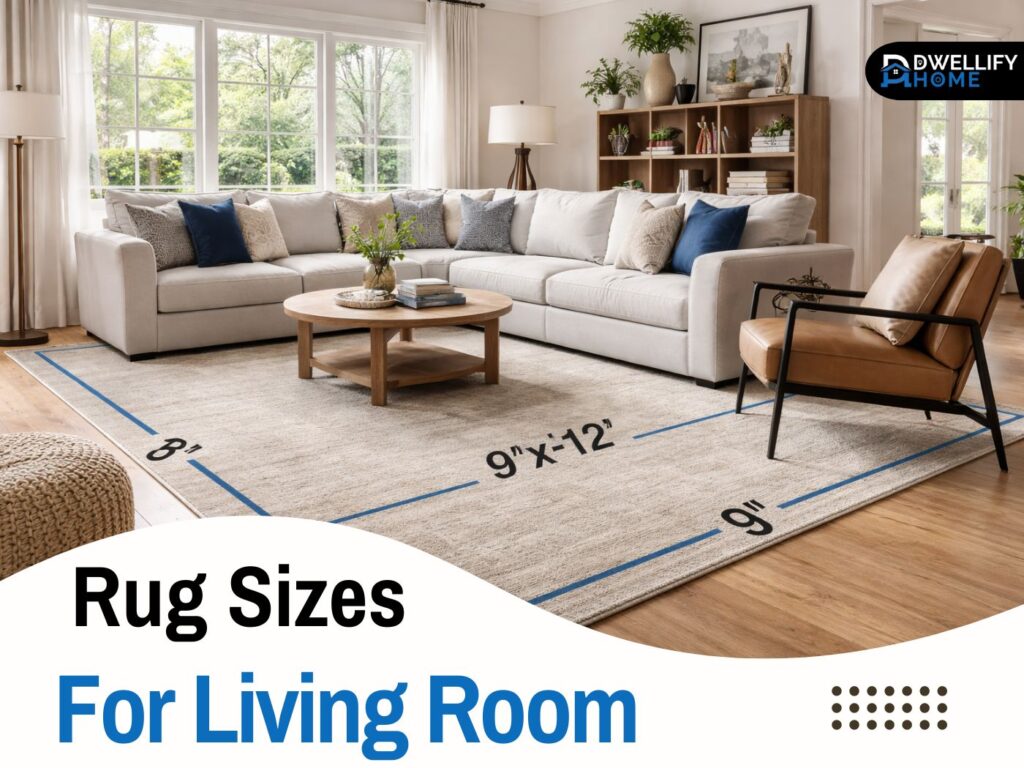
A helpful guideline is the 2/3 rule. In plain terms, your sofa should take up about two-thirds of the wall it sits against, or two-thirds of the main visual anchor like a rug or console. It’s not a strict law, but it’s a good starting point for balanced proportions.
The 2/3 rule (simple version plus when to break it)
If your sofa is much longer than two-thirds of the wall, it can feel jammed in. If it’s much shorter, it can look like it’s floating without purpose. I break the rule when there’s a large window, a fireplace off-center, or an open-concept layout where the sofa is not meant to hug a single wall.
In those rooms, I focus on how the sofa relates to the rug and coffee table instead. That combination is what the eye reads as “the seating area.”
Measure like a pro (avoid delivery-day disasters)
Before you buy, measure three things, and do it once with a tape, not a guess.
- The wall width where the sofa will live
- The rug size you plan to use, or the rug you already own
- Your entry path: doorways, stair turns, elevators, tight hallway corners
Inside the room, keep these spacing targets in mind:
- Leave enough space to walk around the coffee table comfortably
- Make sure doors can open fully without hitting the arms
- In small rooms, a sofa with raised legs can make a big difference visually
If you’re choosing a deeper seat for lounging, also check that you’ll still have enough space between the sofa edge and the coffee table. Deep seats are cozy, but they need breathing room.
Comfort matters (mid-mod style without the looks-only problem)
Some mid-century designs are beautiful but not designed for how we actually sit today. A low back and firm seat can look correct, but if you end up stacking pillows just to relax, it’s not the right fit for your life.
Seat depth is the comfort detail that changes everything. If you’re shorter, a very deep seat can make you perch rather than settle in. If you’re taller, a shallow seat can feel like you’re sliding off the edge. In client homes, I often choose a medium depth and then use cushions to fine-tune comfort, instead of buying a sofa that forces everyone into one posture.
Bench seats are another common mid-century feature. They can look sleek and uncluttered, which is great. The tradeoff is that they sometimes show wear in the center more quickly, especially if the cushion is one long piece. Separate cushions can be easier to rotate and maintain, but they may interrupt that clean look. Neither is wrong, it’s about your priorities.
Materials and upholstery (fabric vs leather plus what’s best for your lifestyle)
Upholstery is where style meets reality. I always ask clients a few simple questions first: Do you eat on the sofa? Do you have pets? Do you like to lounge in shorts in summer? Do you want the sofa to look crisp, or soft and relaxed?
For fabric, textured weaves often look the most authentic with mid-century silhouettes. Linen blends, tweed-like textures, and tight weaves can feel warm without looking busy. If you want something that holds up well to everyday life, performance fabric is worth considering. It’s often easier to clean and less prone to staining.
If you’re drawn to a mid century modern couch leather option, it can be a great long-term choice when it’s good quality. Leather tends to age with a patina, meaning it develops character rather than looking worn out. The key is choosing the right type. Top-grain leather usually performs better than thin, corrected surfaces. Faux or vegan leather can look good at first, but it may crack or peel over time depending on quality.
Trend materials that still look classic (not trendy-fast)
Velvet can look beautiful on a mid-century frame because the shape is so clean. It adds depth without changing the silhouette. Bouclé is cozy and current, but I recommend it more for low-traffic homes because it can snag with pets. Corduroy is having a moment too, and it fits mid-century style surprisingly well because it echoes vintage texture without feeling overly formal.
Whatever you choose, get swatches if possible. In real homes, lighting changes everything, and a fabric that looks perfect online can feel too shiny, too warm, or too flat once it’s in your room.
Build quality checklist (the buy-it-once mid-mod sofa standard)
This is where experience matters, because you can’t always see quality in a product photo. When I’m evaluating a piece, I focus on the parts you won’t notice until year three.
Start with the frame. A kiln-dried hardwood frame is a strong sign of durability. Softer woods can still work, but they’re more likely to loosen over time. Then check the joinery. Screws and staples alone aren’t ideal. Strong joinery, corner blocks, and a solid feel when you lift one side of the sofa are better indicators.
Support systems matter too. Many well-made sofas use sinuous springs, which can feel supportive and consistent when done right. Webbing can be fine, but it varies widely in quality. Cushion fill is where comfort meets longevity. High-density foam holds shape longer, while feather blends can feel softer but need more fluffing.
A quick in-person test I use: sit on the sofa and stand up. If you feel the frame shift or hear creaks, it’s a sign the structure may loosen. Also check the legs and hardware. Mid-century legs should feel stable, not wobbly. Since the look depends on that lifted base, weak legs can ruin both safety and style.
Mid mod sofa price guide (what you pay for)
The mid mod sofa price range can vary a lot, and the reason is usually construction, materials, and details, not just the name on the tag. Entry-level options often use simpler frames, thinner cushions, and upholstery that may not age as well. Mid-range pieces tend to improve on cushion quality, fabric durability, and overall stability.
Higher-priced pieces often include better frames, stronger joinery, higher-quality leather, or customization options like fabric choices and leg finishes. You also pay for consistency, which matters more than people think. A well-made sofa feels the same in every seat, doesn’t sag in one spot, and stays comfortable after daily use.
If you’re looking for value, focus on the parts that affect longevity. A better frame and cushions usually matter more than a trend fabric. Also consider policies. A clear return option, reliable delivery, and the ability to order fabric samples can save you money and stress.
Vintage mid-mod sofas: how to buy smart (not risky)
A vintage mid mod sofa can be a joy to own, but it’s not a casual purchase. I’ve sourced vintage pieces that looked charming in photos and arrived with a frame that had been repaired three times and cushions that smelled like decades of smoke. It’s worth being picky.
When you see a vintage mid century modern sofa listing, check for authenticity clues first. Maker marks, labels, and construction details can hint at quality. Look at the legs and proportions. Many authentic pieces have elegant leg angles and a lighter footprint than modern replicas. Then ask about condition in a very practical way.
If you’re considering a vintage mid century couch for sale, request clear photos of the underside, the joints, the legs, and any sagging. Ask whether springs are intact, whether the frame is solid, and whether there’s been reupholstery. Reupholstery can be a good thing when done well, but it can also hide issues.
Reupholstery is worth it when the frame is strong and the proportions are special. It’s not worth it when the frame is weak, the seat is uncomfortable, or the scale doesn’t fit your space. I always budget for the real costs. Fabric, foam, labor, and any frame repair add up quickly.
Safety and hygiene basics when buying secondhand
Secondhand shopping needs a quick safety routine. Check for odors that won’t easily lift, signs of pests, and foam that’s breaking down into dust. If the sofa has been stored in damp areas, it may carry mildew smells that are hard to remove. If you can’t inspect in person, only buy from sources with clear return terms.
Where to buy a mid-mod sofa (new, budget, and reliable options)
Buying new is often simpler, but the trick is knowing what to prioritize. Many retailers offer mid-century inspired pieces that look good, yet the comfort or durability can vary. Focus on dimensions, materials, and real customer photos. A sofa can look sleek in a studio shot but feel oversized in a normal room.
If you’re browsing a mid mod sofa for sale online, confirm these basics before checkout: full seat depth, seat height, cushion fill, frame material, and leg finish. Delivery details matter too. A sofa that arrives damaged, or can’t fit through your door, becomes an expensive headache.
For budget-friendly routes, a mid century modern couch IKEA option can work nicely if you choose carefully. The goal is to capture the silhouette. Look for raised legs, clean arms, and a shape that feels light rather than bulky. Then elevate it with styling. A good rug, a warm wood table, and a few thoughtful accents can make a budget sofa feel much more intentional.
Mid century modern couch IKEA: how to get the look the right way
Here’s what I prioritize when I’m helping clients get the mid-century vibe on a tighter budget:
- Choose a sofa with visible legs and a tidy frame
- Avoid overly puffy backs and giant rolled arms
- Pair it with a wood coffee table in a warm finish
- Add texture with a rug and one accent chair rather than piling on pillows
Small upgrades, like swapping throw pillow covers to a textured weave, can shift the look quickly without spending much.
Styling a mid mod sofa so it looks intentional (not themed)
Styling is where the sofa becomes part of a room instead of looking like it was dropped in. Mid-century spaces usually feel balanced and uncluttered, but not cold. The goal is warm simplicity.
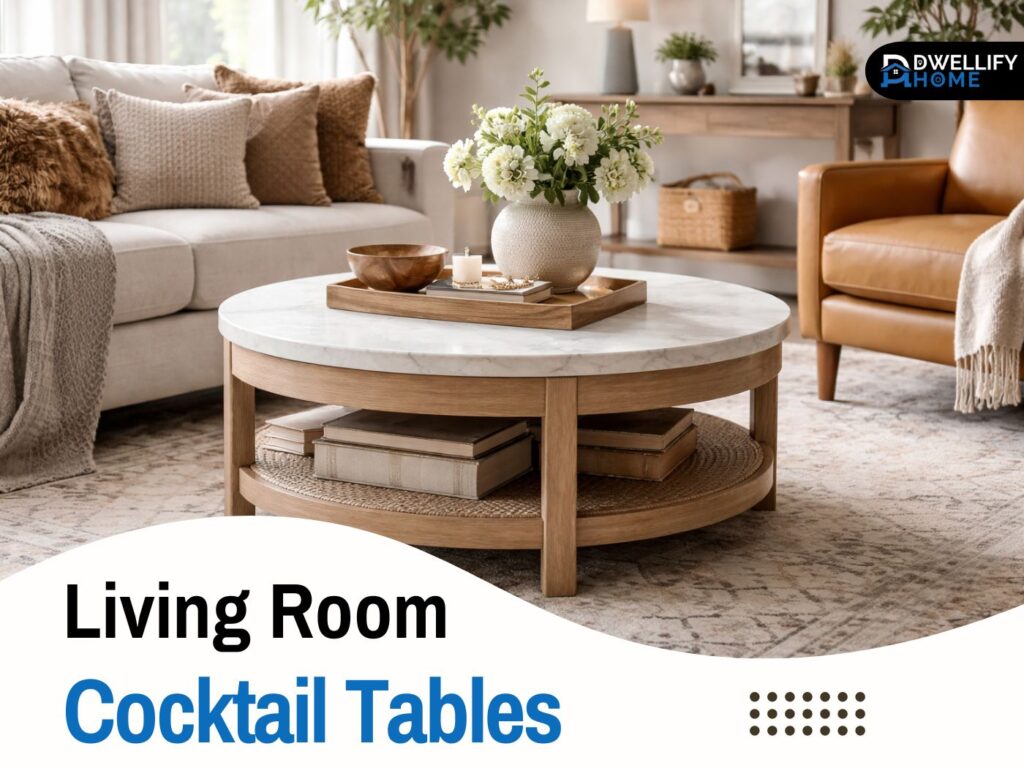
Start with the anchor pieces. A mid-century coffee table with clean lines, a geometric or subtly patterned rug, and lighting that feels sculptural tend to work well. If your sofa is neutral, you can bring in color with one or two accents, like a mustard throw, an olive pillow, or art with warm tones. If your sofa is already bold, keep the rest quieter and let the piece breathe.
For small spaces, lean into the sofa’s lifted base. Keep the area around it airy, avoid oversized side tables, and pick a rug that’s large enough to ground the seating. In open-concept rooms, use the sofa to define the living zone. Place it so the back creates a boundary, then add a console table behind it if you need extra function without clutter.
Common buying mistakes (and how to avoid them)
I see the same issues again and again, even with thoughtful buyers. The good news is they’re easy to avoid once you know what to watch for.
- Choosing the look and ignoring seat depth and support
- Buying too large for the wall and crowding the room
- Skipping the entry measurements and getting stuck on delivery day
- Falling for “mid-century” marketing when the proportions are off
- Not ordering swatches and ending up with a color that clashes
- Buying vintage without budgeting for cleaning or restoration
A simple habit helps: write down your non-negotiables before you shop. Comfort, size limits, and material needs should come first. Style should fit inside those boundaries.
Quick FAQs (short, high-intent)
What defines a mid-century modern sofa?
Clean lines, a low profile, tapered legs, and a functional design that feels light and balanced in the room.
Are these sofas comfortable for everyday use?
Yes, if you choose the right seat depth and cushion quality. Some designs are firm by nature, so comfort depends on the specific build.
What upholstery works best for kids or pets?
Performance fabric and tight weaves tend to be easier to maintain. Lighter, delicate textures can show wear faster in busy homes.
Is leather or fabric easier to maintain?
Leather wipes clean and ages with patina, but it can scratch. Fabric hides scratches but may stain. The best choice depends on your household habits.
How do I pick the right size?
Use the 2/3 rule as a starting point, then confirm with rug size, coffee table spacing, and your entry path measurements.
Should I buy vintage or a reproduction?
Vintage can be special if the frame is solid and the proportions are right. Reproductions are often easier and more predictable for comfort and maintenance.
Is a sectional worth it in this style?
It can be, especially for open layouts and larger families. Just choose one that keeps the raised-leg, lighter visual footprint.
Conclusion: Choosing the right mid mod sofa (simple final checklist)
If you take one thing from my years of specifying and styling these pieces, let it be this: the best sofa choice is the one that fits your room and your habits, not just your mood board. A mid mod sofa works when the silhouette is clean, the scale feels balanced, and the build quality supports real life.
Before you commit, do a quick final check. Does the size suit your wall and rug? Does the seat depth match how you sit? Are the frame and cushions built to last? Does the upholstery fit your lifestyle, whether that means performance fabric, linen texture, or a mid century modern couch leather finish?
Once those boxes are checked, styling becomes the fun part. Keep it simple, add warm wood tones, a rug that grounds the seating, and lighting that feels thoughtful. The room will look pulled together, and the sofa will feel like it belongs there for a long time.
Disclaimer:
This guide shares general design and shopping advice based on professional experience. Product quality, pricing, and availability can vary by seller, so always confirm materials, dimensions, warranties, and return policies before purchasing.

I’m Bilal Hassan, the founder of Dwellify Home. With 6 years of practical experience in home remodeling, interior design, and décor consulting, I help people transform their spaces with simple, effective, and affordable ideas. I specialize in offering real-world tips, step-by-step guides, and product recommendations that make home improvement easier and more enjoyable. My mission is to empower homeowners and renters to create functional, beautiful spaces—one thoughtful update at a time.