
A good couch does more than fill a wall. It sets the tone for how your living room feels and how you actually live in it. After years of sourcing and styling mid-century pieces, I’ve learned that the best results come from a mix of clean design and honest construction, not just a pretty photo.
In this guide, I’ll walk you through what makes a mid-century style sofa feel right, how to judge quality quickly, and how to style it so the room looks intentional, not staged. You’ll see what to measure, what materials hold up, and where people often overspend or compromise without realizing it.
Snippet-ready definition
A mid modern couch is a mid-century modern style sofa with clean lines, a low profile, and tapered wood legs. People choose it because it feels timeless, space-friendly, and easy to style with modern décor.
Mission Statement:
At Dwellify Home, our mission is to help you create a calm, functional home with design choices that last, combining timeless style with practical, craftsmanship-aware guidance you can trust.
What Is a Mid Modern Couch (Mid-Century Modern), Really?
Most people use “mid modern” to describe mid-century modern design, the look that took off from the mid-1940s through the 1970s. The core idea is simple: form follows function. You’ll see clean lines, a low profile, and details that feel purposeful rather than decorative.
A well-done mid-century couch looks light and architectural. Tapered wooden legs lift the frame off the floor, giving the room breathing space. Upholstery tends to be tailored, not puffy, and the overall shape stays uncluttered.
Quick “MCM Couch” Identifier Checklist
Here’s what I look for when I’m scanning a showroom floor or a listing photo:
- Low-to-mid back height with a streamlined silhouette
- Tapered or slightly splayed wooden legs
- Slim arms or simple track arms
- Structured seat and back cushions, sometimes with button tufting
- Balanced proportions that feel calm, not bulky
If it hits most of these points, it’s likely in the right design family.
Quick Guide Table (comparison)
| What to Decide | Best Pick If You Want… | Quick Tip |
| Sofa vs Sectional | Flexible layout and airy look | Sofa + chair often flows better in smaller rooms |
| Sectional | Maximum seating for families | Choose low profile, raised legs to keep it light |
| Chaise | Lounging without a huge footprint | Pick the chaise side that doesn’t block walkways |
| Leather | Durability and easy wipe-down | Avoid “bonded” leather; it doesn’t age as well |
| Velvet | Cozy, rich texture | Check durability notes; some crush more than others |
| Woven fabric | Balanced everyday comfort | Tightly woven textures hide wear better |
| Performance fabric | Pets, kids, low stress | Great for stain resistance and easy cleaning |
| Walnut/teak/oak finish | Classic mid-century warmth | Warm wood tones make the style feel authentic |
| Small rooms | Visual space and easier movement | Slim arms + raised legs = lighter look |
6-step mini checklist (fast and practical)
- Measure wall, rug zone, and walkways (aim for 30–36 inches of main clearance).
- Confirm delivery path: doors, stairs, elevator, tight turns.
- Choose seat depth: upright living vs lounging.
- Pick fabric for real life: pets, kids, sunlight, cleaning comfort.
- Check construction: stable frame, solid legs, supportive seat base.
- Style simply: warm wood table, properly sized rug, one strong light source.
Key Design Features to Look For (So It Actually Looks Mid-Century)
The silhouette is the first giveaway. Mid-century pieces typically sit lower and look longer than overstuffed traditional sofas. Arms are often straight and modest in height, so the couch reads as one clean shape.
Details matter, but they should feel restrained. Button tufting can look classic if it’s tight and evenly spaced. Channel tufting can feel more modern. A simple tight back can work beautifully too, especially in minimalist homes.
The legs deserve attention. Real wood legs in walnut, teak, or oak finishes tend to look warmer and more authentic than shiny metal or plastic “wood look” pieces. If the legs are thin and the couch still feels stable, that’s usually a good sign of smart engineering.
Mid Modern Couch Design Choices That Change the Room’s Vibe
Small design choices can push the look from crisp to cozy, even within the same mid-century lane. Track arms feel more tailored and modern, while rounded arms soften the room. A bench seat reads clean and sleek, while two or three seat cushions can feel more casual and forgiving for daily lounging.
Back cushions also change the mood. A tight back or tufted back looks tidy and structured. Loose back cushions feel relaxed, but they need good internal filling or they’ll slump quickly.
Leg height affects the whole space. Raised legs create visual openness, which helps small rooms feel larger. Lower legs ground the room and can feel more lounge-like. When I’m styling apartments, I usually lean toward slimmer arms and taller legs because the piece feels lighter without sacrificing seating.
Choose the Right Size (Measure First, Regret Less)
A couch can be the right style and still be wrong for your room. I always start with three measurements: the wall width where it will sit, the walkway clearance around it, and the doorway path it needs to travel through.
A simple rule that saves a lot of headaches is to keep at least 30 to 36 inches for main walkways. If the space is tight, 24 inches can work, but it will feel snug when people are moving around.
Don’t forget depth. Many mid-century modern couches look compact in photos, but some run deep. If your living room is narrow, a slightly shallower seat can make the entire space easier to use.
Small-Space Fit Rules (Apartments and Narrow Rooms)
If you’re furnishing a small room, these choices help a lot:
- Prefer raised legs over skirted bases
- Choose slimmer arms to gain extra seat width
- Look for a tighter back to reduce visual bulk
- Keep a bit of space between the couch and the wall if possible
That little breathing room often makes the room feel more designed.
Comfort & Support (What You Notice After Week Two)
Comfort is where many stylish sofas fall short, especially mass-produced replicas built to look right rather than sit right. Seat depth is the biggest factor. If you like lounging, look for a deeper seat and softer back support. If you sit upright, work on a laptop, or entertain often, a medium depth with firmer cushions is usually better.
Cushion firmness should match your daily habits. Super-soft cushions can feel nice for five minutes, but they often compress fast and start looking tired. A medium-firm cushion with good recovery tends to age better.
Inside the couch, support matters. A quality frame paired with a reliable suspension system makes a noticeable difference. In plain terms, it means the seat keeps its shape and doesn’t start sagging in the spots you use most.
Best Upholstery Materials for Mid-Century Sofas
Upholstery is where style meets real life. Leather is a classic mid-century choice because it wears in rather than wears out, as long as it’s real leather and not thin bonded material. It’s also practical for quick wipe-downs, which is helpful in busy homes.
Velvet gives a richer, warmer look and can make even a simple silhouette feel elevated. It’s a great option if you want texture and depth, but I recommend checking rub counts or durability notes when available. Some velvets crush or mark more than others.
Woven fabrics like linen blends and textured polyester can be a sweet spot. They look natural, hide minor wear, and work well in both modern and vintage-inspired rooms. Performance fabric is worth considering if you have kids, pets, or frequent guests because it’s often more stain-resistant and easier to clean.
Pick the Right Fabric for Your Lifestyle
Here’s how I usually guide homeowners:
- Pets: tightly woven fabric or performance fabric
- Kids: performance fabric, medium tones that hide small marks
- Sunny rooms: avoid delicate fabrics that fade easily
- Low-maintenance: leather or performance fabric
You can love a fabric and still make a practical choice. The key is knowing what daily life will throw at it.
Colors That Look Mid-Century (Not Dated)
Mid-century palettes often lean warm and grounded. Neutrals like cream, taupe, camel, and warm gray are easy to live with and make the wood legs and frame details stand out. They also let you shift the room’s look with pillows and art instead of replacing the sofa later.
Earth tones feel very at home in this style. Olive, rust, ochre, and deep brown can look timeless when paired with natural woods and simple shapes. If your home already has a lot of patterns, keep the couch color calmer and let the room’s accents do the talking.
If You Want a Statement Couch
A statement color works best when the rest of the room is edited. Choose one strong color and repeat it once or twice in small ways, like a cushion stripe or a piece of art. That repetition makes the room feel cohesive rather than random.
Mid Century Modern Sectional vs Standard Sofa
A mid century modern sectional is perfect when you need serious seating or you have an open-concept layout that can handle a larger footprint. The best ones keep the mid-century feel by staying low, using raised legs, and avoiding oversized pillow backs.
A standard sofa is often easier to place and style, especially in smaller spaces. It also gives you more flexibility to add lounge chairs. In many living rooms, a sofa plus one chair creates a better flow than a large sectional that dominates the room.
If you do want a sectional, pay attention to scale. Mid-century design is about balance. A sectional that is too tall or too bulky can lose the airy feel that makes the style work.
Mid Century Modern Sofa With Chaise (How to Choose the Right Layout)
A mid century modern sofa with chaise can be a smart compromise when you want lounging without the size of a full sectional. The most common mistake is choosing the chaise side based on the photo, not the room.
Stand where the couch will go and picture how you walk through the space. You want the chaise to support the natural flow, not block it. If the chaise cuts into a doorway path or forces people to squeeze around it, it’ll become annoying fast.
If you’re unsure, a reversible chaise is a safer choice. It gives you flexibility if you move or rearrange later.
Vintage Mid-Century Modern Sofa vs New Reproduction
A vintage mid century modern sofa can bring a level of character that’s hard to replicate. Older frames were often built with solid wood and sturdy joinery, and the proportions can be spot-on. The tradeoff is comfort and maintenance. Many vintage pieces need new foam, updated webbing, or reupholstery to feel good for everyday use.
New reproductions can be excellent when they’re well-made. You get more consistent support, modern cushion materials, and easier fabric choices. You also get warranties and simpler returns, which can matter when it’s a big purchase.
If you love the vintage look but want modern comfort, consider a new sofa with classic lines and a warm wood finish. It gives you the vibe without the uncertainty.
Buying a Vintage Mid Century Couch for Sale (Authenticity & Condition Checks)
When you see a vintage mid century couch for sale, look past the upholstery first. Check the frame, the legs, and the structure.
A few practical checks I use:
- Gently lift one front corner. If the frame twists easily, it may be weakened.
- Check the joints where arms meet the base. Solid joinery should feel firm.
- Press the seat. If it bottoms out immediately, expect foam work.
- Smell matters. Deep odors can be hard to remove even after cleaning.
If the piece has maker’s marks, stamps, or tags, that’s a plus. Even without them, construction quality tells a story.
Budget & Value Guide (What You Get at Each Price Tier)
At entry-level pricing, you’re often paying for the look first. That can be fine, but expect lighter frames, simpler suspension, and cushions that may soften quickly. If you go this route, focus on a design you’ll still like in a few years and choose a fabric that’s forgiving.
In the mid-range, you’ll typically find better frame materials, more supportive seating, and a nicer balance between comfort and structure. For most homes, this tier offers the best long-term value.
Premium pieces often justify the cost through craftsmanship. Look for solid hardwood frames, strong joinery, high-quality suspension, and cushions with higher density foam or layered construction. These sofas tend to keep their shape longer and age more gracefully.
Mid Century Modern Couch IKEA (What to Expect & How to Choose Well)
A mid century modern couch IKEA option can be a good fit when you want accessible pricing and a clean look. The best approach is to treat it like a practical purchase: test comfort in person if you can, and pay attention to the details that affect daily use.
In-store, sit for a few minutes, not a few seconds. Notice whether the cushions recover quickly when you stand up. Give the arms a gentle shake and see if anything feels wobbly. Check the fabric texture and how it might handle wear.
Also measure carefully. IKEA designs can be space-friendly, but some models are deeper than they appear. A few minutes with a tape measure saves a lot of frustration later.
Where to Buy (Online vs In-Store) + What to Check Before Ordering
Buying in-store lets you feel comfort and see color accurately, which is a big advantage. The downside is limited selection in some areas and the time it takes to visit multiple showrooms.
Online shopping offers more options and often better filters for size, fabric, and configuration. The key is to treat the details like a checklist, not an afterthought. Look for clear dimensions, fabric specs, return rules, and warranty coverage.
Quick Pre-Checkout Checklist
Before you order, confirm:
- Measurements for the room and the delivery path
- Seat depth and cushion firmness match your habits
- Upholstery fits your lifestyle and cleaning comfort level
- Return policy and delivery terms make sense
This is the part most people skip, then regret.
Styling Tips: Make a Mid Modern Couch Look Intentional
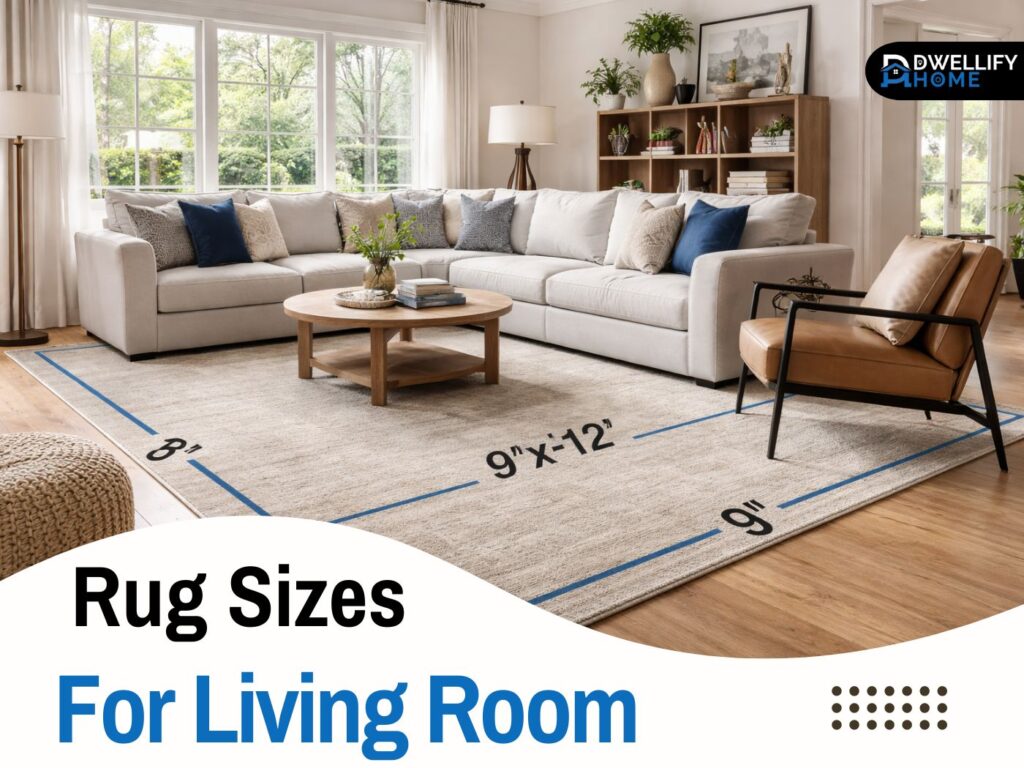
Styling mid-century pieces is about pairing simple shapes and warm materials. A wood coffee table, especially oval or rounded rectangle, works beautifully with the clean lines of the sofa. Add a rug that’s large enough for the front legs of the couch to sit on, and the room will instantly feel anchored.
For pillows, I like a mix of solids and one geometric pattern. Two to four pillows are usually enough. Too many makes a structured sofa look messy.
Lighting matters more than people expect. A floor lamp with a warm bulb and a simple shade can bring out the wood tones in walnut or teak legs. If the room feels flat, add one piece of art above the sofa that’s slightly wider than the center cushions to visually balance the wall.
Care, Cleaning & Keeping It Looking New
A couch lasts longer when it’s treated like a daily-use piece, not a museum piece. Rotate cushions if they’re reversible. Vacuum crumbs and dust regularly, especially along seams where grit can wear fabric over time.
For leather, a gentle wipe and occasional conditioning keeps it from drying out. For fabric, spot-clean quickly and avoid over-wetting. If sunlight hits the couch directly for hours, consider curtains or UV film, because fading can happen even on durable materials.
The most practical habit is simple: deal with small issues early. Tighten loose legs, address minor stains fast, and the sofa will stay looking fresh for years.
FAQs
What makes a couch mid-century modern?
Clean lines, a low profile, tapered wood legs, and a functional design that feels minimal but warm.
Is a mid-century couch comfortable for daily use?
Yes, if you choose the right seat depth and cushion support. Some style-first sofas look good but don’t hold up to daily lounging.
What’s the best fabric for pets or kids?
Performance fabric is often the easiest. Tightly woven textures also help because they resist snags and hide wear.
How do I pick the right chaise side?
Choose the side that supports your room’s walking path and doesn’t block doors or main circulation.
Are vintage sofas worth it?
They can be, especially for character and proportion. Just budget for cushion and upholstery updates if you want modern comfort.
Conclusion
A mid modern couch works best when you treat it like a design decision and a construction decision at the same time. Start with the silhouette you love, then get serious about measurements, comfort, and materials. That’s how you avoid a sofa that looks right but feels wrong.
If you remember one thing, let it be this: the best mid-century style rooms feel calm because every choice is intentional. Pick a couch with honest proportions, a supportive seat, and a fabric that fits your real life. Then style it with warm woods, a properly sized rug, and lighting that makes the space feel lived-in, not staged.
Disclaimer:
This article is for general design and shopping guidance. Product quality, pricing, availability, and performance can vary by brand and model, so always confirm measurements, materials, care instructions, and warranty details before buying.

I’m Bilal, the founder of Dwellify Home. With 6 years of practical experience in home remodeling, interior design, and décor consulting, I help people transform their spaces with simple, effective, and affordable ideas. I specialize in offering real-world tips, step-by-step guides, and product recommendations that make home improvement easier and more enjoyable. My mission is to empower homeowners and renters to create functional, beautiful spaces—one thoughtful update at a time.