Hardwood floors are tough, but they’re not invincible. The scratches I see most often don’t come from high heels or dog nails. They come from rugs that shift a little every day and grind tiny bits of grit into the finish.
A good pad fixes that. It steadies the rug, softens your steps, and protects the wood underneath. In this guide, I’ll walk you through what actually works, what quietly causes damage over time, and how to choose with confidence based on real floor behavior, not marketing.
Snippet-ready definition:
Rug pads for hardwood floors are thin layers placed under rugs to prevent slipping, reduce wear on the finish, add comfort, and help rugs last longer. The right material also prevents staining and trapped moisture.
Mission Statement:
At Dwellify Home, our mission is to help homeowners make confident, practical choices that protect their spaces, starting with the details that preserve comfort, safety, and long-term floor quality.
Quick Answer: The Best Rug Pad for Hardwood Floors (Most Homes)
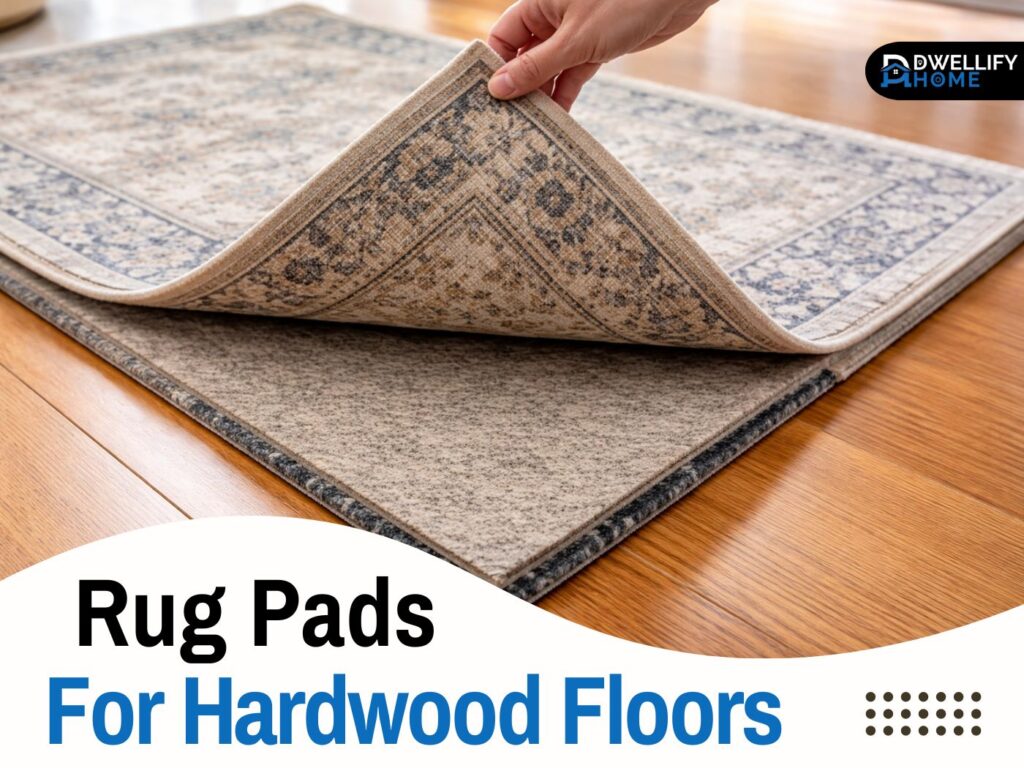
If you want the safest “set it and forget it” option for most rooms, go with a felt and rubber rug pad. You get grip from the rubber side and floor-friendly cushioning from felt, which helps prevent wear patterns under the rug.
If you’re dealing with a hallway runner or a lightweight rug that loves to drift, a natural rubber rug pad for hardwood floors usually performs best. It’s the grip-first choice, especially where people pivot and turn.
If your rug is heavy and you mainly want comfort and protection, felt rug pads for hardwood floors are a great fit. Just know that felt alone can slide on slick finishes, so I often reserve pure felt for heavier rugs that don’t move much.
Quick Guide Table (Comparison)
| Goal | Best Pad Type | Best For | Watch-outs |
| Maximum grip | Natural rubber | Runners, entryways, lightweight rugs | Avoid cheap synthetic “rubber” that can haze finishes |
| Comfort + protection | Felt | Bedrooms, heavier rugs | Felt alone may slide on slick finishes |
| Balanced grip + cushion | Felt + rubber | Most rooms, including rug pads 8×10 | Make sure it’s breathable and trim slightly smaller than rug |
| Easy maintenance | Washable-friendly pads | Kids, pets | Dry fully before placing back on wood |
| Spill-prone zones | Water-resistant options | Kitchens, play areas | “Waterproof” can trap moisture if spills sit underneath |
Step-by-step mini guide (fast and practical)
- Vacuum and wipe the floor where the rug will sit (grit is what causes most finish wear).
- Pick the right material: felt for cushion, natural rubber for grip, felt + rubber for balance.
- Choose the right thickness: thin for doors and flatweaves, about 1/4 inch for most rooms.
- Size it correctly: trim the pad 1–2 inches smaller than the rug on every side.
- Lay pad flat, then rug on top, and walk the edges to check for bubbles or curl.
- If the rug still shifts, try corner grippers before switching to tape.
Why You Need a Rug Pad on Hardwood (Safety, Floor Protection, Rug Life)
The obvious benefit is slip control. A rug that slides half an inch is all it takes to catch a toe, especially on stairs landings, entryways, and kitchens. A non-slip rug pad reduces that risk without relying on tape that can leave residue.
The less obvious benefit is finish protection. Rugs trap dust and sand, and without a pad, the rug’s backing rubs that grit into the polyurethane like fine sandpaper. Over months, you can end up with dull patches that don’t match the surrounding floor.
And finally, a pad helps the rug last. It absorbs some impact so rug fibers don’t get crushed as quickly, especially in high-traffic lanes. In apartments and upstairs rooms, the added sound dampening is a bonus you’ll notice right away.
Rug Pad Materials That Are Hardwood-Safe (And What Each Is Best For)
Felt Rug Pads for Hardwood Floors (Cushion + Floor Protection)
Felt is my go-to when the main goal is comfort and shielding the finish. It creates a soft buffer so the rug backing isn’t grinding against the wood, and it helps heavy furniture legs feel a bit gentler on the floor.
Here’s the real-world detail: on glossy or very smooth finishes, felt can still “walk” a little if the rug is light. If you’ve got a vintage runner or a thin flatweave, felt alone might not keep it in place.
A practical tip I use at jobs: if you love the feel of felt but need more stability, choose a denser felt or move to a combo pad instead of adding tape. Tape can solve slipping but create a cleanup problem later.
Natural Rubber Rug Pads for Hardwood Floors (Maximum Grip)
Natural rubber is the best rug pad material for grip, and it’s especially helpful for runners and smaller rugs that tend to bunch or creep. It holds the rug steady, which reduces edge curl and helps prevent that constant micro-rubbing that wears finishes.
Natural rubber also tends to be more floor-friendly than cheaper synthetic rubbers, which is important on hardwood. I’ve seen low-quality pads leave a faint haze or tacky feel, especially on floors that get warm from sun exposure.
If you have pets that sprint around corners, rubber is often the difference between a runner that stays put and one that turns into a slip hazard by day three.
Felt + Rubber (Best of Both Worlds)
If you’re trying to pick one pad type that works in most rooms, this is it. The felt side cushions and protects, while the rubber side grips the wood and reduces movement.
This combination is also a strong choice for larger sizes like rug pads 8×10, where you want stability without making the rug feel stiff. In living rooms, I like the way it reduces “ripples” underfoot while keeping the rug edges flat.
This is why many flooring pros consider felt and rubber styles among the best rug pads for hardwood floors when you want comfort and traction without complicated workarounds.
What to Avoid So You Don’t Ruin Hardwood Floors
The biggest troublemakers are cheap PVC and plastic-like pads. They can trap moisture, off-gas, or react with certain finishes, and I’ve seen them leave discoloration that doesn’t fully come out with cleaning.
Avoid aggressive adhesives and sticky-backed pads on hardwood whenever possible. Even when they claim to be “safe,” they can pull at the finish when removed, or leave residue that attracts grit. The floor may look fine at first, then you notice a dirt outline where the adhesive was.
Also be careful with pads that don’t breathe. Hardwood needs to release small amounts of moisture through seasonal changes. A pad that seals the surface can contribute to uneven aging, or worse, moisture getting trapped after a spill.
If you’re unsure, a simple test helps: place the pad on a hidden section of floor for a few days. Check for odor, tackiness, or any change in sheen before committing.
Choose the Right Thickness (Comfort Without a Trip Hazard)
Thickness is where many homeowners accidentally create a safety issue. More cushion isn’t always better, especially at doorways and transitions.
For low-profile rugs, flatweaves, or doors that swing close to the floor, thinner pads are safer. You’ll still get grip and basic protection without lifting the rug edge.
For most rooms, a 1/4-inch pad hits the sweet spot. It provides comfort, helps the rug look fuller, and doesn’t usually create that “floating rug” feel.
Thicker pads can be great in bedrooms or cozy sitting areas, but only if the rug is large and heavy enough to sit flat. If the rug is light, too much thickness can cause shifting, wrinkling, and edge curl.
Pick the Right Size (Including 8×10)
Rug Pads 8×10 and Rug Pads for Hardwood Floors 8×10 (Exact Fit Rules)
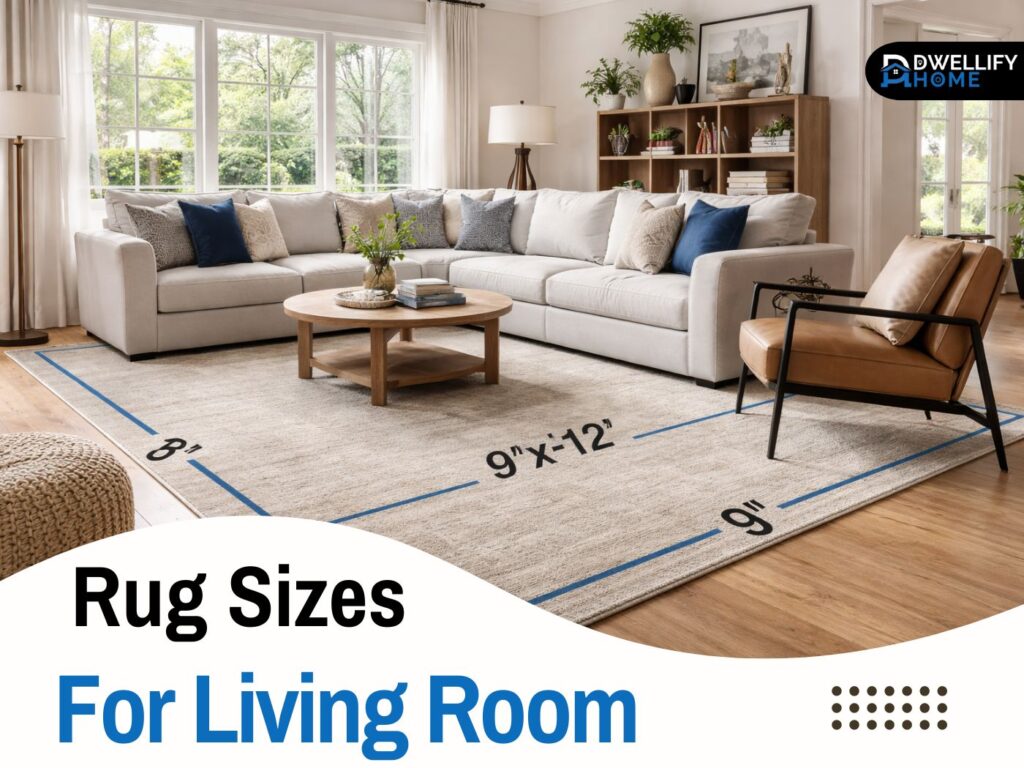
A pad should usually be slightly smaller than the rug, not the same size. I aim for about 1 to 2 inches smaller on all sides. That way, the rug edges can sit flush with the floor, which reduces tripping and keeps the pad hidden.
For an 8×10 rug, this matters a lot because the corners are where people catch toes. If the pad is too large, it can push the rug edge up and create a visible outline.
Cutting a pad is easier than most people expect. Lay the pad down, place the rug on top, and trace the rug shape. Then trim with sharp scissors or a utility knife on a safe surface. Take your time on corners, clean corners help the rug lie flat.
Room-by-Room Recommendations (Practical + Search-Intent Friendly)
For entryways and runners, prioritize grip. This is where twisting steps happen, and it’s where rugs slide the most. Natural rubber or a strong grip-focused combo pad works well.
In the living room, balance is the goal. A felt and rubber pad gives comfort underfoot while keeping the rug from slowly drifting under the sofa’s front legs.
In the bedroom, comfort matters more than maximum grip because foot traffic is lighter and you’re usually barefoot. A thicker felt-forward option can feel great, as long as the rug itself is heavy enough to stay stable.
In the dining room, stability is everything. Chairs drag, people scoot, and rugs take a beating. I prefer a firmer pad that doesn’t compress too much, so chairs don’t feel wobbly.
In the kitchen, keep it thinner and safer at the edges. Kitchens also get more crumbs and spills, so choose something easy to lift and clean underneath.
Special Use Cases People Search (Only the Important Ones)
Washable Rug Pads for Hardwood Floors: What “Washable” Really Means
“Washable” can mean different things. Some pads can be rinsed and air-dried, while others can handle a gentle machine wash. The key is drying fully, because putting a damp pad back on hardwood is asking for trouble.
In practice, I treat washable rug pads for hardwood floors as “easy to clean,” not “throw it in with towels every week.” If you need frequent washing because of pets or kids, consider a pad that can be rinsed in a tub and dried flat.
A good routine is simple: vacuum under the rug occasionally, lift the rug and pad every few months, and wipe the floor to remove trapped grit.
Waterproof Rug Pads for Hardwood Floors: Helpful or Risky?
Waterproof sounds like a smart idea, especially with pets, but there’s a catch. Anything that blocks moisture can also trap it. If a spill gets under the rug edge and can’t evaporate, it can sit against the finish longer than you realize.
If you choose waterproof rug pads for hardwood floors, use them in places where you can check underneath regularly. Kitchens and kids’ zones are more manageable if you’re willing to lift and inspect.
If you want a safer approach, focus on quick cleanup habits and a pad that offers some moisture resistance without sealing the floor completely.
High-Traffic Homes (Kids, Pets, Busy Hallways)
In high-traffic areas, I care about two things: grip and grit control. The pad should keep the rug from shifting and reduce the rubbing that grinds particles into the finish.
I also recommend replacing pads sooner in these zones. If a pad starts to crumble, flatten permanently, or lose traction, it’s not protecting your floor anymore. That’s when scratches and dull patches start showing up.
Installation in 5 Minutes (Correct Placement + Trimming)
Start with a clean floor. If you install a pad over grit, you’re basically locking sandpaper in place. A quick vacuum and a damp microfiber wipe makes a difference.
Lay the pad down flat and smooth it with your hands. Then place the rug on top and adjust until the edges sit evenly. If you need to trim, do it before you finalize placement.
Once everything is positioned, walk the rug slowly, especially along the edges. If you feel bubbles or shifting, lift and re-seat the pad. That little extra step prevents ongoing movement later.
If Your Rug Still Slides: Fixes Before You Replace the Pad
If the rug still creeps, don’t panic. First, confirm the pad is the right material for the rug’s weight and the room’s traffic. A lightweight runner often needs more grip than a large wool rug.
Corner grippers can help for curled edges or corners that lift. They’re useful when the rug is mostly stable but has annoying corner movement.
Rug tape can work in small doses, but I treat it as a last resort on hardwood. If you use it, pick a hardwood-safe option, test it in a hidden spot, and avoid placing it where it will bake in direct sunlight.
Buying Checklist (So You Don’t Waste Money)
Before you buy, focus on a few practical checks that protect the floor long-term:
- Material: felt, natural rubber, or felt and rubber for hardwood compatibility
- Grip vs cushion: runners need grip, bedrooms may want cushion
- Thickness: make sure doors clear and edges don’t become a trip point
- Odor and residue risk: avoid strong chemical smells and sticky surfaces
- Cut-to-fit: being able to trim cleanly is a big plus
- Return policy: helpful if the pad doesn’t behave well on your floor finish
If you’re comparing options locally and typing “rug pads for hardwood floors near me,” take a minute to feel the pad. If it feels oily, overly plastic, or leaves a tacky sensation on your fingertips, skip it.
FAQs
1) What type of rug pad is best for hardwood floors?
For most homes, a felt + natural rubber pad is the safest all-around choice because it cushions the rug while keeping it from sliding. For runners, natural rubber usually grips best.
2) Should I use a rug pad on hardwood floors?
Yes, in most cases. A good pad helps stop slipping and reduces the slow “sandpaper effect” caused by grit trapped under a moving rug. It also helps the rug wear more evenly.
3) Is rubber or felt rug pad better?
It depends on the job. Felt is better for comfort and finish protection under heavier rugs. Natural rubber is better for grip, especially with runners and lighter rugs. Felt + rubber is the best blend for many rooms.
4) Is it okay to put rubber backed rugs on hardwood floors?
Be careful. Some rubber or latex backings can react with finishes, leave haze, or trap moisture. If you already have a rubber-backed rug, use a hardwood-safe pad under it and check underneath occasionally.
5) How do I choose the right size for an 8×10 rug pad?
For rug pads for hardwood floors 8×10, choose a pad that trims down to about 7’10” x 9’10” (roughly 1–2 inches smaller on each side). This keeps edges flat and prevents the pad from peeking out.
Conclusion
Choosing a rug pad isn’t complicated once you think like a floor protector instead of a rug shopper. Start with the room and the rug’s weight, then choose the material that matches the job: felt for comfort and finish protection, natural rubber for grip, or a felt and rubber blend for an everyday balance.
Measure carefully, size the pad slightly smaller than the rug, and keep the area underneath clean. Do that, and your rug stays stable, your hardwood finish stays consistent, and you won’t be dealing with mystery dull patches later. If you remember one thing, it’s this: the best rug pads for hardwood floors are the ones that protect the finish and stay put without adhesives.
Disclaimer:
This article shares general flooring guidance based on real-world installation and maintenance experience. Always follow your flooring manufacturer’s care instructions and test any rug pad in a small hidden area before full use, especially on newer or specialty finishes.

I’m Bilal Hassan, the founder of Dwellify Home. With 6 years of practical experience in home remodeling, interior design, and décor consulting, I help people transform their spaces with simple, effective, and affordable ideas. I specialize in offering real-world tips, step-by-step guides, and product recommendations that make home improvement easier and more enjoyable. My mission is to empower homeowners and renters to create functional, beautiful spaces—one thoughtful update at a time.