A small studio can work brilliantly, or it can become an expensive daily headache. I’ve seen both sides of it. On paper, two spaces can look almost the same. In real life, one feels easy to use and the other starts causing problems within a week.
That usually comes down to a few practical details people miss at the start: how the layout works, what the rent actually includes, how the building functions day to day, and whether the space matches the way you’ll use it. A good decision is rarely about price alone.
This guide will help you sort through the options clearly and choose a space that makes sense for your routine, your budget, and your plans.
Snippet-Ready Definition
A small studio space for rent is a compact unit used for living, creative work, or business. People choose it for affordability, flexibility, and easier upkeep in a smaller footprint.
Mission Statement
Dwellify Home helps readers make practical, stylish, and informed home and space decisions with clear guidance they can actually use.
What a Small Studio Space for Rent Can Actually Mean
The word “studio” gets used for several different kinds of spaces. That’s where a lot of confusion starts.
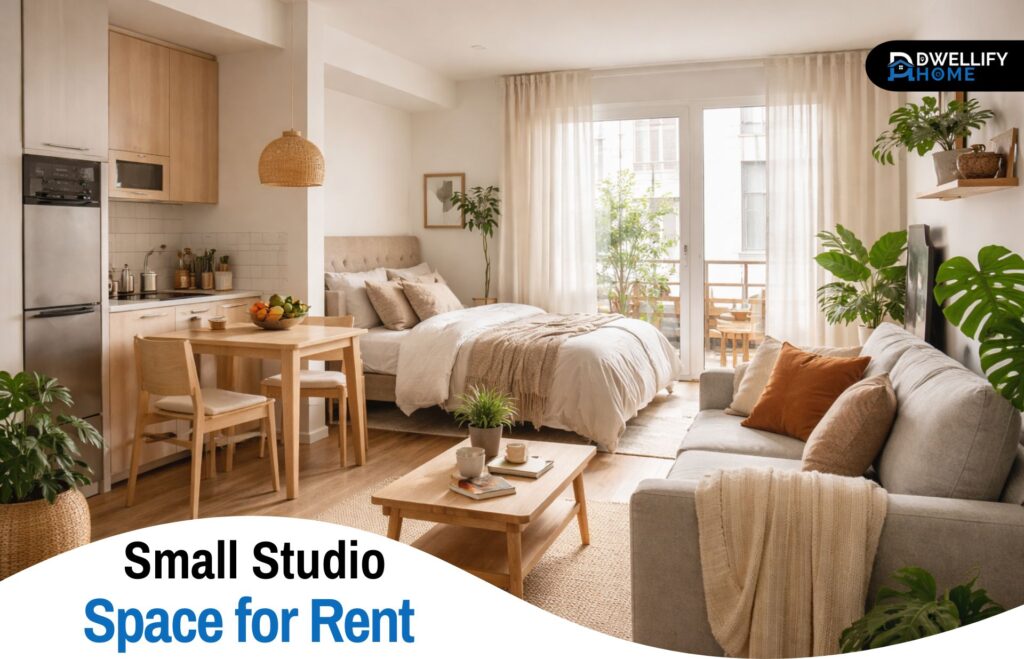
In some listings, it means a studio apartment with an open living area, a compact kitchen, and a bathroom. In others, it means a creative space for photography, art, or content work. Sometimes it refers to a small office or commercial unit that’s simple, open, and easy to set up.
That distinction matters because the right features change with the purpose. A residential studio needs comfort, privacy, and reliable utilities. A photography studio needs height, power access, good walls, and room to move equipment. A small office needs access, internet stability, and a layout that works for focused work or client visits.
Before you compare any listing, make sure you know which type of space you’re actually trying to rent.
Quick Comparison Guide
| What to Compare | What to Check | Why It Matters |
| Layout | Open floor space, storage, wall space | A better layout can feel larger and work better day to day |
| Cost | Rent, deposit, utilities, fees | The cheapest listing is not always the lowest real cost |
| Location | Commute, parking, safety, access | A convenient location saves time and reduces daily stress |
| Amenities | Internet, power, ventilation, bathroom | Basic comfort and functionality affect daily use |
| Lease Terms | Notice period, deposit, restrictions | Clear terms help you avoid costly surprises |
Key Benefits and Uses
- Lower rent and utility costs than larger spaces
- Easier to maintain and furnish
- Good for solo living, creative work, or a small office setup
- Flexible options for short-term or long-term use
- Useful for people who want a practical space without wasted square footage
Start by Defining What You Need From the Space
The best rental decisions start with clarity. Not with browsing.
Write down exactly how you’ll use the studio. Will you live in it full-time? Use it a few days a week for client work? Store equipment and work there occasionally? Film content? Run a small service business?
Then separate your needs into two groups: non-negotiables and preferences.
Non-negotiables might include:
- a private bathroom
- strong internet availability
- quiet surroundings
- ground-floor or elevator access
- enough wall space for storage or work setup
Preferences might include:
- natural light
- furnished setup
- a nicer building finish
- parking close to the entrance
- a better-looking front area for clients
This step saves time. It also prevents the common mistake of choosing a place that looks nice in photos but doesn’t support the way you actually work or live.
Choose the Right Size and Layout for Your Daily Needs
Small spaces are rarely judged well by square footage alone. Layout matters just as much.
A well-shaped studio with a clean rectangular floor plan often feels more usable than a slightly larger one with awkward corners, columns, low ceilings, or blocked wall space. I’ve seen renters take a bigger unit and still struggle because there was no sensible place for storage, seating, or equipment.
Think through your normal day inside the space. Where will you enter? Where will you sit, work, store things, or receive someone? Can you move around comfortably without shifting furniture every few hours?
Look closely at:
- usable floor space, not just stated size
- wall space for shelving or equipment
- natural light and window placement
- ventilation and air flow
- ceiling height
- storage options
- outlet placement
A small studio can work very well when the movement inside it feels easy. Once a space feels cramped before you’ve even moved in, it usually gets worse, not better.
Set a Real Budget Before You Compare Listings
This is where a lot of people get trapped. They focus on the monthly rent and ignore the rest.
The real cost usually includes the deposit, electricity, water, internet, maintenance fees, service charges, parking, basic setup, and sometimes small upgrades you’ll need to make the place usable. A cheaper unit can end up costing more than a slightly higher-priced one that already includes the basics.
Furnished and unfurnished spaces need a careful comparison too. Furnished units can save money upfront, but sometimes the furniture is poor quality, oversized for the room, or not useful for your setup. Unfurnished spaces give you more control, but the initial spend can add up quickly.
A simple budget check should include:
- monthly rent
- security deposit
- utility estimates
- internet cost
- maintenance or service fees
- move-in setup costs
- basic furniture or storage needs
Once you know your true monthly limit, it gets much easier to filter listings without second-guessing every option.
Pick a Location That Supports How You’ll Use the Space
Location has a direct effect on daily convenience, cost, and stress.
A studio that’s slightly smaller but in the right area often works better than a larger one in the wrong place. That’s especially true when you need regular access, rely on deliveries, meet clients, or move equipment.
For personal use, think about commute time, nearby groceries, safety, and how the area feels at different hours. For work use, think about client access, parking, traffic, public transport, and how easy it is to find the building.
Noise is another detail people underestimate. A place can seem fine during a quick visit in the afternoon and feel completely different in the evening. Busy roads, generators, neighboring shops, and building traffic all affect whether the studio feels workable.
A good location supports the way you use the space. A poor one creates friction every single week.
Check the Amenities That Matter in Real Life
Listings often mention amenities in a vague way. That’s why it helps to think in terms of daily use rather than marketing language.
Reliable electricity matters more than decorative finishes. Good ventilation matters more than a polished photo. Internet availability can matter more than almost anything if you work from the space.
Pay attention to:
- power reliability and backup options
- internet service options in the building
- water supply and pressure
- cooling and heating setup
- windows and ventilation
- bathroom condition
- cleanliness of common areas
- building security
- parking and loading access
A studio can look neat during a visit and still be difficult to use if the basics aren’t dependable. The practical parts are what shape your experience after move-in.
Match the Studio Space to Your Specific Use Case
Different uses need different setups. This is where people often choose a space that is technically available but functionally wrong.
A studio apartment should feel livable. That means privacy, ventilation, workable storage, and enough room to separate sleeping, eating, and daily routines as much as possible.
A photography or content studio needs more than open space. You may need clean walls, decent ceiling height, flexible lighting, sound control, and enough room for backgrounds, stands, or gear cases.
An art or craft workspace usually needs washable surfaces, airflow, storage, and tolerance for materials, tools, or regular mess. A small office needs reliable internet, comfortable access, and a layout that supports concentration or simple meetings.
Try not to rent based on a broad label like “studio.” Rent based on whether the space supports your exact use.
Decide Between a Short-Term or Long-Term Rental
A short-term rental gives flexibility. That’s useful when you’re testing a location, working on a project, handling seasonal demand, or unsure how often you’ll need the space.
A long-term lease usually gives better stability and may reduce monthly cost, but only when the space is already proven to fit your needs.
The mistake I’ve seen more than once is committing too early because the price looks reasonable. A lower monthly rate doesn’t help if you outgrow the setup quickly or discover access problems after signing.
Short-term makes sense when your needs may change. Long-term makes sense when the location, layout, and building have already passed your practical checks.
How to Inspect a Small Studio Space Before You Commit
Never rely on photos alone. Visit the space and test what you can.
Turn on lights. Check outlets. Run water. Notice the smell in the room. Stand quietly for a minute and listen. Walk the route from entrance to unit. Look at hallways, stairs, parking, and the condition of shared areas.
Inspect for:
- dampness or poor ventilation
- cracked walls or recent patchwork
- weak lighting
- limited outlets
- poor water pressure
- weak phone signal
- noise from nearby units or roads
- signs of neglected maintenance
Small issues add up quickly in a compact space. In a larger property, you might tolerate a few weak spots. In a studio, every weakness becomes more noticeable.
Important Lease Terms to Review Before Signing
A clean-looking space doesn’t protect you from a bad agreement.
Read the lease slowly. Check what is included in the rent, when increases can happen, how long the commitment lasts, and what happens if you need to leave early. Also check who handles repairs and whether there are restrictions on guests, clients, equipment, working hours, or business activity.
Pay close attention to:
- deposit amount and refund terms
- notice period
- rent increase clauses
- maintenance responsibility
- renewal conditions
- use restrictions
- early termination terms
This part is easy to rush, especially when you feel pressure to secure a place. Don’t rush it. A clear lease can save you from months of frustration.
Hidden Costs That Can Affect Your Final Decision
Some of the most expensive surprises never appear in the listing.
You may need shelves, storage units, lighting, curtains, basic repairs, a stronger internet setup, cleaning, or a lock change. Some buildings charge for parking, service access, maintenance visits, or common area use.
Even a creative studio can have hidden spending through props, portable cooling, sound treatment, or safer storage for equipment. A residential studio may need compact furniture that costs more than standard pieces.
This is why the best choice is not always the lowest advertised rent. The smarter question is: what will this place cost me to use properly every month?
Questions to Ask the Landlord or Property Manager
Direct questions reveal a lot. They also show whether the person managing the space is transparent and responsive.
Ask:
- What exactly is included in the rent?
- Are utilities fixed or separate?
- Are there any restrictions on how the space can be used?
- How are repairs handled?
- Are access hours limited?
- Can any small changes be made to the setup?
- Has the space had recent maintenance issues?
- Can I visit again before signing?
Good answers are clear and consistent. Vague answers usually mean you’ll run into more uncertainty later.
Red Flags to Watch for in Any Small Studio Space for Rent
A few warning signs should make you slow down immediately.
Be careful with listings that use polished photos but provide almost no practical details. Watch for prices that feel unusually low without a clear reason. Be cautious when the lease language is vague, the manager avoids direct answers, or basic issues like ventilation, water, or power are brushed aside.
Other red flags include:
- poor upkeep in common areas
- no clarity about bills
- signs of water damage
- very limited access
- no written explanation of deposit terms
- pressure to commit quickly without a proper visit
Most bad rental decisions don’t happen because the space looked terrible. They happen because the small warning signs were ignored.
How to Compare Listings Without Getting Overwhelmed
Once you’ve seen a few options, they start to blur together. A simple comparison method helps.
Shortlist only the spaces that meet your non-negotiables. Then compare them side by side using the same criteria: total monthly cost, layout, location, amenities, access, and lease terms.
You don’t need a complicated scoring sheet. Even a basic note on your phone can work. What matters is consistency. Compare each space using the same lens.
Photos should help you filter, not decide. Final decisions should come from fit, not from the best-looking listing.
Where to Look for a Small Studio Space for Rent
The right platform depends on the kind of studio you need.
General property portals are usually better for studio apartments, office units, and commercial spaces. Creative spaces may show up more often through specialist rental platforms, local production pages, community groups, or direct social media listings.
It also helps to search locally and specifically. A broad search gives volume. A targeted search by area, use type, and rental term usually gives better results.
The more specific your need is, the more important it becomes to search in the places where that exact kind of studio is normally listed.
A Simple Checklist for Choosing the Right Small Studio Space for Rent
Before you say yes, make sure you can answer these questions confidently:
- Does the space match the way I’ll actually use it?
- Is the layout practical, not just attractive?
- Can I afford the full monthly cost, not just the rent?
- Is the location convenient enough for regular use?
- Are the utilities and access reliable?
- Have I checked the space in person?
- Do I understand the lease terms clearly?
- Are there any hidden costs I’m ignoring?
- Have I asked direct questions and received direct answers?
- Am I choosing based on fit rather than pressure?
That quick check catches a surprising number of bad decisions.
FAQs
What is the minimum size for a studio apartment?
There is no single standard, but many studio apartments start around 250 to 400 square feet. What matters more is whether the layout gives you enough room for sleeping, storage, and daily movement.
How to organize a small studio space?
Start by defining zones for sleeping, working, and storage. Use vertical shelving, compact furniture, and only keep items you use often in the main living area.
How to divide a studio apartment?
Use open shelves, curtains, rugs, folding screens, or furniture placement to separate areas without making the space feel boxed in. Keep light and movement flowing through the room.
How to make a room in a studio?
Create a visual division rather than building a full wall. A tall shelf, curtain track, or partial divider can give privacy while keeping the studio functional and airy.
What should I check before renting a small studio space?
Check the layout, total monthly cost, ventilation, outlets, water, internet options, access hours, and lease terms. These details usually matter more than the photos.
Conclusion: Choosing a Small Studio Space for Rent With Confidence
The right small studio space for rent should make daily life easier, not harder. It should fit your routine, support your work or living setup, and make financial sense once the full cost is clear.
Take your time with the details that affect everyday use. Layout, utilities, access, lease terms, and hidden costs matter just as much as location and price. Once those pieces line up, the decision becomes much simpler.
A well-chosen small studio space for rent doesn’t need to be impressive on paper. It just needs to work properly for the life you plan to build inside it.
Disclaimer
Information is for general guidance only and should be verified against current listings, lease terms, and local rental conditions before making a decision.

I’m Bilal Hassan, the founder of Dwellify Home. With 6 years of practical experience in home remodeling, interior design, and décor consulting, I help people transform their spaces with simple, effective, and affordable ideas. I specialize in offering real-world tips, step-by-step guides, and product recommendations that make home improvement easier and more enjoyable. My mission is to empower homeowners and renters to create functional, beautiful spaces—one thoughtful update at a time.