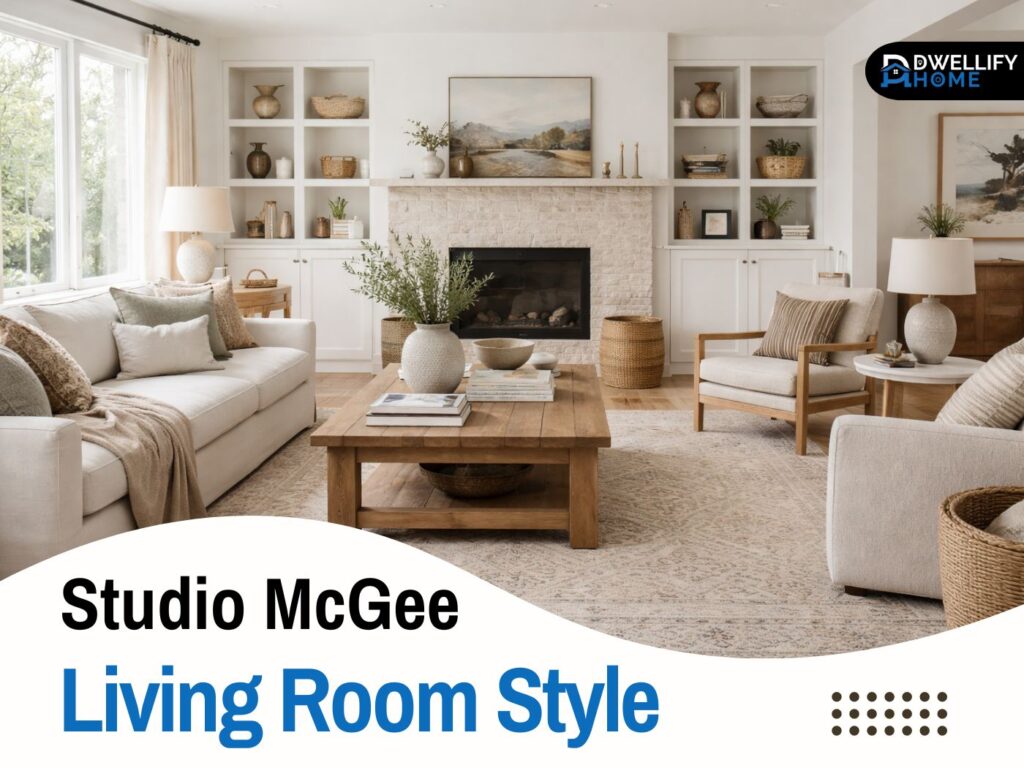
If you’ve ever looked at a Studio McGee style living room and thought, “This feels calm, cozy, and put together without trying too hard,” you’re not alone. That’s the magic. It’s not about fancy stuff. It’s about balance, comfort, and a few smart choices that make the whole room feel intentional.
Here’s the thing: you can absolutely create that look in a real home with real life happening inside it. Kids, pets, busy mornings, movie nights, all of it. I’m going to walk you through the exact steps I use when styling clients’ spaces so the room feels warm, classic, and easy to live in.
Snippet-ready definition:
A Studio McGee living room is a modern classic look built on warm neutrals, balanced furniture layouts, layered textures, and simple styling. It feels calm, timeless, and livable, not trendy or over-decorated.
Mission Statement:
At Dwellify Home, our mission is to make beautiful, timeless interiors feel doable. We share calm, practical design guidance that helps you create warm, livable rooms with smart choices, not overcomplicated rules.
What Makes a “Studio McGee Living Room” Look and Feel Different
A Studio McGee inspired living room usually has a calm base, classic furniture shapes, and layers that build depth over time. Nothing feels too trendy, and nothing feels sterile. The room feels collected, not decorated in a rush.
The best part is, the style is forgiving. You don’t need everything to match. You just need the big decisions to be consistent, like your color palette, your furniture scale, and your mix of textures. Once those are right, the rest becomes fun.
It also leans into what I call quiet confidence. Instead of loud colors everywhere, you’ll see warm neutrals, natural materials, and a few statement moments, like a beautiful rug, an oversized artwork, or a sculptural light.
Quick Guide Table (fast, practical checklist)
| Area | What to do (Studio McGee-inspired) | Quick tip |
| Color + paint | Choose warm whites or soft greige | Test on 2 walls, check morning and night |
| Layout | Create a clear focal point and walkable paths | Pull furniture off walls when possible |
| Furniture | Go “fewer, better” with classic shapes | Prioritize sofa comfort and scale |
| Rug | Size it to connect the seating area | Front legs of sofa and chairs on the rug |
| Lighting | Layer ambient, task, and accent light | Add 2 lamps before buying more decor |
| Cabinets/built-ins | Style with breathing room and bigger anchors | Use baskets to hide clutter |
| Refresh | One hero swap + small textiles | New rug or lighting changes the mood fastest |
Step-by-step mini plan (clean and easy)
- Pick the room’s purpose (TV, conversation, reading, family hangouts).
- Lock the layout around one focal point (fireplace, TV wall, windows, built-ins).
- Choose a warm neutral paint that suits your room’s daylight.
- Invest in the sofa first, then add chairs that balance the shape.
- Get the rug size right, then select a texture and pattern that stays calm.
- Add lighting layers (overhead plus lamps) to make the room feel finished.
- Style shelves and surfaces with fewer, larger pieces and a little negative space.
Step 1 — Build the Right Foundation Before You Buy Anything
Before you pick paint, furniture, or decor, decide how the room needs to function. I always ask clients one simple question: what do you want to do in this room most days? Watch TV, host guests, read, play with kids, or a mix?
Once you know the purpose, layout decisions become much easier. In modern classic design, the room should feel easy to move through. That means clear walking paths, seating that faces each other when possible, and a layout that makes conversation natural.
Pick the focal point early. It might be a fireplace, a TV wall, built-in cabinets, or even a large window. Your seating should support that focal point, not fight it. A common mistake is trying to give every wall equal attention. Instead, let one wall lead, and let the others support.
Zoning a Living Room Without Making It Busy
If you have a larger space, gentle zoning helps. Think of zones like little purpose pockets, not separate rooms.
- A conversation zone with sofa and chairs
- A reading corner with one chair and a lamp
- A play basket area that still looks tidy
For a Studio McGee small living room, you usually want one strong zone, not three. Keep it simple, and make each piece earn its place.
Step 2 — Studio McGee Living Room Paint: Choose a Calm, Flexible Base
Paint is where the mood starts. Studio McGee living room paint choices usually sit in the warm neutral family. That means creamy whites, soft greige, gentle taupe, and warm off-white tones that make a room feel inviting.
But undertones matter more than people think. A warm white can look perfect in a sunny room and slightly dull in a darker one. So don’t pick paint under store lighting. Test it on two walls, then look at it morning, afternoon, and night.
A practical tip from experience: if your room faces north and feels cooler, lean toward a warmer neutral so it doesn’t feel icy. If your room gets strong warm sunlight, you can choose a slightly more balanced neutral so it doesn’t turn yellow.
Keep trim and ceiling simple. A clean white trim and a soft ceiling color makes the space feel taller and calmer. This is one of those design moves that quietly elevates everything.
Step 3 — Studio McGee Living Room Furniture: Less, But Better Done Right
Furniture is the backbone. In studio mcgee living room furniture styling, the shapes are classic and comfortable. You’ll see tailored sofas, cozy cushions, and chairs that feel intentional without looking fussy.
Start with your sofa. If you can invest in one thing, make it the sofa. Look for a shape that fits your room, and a depth that fits your lifestyle. A deep sofa feels great for lounging. A slightly shallower one can feel more polished and better for conversation.
Then add chairs that create balance. If your sofa is boxy, consider chairs with a little curve. If your sofa is very soft and rounded, add chairs with clean lines. This mix keeps the room from feeling flat.
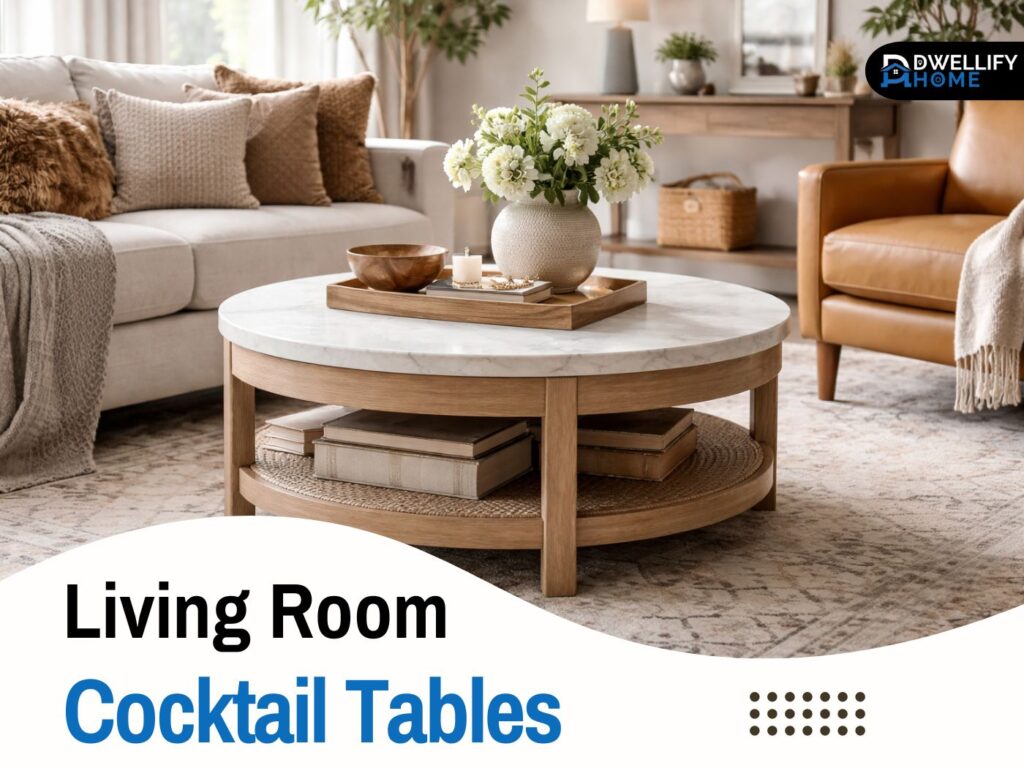
The coffee table is often overlooked, but it anchors the entire setup. I like a table that feels substantial. If it’s too small, the room starts to feel scattered. If it’s too large, it blocks movement.
Here are simple scale rules I use:
- Keep about 14 to 18 inches between the coffee table and seating
- Choose a coffee table about two thirds the length of your sofa
- If you have kids, consider rounded corners or an upholstered ottoman
Family-Friendly Upholstery: Kids, Pets, and Real Life
This is where design meets reality. Performance fabrics are popular for a reason. They clean up well and hold their shape. Slipcovers can be a lifesaver if you like a relaxed, washable setup. Leather can work beautifully too, especially if you want something that ages well.
If you have pets, avoid loose weaves that snag easily. If you have kids, avoid pure white upholstery unless you love laundry as a hobby.
Step 4 — Studio McGee Living Room Rug Guide: Size, Placement, and Materials
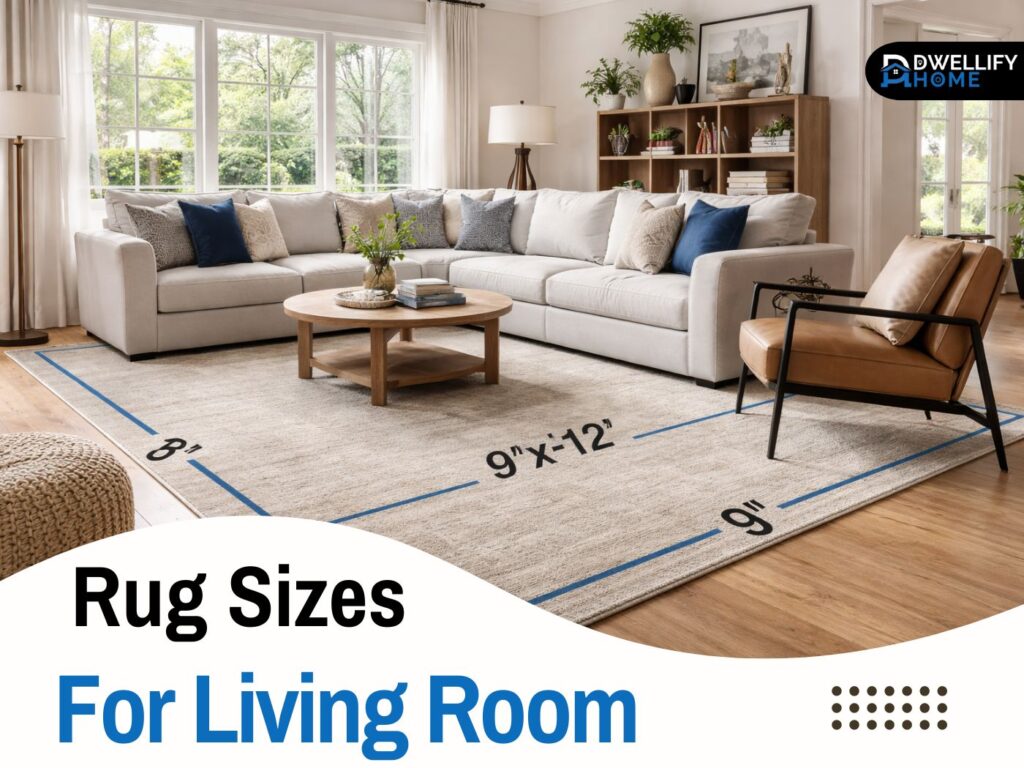
A good rug makes everything look more finished. A lot of people pick a rug based on pattern first, but size should come first. A too-small rug is one of the quickest ways to make a room feel off, even if your furniture is beautiful.
For most living rooms, you want the front legs of your sofa and chairs on the rug. In larger rooms, you can fit all legs on the rug. Either way, you want the seating group to feel connected.
If you’re working with a Studio McGee small living room, don’t shrink the rug. Go bigger than you think. A larger rug makes the room feel more spacious because it visually stretches the floor.
Materials matter too:
- Wool is soft, durable, and great for living rooms
- Jute and sisal add texture and warmth, but they can feel rough underfoot
- Synthetic and PET rugs are often easier to clean and great for high-traffic homes
If you want that Studio McGee living room rug look, choose something with gentle pattern, soft variation, and warm tones. It doesn’t have to be boring, it just shouldn’t scream louder than the room.
Step 5 — Layering Like Studio McGee: Finished Without Overdecorating
Layering is the secret sauce. It’s what takes a room from nice to inviting. Studio McGee living room ideas often focus on layers that feel natural, not staged.
Start with the room itself. Architectural interest can be as simple as adding trim, updating hardware, or styling a mantel with art and objects that have height. Even small upgrades, like thicker curtains hung high, can make the space feel more polished.
Then bring in texture. Mix materials like wood, linen, wool, ceramic, and woven pieces. The goal is depth. A room with only smooth surfaces tends to feel flat.
Pattern play is also important, but it should feel calm. I like to mix patterns in a simple way:
- One larger pattern, like a rug or big pillow print
- One medium pattern, like a stripe
- One subtle texture pattern, like a woven or stitched fabric
Add statement pieces with intention. One bold light fixture, one oversized artwork, or one unique vintage chair can be enough. Too many statement pieces start competing.
Step 6 — Lighting Layers That Make the Room Feel Expensive
Lighting is one of the most underrated upgrades. A well-lit room feels warm and expensive, even if the furniture is modest.
You want layers:
- Ambient lighting for overall glow
- Task lighting for reading and corners
- Accent lighting for warmth and mood
In a living room, I usually aim for at least two lamps plus a main ceiling light or a pair of sconces. Lamps soften the room and create that cozy vibe people love.
Use warm bulbs for a welcoming feel. Keep the bulb temperature consistent across the room, so one corner doesn’t look orange and the other looks blue. That mismatch makes a room feel unintentionally chaotic.
Step 7 — Studio McGee Living Room Cabinets and Built-Ins: Styling That Looks Real
Studio McGee living room cabinets and built-ins can look stunning, but only when styled with restraint. The biggest mistake I see is filling every shelf and every space. Built-ins need breathing room.
Here’s a simple process that works in real homes:
Start with a blank canvas. Remove everything, wipe shelves, and reset. This makes the styling feel intentional.
Work with what you have. Consider the shelf depth, symmetry, and whether the TV is part of the built-in. You’re not trying to hide reality. You’re trying to make it look clean.
Ground the look with substantial pieces first. These are your anchors, like stacked books, larger vases, baskets, or framed art.
Then add smaller groupings. Keep things in groups of two or three, and vary heights. A simple rule: don’t line everything up like a store display. Slight overlap looks more natural.
Also, decide what to hide. Baskets are perfect for remotes, toys, and chargers. That’s how the shelves stay pretty and practical.
Studio McGee Small Living Room Ideas: Airy, Not Empty
Small rooms can absolutely feel high-end. You just have to be picky. Studio McGee small living room styling is about making fewer pieces look better.
Multi-function is your friend. A storage ottoman can be a coffee table and hidden storage. A slim console can hold media without taking over the room. A small chair and side table can create a cozy corner without crowding.
Use light colors to open the room, but keep contrast. If everything is the same shade, the room can feel washed out. Add depth with warm wood tones, black accents, or textured neutrals.
Vintage accents are amazing in small spaces. A vintage lamp, an antique stool, or an old framed print adds character without adding bulk. It also helps your room feel collected, not cookie-cutter.
Studio McGee Living Room Refresh: Quick Updates That Change Everything
A studio mcgee living room refresh doesn’t need a full renovation. In fact, the best refreshes are usually simple. The goal is to update the feel without losing what already works.
Here are refresh moves that actually make a difference:
- Swap pillow covers and add one new texture
- Upgrade your throw blanket to something heavier and softer
- Replace one small artwork with one larger piece
- Add a lamp if the room feels flat at night
- Re-style your coffee table with fewer, larger objects
I love the one hero swap rule. Pick one change that has impact, like a new rug or a new light. Then keep the rest calm.
You can refresh in two easy directions:
- Earthy tones, like muted greens and warm woods for a grounded look
- Creamy neutrals for a softer, brighter feel
Both work beautifully in a Studio McGee inspired space. Choose the one that fits your home and personality.
Make It Flow: Living Room and Dining Room Connection
If your living room connects to a dining area, flow matters. Studio McGee dining room styling usually shares similar elements with the living room, warm neutrals, natural textures, and classic shapes.
You don’t need matching sets. You just need repeating finishes. For example, if your living room has warm oak and black accents, bring that into the dining space with a similar wood tone or metal finish.
Keep your color story consistent. It’s okay if the dining room has a slightly deeper tone, like a warmer wall color or darker chairs. Just make sure it feels like part of the same home.
Lighting helps too. If your living room has warm lamps and soft tones, a dining pendant that feels too modern or too cold can break the mood. Choose something that feels timeless and warm.
Common Mistakes That Break the Look and Quick Fixes
Even good rooms can feel off if a few details are working against you. Here are the biggest issues I see, plus quick fixes that don’t require a full redo.
- Rug too small
Fix: size up and let at least the front legs sit on the rug. - Furniture pushed against walls
Fix: pull the sofa forward a few inches and create a real seating zone. - Too many small decor pieces
Fix: remove half, then add one larger object for balance. - Cold lighting
Fix: switch to warm bulbs and add at least one lamp. - Everything matching
Fix: mix one vintage or textured piece to make it feel collected. - No contrast
Fix: add depth with wood tones, black accents, or textured fabrics.
FAQs
What colors feel most Studio McGee for living rooms?
Warm whites, soft greige, gentle taupe, and calm neutrals with warm undertones usually work best. Add depth with natural wood and a few darker accents.
What rug size should I get?
Aim for a rug that connects the seating. In most rooms, that means front legs of sofa and chairs on the rug. When in doubt, size up.
How do I style built-ins without it feeling fake?
Use fewer items, start with bigger anchors, and leave breathing room. Mix books, baskets, and a few meaningful pieces instead of filling every shelf.
Can I get the look on a budget?
Yes. Focus spending on the rug and sofa if possible, then add texture through pillows, curtains, lighting, and thrifted vintage accents.
What’s the easiest refresh that looks designer?
Swap the rug or add layered lighting. Either one can change the mood fast, especially when you keep the rest of the room edited.
Conclusion: A Warm, Edited Room You’ll Actually Enjoy Living In
A studio mcgee living room look isn’t about perfection. It’s about making smart foundation choices, then layering slowly so the space feels calm and personal.
Start with layout and paint, then choose furniture that fits your real life. Get the rug size right, add lighting layers, and style cabinets or built-ins with breathing room. After that, refresh with small upgrades that bring texture and warmth.
And guess what, you don’t have to do it all at once. Pick one step, do it well, and build from there. That’s how a living room becomes timeless, not just trendy.
Disclaimer:
This article is for general home styling guidance and personal inspiration. Paint colors, materials, and product performance can vary by lighting and brand, so always test samples and check care instructions before buying.

I’m Bilal, the founder of Dwellify Home. With 6 years of practical experience in home remodeling, interior design, and décor consulting, I help people transform their spaces with simple, effective, and affordable ideas. I specialize in offering real-world tips, step-by-step guides, and product recommendations that make home improvement easier and more enjoyable. My mission is to empower homeowners and renters to create functional, beautiful spaces—one thoughtful update at a time.