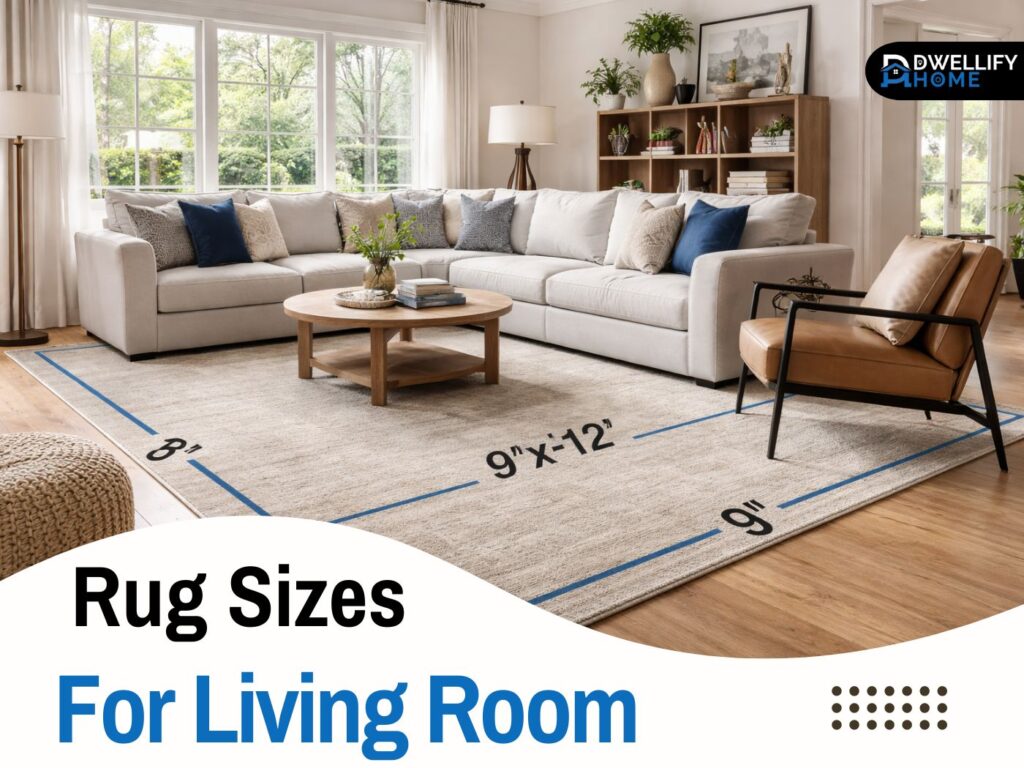
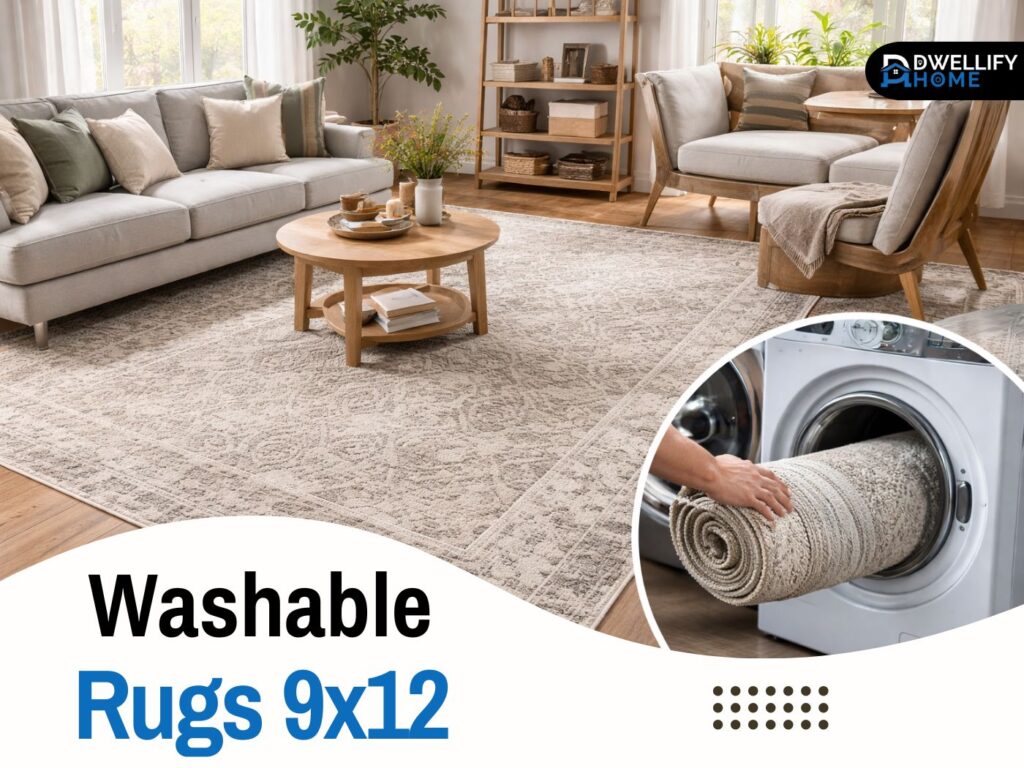
A 9×12 rug is the size that can make a room feel finished. It anchors furniture, softens sound, and makes open spaces feel intentional. But when you go big, real life gets involved fast. Spills, pet hair, muddy shoes, and that one chair that scrapes the corner every day.
I’ve worked with large-area washable rugs for years, and I’ve lived with them too. A big washable rug can be a great decision, but only if you pick the right build, plan the washing logistics, and set it up so it stays flat and safe.
Snippet-ready definition:
Washable rugs 9×12 are large area rugs made for easier cleanup, either by machine washing the rug or washing a removable top layer. They’re popular for living rooms, dining areas, and busy homes.
Mission Statement:
Dwellify Home helps everyday homeowners make smart, practical home choices with clear, experience-based advice that’s easy to follow, so your space looks good and works well in real life.
Quick answer: Are 9×12 washable rugs actually easy to wash?
Sometimes yes, sometimes not in the way people expect. A true machine-washable 9×12 often weighs a lot once it’s wet. Even if it fits in your washer, it can throw the drum off balance and come out with creases or edge curling if it’s handled roughly.
In real homes, the easiest “washable” setup is often one of these:
- A low-pile rug that can handle gentle machine washing in a large-capacity washer
- A washable top layer system that separates from a pad
- A rug that is mainly spot-cleaned with occasional deep washing at a laundromat
If you have kids, pets, or a busy dining space, washable can save you stress. If you hate heavy lifting or you don’t have access to a large washer, you may still want washable, but you’ll choose a style that’s easier to manage.
Quick Guide Table: Choosing the Right 9×12 Washable Rug Fast
| Your home situation | What to choose | Why it works |
| Kids, pets, daily spills | Low-pile synthetic or washable top-layer system | Easier vacuuming, faster drying, fewer stains set in |
| Dining room (chairs move a lot) | Low-pile, tight weave | Chairs glide better, crumbs don’t bury deep |
| You want soft underfoot | Medium-low pile + quality rug pad | Comfort without turning into a dirt trap |
| You have a standard washer | Washable system or laundromat plan | Big rugs can overload home machines |
| Slip risk on tile or hardwood | Non-slip backing plus pad if needed | Safer, reduces shifting and corner curl |
Quick “buy checklist” (save this):
- Confirm the care label says machine washable (not just “spot clean”)
- Choose low pile if you have pets or a dining table
- Check backing type and heat limits for drying
- Plan the washing method before you buy (home washer vs laundromat)
- Budget for a pad if the rug is thin or your floors are slick
Step-by-step: Washing a Big Washable Rug Without Ruining It
- Shake out grit outside first (dirt acts like sandpaper in a wash).
- Cold water + delicate cycle with mild detergent.
- Don’t overload the washer. If it’s packed tight, it won’t rinse well.
- Skip high heat. Air dry flat when possible, or use low heat only if allowed.
- Fix corners early. Smooth edges while damp so they dry flatter.
A good reminder from cleaning pros: only rugs designed and labeled for machine washing should go in the washer, and fit matters to avoid damaging both rug and machine.
What makes a rug truly washable (materials, backing, and construction)
The word washable gets used loosely, so I always look at three things: the fiber, the backing, and the edge finish. Those are what decide whether the rug holds its shape after the third wash, not the first.
For fibers, low-pile synthetics tend to do best because they don’t hold water like thick plush. Flatwoven styles and low-pile polyester blends usually wash and dry more predictably. Cotton can be washable too, but it may shrink or wrinkle more, and it often needs more careful drying.
Backing matters just as much. Some non-slip backings are great on the floor, but they don’t love heat or harsh cycles. If the backing cracks or stiffens, corners start to curl. A well-made edge binding also helps a lot. The rugs that stay flat long-term usually have clean stitching and firm edges that don’t wave after washing.
9×12 rug placement that looks designer (living room, dining room, bedroom)
A 9×12 gives you the chance to make placement feel calm and balanced, but it also makes mistakes more obvious. A few inches off can look awkward, and a bad layout can cause faster wear.
Living room layouts (2 rules that prevent the floating rug look)
Rule one: decide whether you’re doing all legs on the rug or just the front legs. In most living rooms, front legs on the rug is the easiest win. It makes the seating area feel connected without forcing you to push furniture into weird positions.
Rule two: keep the edges consistent. If one side has a big gap to the wall and the other side is nearly touching, the rug will look like it drifted. I like a clean margin around the perimeter when possible, even if it’s not perfect.
Real tip from installs: if you have an open-plan space, line the rug up with the main sightline, not the TV wall. The goal is to make the walkway feel natural, not to chase symmetry that doesn’t fit the room.
Dining room rule: chairs must stay on the rug
This is the rule most people only learn after living with the rug for a week. When you pull the chair out, the back legs should still be on the rug. If they aren’t, chairs catch the edge, the rug gets chewed up, and you end up nudging it back into place every day.
For dining rooms, I prefer low-pile washable options. They let chairs glide better, trap fewer crumbs, and are simpler to clean. Plush rugs under dining tables look cozy in photos, but they can feel annoying in daily life.
Bedroom placement made simple
In bedrooms, a 9×12 works best under a queen or king when you want a soft landing on both sides. I like the rug to extend far enough past the bed that your feet land on it even when you step out a little wider than usual.
If you’ve got nightstands, make sure the rug doesn’t stop right under their front feet. That’s where you’ll see awkward lines and where corners can catch during vacuuming.
How a 9×12 washable rug should feel underfoot (and what that means in real life)
Comfort isn’t just softness. It’s also how stable the rug feels when you walk across it and how it behaves under furniture weight. Very thin washable rugs can feel slippery or flimsy unless you pair them with the right pad.
If you want a cozy feel in a living room, a medium-low pile with a supportive pad is usually the sweet spot. It’s easier to maintain than thick plush, and it still feels good. In busy homes, that “squishy but not fluffy” feel is what tends to last.
Another real-life detail is pet hair. Some textures act like a magnet. If you’ve got a dog that sheds, look for tighter weaves that let hair sit on top so a vacuum can grab it. Deep plush can trap hair and make cleaning feel like a chore.
How to wash a large washable rug without damaging it (home vs laundromat)
This is where most frustration happens. The rug itself might be washable, but the process has to match your setup. A 9×12 is a big piece of fabric, and wet fabric is heavy.
Machine-wash checklist (the safe default)
Here’s the approach that gives the best results for most machine-washable rugs:
- Shake out debris outdoors first, especially grit that can grind into fibers
- Use cold water and a gentle cycle
- Pick a mild detergent, skip bleach unless the brand allows it
- Avoid overloading, if the drum is packed tight, the rug won’t rinse well
- Add a couple of towels if the brand permits, it can help balance the load
If your washer struggles to spin, stop the cycle and redistribute. Forcing a heavy rug through a violent spin is how edges get stressed and backing gets unhappy.
When laundromat washing is the smarter move
For many households, this is the most realistic plan for a 9×12. A large-capacity front loader handles weight better and rinses more evenly. You’re also less likely to strain your home washer.
If you’re considering washable rugs 9×12 clearance deals, keep this in mind. A bargain rug that forces you into awkward washing at home can feel more expensive in time and hassle than a slightly better option that handles cleaning gracefully.
Drying: the fastest way to avoid warping and funky smells
Drying is where rugs either stay nice or start to curl. If your rug allows tumble drying, low heat is safer than high. Heat is what can distort backing and shrink edges.
I often recommend air drying for big rugs when possible. Lay it flat or drape it evenly so the weight doesn’t pull one side longer than the other. If you hang it, rotate it during drying so you don’t end up with a stretched edge.
Stain, odor, and pet accidents: real maintenance that keeps it fresh
The best washable rug isn’t the one you wash every week. It’s the one you maintain in small ways so you can wash it less often. Frequent deep washing can wear any rug faster.
For everyday life, I stick to a simple routine. Vacuum weekly in main areas, spot clean right away, and do a deeper refresh when the rug starts to look dull, not just because a calendar says so.
For accidents and odors, don’t soak the whole area unless you have to. Blot first, then use a gentle cleaner approved for the fiber. Rinse lightly and dry thoroughly. The smell usually comes from moisture that stayed too long, not from the stain itself.
Rug pad and slip control: do you need one for a washable 9×12?
Most large rugs benefit from a pad. A 9×12 has enough surface area that small shifts become visible. A pad also helps the rug feel better underfoot, especially if the rug is thin.
If your rug already has a strong non-slip backing, you may still want a thin pad for comfort and to reduce corner curl. On hardwood or tile, slip control is also a safety issue, not just a style detail.
For dining rooms, pick a pad that doesn’t grip so hard that you fight it during repositioning. For living rooms, a slightly cushioned pad can make the rug feel more premium without going plush.
Choosing color and pattern (neutral and green done right)
A 9×12 is a big visual element. If you pick the wrong tone, the whole room can feel off. The easiest approach is a 9×12 washable rug neutral in a shade that matches your room’s undertones.
If your room leans warm with beige walls and wood tones, warm neutrals look natural. If your space leans cool with grays or crisp whites, a cooler neutral can look cleaner. I always tell homeowners to check the rug next to the sofa fabric or cabinet color, not next to paint chips alone.
Green is popular because it adds color without feeling loud. Washable rugs 9×12 green in sage or olive can act like a softer neutral, especially with wood, cream, and black accents. Keep the pattern moderate and you won’t get tired of it quickly.
Buying guide: where to shop and how to compare options fast
Shopping gets easier when you compare a few practical things instead of staring at hundreds of photos. I focus on wash method, pile height, backing, return policy, and real review patterns.
Washable rugs 9×12 Costco: what you’re usually paying for
Costco options often win on value and straightforward returns. That’s helpful with large rugs because you might not know how it feels until it’s on your floor for a few days.
Check the care instructions closely. Some are washable in the sense of spot-clean and occasional deep cleaning, not always full machine washes at home.
Washable rugs 9×12 Amazon: how to avoid not really washable listings
Amazon has a huge range, and that’s both good and messy. For washable rugs 9×12 amazon listings, don’t rely on the headline alone. Read the care section, look for consistent reviews about washing and drying, and pay attention to comments about curling and slipping.
If a listing has beautiful photos but vague care instructions, I treat it as a risk. A true washable rug will usually be clear about cold cycles, drying limits, and backing care.
Tumble rugs 9×12 and similar systems: who they fit best
Tumble rugs 9×12 and other layered systems can be easier for big sizes because the washable part is designed to be handled. For households that want frequent cleaning without wrestling a heavy full rug, this can be a practical route.
The trade-off is feel and total cost. You’re often paying for the system, not just the textile. It can still be worth it if it fits your lifestyle and you want predictable washing.
Price and deals: clearance shopping without regrets
Deals are great, but big rugs are expensive to return, both in effort and shipping policies. When you see 9×12 area rugs clearance or washable rugs 9×12 clearance, check what changed.
Sometimes clearance means a discontinued pattern with no issues. Other times it means thinner construction, weaker edges, or a backing that doesn’t age well. Look for clues in reviews about corners lifting, wave lines, or texture flattening quickly.
Also consider total cost. If you need a good pad, add that in. A cheap rug that requires a premium pad can end up costing about the same as a better rug that performs well on day one.
Pros and cons of washable rugs (honest, experience-based)
Washable rugs can be a relief in real homes. You can deal with spills quickly, keep odors under control, and refresh a space without babying it. For families, that peace of mind matters.
But there are real downsides. Large washable rugs can be heavy, some don’t dry evenly, and corners can curl if the rug is washed aggressively or dried with high heat. Some backings also lose grip over time, which is why setup matters.
The best approach is picking a washable rug that matches how you actually live. Not the one that looks best in a product photo.
Common mistakes (that I see people make with big washable rugs)
The biggest mistake is buying too thin without planning for comfort. Thin rugs can look fine, but they often feel cheap unless you use a pad.
The second mistake is ignoring dining room reality. If chairs snag the edge, the rug won’t last, and you’ll be annoyed every day. Low pile wins here more often than not.
The third is overloading the washer and hoping it works out. With a 9×12, that’s where problems begin. If your washer is not built for it, plan for a laundromat wash or a system designed for easier handling.
FAQ
1) What is the best brand of washable rug?
There isn’t one best brand for everyone. The best choice depends on your priorities: easy washing (two-piece systems), softer feel, or budget. Compare wash method, backing durability, and return policy before deciding.
2) Can a 9×12 rug fit in a washing machine?
Often, not in a standard home washer. Very large sizes like 9×12 typically need a large-capacity machine or a washable cover system, or you’ll use a laundromat for deep washes.
3) Is there a competitor to Ruggable?
Yes. Brands like Tumble and other washable rug systems compete with similar ideas, including washable layers and pad-style setups. (Options vary by feel, price, and how the pad system works.)
4) Are there 9×12 rugs?
Yes, 9×12 is a standard large area rug size widely sold for living rooms, dining rooms, and bedrooms.
5) What’s the best pile height for a 9×12 washable rug?
For most busy homes, low pile wins. It vacuums easier, handles crumbs better, and dries faster. If you want more comfort, add a rug pad instead of going very plush.
Conclusion
A big washable rug can make your home feel calmer and easier to live in, but the best choice is the one that fits your daily routine. Focus on the basics: low pile for busy areas, a backing that won’t fight you, a setup with the right pad, and a washing plan you can actually follow.
If you want one simple takeaway, it’s this. Measure carefully, choose a build that matches your room’s traffic, and be honest about washing logistics. When those three things line up, washable rugs 9×12 stop feeling like a gamble and start feeling like a smart, practical upgrade.
Disclaimer:
This article shares general home-care guidance based on real-world rug handling and common manufacturer instructions. Always follow your rug brand’s care label and your washer’s limits, and spot-test cleaners on a hidden area first.

I’m Bilal Hassan, the founder of Dwellify Home. With 6 years of practical experience in home remodeling, interior design, and décor consulting, I help people transform their spaces with simple, effective, and affordable ideas. I specialize in offering real-world tips, step-by-step guides, and product recommendations that make home improvement easier and more enjoyable. My mission is to empower homeowners and renters to create functional, beautiful spaces—one thoughtful update at a time.