A commercial roof is more than just the top of a building. It is a critical part of your business operations. When it fails, production stops, inventory gets damaged, and you are looking at an unplanned expense that could have been avoided. For business owners and facility managers in Indiana and Illinois, the climate puts serious stress on roofing materials. Freezing winters, heavy snow, and humid summers all take their toll.
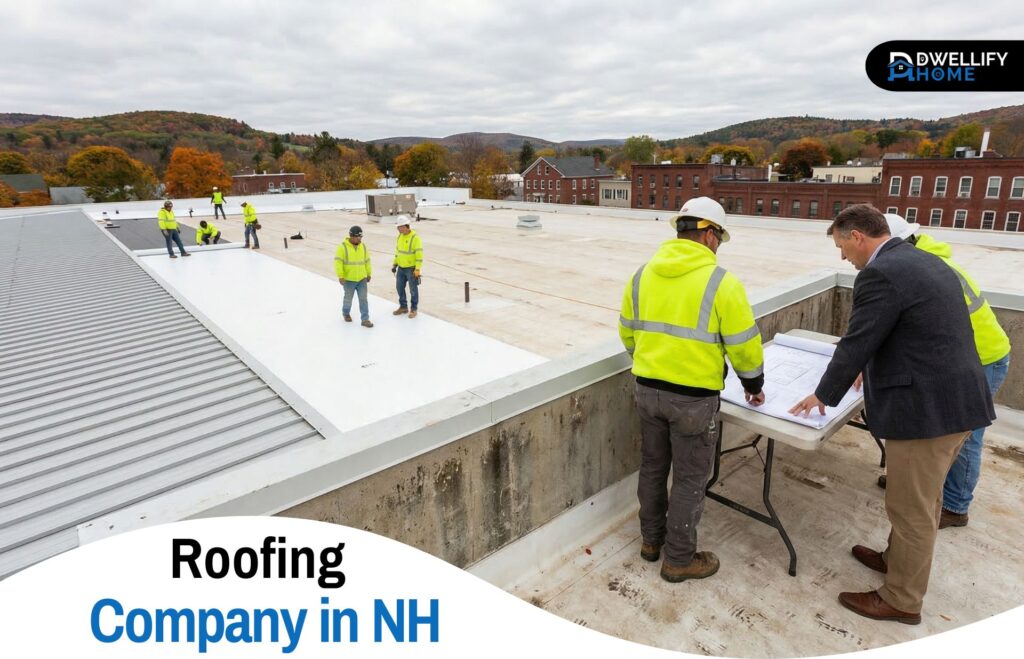
This is why working with an experienced roofing company NH businesses trust for their commercial properties matters. Companies like Sentry Roofing understand the unique demands of industrial and commercial facilities. They specialize in repairing, replacing, and maintaining systems like TPO, PVC, EPDM, metal, and built-up roofing. Whether you manage a warehouse, a manufacturing plant, or an office complex, having a reliable partner to protect your facility is essential for long-term success.
Understanding Your Commercial Roofing Options
Not all commercial roofs are the same. The right system for your building depends on your budget, the roof structure, and how the building is used. Here is a breakdown of the most common systems and where they work best.
TPO (Thermoplastic Polyolefin)
TPO is one of the most popular choices for commercial buildings right now. It is a single-ply membrane that is highly reflective, which helps keep buildings cooler in the summer and lowers energy costs. The seams are heat-welded, creating a strong bond that resists leaks. It works well for low-slope roofs commonly found on warehouses and retail centers.
PVC (Polyvinyl Chloride)
PVC is another single-ply membrane with a long track record. It is highly resistant to chemicals, grease, and fire, making it a strong option for restaurants or industrial facilities where exposure to oils and contaminants is a concern. Like TPO, the seams are heat-welded for durability.
EPDM (Ethylene Propylene Diene Monomer)
EPDM is a synthetic rubber membrane that has been used for decades. It handles extreme temperature changes well and is very flexible, which makes it easier to install around penetrations like vents and pipes. It is typically black, which absorbs heat. This can be beneficial in colder climates but may increase cooling costs in the summer.
Metal Roofing
Metal roofs are known for their longevity. They can last 40 to 50 years or more with proper maintenance. They are ideal for buildings where a traditional sloped roof is desired. Metal panels can be standing seam or corrugated. Modern metal roofs also come with high-performance coatings that reflect heat and resist corrosion.
Built-Up Roofing (BUR)
BUR is the traditional “tar and gravel” roof. It consists of multiple layers of asphalt and reinforcing fabrics, topped with a layer of gravel or a reflective coating. It is heavy and durable, providing excellent protection for buildings with strong roof decks. It also handles foot traffic better than some single-ply membranes.
Specialized Services That Extend Roof Life
Beyond full replacements, most commercial buildings need ongoing attention to maximize the life of their roof. A proactive approach saves money over time.
Metal Retrofits
If you have an aging flat roof that is failing, a full tear-off is not your only option. Metal retrofits allow you to install a new metal roof directly over the existing one. This eliminates the cost and mess of removing the old materials. It also adds an extra layer of insulation and creates a new, durable surface that can last for decades. This is a smart option for buildings that cannot afford downtime during a lengthy replacement project.
Leak Repairs
A leak in a commercial roof is urgent. Water intrusion leads to mold, structural damage, and ruined equipment. Professional roofing contractors NH facility owners rely on respond quickly to locate the source and make permanent repairs. A patch applied by a qualified contractor buys you time and prevents small issues from becoming major failures.
Custom Maintenance Plans
Every roof deteriorates at a different rate. A custom maintenance plan addresses your specific system and its weak points. A contractor inspects the roof, identifies potential trouble spots like cracked flashings or clogged drains, and schedules regular check-ups. This keeps your warranty valid and catches small problems before they turn into expensive repairs. For businesses that cannot risk unexpected closures, this type of planning is invaluable.
Why Contractor Credentials Matter
When you hire a roofing contractor, you are trusting them with one of your largest assets. Experience and manufacturer credentials make a real difference in the quality of the work.
Some contractors hold special designations, such as being a Platinum Duro-Last Contractor. This means they have met strict requirements set by the manufacturer. They receive advanced training and have a proven track record of installing that specific system correctly. When a contractor holds this level of certification, you get a roof that is installed to the highest standards, and you often benefit from better warranty coverage because the manufacturer backs both the materials and the installer.
Protecting Your Facility Long-Term
Your building houses your people, your equipment, and your inventory. Protecting it starts at the top. Taking the time to understand your roofing options and investing in professional installation or maintenance pays off in fewer headaches down the road.
If you manage a facility in Indiana or Illinois, look for a contractor with a strong local reputation and the right credentials. Whether you need a small leak repaired or a full system replacement, the goal is the same: a durable, leak-free roof that lets you focus on running your business without worrying about the weather.
Before you head out, be sure to explore our other helpful articles. Please note that some links in this article may be affiliate or sponsored links. If you click through and make a purchase, we may earn a small commission at no additional cost to you. This helps support and grow Dwellify Home. The opinions and recommendations in this post are solely our own.

I’m Bilal, the founder of Dwellify Home. With 6 years of practical experience in home remodeling, interior design, and décor consulting, I help people transform their spaces with simple, effective, and affordable ideas. I specialize in offering real-world tips, step-by-step guides, and product recommendations that make home improvement easier and more enjoyable. My mission is to empower homeowners and renters to create functional, beautiful spaces—one thoughtful update at a time.