Rodent infestations are a common concern for homeowners and business owners because rats and mice can cause property damage, contaminate food, and create serious health and sanitation problems. These pests often enter buildings in search of food, water, warmth, and shelter. Once inside, they can hide in attics, garages, basements, kitchens, storage areas, and wall cavities, making it difficult to identify the full extent of an infestation. Professional rodent control San Antonio services help property owners address these problems through proper inspections, effective removal methods, and long-term prevention strategies.
Rats and mice reproduce quickly and can establish nesting areas in hidden locations. Ignoring early warning signs may allow a small rodent problem to develop into a larger infestation. Professional pest control specialists understand rodent behavior and use appropriate techniques to identify entry points, locate nesting areas, and reduce rodent activity. Whether protecting a family home, office, restaurant, or commercial facility, professional rodent management plays an important role in maintaining a clean, safe, and comfortable environment.
Understanding Common Rodent Problems in Residential and Commercial Properties
Rats and mice are among the most troublesome pests found in residential and commercial buildings. Although both belong to the rodent family, they differ in size, behavior, nesting preferences, and movement patterns. Mice are smaller and can enter properties through extremely narrow openings, while rats are generally larger and may create noticeable damage to building materials, insulation, and electrical wiring.
Residential properties often attract rodents because of accessible food supplies, garbage containers, pet food, and sheltered outdoor spaces. Commercial properties may experience similar problems due to food storage, waste disposal areas, delivery entrances, and storage rooms. Restaurants, warehouses, offices, and retail facilities can be particularly vulnerable when sanitation and exclusion measures are inadequate.
Understanding which rodent species is present helps pest control professionals determine the most suitable inspection and treatment approach.
Common Signs of Rat and Mouse Infestations
Identifying rodent activity early can help prevent extensive damage and reduce the difficulty of controlling an infestation. Rats and mice are usually active during the night, so property owners may notice evidence of their presence before seeing the animals themselves.
Some common warning signs include:
- Droppings: Small, dark droppings near cupboards, food storage areas, walls, and nesting locations.
- Gnaw Marks: Chewed wood, plastic containers, cardboard, insulation, and electrical cables.
- Scratching Noises: Unusual sounds coming from ceilings, attics, wall cavities, and enclosed spaces.
- Nesting Materials: Shredded paper, fabric, cardboard, and insulation collected in hidden areas.
- Unusual Odors: Persistent unpleasant smells caused by rodent activity or dead rodents in inaccessible spaces.
- Footprints and Runways: Grease marks, tracks, or repeated movement patterns along walls and other surfaces.
Recognizing these signs allows homeowners and business managers to arrange professional inspections before rodent activity becomes more widespread.
How Professional Rodent Control Services Identify Infestations
Professional rodent management begins with a detailed inspection of the property. Pest control specialists examine areas where rats and mice commonly hide, travel, and establish nests. Instead of relying only on visible evidence, they investigate potential entry points and environmental conditions that may encourage rodent activity.
During an inspection, professionals may examine attics, crawl spaces, garages, kitchens, storage rooms, utility openings, and exterior walls. They also look for gaps around doors, damaged ventilation screens, openings near pipes, and cracks in foundations.
The inspection helps determine the type of rodent, the likely size of the infestation, the locations of nesting areas, and the conditions contributing to the problem. Based on these findings, specialists can recommend a treatment and prevention plan suited to the property’s needs.
A thorough inspection is important because removing visible rodents without addressing hidden nesting areas or access points may allow the infestation to return.
Effective Methods Used for Professional Rodent Control
Professional rodent control involves several techniques designed to reduce rodent populations and prevent further activity. The appropriate approach depends on the property layout, rodent species, infestation severity, and surrounding conditions.
1. Strategic Trap Placement
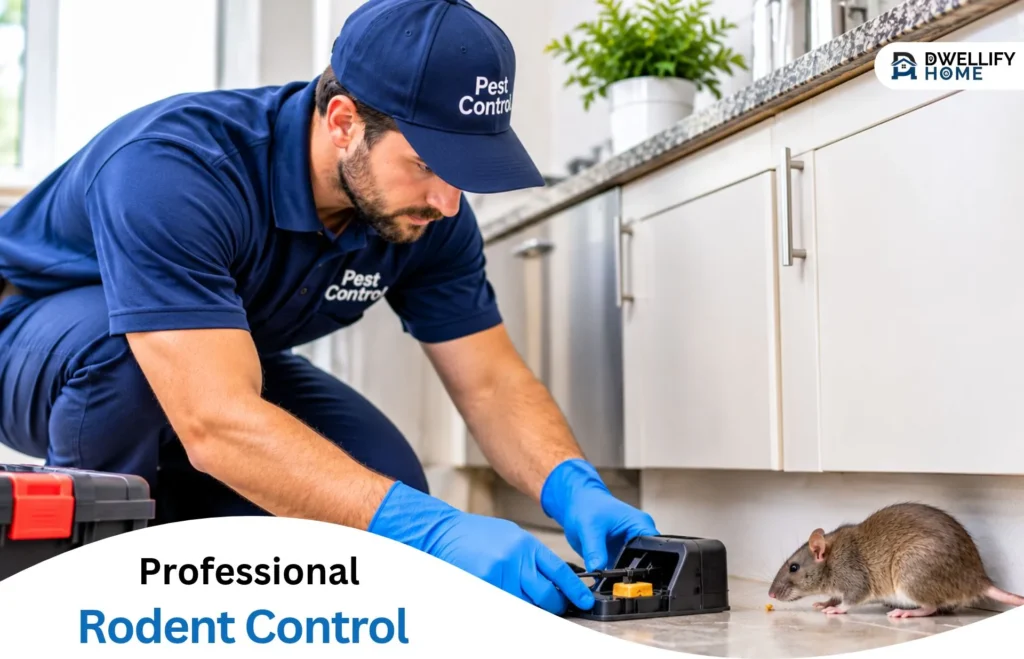
Traps are commonly used to capture rats and mice in areas where rodent activity has been identified. Pest control professionals select suitable traps and position them along established travel routes, near nesting locations, or in other areas showing signs of activity.
Correct placement is important because rodents often follow familiar paths along walls and protected spaces. Professional monitoring also helps determine whether the selected traps are effective.
2. Rodent Baiting and Monitoring
In certain situations, professionals may use approved rodent bait products as part of a broader control program. These products must be selected and applied carefully according to label directions and safety requirements.
Proper placement helps reduce unnecessary exposure to children, pets, wildlife, and non-target animals. Professionals also monitor bait stations and inspect treatment areas to evaluate progress.
3. Sealing Entry Points
Exclusion is one of the most important parts of long-term rodent prevention. Rats and mice can enter buildings through gaps around pipes, damaged door sweeps, roof openings, utility lines, and ventilation systems.
Professionals identify vulnerable areas and recommend suitable materials to seal openings. Installing door sweeps, repairing screens, securing vents, and closing structural gaps can make it more difficult for rodents to enter.
4. Sanitation and Environmental Management
Rodents are attracted to accessible food, water, and nesting materials. Professional recommendations often include improving waste management, storing food in sealed containers, cleaning food preparation areas, and removing clutter.
Reducing these resources makes residential and commercial properties less attractive to rodents and supports the effectiveness of other treatment methods.
How Rodent Infestations Affect Property and Human Health
Rodent infestations can create several problems beyond the inconvenience of seeing rats or mice indoors. One major concern is property damage. Rodents continuously gnaw on materials to maintain their teeth, which can damage furniture, wooden structures, insulation, plastic items, and electrical wiring.
Chewed electrical cables may create potential fire hazards, while damaged insulation can affect energy efficiency and indoor comfort. Rodents may also contaminate food preparation surfaces, stored products, and other areas through droppings, urine, and nesting materials.
Health concerns are another important reason to address infestations promptly. Rodents can carry disease-causing organisms and spread contamination through their waste, bites, and parasites. Direct contact with rodents or contaminated materials can create health risks.
For this reason, rodent droppings and nesting materials should never be handled carelessly. Appropriate protective equipment and safe cleaning procedures are important when addressing contaminated areas.
Why Residential Properties Need Professional Rodent Control
Homes provide rodents with many opportunities to find food, water, and shelter. Kitchens, garages, attics, storage areas, and outdoor sheds are common locations where rodent activity may develop.
Professional rodent control helps homeowners identify the conditions attracting these pests and address the infestation more effectively. Specialists can inspect difficult-to-reach spaces, recommend appropriate removal methods, and identify structural openings that need attention.
Regular inspections and preventive maintenance can also help homeowners recognize developing problems before they become serious. Maintaining clean kitchens, securing garbage bins, storing food properly, and trimming vegetation near the building are useful preventive practices.
A combination of professional treatment and responsible household maintenance supports a healthier and more comfortable living environment.
The Importance of Rodent Control for Commercial Businesses
Rodent infestations can have serious consequences for businesses, particularly those involved in food preparation, storage, hospitality, and retail operations. Rats and mice can contaminate products, damage inventory, chew electrical wiring, and create unsanitary working conditions.
Restaurants and food service facilities must pay particular attention to sanitation, waste management, and pest prevention. Warehouses and storage facilities should regularly inspect stored materials, loading areas, and building entrances for signs of rodent activity.
Professional rodent control programs help businesses maintain cleaner environments through inspections, targeted treatments, monitoring, and exclusion recommendations. Consistent pest management can also support business operations by reducing the likelihood of product contamination and property damage.
Preventive Measures to Keep Rats and Mice Away
Although professional treatments are important, everyday preventive practices also play a major role in controlling rodent activity. Property owners can reduce the likelihood of infestations by eliminating common food sources and limiting access to sheltered nesting locations.
Some useful prevention measures include:
- Store food, grains, and pet food in tightly sealed containers.
- Keep garbage bins covered and remove waste regularly.
- Repair holes, cracks, and gaps around doors and windows.
- Install protective screens over vents and other openings.
- Avoid leaving food scraps and standing water in accessible areas.
- Reduce clutter in garages, attics, and storage rooms.
- Maintain landscaping and remove excessive vegetation near buildings.
- Inspect utility openings and exterior walls for possible rodent access.
These practices help create an environment that is less attractive to rats and mice. Combining prevention with professional inspections provides a stronger approach to long-term rodent management.
Choosing the Right Professional Rodent Control Company
Selecting a reliable pest control provider is an important step in addressing rodent infestations. Property owners should consider the company’s experience, inspection procedures, treatment methods, safety practices, and approach to prevention.
A dependable provider should explain the source of the infestation, identify areas requiring attention, and recommend a treatment plan based on the property’s conditions. It is also important to understand how monitoring, follow-up visits, and exclusion recommendations are included in the service.
Homeowners and business managers should look for appropriately licensed and insured pest control professionals who follow applicable regulations and use approved treatment products. Clear communication and consistent service can make the rodent management process more effective.
Conclusion
Rats and mice can create serious challenges for residential and commercial properties by contaminating food, damaging structures, chewing electrical wiring, and introducing potential health risks. Early detection, proper inspections, targeted removal methods, and preventive maintenance are essential for managing these pests effectively.
Professional rodent management provides a structured approach to identifying infestations, eliminating rodent activity, and reducing the conditions that encourage pests to return. By combining strategic trapping, appropriate baiting, exclusion techniques, and improved sanitation, property owners can protect their buildings and maintain healthier surroundings.
Investing in professional rodent control San Antonio services can help homeowners and businesses address existing infestations while taking practical steps toward long-term prevention. Regular monitoring and responsible property maintenance remain important for keeping rats and mice away and protecting the safety, cleanliness, and condition of buildings.
This article may include links connected to third-party commercial relationships. These may involve affiliate marketing or sponsored content, through which Dwellifyhome.com may receive commissions or other compensation.