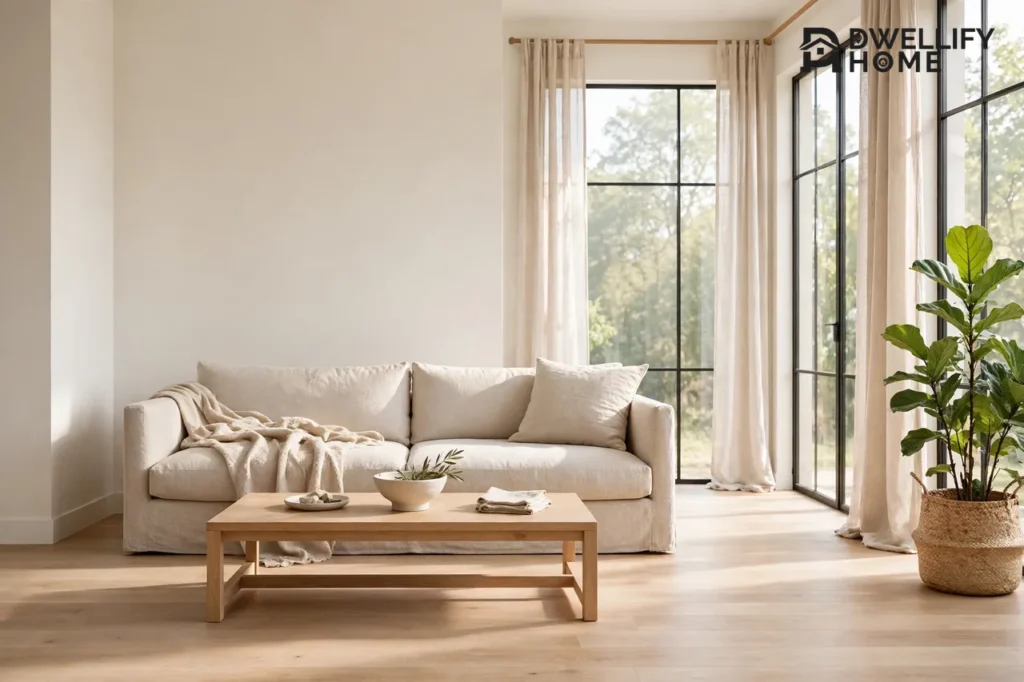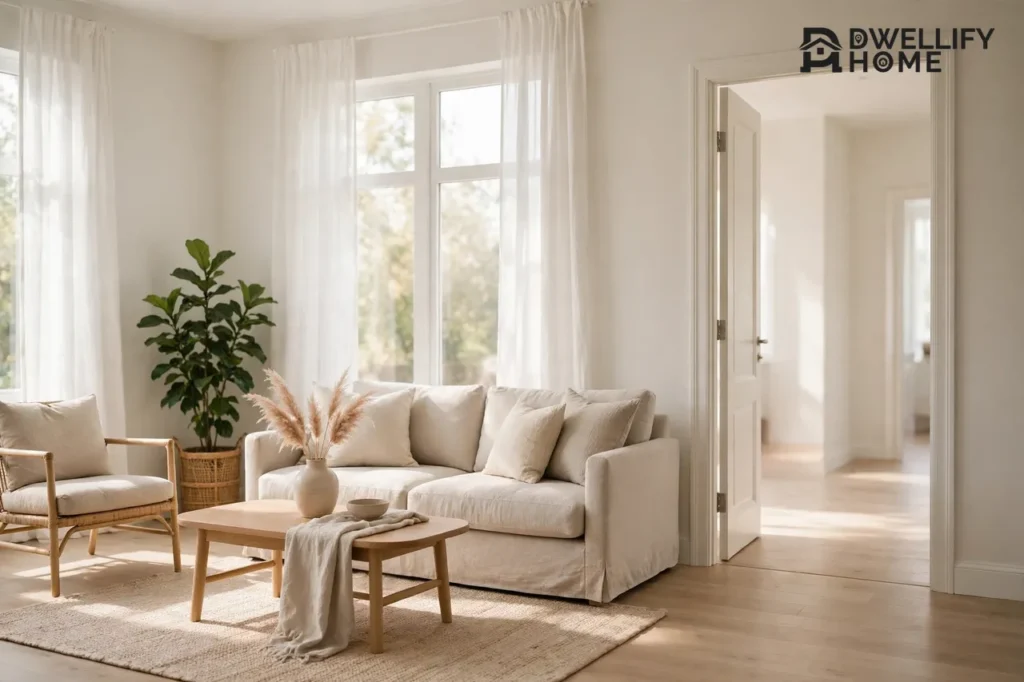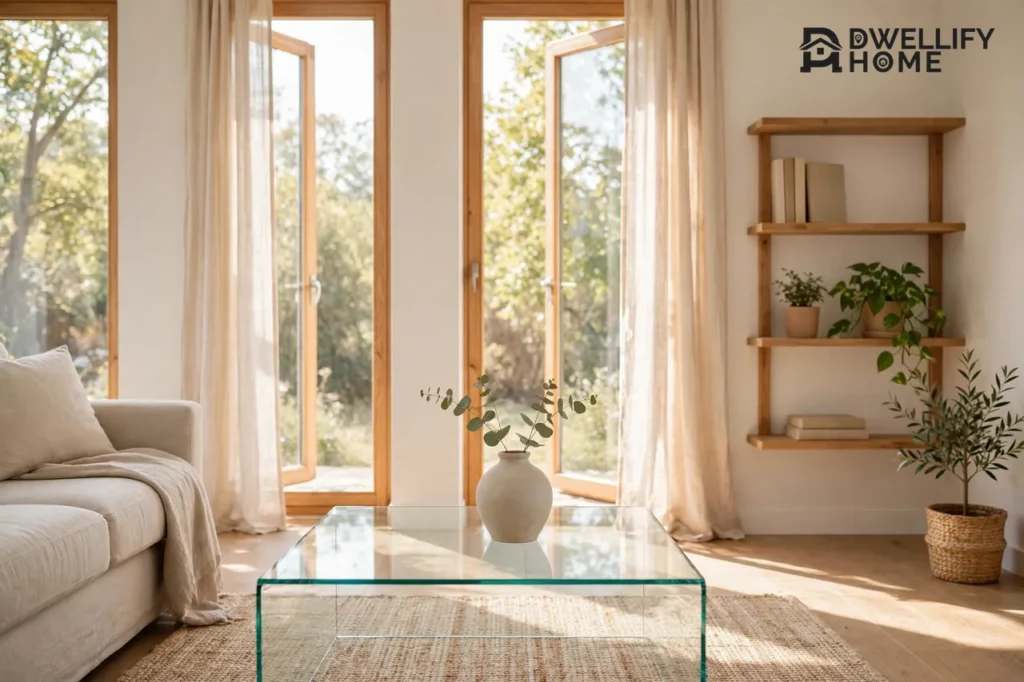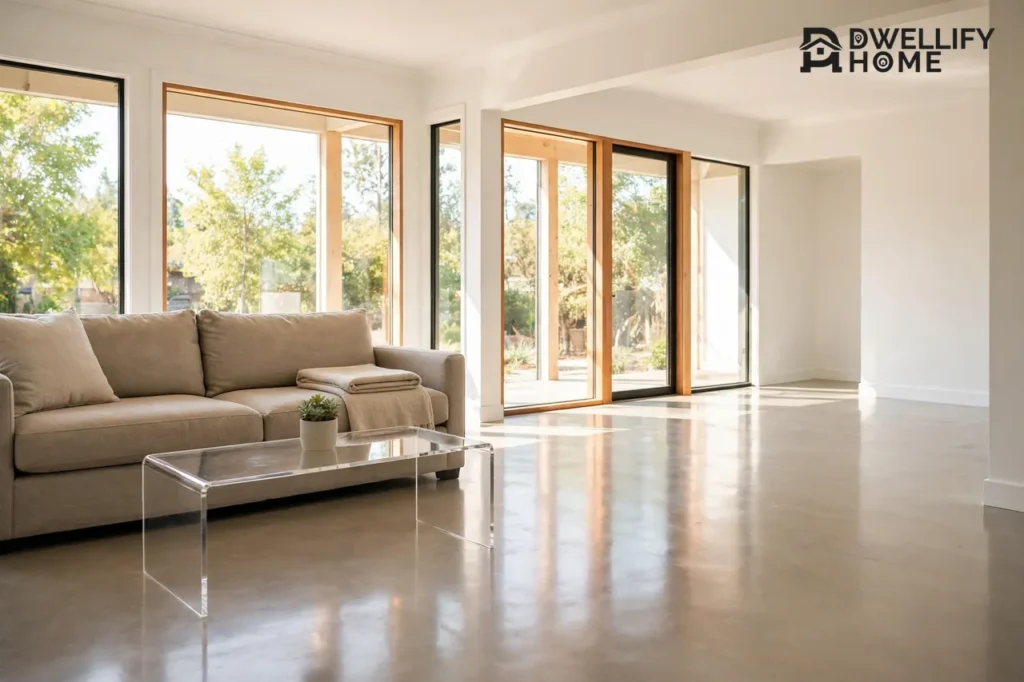
A clear plan to declutter home for sale starts with one truth: buyers first meet your home through photos, and a cluttered room photographs smaller than the same room cleared of extra stuff.
Decluttering before you list is the cheapest upgrade a seller can make. It costs little more than time and a few boxes, yet it changes how every room reads in photos and in person. When you declutter your home with selling in mind, you are not just tidying. You are helping buyers see floor space, light, and storage instead of your belongings. This guide walks you through the whole job, room by room, so you can get show-ready without burning out.
Why Decluttering Before Selling Pays Off
Buyers decide how a home feels within seconds of walking in. A crowded shelf, a packed closet, or a counter covered in small appliances all send the same quiet message: there is not enough room here. The same rooms, cleared of the extra layers, feel bigger, brighter, and easier to live in. That feeling is what turns a viewing into an offer.
Decluttering also makes the rest of the sale easier. Cleaners can reach every surface, photographers can frame wide shots, and you pack less when moving day comes. Sellers who start early avoid the last-minute rush of stuffing things into closets, which buyers always open. If the whole job feels heavy, start with the smallest win. Our guide on how to start decluttering when overwhelmed shows how one drawer can build the momentum for the rest of the house.
The goal is simple: buyers should see space, not stuff. Every choice in this guide serves that one idea.
Start With a Plan and a Timeline
Give yourself four weeks if you can. A month sounds generous, but it lets you work in short sessions and still finish before photos. If your listing date is closer, compress the same order into two weeks and double the daily time. Either way, write the plan down and tape it to the fridge where you will see it every morning.
| Week | Focus areas | Goal by Sunday |
|---|---|---|
| Week 1 | Entry, living room, dining room | Public rooms clear and photo-ready |
| Week 2 | Kitchen and bathrooms | Counters clear, cupboards tidy |
| Week 3 | Bedrooms and closets | Closets half-empty, beds clear |
| Week 4 | Basement, attic, garage, outdoors | Storage open, donations gone |
Work in the order buyers see the home. The entry and living room come first because they set the tone. Bedrooms and storage come later because they take the most decisions. Set a timer for 60 to 90 minutes per session and stop when it rings. Short, finished sessions beat long sessions that end in a bigger mess.
Before you touch a single shelf, gather your tools: four large boxes or bags, a marker, tape, and cleaning cloths. Label the boxes before you start so every item has a destination the moment you pick it up.
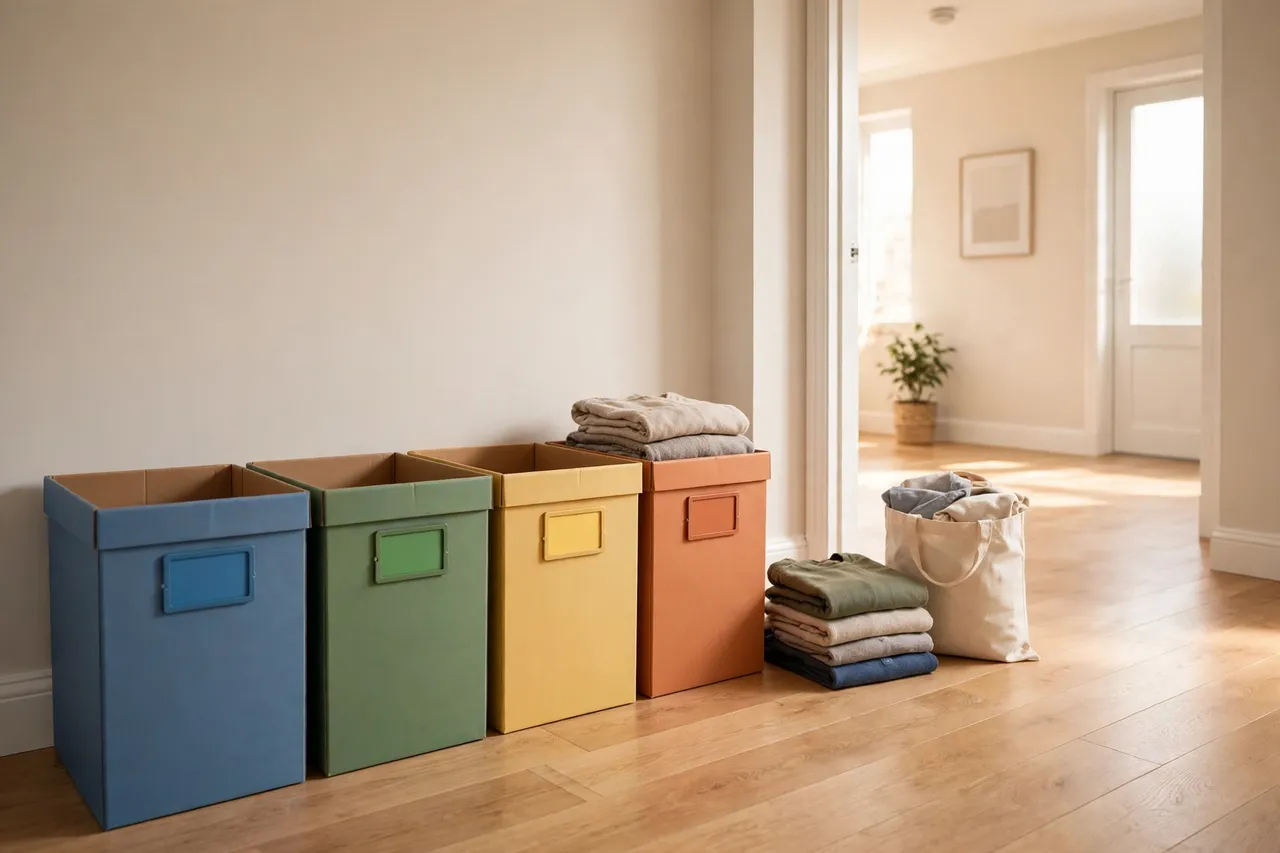
The Four-Box Sorting System That Ends Dithering
Most decluttering stalls on decisions, not on effort. The four-box system fixes that by giving every item one of four homes. Keep, donate, sell, and trash. Pick an item up, choose a box, and move on. The rules for decluttering work best when they stay this simple: if you have not used it in a year, it does not earn space in a home you are trying to sell.
- Keep: you use it now, it fits the next home, and it looks good in the room.
- Donate: it works and someone else can use it, but it is not part of your next home.
- Sell: it has real resale value and you have time to list it before the move.
- Trash or recycle: it is broken, expired, stained, or missing parts.
Add one small fifth box for “decide later” items, but give it a firm date. If you have not opened it by that date, the whole box goes to donation without a second look. The point is to handle each item once and never let a maybe pile grow on the floor.
Move full boxes out of the room the same day. A bag of donations sitting in the hallway has a way of drifting back into cupboards. Load the car, drop it off, and enjoy the empty floor that is left behind.
Room by Room: Entry, Living Room, and Kitchen
These are the rooms buyers photograph in their minds first, so they deserve the most care. Work top to bottom and left to right in each room so nothing gets missed and you can see progress as you go.
Entry and hallways
Clear the walking route and every door. Remove extra coats, shoes, and bags so the entry feels wide. Keep one hook per person and one small tray for keys. Take down crowded photo walls and leave a single mirror or piece of art that bounces light into the hall.
Living room
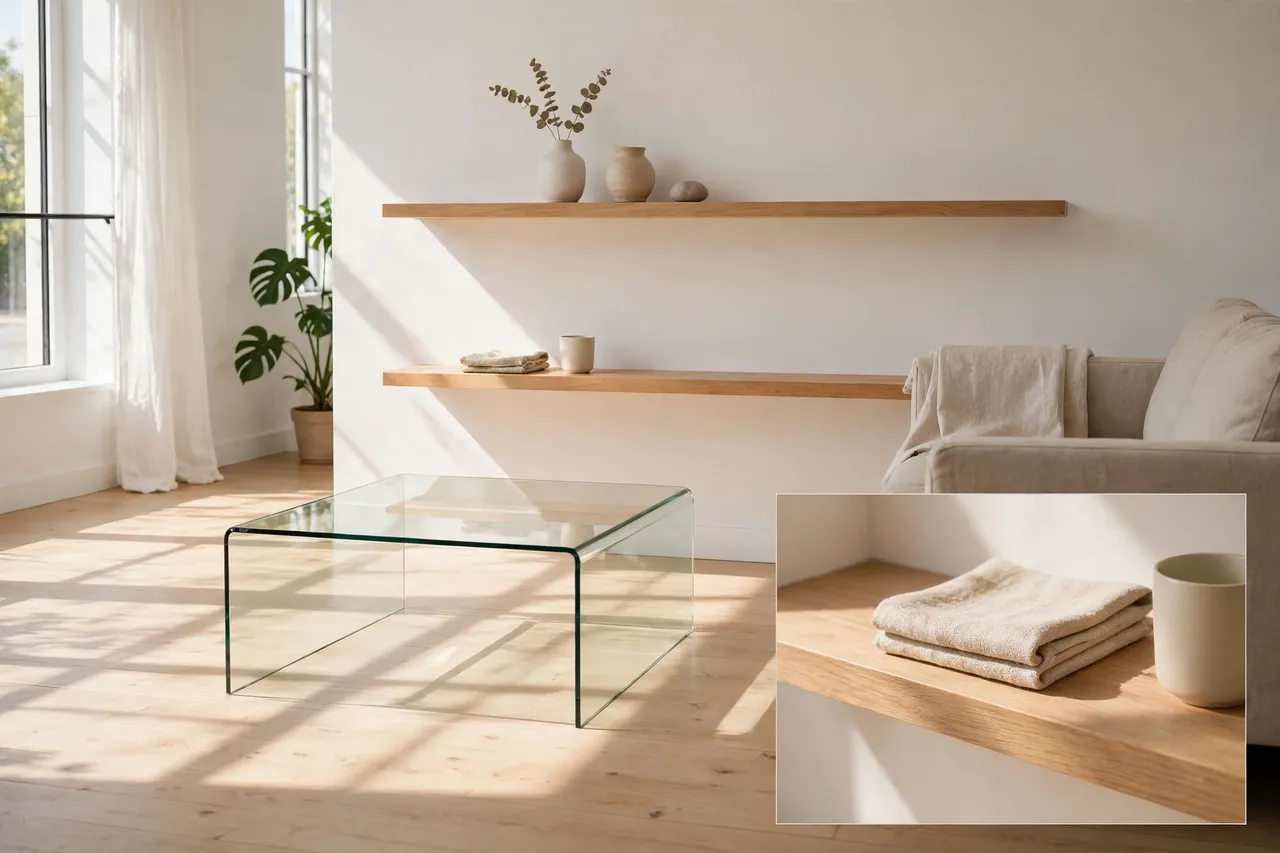
Remove furniture that narrows a doorway or hides floor area. Pull the sofa a few inches off the wall if it makes the room feel larger. Cut collections down to two or three pieces per shelf and leave open space around them. Hide cords, remotes, and pet supplies in a closed basket. Our room guide to declutter the living room goes deeper on furniture and layout choices that open a room up.
Kitchen
Clear the counters until only one or two daily items remain, such as a coffee maker or a fruit bowl. Aim to free about 80 percent of the surface. Empty the cupboards one at a time and toss orphaned containers, chipped mugs, and gadgets you never use. Check the pantry for expired food and group what stays by use. Clear the front of the fridge completely, including magnets, photos, and papers. Our guide to declutter kitchen cabinets walks through the cupboard-by-cupboard method step by step.
Bedrooms, Closets, and Bathrooms
Buyers judge storage by what they can see, and they will open every closet and drawer. A closet that is half empty reads as generous storage. A closet packed tight reads as a home with no room left. Remove about half the clothes from each closet, starting with anything that does not fit, is out of season, or has not been worn in a year. If you want a method to follow, Apartment Therapy shows how to organize a closet in five simple steps, starting by taking everything out and sorting by what you use, need, and love before anything goes back.
In bedrooms, keep the bed made with simple, fresh bedding and clear the nightstand to a lamp and a book. Remove extra chairs, exercise gear, and piles of laundry. Fold what stays and leave open space on shelves so the room breathes.
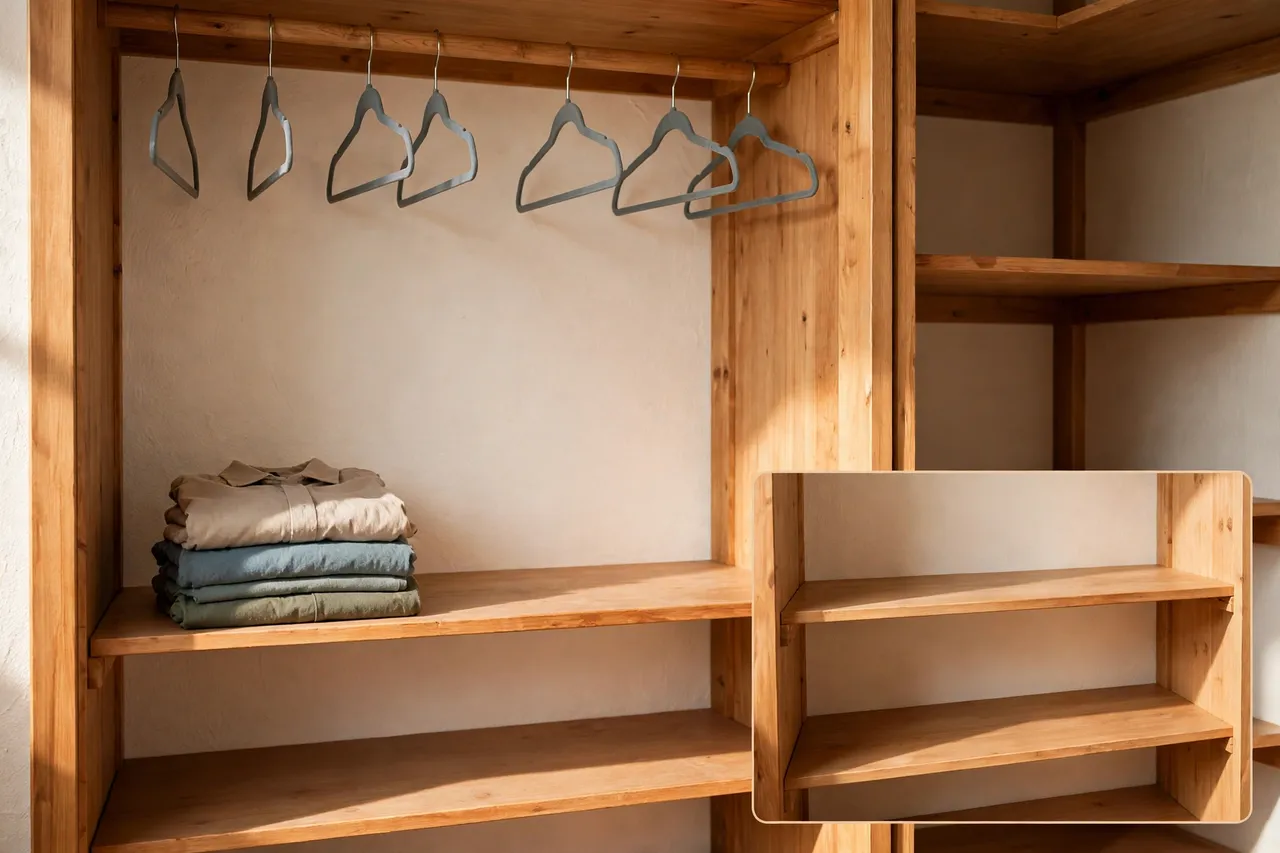
Bathrooms need the same treatment on a smaller scale. Toss expired medicines, old makeup, and half-empty bottles. Keep one set of fresh towels per person and store the rest out of sight. Clear the counter to soap and one or two daily items. Read our declutter bathroom guide for the full cabinet and drawer pass, including what to do with items you must keep but should never leave on display, such as medication and valuables.
While you work, set aside anything personal or valuable and move it out of the house or into a locked spot. Buyers and their agents will walk through while you are out, so small valuables, keys, and documents should never sit in an open drawer.
Storage Spaces Buyers Always Open
Never hide clutter in a closet, garage, or basement and hope buyers will not look. They will. Storage that is crammed full tells buyers the home has no room for their things, even if the living areas look perfect.
Start with the garage. Group tools, sports gear, and seasonal items, and donate or toss anything broken or unused for two years. Stack what stays neatly along the walls and leave the center floor clear so buyers can see the size of the space. Do the same in the basement and attic: one tidy zone per category, labeled boxes, and a clear walking path.

The laundry room and linen closet count too. Keep two sets of sheets per bed and two sets of towels per person, and donate the worn extras. Fold everything the same way so shelves look calm and even. If you need a holding spot for packed boxes, use one corner of the garage only, stacked neatly, and keep every other storage space open and visible.
Depersonalize Without Making the Home Feel Cold
Depersonalizing is the step sellers resist most, and it matters most. Buyers need to picture their own family in the rooms, and your family photos, kids artwork, and bold collections make that harder. Take down most personal photos and leave one or two neutral pieces per room. Swap themed or bright decor for calm, simple items in soft colors.
That does not mean stripping the home bare. A bare room feels cold and small in photos. Keep a few things that show how the room is used: a throw on the sofa, a plant on the sill, a book on the table. Professional organizers often suggest thinking of the home as a tidy guest house rather than a blank box. If you want a second view on the balance, the decluttering tips from professional organizers at Homes & Gardens explain how to keep warmth while you edit.
Paint is worth a look too. A bright accent wall you love may be the first thing a buyer wants to change. One coat of warm white or soft grey on that wall costs little and photographs far better.
What to Do With Everything That Leaves
Every item that leaves needs a destination the same week, or it will creep back. Donations go to a charity that confirms pickup dates, and you should book the pickup before you start sorting. Items worth selling go online the same day with a firm deadline: if they do not sell in two weeks, they go to donation. That deadline keeps the garage from filling with “for sale” piles.
Recycling and trash need a plan as well. Check your local rules for paint, batteries, electronics, and chemicals, since these cannot go in the regular bin. Rent a small skip or book a junk removal pickup for large items such as broken furniture. The faster things leave the property, the faster the home starts to feel like a show home.
Keep a simple list of what you donated, with photos if you plan to claim a tax deduction. A notebook by the door, updated as each bag leaves, takes a minute and saves a headache later.
Your Show-Ready Checklist
Run this checklist the day before photos and again before every viewing. It takes about 20 minutes once the big decluttering is done, and it keeps the home looking its best while it is on the market.
- All flat surfaces clear except one or two styled items per room
- Beds made, towels fresh, toilet lids down, bins empty
- Closets half-empty with doors that open and close freely
- Counters clear, fridge front bare, pantry doors tidy
- Floors clear, rugs straight, shoes and coats in one spot
- Lights on, curtains open, windows clean, bins and pet items hidden
- One small basket by the door for last-minute items before a viewing
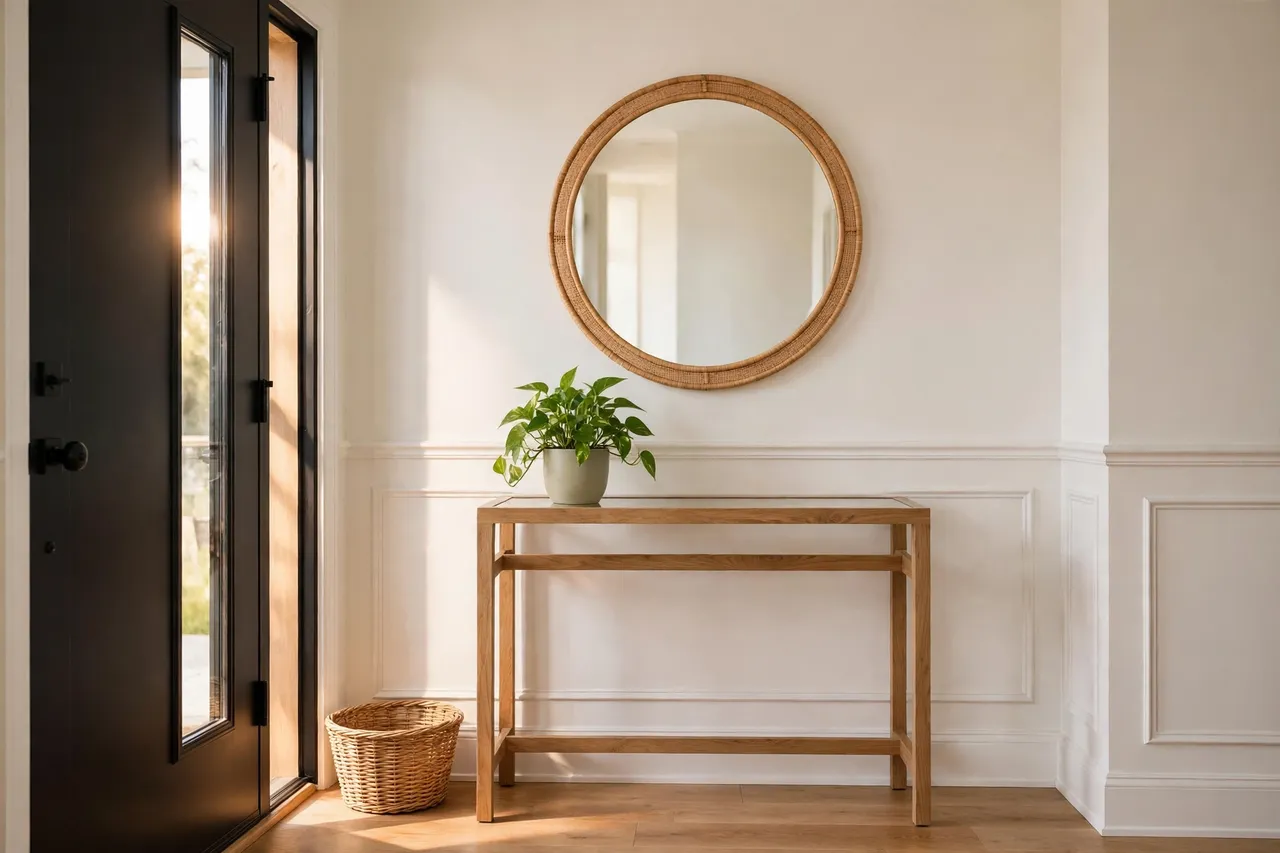
That basket is your secret weapon. When a viewing is booked, walk the house with it, sweep in anything out of place, and carry it to the car. Ten minutes of tidying before a showing protects all the hours you spent decluttering.
Decluttering for a sale is hard work, but it is work that pays you back. A home that shows space, light, and storage invites stronger offers and a faster sale. Start with one room this week, and let the empty shelves do the talking.
Related Guides
If you are decluttering for a sale, these guides from the same series will help with the next steps. Read our tips on decluttering before moving so the purge carries straight into packing, and our plan for how to declutter your home fast when the listing date is closer than you would like. For the garage and storage spaces, see declutter the garage, and for the full picture start with our pillar guide to decluttering.
Frequently Asked Questions
Do buyers really need to look into all my closets?
Yes, buyers open closets, cupboards, and storage spaces at almost every viewing because storage is one of the first things they judge. A closet that is half empty reads as generous space, while a packed one suggests the home has no room left. Clear about half of each closet before you list.
Have I used this in the last year?
This is the single most useful question to ask while you sort. If you have not used an item in the past year, and it is not seasonal or a true keepsake, it does not earn space in a home you are trying to sell. Put it in the donate or sell box and move on to the next item.
Would a buyer find this distracting?
If an item pulls the eye away from the room itself, a buyer will find it distracting. Family photos, bold collections, political items, and crowded shelves all compete with the features you want buyers to notice. Remove the distractions and let the light, floor space, and layout speak instead.
Does this add value to my space?
An item adds value only if it helps a buyer see how the room is used or makes the room feel calmer and larger. A single plant, a clean fruit bowl, or a folded throw can add value. A crowded shelf, a pile of gadgets, or a wall of photos does not, no matter how much you love it.
Why does it matter? It’s my stuff and it doesn’t come with the house.
It matters because buyers judge the home by what they see, not by what stays after the sale. Piles of clothes and papers make buyers think the house is too small or short on storage, even when the rooms are fine. Decluttering costs nothing and can change the number of offers and the price buyers are willing to pay.