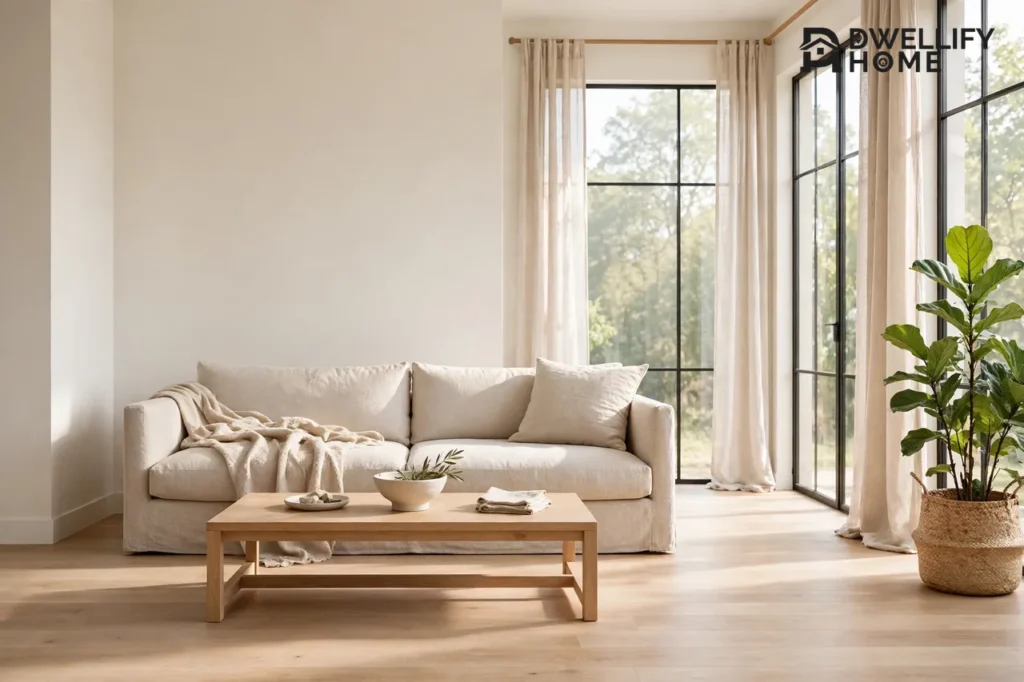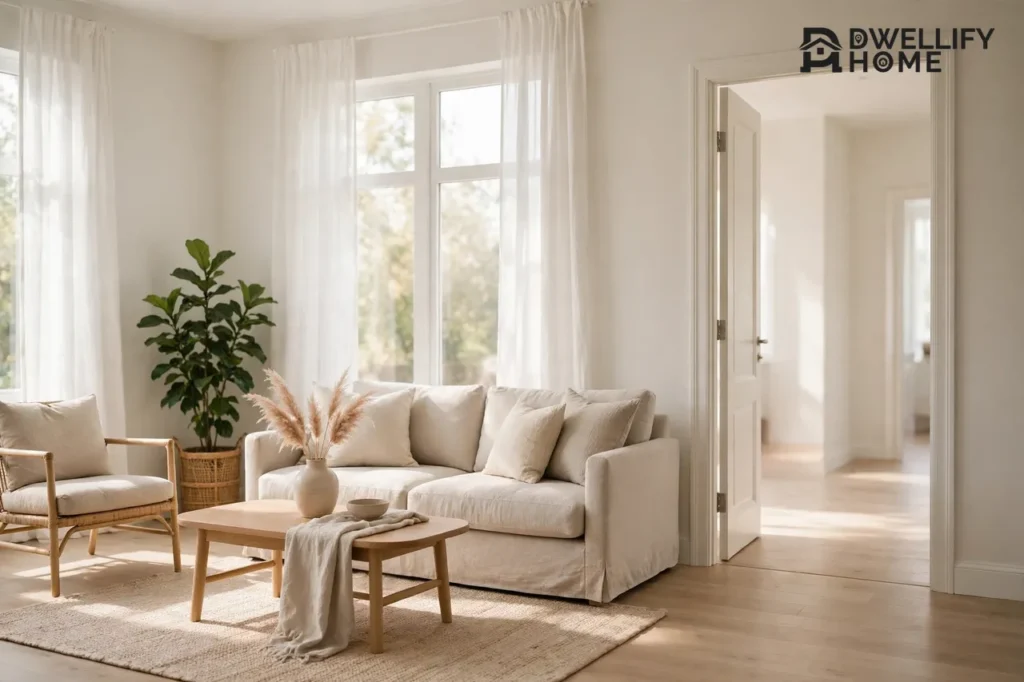
Decluttering with feng shui means treating clutter as blocked qi: objects piled against walls, floors, and doorways physically restrict how energy and air move through a room, and the same restriction makes the room harder to use.
Clear the entryway first, work outward room by room, and give every object one of four decisions: keep, give away, sell, or dispose.
The method is straightforward, and the order matters more than the speed. In feng shui, you cannot have good energy in a cluttered home, so clearing the space comes before any other adjustment: no new furniture arrangement or decorative cure fixes a room you cannot walk through. The good news is that the work costs nothing and the change is visible the same day.
What Clutter Means in Feng Shui
In feng shui, clutter is not just physical mess. It includes anything unused, unfinished, unloved, broken, disorganized, or emotionally heavy that creates stagnant energy in a home. A drawer of dead batteries, a chair buried under clean laundry, a broken clock kept for sentimental reasons: all of them count, because all of them hold a place that something useful could occupy.
The tradition describes qi as a vital energy that moves through a home the way air and light do. When a doorway is blocked, when a hallway is narrowed to a single-file path, when the space under the bed is packed solid, qi cannot circulate freely. You do not need to believe in energy to feel the effect: a clear room is easier to clean, easier to move through, and easier to relax in. The feng shui declutter simply gives that practical truth a clear order to follow.
It helps to sort clutter into kinds before you start. Unused things are the biggest group: clothes that no longer fit, duplicate kitchen tools, gifts kept out of obligation. Broken things are the second: cracked crockery, stopped clocks, appliances waiting years for repair. Unfinished things are the third: projects half done, papers half filed, boxes never unpacked. Each kind gets the same question, and the answer decides its fate.
The Three Questions for Every Item
Before you pick anything up, decide the four destinations: keep here, move elsewhere, donate or sell, and discard. Then, as you hold each item, ask three questions. The first is whether you absolutely love it. The second is whether you use it regularly. The third is whether it represents who you are today and who you want to be in the future.
If an item fails all three, it goes. If it passes one with real conviction, it stays and earns a proper home. The six-month rule is a useful tiebreaker: anything unused or unmoved for six months goes, which is long enough to protect genuine seasonal items such as winter coats and holiday dishes.
Do not buy remedies, organizers, or storage before the sort. Buying storage for things you have not yet decided to keep is the most common way a declutter with feng shui stalls: the new baskets fill up, the clutter stays, and the room looks organized for about a week. Sort first, then buy only what the kept items actually need.
The Order to Work In: Entryway First
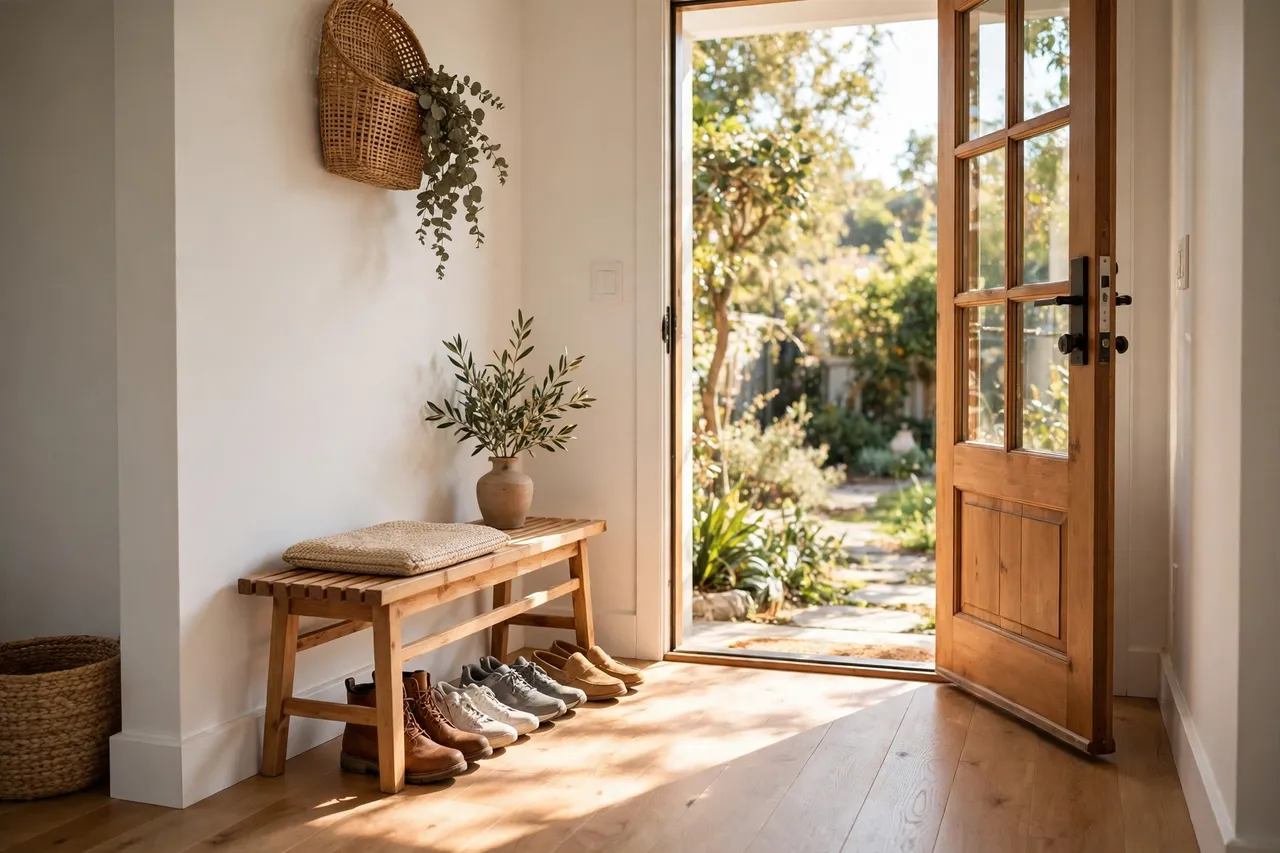
Clear in this order and each step makes the next one easier. The front door is called the mouth of qi, so it is the natural starting point. Clear shoes, bags, recycling, and anything stored behind the door so that it opens fully. A clear, well-lit path from the threshold into the home is the single most cited adjustment in the tradition, and it is also the first thing guests see.
Start with a 15-minute reset if the whole entryway feels like too much. Collect rubbish and recycling, clear the doorway and the main walking path, return objects that belong in other rooms, reset one visible surface, and put the donation bag near the exit. That five-step sequence fits in a quarter of an hour and changes how the house feels when you walk in.
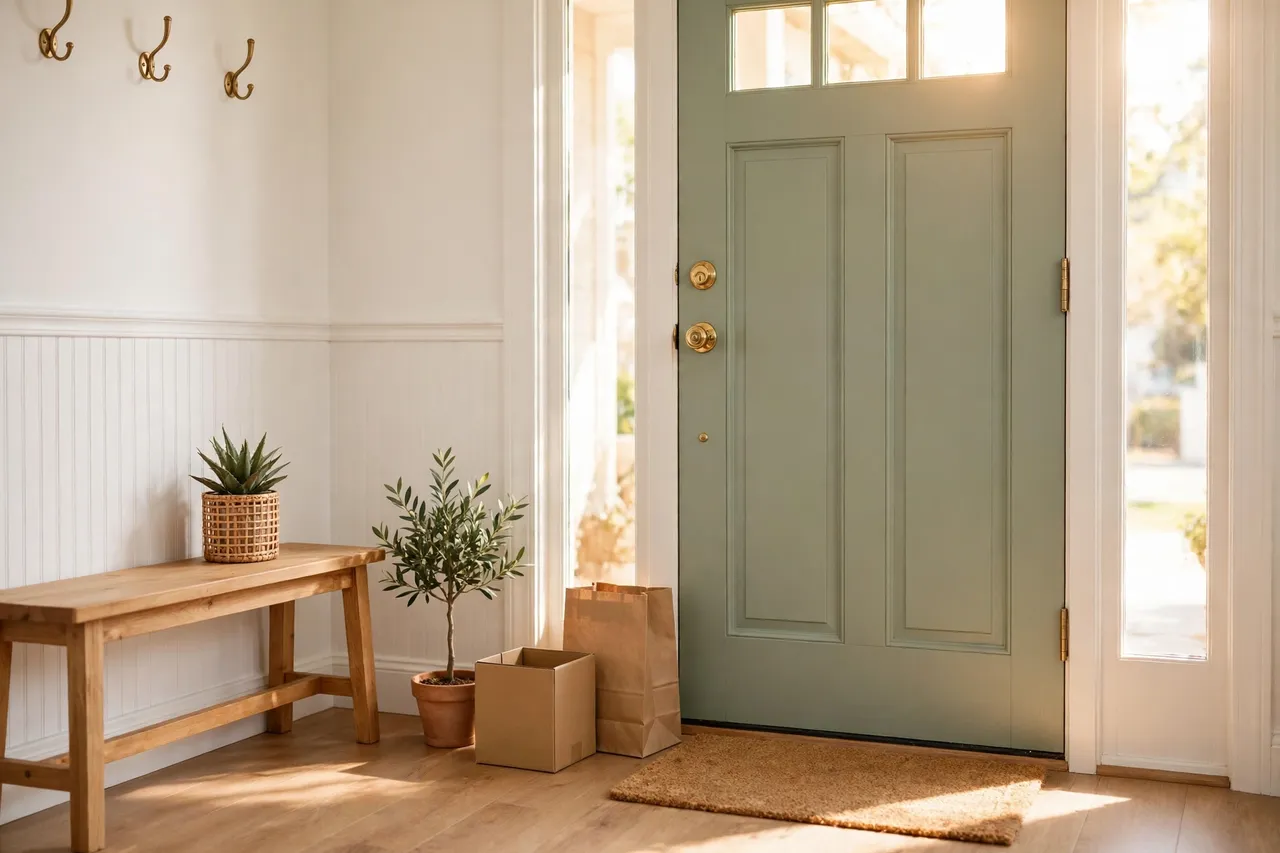
If your entryway is a tight hallway, a low bench with cubbies underneath keeps shoes and bags contained without narrowing the path. A few mudroom bench designs show how a small bench and a row of hooks can turn even a narrow entry into a working drop zone, but the bench is a bonus: the clear path is the point.
Kitchen and Bathroom: Where Clutter Has Consequences
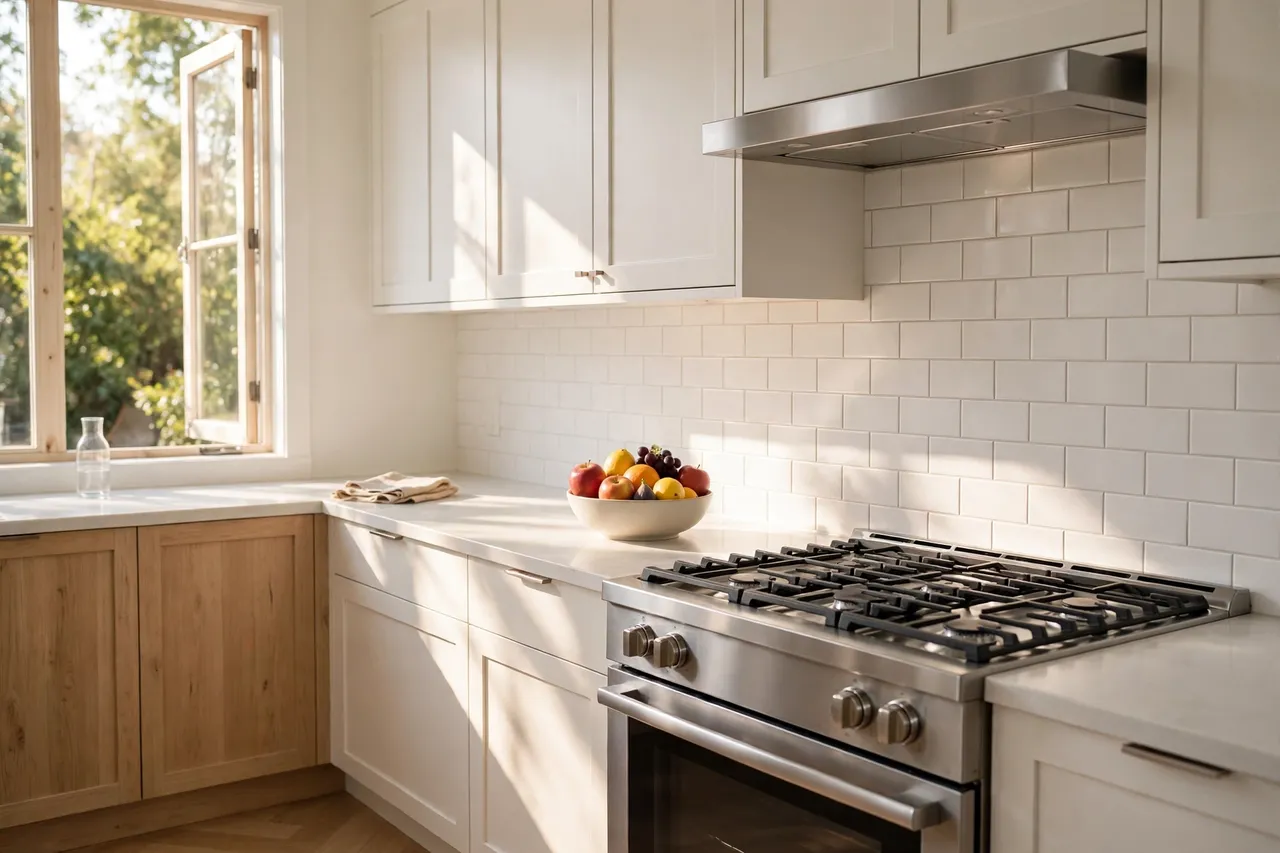
Next come the kitchen and bathroom, the two rooms where clutter has functional consequences. A blocked work surface means cooking takes longer; a fridge you cannot open properly means food goes to waste; a bathroom cabinet full of expired products means the things you need are buried.
In the kitchen, clear the worktops first, then discard expired food and chipped dishes, and keep the burners clean and usable. The stove is treated with particular care in feng shui because the kitchen is associated with nourishment, but the practical reason is the same: a stove you can reach and use is a kitchen that works. Sort one shelf or one drawer at a time, and finish each small zone before opening the next cupboard.
In the bathroom, discard out-of-date medicines and cosmetics, free samples, and nearly empty bottles. Keep daily items within easy reach and move the rest to a single shelf. If the linen cupboard is part of the problem, a little linen closet organization goes a long way: two sets of sheets per bed is plenty, and folded towels in neat columns stop the toppling pile.
Bedroom: Clear the Floor and Under the Bed
Then the bedroom. Clear the floor around the bed and everything from under it. The tradition is especially firm about the space under the bed: storage there is said to keep qi from circulating around the sleeper. Whether or not you follow the energy reasoning, a clear floor means you can get up in the dark without tripping, and a clear nightstand means the things you reach for at night are actually within reach.
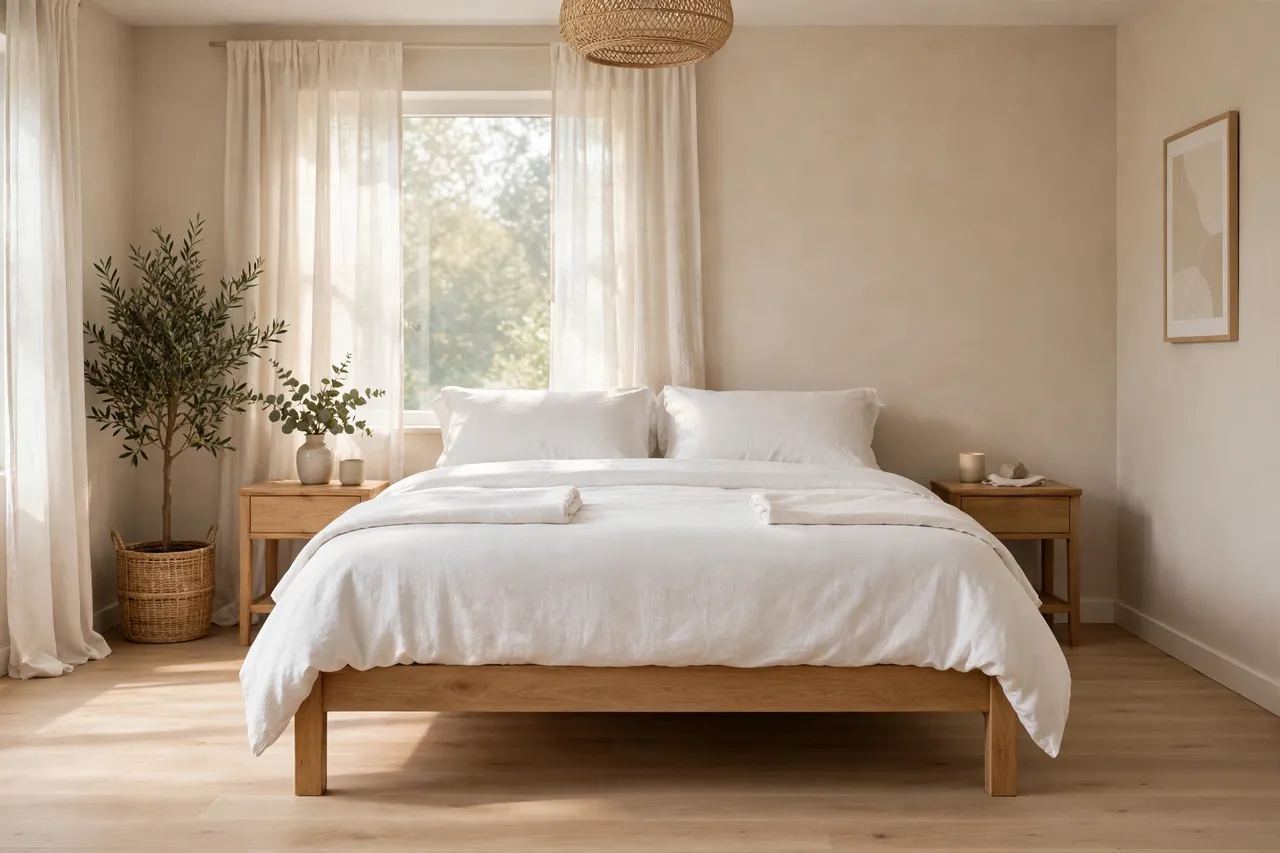
Move work and exercise equipment elsewhere if possible. The bedroom is the most restful room in the house, and a desk full of unfinished business or a pile of laundry on the chair works against that purpose. Edit the wardrobe one category at a time, and keep the clothes you love and wear at eye level.
Finish the bedroom with fresh air and light. Open the windows, let sunlight in, and make the bed. A made bed with clear surfaces on either side is the fastest visible win in the whole house, and it sets the tone for the rest of the day.
Living Room: Clear Routes Before Styling Shelves
In the living room, begin with movement between the entrance, seating, and any adjoining room. Clear walkways first, then the coffee table, then the shelves. Shared rooms gather the household overflow: post on the table, toys on the floor, cables behind the television. Aim for a dining table that is used for eating rather than storage, and seating you can reach without stepping around piles.
Only after the routes are clear should you style anything. A shelf of objects you love looks calm when it has breathing room around it; the same shelf looks cluttered when it is crammed between piles of things waiting for a decision. Feng shui living room decluttering is really this sequence in miniature: routes first, surfaces second, decoration last.

If the living room still feels crowded after the sort, a second pass usually finds another layer. Our guide to decluttering the living room walks through that pass room by room, and the pillar guide to decluttering covers the sorting method in full.
Storage, the Bagua, and Keeping It Clear
Storage rooms, garages, and attics come last, because they collect the overflow from every other room. Sort them the same way, one zone at a time, and be honest about what lives there: if you have not used it in a year and it is not seasonal, it is not storage, it is clutter with a roof over it.
You can use a Bagua map to choose a starting area, but it is optional. The map divides the home into areas linked to different parts of life, and some practitioners start with the area that feels most stuck. If that idea appeals to you, use it to pick your first room; if it feels complicated, skip it. The entryway-first order works on its own.
Keeping clutter from returning is a small set of habits. Give every kept item one home and return it there. Keep flat surfaces mostly clear. Run a 15-minute reset once a week: rubbish out, donations by the door, one surface reset. And keep the one-in-one-out rule for new purchases, so the house never quietly refills.
A Realistic Seven-Day Feng Shui Declutter Plan
If you would rather follow a plan than decide each day, this sequence covers the house in a week of short sessions. Each day is one area, one timer, one finished result.
| Day | Area | Focus |
|---|---|---|
| Day 1 | Entryway | Door swing, shoes, bags, keys |
| Day 2 | Living room | Walking routes, coffee table, media |
| Day 3 | Bedroom | Nightstands, laundry, floor around bed |
| Day 4 | Wardrobe | Current clothing, repairs, donations |
| Day 5 | Kitchen | Worktops, expired food, chipped dishes |
| Day 6 | Bathroom and linen | Expired products, towels, sheets |
| Day 7 | Storage and donations out | One shelf, bags to the car |
By the end of the week the doorways are clear, the floors are clear, and the surfaces you use every day are clear. From there, the weekly reset keeps it that way. For the bedroom specifically, how to declutter your bedroom goes deeper on the wardrobe and nightstand, and decluttering the kitchen cabinets covers the trickiest storage in the house.
Related Guides
If the whole idea of a simpler home appeals to you, minimalist home shows how to keep the calm after the clear-out. For the living room specifically, simple living room ideas keep the room warm without refilling it. And if you want the general method behind all of this, the pillar guide to decluttering is the best next step.
Frequently Asked Questions
Which room should I declutter first for Feng Shui?
Start with the room or route causing the most daily friction. The entryway is often useful because it affects every arrival and departure, but a blocked kitchen counter or unusable desk may deserve attention first.
Is decluttering enough for good Feng Shui?
Decluttering is a practical foundation, not the whole tradition. Feng Shui also considers orientation, room function, placement, and symbolic associations. A clear room can still have an awkward furniture arrangement, while a carefully arranged room can become difficult to use when clutter returns.
Do I need to throw away sentimental objects?
No. Keep meaningful objects intentionally. Display a small selection where you can enjoy it, store delicate items safely, and let go of the duplicates and the pieces that carry guilt rather than joy.
Why is decluttering important in Feng Shui?
Decluttering is important in Feng Shui because clutter blocks the smooth flow of Chi, or life force energy. Clearing a space is treated as the first step before any other feng shui adjustment can work properly.
What does clutter mean in Feng Shui?
In Feng Shui, clutter is not just physical mess. It includes anything unused, unfinished, unloved, broken, disorganized, or emotionally heavy that creates stagnant energy in your home.
Decluttering with feng shui is not about buying anything or believing anything. It is about clearing the doorway, clearing the floor, and clearing one surface at a time, until the house breathes again. Start at the front door tonight, and let the calm follow the clearing.