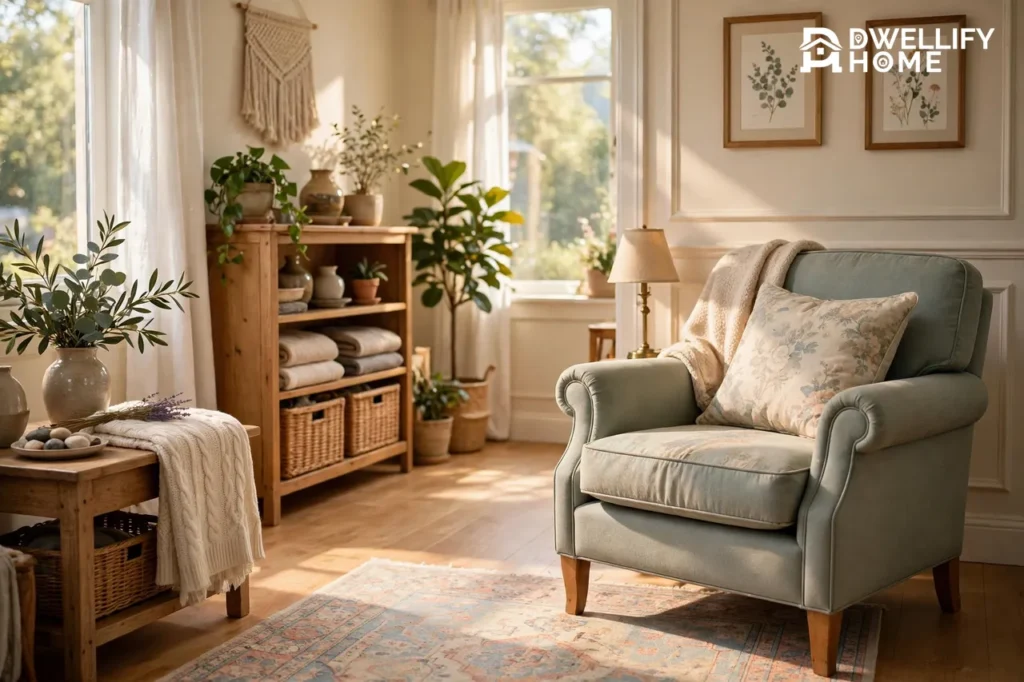
Decluttering tips for seniors start with a simple rule: begin early, work in short sessions of 10 to 20 minutes, start with the least sentimental rooms, and let the senior decide what stays.
Downsizing for seniors is about more than letting go of belongings. It is about creating a living space that truly supports current needs.
Whether the move is into a smaller home, a loved one’s house, or a senior living community, or whether the plan is simply to stay put in a safer, simpler home, the transition can be difficult and emotional. A thoughtful approach makes it manageable: a plan, a realistic timeline, short sessions, and family involved early, not at the last minute.
Start Early and Go at a Comfortable Pace
The single best piece of advice is to start months in advance. Beginning early helps avoid rushed decisions and allows everyone involved time to adjust emotionally. Processing and packing always take longer than you think, and movers often need several weeks of notice, especially for out-of-state moves.
Set a realistic timeline with a finish date. Without a deadline, the process can drag on for months or even years as family members find time to help. Agree together on when sorting sessions will happen and when the project needs to be completed, then put the sessions on the calendar like appointments.
Work in short sessions. Ten to twenty minutes at a time keeps the process manageable and prevents fatigue. Stop while the energy is still good, and come back tomorrow. Short sessions beat long ones every time, because a tired decision is usually a decision to keep everything.
Safety First: Clear the Walkways
Before anything else, make the home safe. Clear hallways, doorways, and living areas so there is a clear path through every room. Clutter in walkways is a tripping hazard, and for older adults a fall can change everything. If the home has stairs, keep them completely clear, and make sure the path to the bathroom at night is lit and free of obstacles.
Prioritize the areas that affect daily life: the route from the bed to the bathroom, the kitchen floor, the front door, and the stairs. Heavy lifting should be left to family or helpers. Nobody should be carrying boxes down stairs or dragging furniture alone, and a step stool is no place for sorting the top shelf.
The safety pass is also a quick win. Clearing one hallway or one flight of stairs shows visible progress in under an hour, and that momentum carries into the harder rooms.
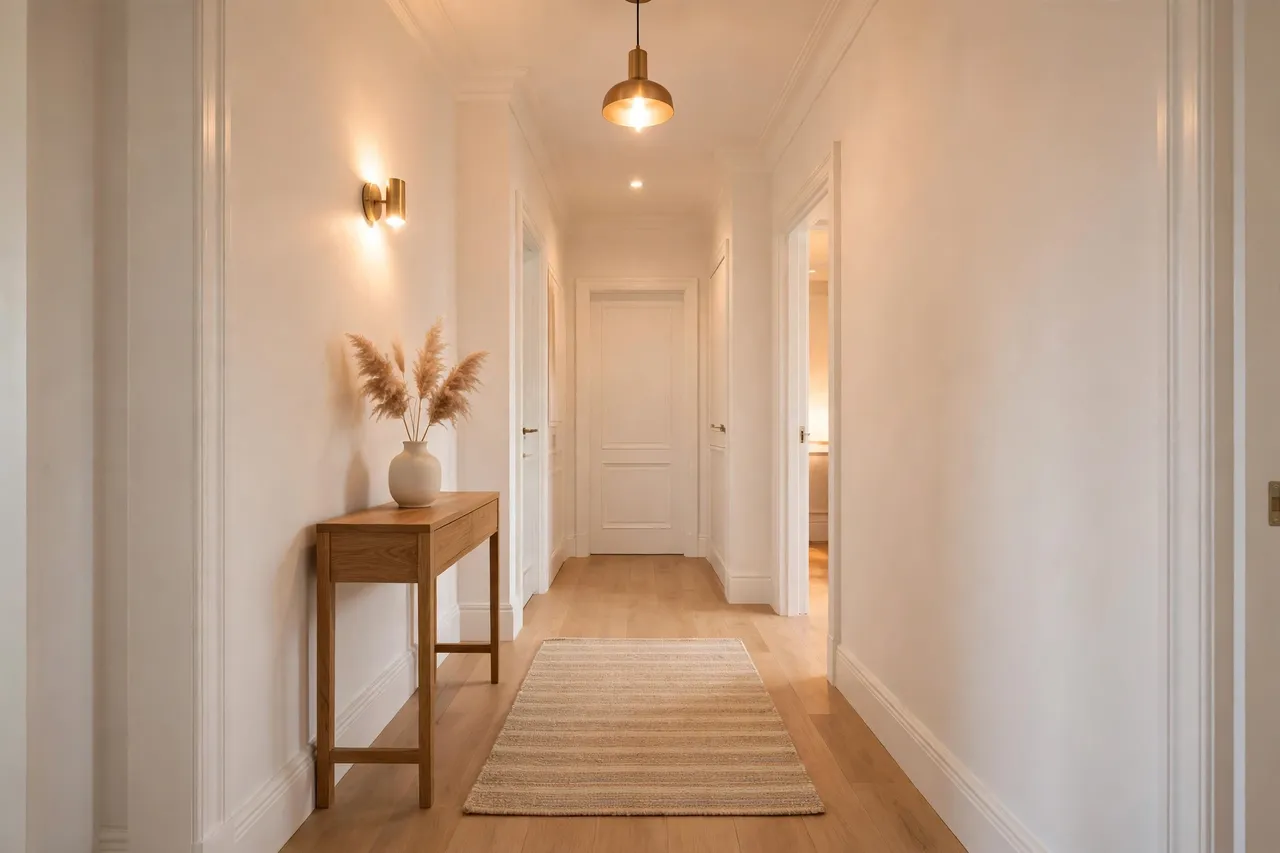 If mobility is limited, a family member can do the moving while the senior does the deciding, which keeps the choices where they belong.
Use a Simple Sorting Method
Use a simple sorting method with clear destinations, and use the same categories throughout the home so the process stays consistent. Five piles cover almost everything: keep, give away, donate, sell, and toss. For some people a simpler set works better: keep, donate, gift, and throw, plus one small box for items still being decided.
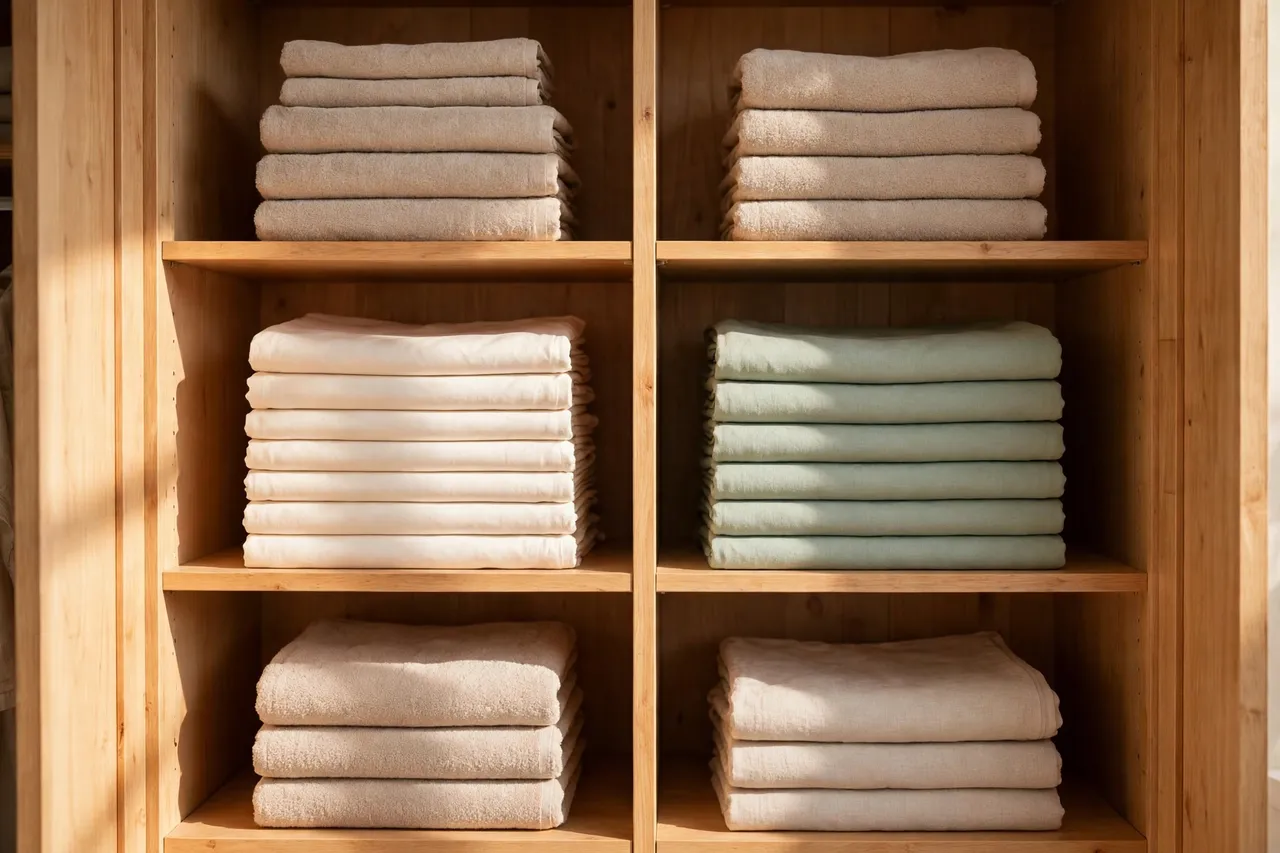
Begin with less sentimental areas. Spaces like the kitchen, bathroom, or linen closet help build confidence before moving on to items with deeper meaning. The bathroom is a good first room: expired products and worn-out towels decide themselves. The linen closet is another easy win, since most homes keep far more sets of sheets than they use. Two sets per bed is plenty, and decluttering the linen closet covers that small space in detail.
Handle documents carefully. Sort through paperwork and toss anything no longer needed, but keep tax records for seven years and shred any old documents with private or sensitive information. Our guide to organizing paperwork at home walks through a filing setup that keeps the important papers in one place.
Decluttering Room by Room
A room-by-room approach makes decluttering less intimidating and helps everyone see the progress. Keep the process simple, and work in this order.
Kitchen
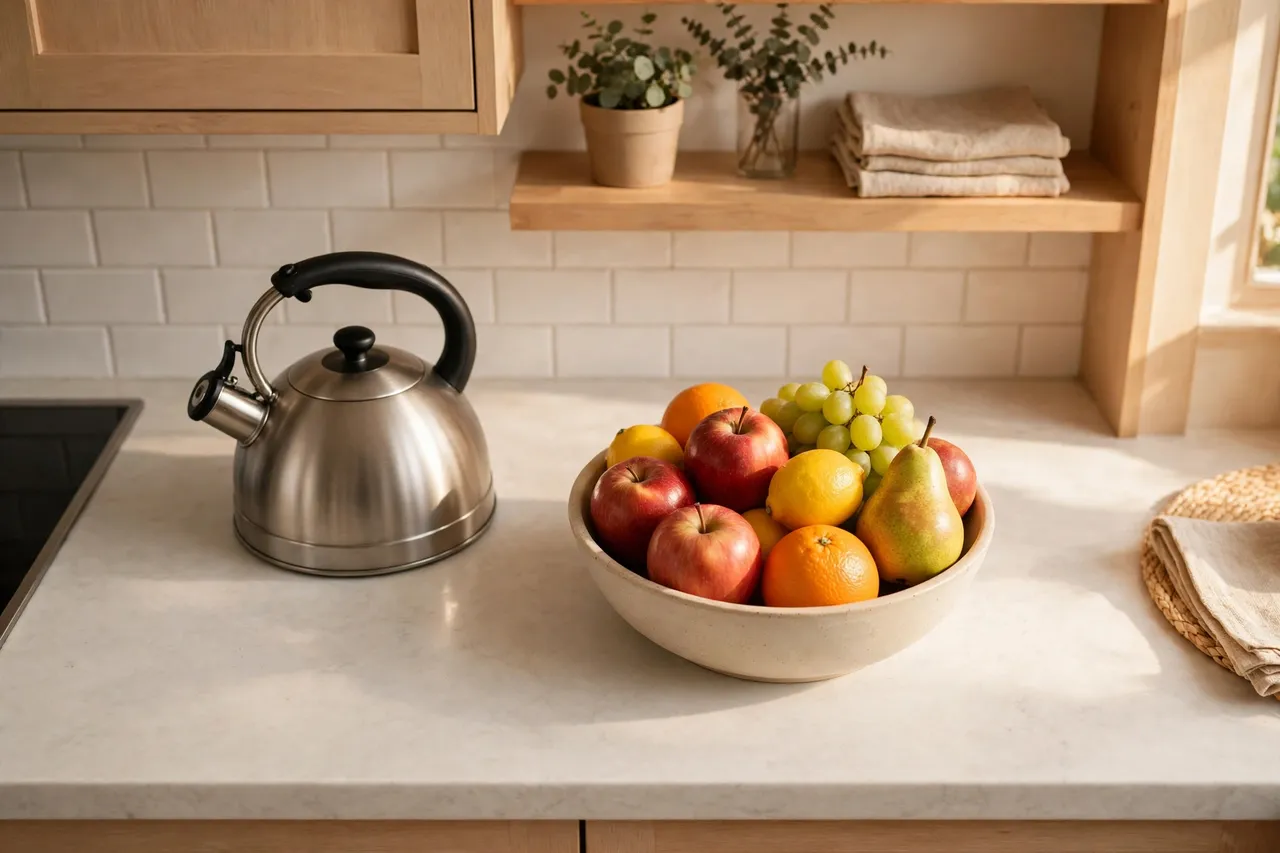
Look for duplicates first: three ice cream scoops, four sets of sheets in the linen closet, two blenders. Keep the best one and let the rest go. Clear expired food, chipped dishes, and small appliances that have not been used in years. A kitchen that is easy to cook in is a kitchen that gets used.
Bathroom and linen closet
Clear out-of-date medicines and cosmetics, free samples, and nearly empty bottles. Fold towels in neat columns so they stop toppling, and keep daily items within easy reach. If the pantry needs the same treatment, a few pantry shelving ideas can help the kept items earn their place.
Living room and bedrooms
Clear the surfaces and the walkways first, then work through drawers and shelves. Ask which furniture will actually fit in the new space, and create a basic floor plan before deciding what moves. Understanding what will realistically fit guides every decision about furniture and essentials, and it stops the heartbreak of moving a piece that cannot fit through the door.
Garage, attic, and storage
Save these for last, and bring help. The garage may hold tools and lawn equipment that have not been used in years, and those can go to younger family members just starting out. The attic often holds children’s things: a letter jacket, a first pair of shoes, a collection of toys. Buy a plastic bin for each child to fill as you sort, and it becomes a nice surprise the next time they visit. For the garage specifically, decluttering the garage covers the heavy lifting in detail.
Family Heirlooms: Gift Early and Ask First
The hardest part of downsizing is rarely the stuff. It is the memories attached to it, and the worry about what happens to the things that matter. The kindest approach is to gift early and ask first.
If you are holding on to items to pass to the next generation, ask your heirs if they want the items. Be prepared for them to say no, and be gracious about it. A grandmother’s china set is a treasure to one person and a storage problem to another, and the answer is not a judgment on the giver.
Hold a picture party for the family photos: gather everyone, give each person a box, and let them choose their favorites from the stash. It turns a lonely sorting job into a family afternoon, and the photos end up with the people who actually want them.
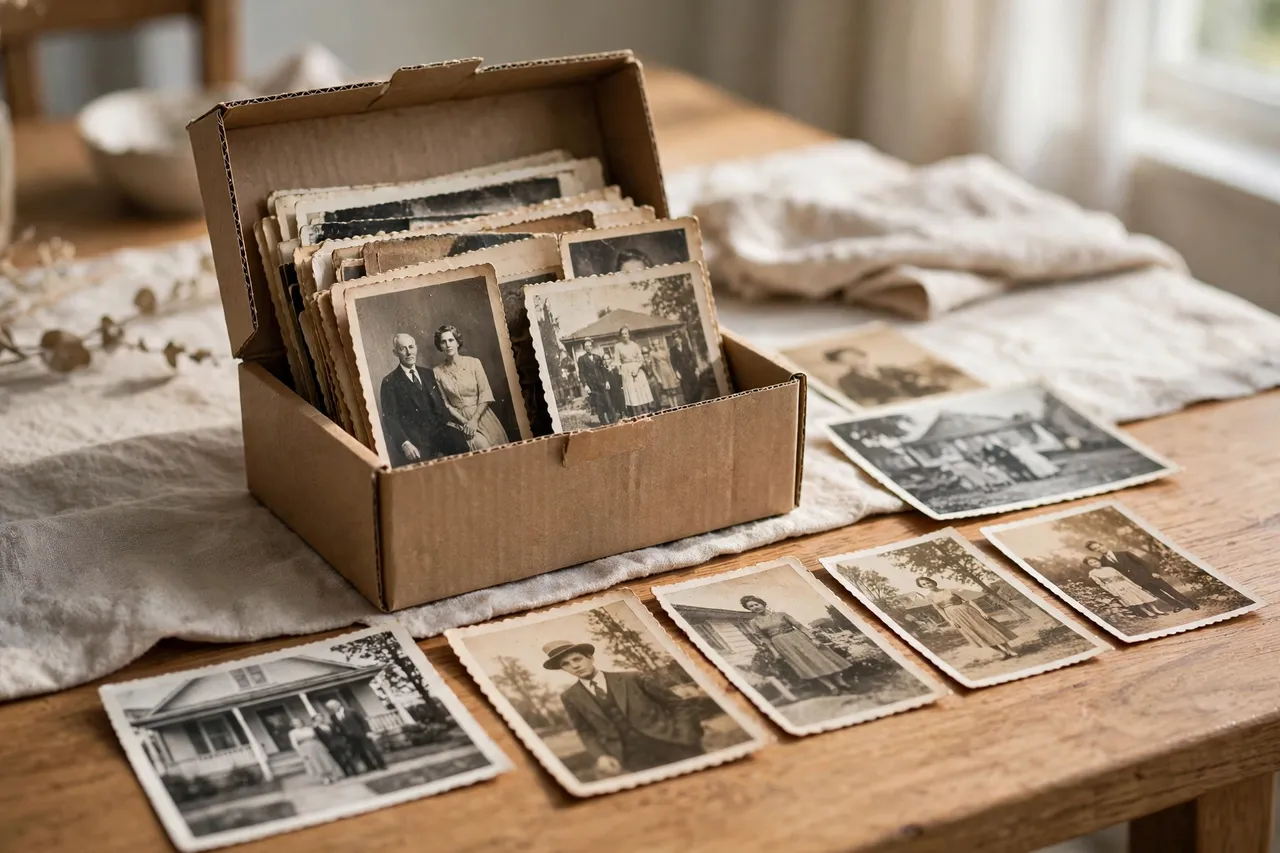 For items nobody in the family wants but that still carry meaning, a single photograph often holds the memory just as well as the object.
When a family member accepts an item, establish a firm deadline for pickup. Otherwise, communicate that the item will be given to someone else or donated. A gift that sits in the hallway for six months helps no one.
What to Do With What Leaves
Plan for the outbound items before you start sorting, so nothing piles up by the door. Donations of clean, usable items can go to local charities, and many charities will pick up from the house. Items in good condition can go to a consignment shop, which also keeps clothing out of landfill.
For larger or more valuable items, a quick price check online helps decide whether selling is worth the effort. For bulky furniture, book a pickup or a donation-center trip before moving anything. If the move involves a storage unit for items that need a decision later, decluttering a storage unit explains how to keep that from becoming a second attic.
Set a date for everything to be gone, and put the donation bags in the car at the end of each session. A bag that sits by the door for three weeks is just clutter in a new location.
If You Are Moving: A Simple Timeline
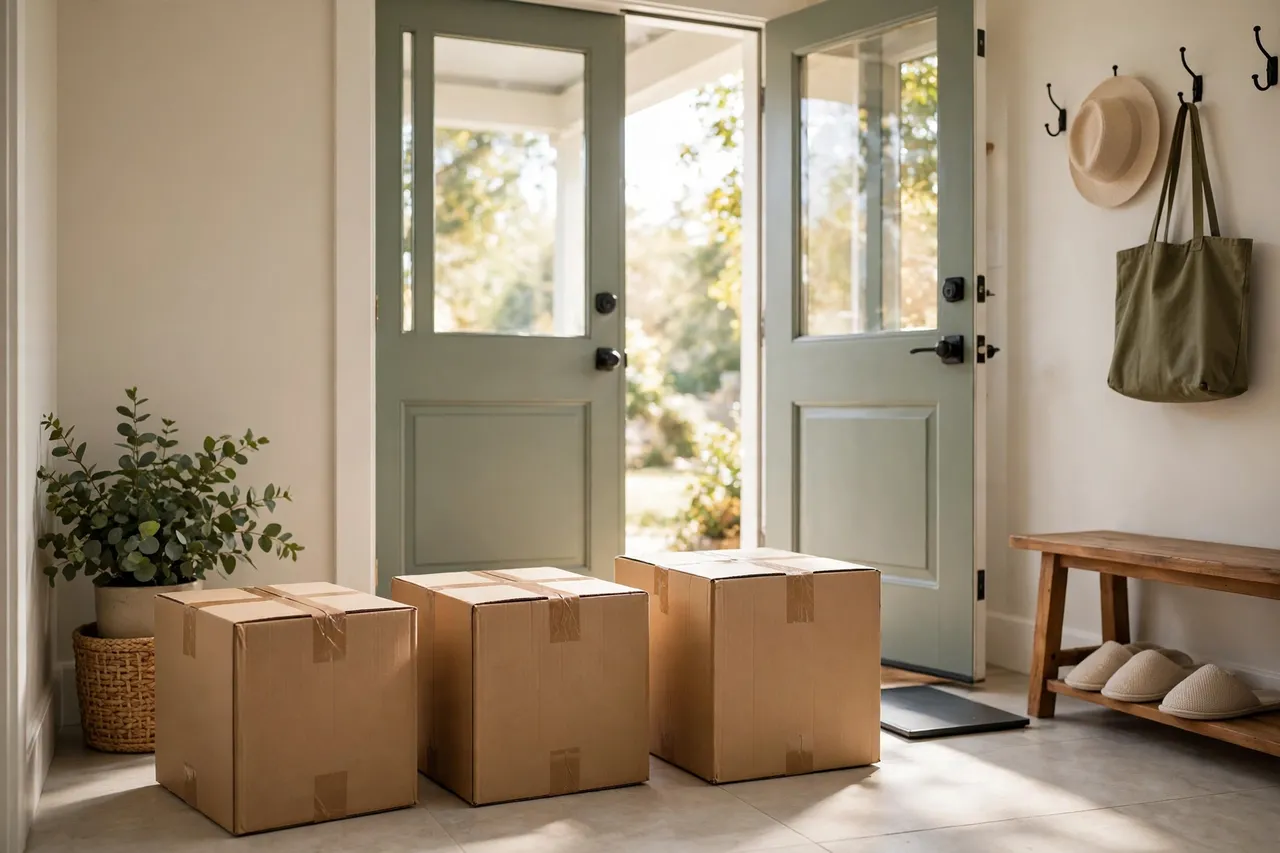
For a planned move, work backwards from moving day. Three months out, start sorting the least sentimental rooms and create the floor plan of the new space. Two months out, gift the heirlooms and confirm which furniture moves. One month out, finish the sentimental rooms and confirm the movers. The final week is for the essentials box: medicines, documents, phone chargers, a change of clothes, and the kettle.
For the move itself, decluttering before moving covers the packing order and the essentials box in detail. The goal is a first night in the new home where the bed is made, the kettle works, and nothing essential is buried in a box labeled miscellaneous.
And if the plan is to stay put, the same work pays off differently: a home that is easier to clean, easier to move through, and easier to enjoy. The general method behind all of this is in the pillar guide to decluttering, and the entryway is a good place to start: a low mudroom bench with hooks above it keeps coats, bags, and keys in one place by the door.
Related Guides
For the paperwork pass, how to organize paperwork at home keeps tax records and documents in one safe place. For the garage and storage, decluttering the garage and decluttering a storage unit cover the heavy spaces. And if a move is coming, decluttering before moving is the packing-order companion to this guide.
Frequently Asked Questions
Why is downsizing important for seniors?
Transitioning into senior life is a good time for downsizing because life is changing. Making conscious choices about what spaces we live in and what items we bring to those spaces is part of the transition, and downsizing space and belongings can simplify the move into senior adulthood.
Do you have unused rooms?
Unused rooms are one of the clearest signs it may be time to downsize. If whole rooms sit empty for months at a time, the home is bigger than the life being lived in it, and a smaller space can be easier and cheaper to maintain.
Do you have too much stuff to manage?
Too much stuff to manage is a practical reason to declutter, even without moving. When keeping up with household tasks becomes difficult and clutter starts building up in hallways or living areas, simplifying the home makes daily life easier and safer.
Can you afford to stay in your current home for five, 10, or 20 more years?
This is a question to ask honestly before deciding. Consider the cost of upkeep, yard maintenance, taxes, and the effort of managing a larger home over the coming years, and weigh it against the cost and comfort of a smaller space.
How much stuff have you put in the attic over the years?
The attic often holds years of children’s things, from letter jackets to first shoes and collections of toys. Sorting it with family turns the job into a shared afternoon, and giving each child a bin to fill keeps the keepsakes with the people who want them.
Downsizing is a long process, and the more prepared you are, the easier it will be. Start early, work in short sessions, let the senior decide, and remember that the goal is not an empty house. It is a home that fits the life being lived in it now.