To declutter when you want to keep everything, stop asking what to remove and start asking better questions: when did I last use it, would I buy it again today, and does it fit my current life?
Decluttering does not require getting rid of everything. Keep items that fit your home, support your routine, and have a designated place.
Wanting to keep everything is not a failure of decluttering. It is information. It tells you that the usual question, “should I get rid of this?”, is the wrong question for you. The right questions are smaller, more specific, and easier to answer honestly. Asked one item at a time, they turn a stressful pile into clear decisions: keep, donate, sell, recycle, or toss.
Why “Keep Everything” Happens
There are a few honest reasons people want to keep everything, and each one needs a different answer. The first is love: the item genuinely matters, and letting it go feels like losing the memory. The second is guilt: it cost a lot, or someone gave it to you, and keeping it feels like the only respectful choice. The third is fear: you might need it someday, and letting it go feels like a risk.
The fourth is habit: you have never actually decided about the item, so keeping it is the default. The fifth is identity: the item belongs to a version of you, a hobby, a job, or a body, that you are not ready to let go of yet. Naming the reason matters, because each one has a different fix. Love gets a display spot. Guilt gets a thank-you and a goodbye. Fear gets a test. Habit gets a question. Identity gets kindness and time.
None of these reasons make you bad at decluttering. They make you human, and the method below is built for exactly that. It does not ask you to stop caring about your things. It asks you to care about them in a way that leaves room to live with them.
The Questions That Decide Fastest
The most useful questions to ask when decluttering are simple, specific, and easy to answer in a few seconds. Used on every item, they turn a stressful pile into clear decisions. Start with the first two or three core questions. Most items are sorted by the first clear answer.
- Have I used this in the last 12 months? If not, it is a strong candidate to let go, unless it is seasonal or for an emergency.
- Does it work, and is it safe? Broken, recalled, or expired items go to recycling or disposal, not donation.
- Do I own a duplicate? Keep the better or more useful version and release the rest.
- Would I buy this again today? If the answer is no, that is useful information.
- Does it fit my current life? Clothes for a body or job you no longer have, and gear for a hobby you dropped, usually belong elsewhere.
- Where would this live, and does that spot have room? If an item has no home, it is taking up space it does not earn.
- Am I keeping this out of guilt or obligation? A gift you dislike still has no claim on your storage.
The “would I buy it again today, at full price?” question is the most honest one on the list. If you would walk past it in a shop now, you may be keeping it out of habit. The money is already spent either way. Keeping the item does not bring it back, but letting it go can give you back the space.
Use the questions in order, and do not ask all of them about every item. Start with the first two or three. Most items are sorted by the first clear answer, and the questions also work when you are tired, which is when most decluttering sessions fall apart.
Keep the Best One: The Duplicate Rule
Duplicates are where keep-everything people lose the most space, and where the easiest wins live. Three ice cream scoops, four sets of sheets, five phone chargers for phones you no longer own, eleven black T-shirts: keep the best one and let the rest go. The rule is simple: if you own a better one, the better one wins.
Ask how many of these you actually use in a normal week. That number, plus maybe one spare, is usually enough. A bulky item in prime storage can push everyday things into piles, so the duplicate that lives in the best spot should be the one you reach for most.
This rule works for clothes, kitchen tools, linens, and hobby supplies.
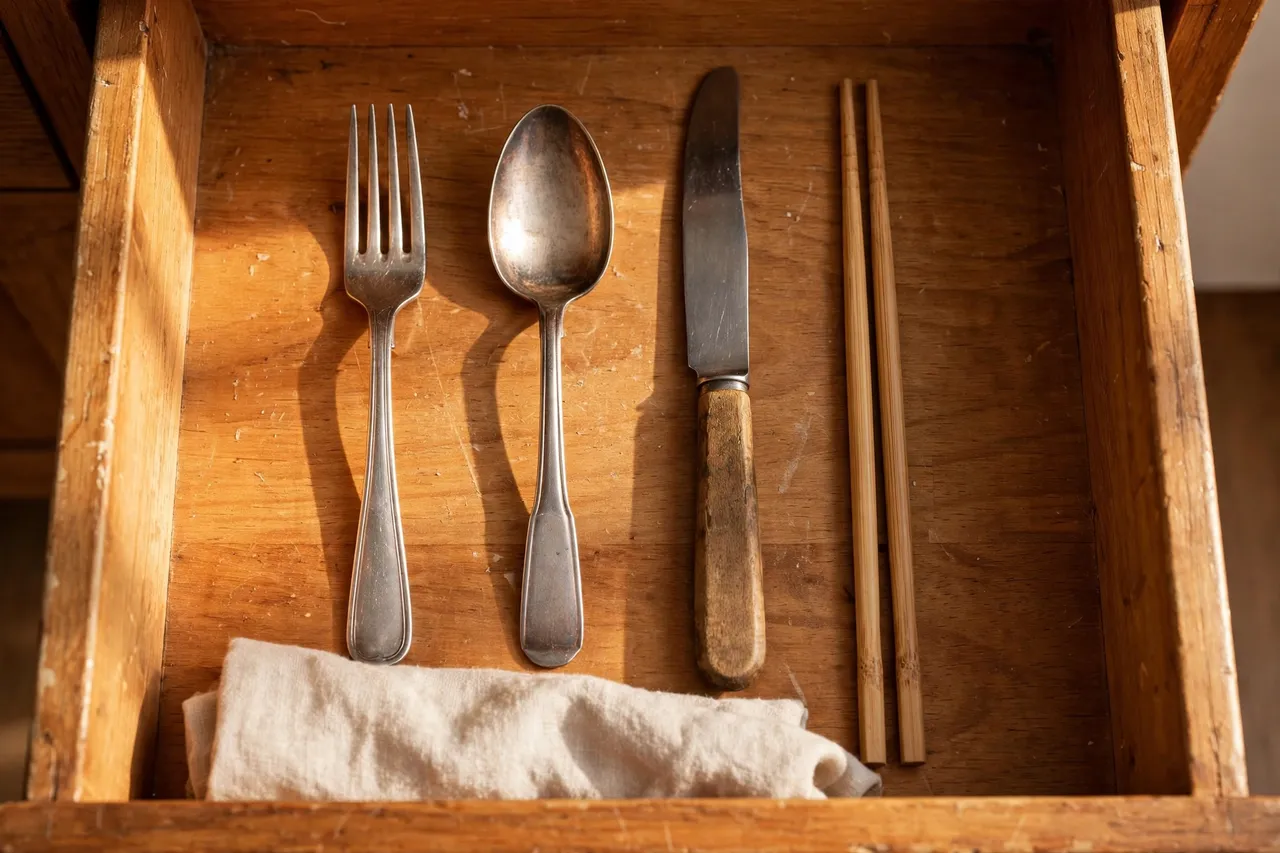 It does not work for things you genuinely use in parallel, like two sets of sheets per bed, or a spare charger in the car. The test is use, not counting: if both get used in a normal week, both stay. If only one gets used, the other goes.
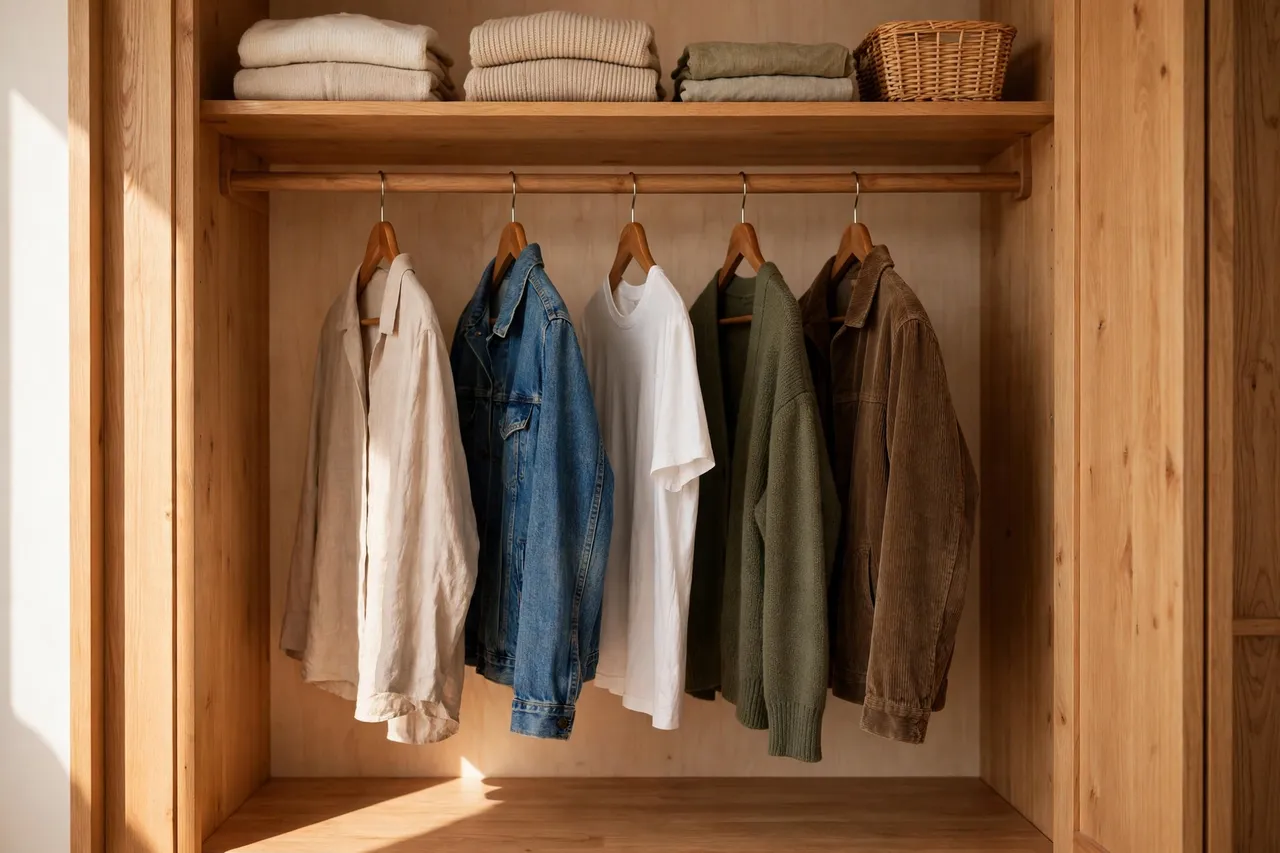 For the closet specifically, how to declutter your wardrobe applies the same rule to clothes alone, and a few bedroom closet organization ideas can help the kept clothes fit once the duplicates are gone.
Sentimental Items: Keep the Favorites, Photograph the Rest
Sentimental items need a different set of questions. Asking “do I love this?” often produces a yes for everything, so narrow the focus to what the item actually does for you. Would you miss this if it were gone in a year? Could a photo of it keep the memory without the physical object? Is this one of your favorites, or one of many similar things? Would someone you love want this, or would it become a burden to them?
Often it is the memory you want, not the object. A photo of a bulky keepsake holds the memory just as well, and it takes up no shelf space at all.
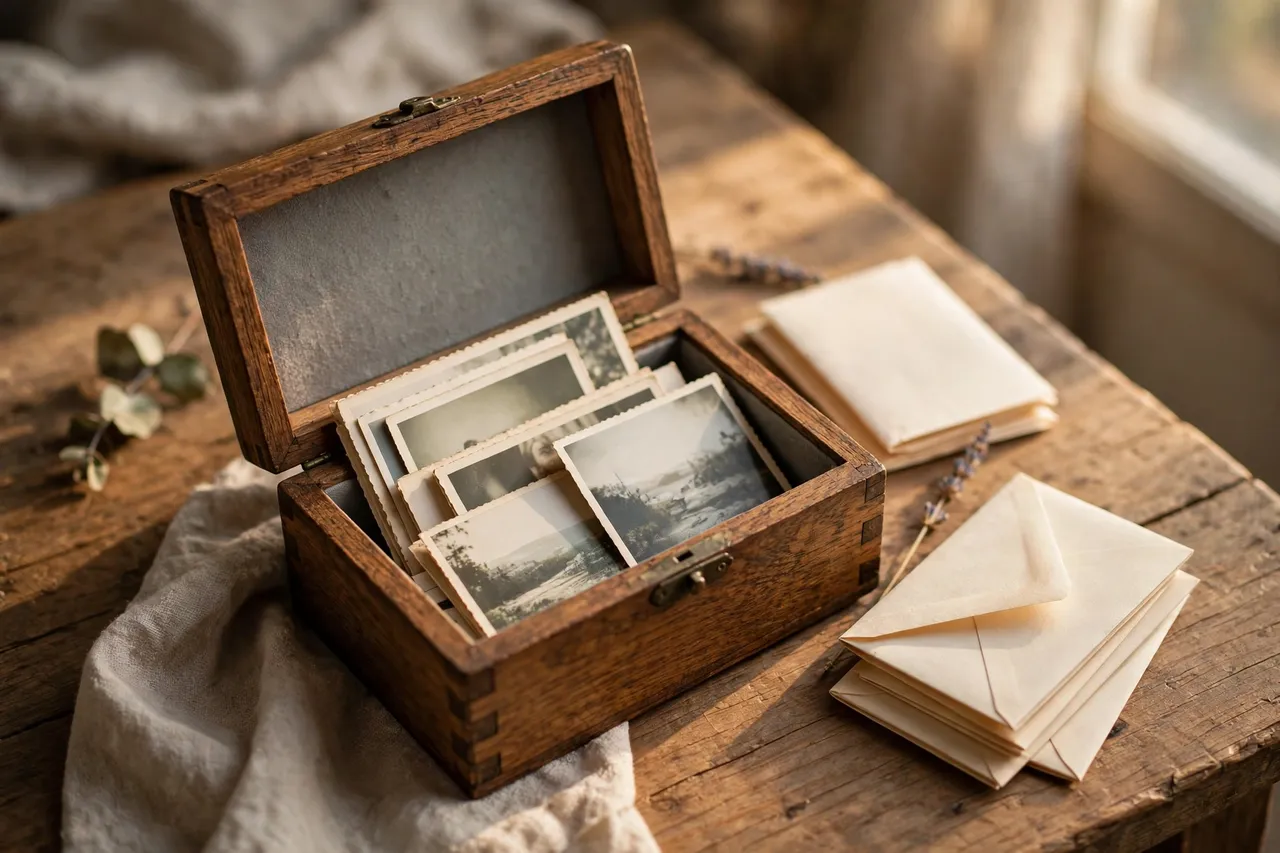 Keep a small, deliberate selection and display it where you can enjoy it: the three letters that matter most, the five photos that make you smile, the one keepsake you would rescue in a fire.
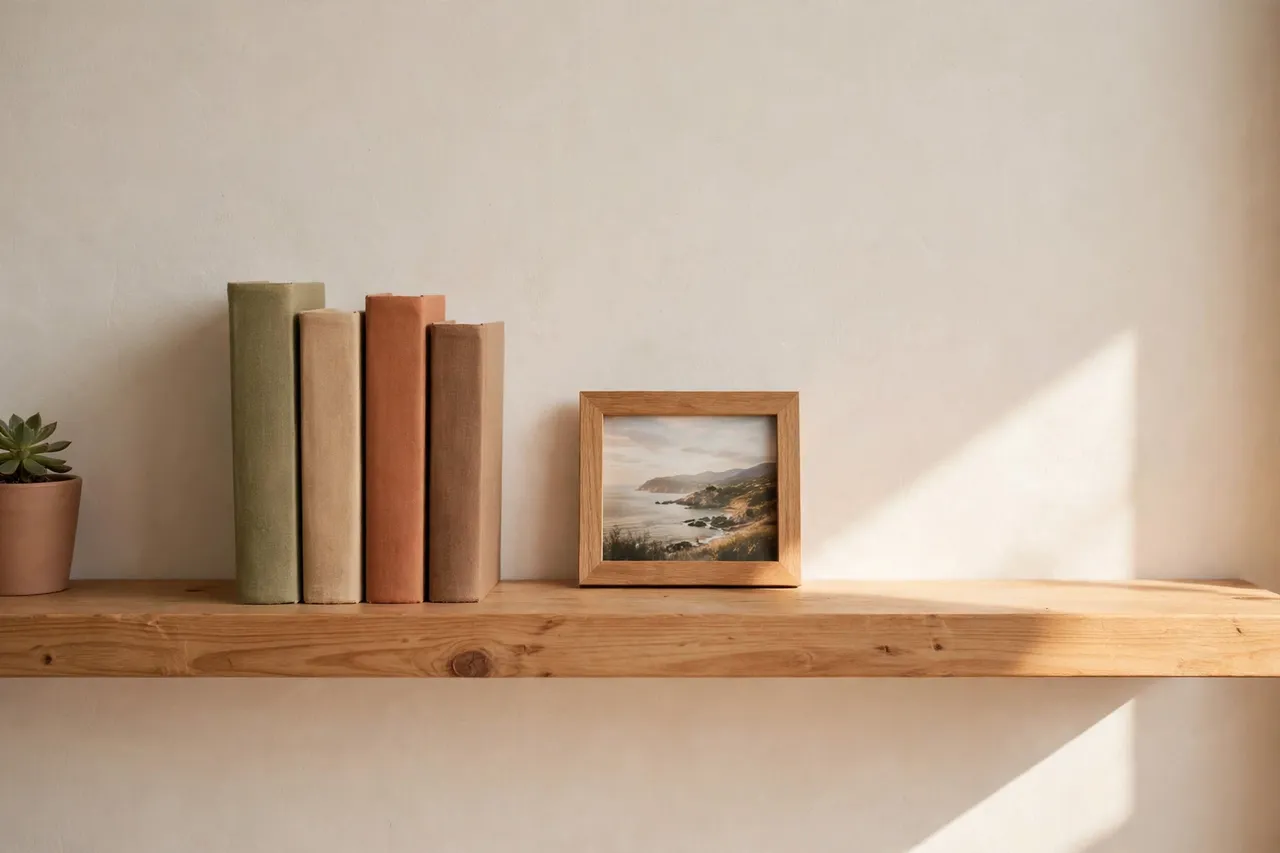 The rest can be photographed and released.
For children’s rooms, the same logic applies at a smaller scale: one box per child for the art and keepsakes that matter most, and a photo of the rest. Our guide to decluttering children’s rooms covers that negotiation in detail, including how to involve the kids in the choosing.
The Maybe Box: Your Safety Net
If you still cannot decide, put the item in a clearly labeled maybe box with a date about three months out. The maybe box has three strict rules that keep it from becoming a junk purgatory: it must be small, a shoebox and not a moving box, because size is the accountability; it must be dated, with today’s date written on the lid in marker; and if you do not open it in 30 days, it goes unopened.
Whatever you have not reached for in a month is, by definition, not essential. The maybe box is not a failure. It is the tool that lets you keep moving through the pile instead of freezing on one hard item. Use it freely, and trust the date on the lid to finish the decision for you.
One warning: do not make a maybe box for every category. One box per session is plenty. If you have five maybe boxes, you have not made decisions, you have moved them. The box works because it is small, dated, and finite.
When Keeping Is the Right Answer
Sometimes keeping is correct, and the method should say so. Keep the things you use every week. Keep the things that make you feel good when you reach for them.
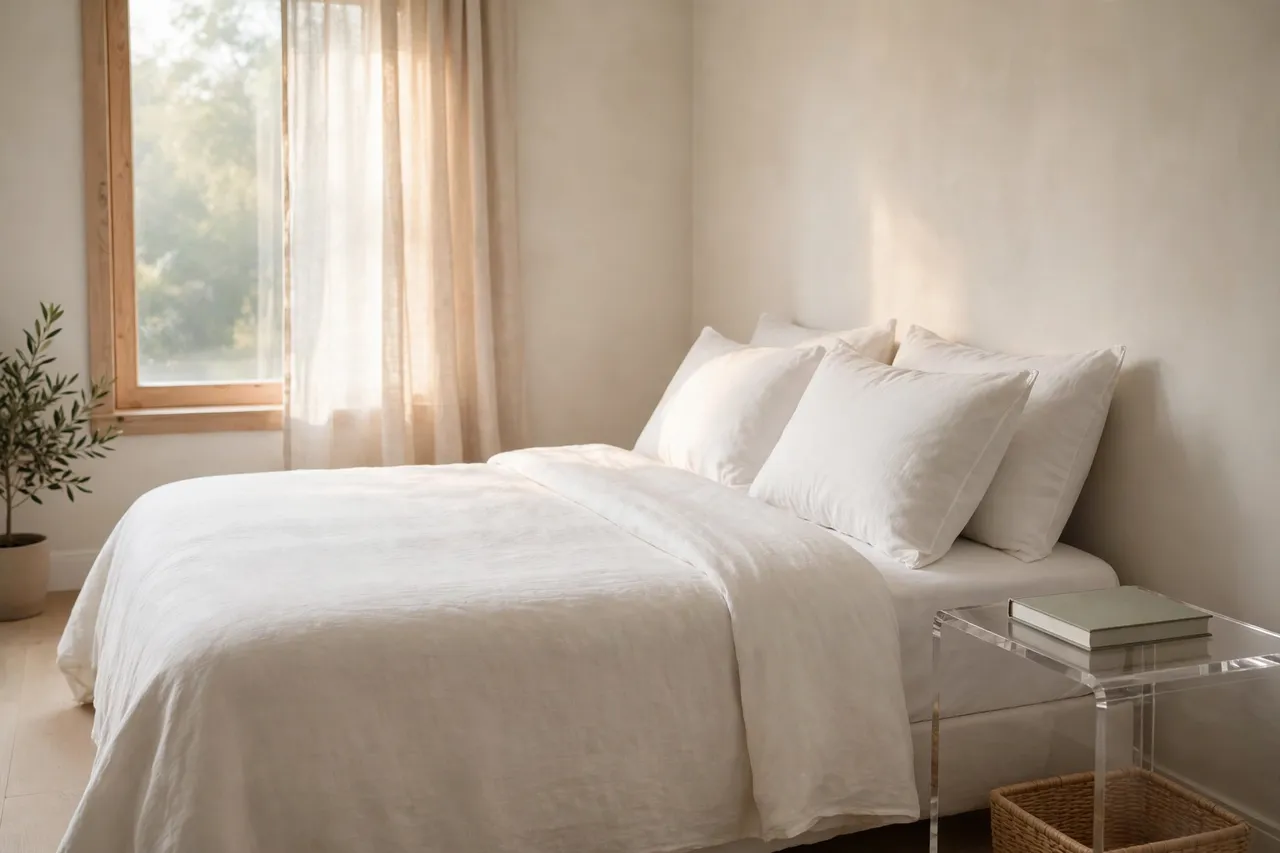 Keep the things that fit your real life, not an imagined one: the dress for parties you do not go to and the equipment for a hobby you do not enjoy are not real-life items, and they deserve an honest answer.
Keep the things that have a real home. If an item has a designated place and you return it there, it is not clutter. It is a possession doing its job. If the linen cupboard is part of the overflow, a little linen closet organization goes a long way: two sets of sheets per bed is plenty, and folded towels in neat columns stop the toppling pile. The goal is not an empty house. The goal is a house where everything you keep has a place, and everything in its place is something you actually want.
If the usual question of what to remove still feels impossible, try the opposite: reverse decluttering asks what to keep, and the rest decides itself. The KonMari method offers a different keep-first approach built around joy. And if overwhelm is the blocker, how to start decluttering when overwhelmed gives you a 10-minute way in. For the general sorting method, the pillar guide to decluttering is the best next step.
Related Guides
For the wardrobe, how to declutter your wardrobe applies the best-one rule to clothes. For children’s keepsakes, decluttering children’s rooms covers the one-box-per-child approach. And if you want a simpler home after the sort, minimalist home shows how to keep the calm.
Frequently Asked Questions
How do you decide what to keep when decluttering?
Use the six-month rule as the default: if you have not used it in six months and it is not seasonal, let it go. Keep items that you use regularly, need for your current routine, or have a clear place to put away, and donate or discard the rest.
How do I declutter without getting rid of everything?
Decluttering does not require getting rid of everything. Keep items that fit your home, support your routine, and have a designated place, and use storage for the things you plan to use again but do not need at home right now.
How do I decide what to keep when decluttering?
Keep items that you use regularly, need for your current routine, or have a clear place to put away. Donate or discard items that no longer serve a purpose in your home, and use the one-year rule for clothing, kitchen tools, and hobby supplies.
What if I keep saying yes to everything?
If you keep saying yes to everything, narrow the question. Ask whether you would miss the item in a year, whether a photo would hold the memory, and whether it is one of your favorites or one of many similar things. If you still cannot decide, use a small dated maybe box.
How many questions should I ask for each item?
Start with the first two or three core questions. Most items are sorted by the first clear answer, and asking fewer questions keeps the session moving instead of turning every item into a debate.
You do not have to stop loving your things to declutter. You only have to love the best ones enough to give them room, and let the rest go to someone who will love them next.