
Cleaning and decluttering are different jobs: decluttering decides what stays in a room, cleaning removes dirt from what is left, and decluttering comes first, because you cannot clean what you cannot reach.
Most people treat cleaning and decluttering as the same activity. They are not. They are two separate tasks that serve different purposes, require different effort, and produce different results.
Understanding the difference and knowing which one to tackle first makes both tasks more effective and less frustrating. Whether you are managing a whole house or a single room, the sequence matters more than most people realize. Get the order right and both jobs get easier. Get it wrong and you clean twice.
What Is Decluttering?
Decluttering is the process of removing items that no longer serve a purpose in your home. It is a decision-making task. It requires someone to assess each item and determine whether it stays, gets relocated, or gets discarded. It does not require cleaning products, a mop, or a vacuum. It requires attention and judgment.
Decluttering centers around getting rid of the things you do not need, want, or use. Instead of eliminating dirt and grime, you are omitting unnecessary stuff from your life. When you declutter your home, your main purpose is to edit your belongings to create more space and breathing room. It is slow, it requires decisions, and it reduces how much tidying is needed forever after.
Decluttering often comes hand in hand with organizing your home. You declutter before you organize, so that you do not waste your time arranging things you plan to get rid of later. The main purpose of decluttering is to make your home and your life calmer and more functional.
What Is Cleaning?
Cleaning focuses on removing dirt, dust, spills, stains, and germs from the surfaces throughout your home. It is a physical task. It requires the right tools, the right products, and enough clear surface area to actually work on. It does not require any decisions about what stays or goes.
The main reason you clean your home is to get rid of things like dirt, grime, germs, and other unwelcome factors. It is about maintaining a fresh, healthy environment for you and anyone else who lives in or visits your house. Cleaning includes dusting, vacuuming, mopping, scrubbing toilets, wiping down countertops, and washing windows. It also covers doing the dishes, tackling the laundry, and cleaning appliances.
Unlike decluttering, cleaning is an ongoing responsibility, because dirt naturally builds up over time. When you clean your home, you are not changing how it functions. You are restoring its freshness level. A room can be perfectly clean and still be hard to live in, if every surface is covered in things.
Cleaning vs Decluttering: Side by Side
Here is the difference in one table, so you can see at a glance which job you actually need to do.
| Decluttering | Cleaning | |
|---|---|---|
| Primary purpose | Decide what belongs in the space | Remove dirt, dust, and bacteria from surfaces |
| What it requires | Time, judgment, and decisions | Tools, products, and clear surfaces |
| What it produces | An organized, functional space | A hygienic, fresh space |
| How long it takes | Varies widely with how much has accumulated | More predictable once surfaces are clear |
| Who should do it | The people who own or use the space | Anyone, including a cleaning professional |
| What happens without it | Cleaning works around clutter | Dirt and bacteria accumulate regardless of how tidy the space looks |
Between the two sits tidying: putting existing things back where they belong. Tidying is fast, needs no decisions, and has to be redone constantly. Decluttering is slow, requires decisions, and reduces how much tidying is needed forever after. Cleaning is physical rather than cognitive. No cleaner can answer whether a keepsake is still needed or which cables you plan to use, which is why decluttering is a job only the household can do.
Why Decluttering Comes First
The order is not arbitrary. Decluttering before cleaning is the sequence that makes both tasks work properly, for a few practical reasons. You cannot clean what you cannot reach. Surfaces covered in paper, equipment, and personal items cannot be properly wiped down, disinfected, or dusted. A cleaner working around clutter is skipping surfaces, not cleaning them.
Clutter hides dirt. Objects that have been sitting in the same position for weeks or months create an outline of accumulated dust and grime around them. Moving them reveals the actual state of the surface underneath. Cleaning before decluttering means cleaning around objects, then moving them later and finding that the space was never properly addressed.
Decluttering takes longer when cleaning is already done. If you clean first and then start moving items to sort through them, you disturb surfaces that have just been cleaned, deposit dust and debris back onto cleaned areas, and often end up needing to clean again. Doing it in the reverse order wastes the cleaning. You dust a shelf, then decide half the items on it are leaving, then have to dust it again after they go.
The exception is a room so dusty that sorting through it is unpleasant: an attic, a garage, or a storage room nobody has opened in years. There, a rough dry pass to knock down the worst dust makes the decluttering bearable, and the real clean happens afterward.
A Sequence That Works
Here is a general approach that works in almost any room. Pick one room and one visible surface type: floors, counters, or the closet floor. Do not start with sentimental items.
- Use a simple sorting system so decisions do not stall. The four-box method keeps, donates, discards, and relocates without requiring a new category for every item.
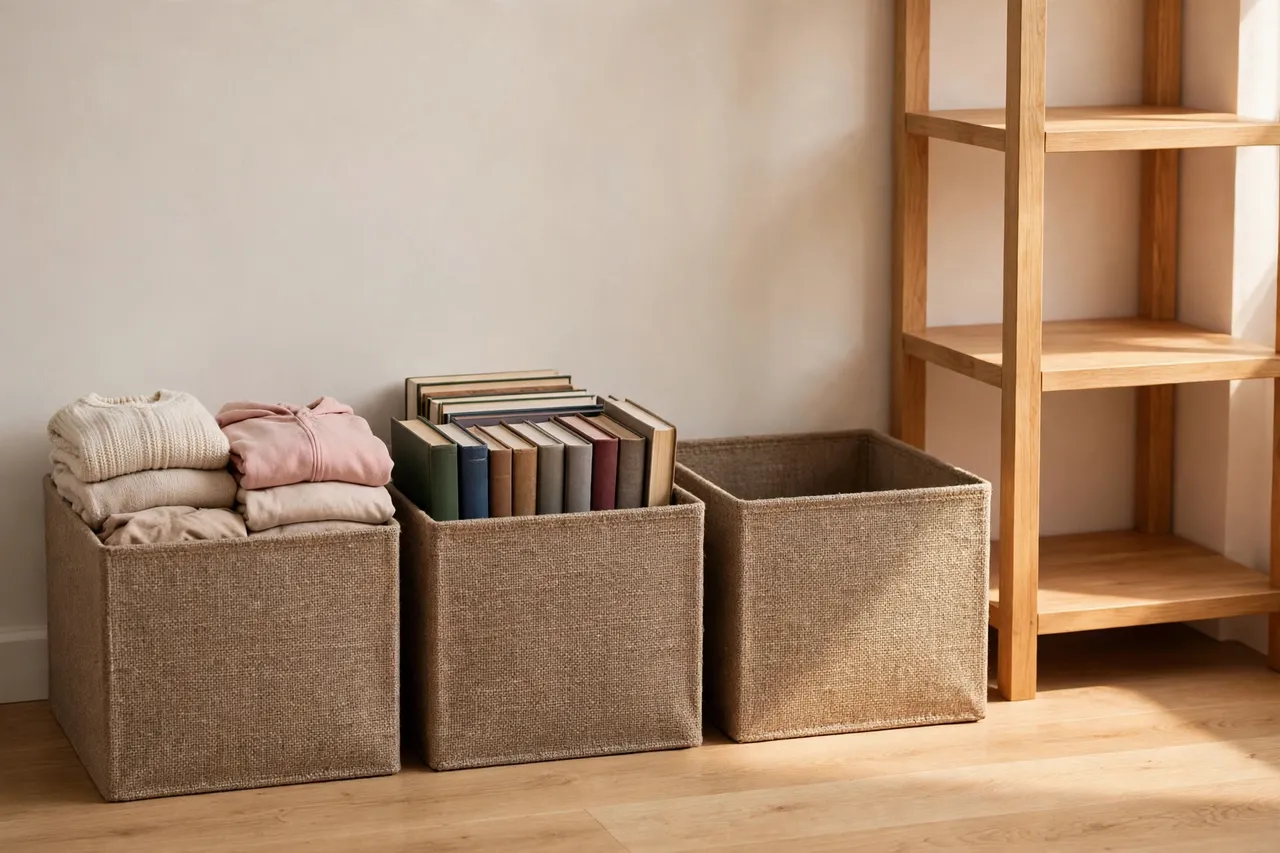
- Get the outbound piles physically out of the house the same week.
- Return the kept items to their homes, and note any spots that now have spare room.
- Then clean the room properly, now that the surfaces are reachable: dust from the top down, vacuum the floors, mop where needed, and wipe the surfaces you can finally reach.
- Finish with a quick tidy of the things you use every day, and put the cleaning tools away in their new home.
Even spending ten minutes putting away clutter before cleaning can dramatically improve the results.
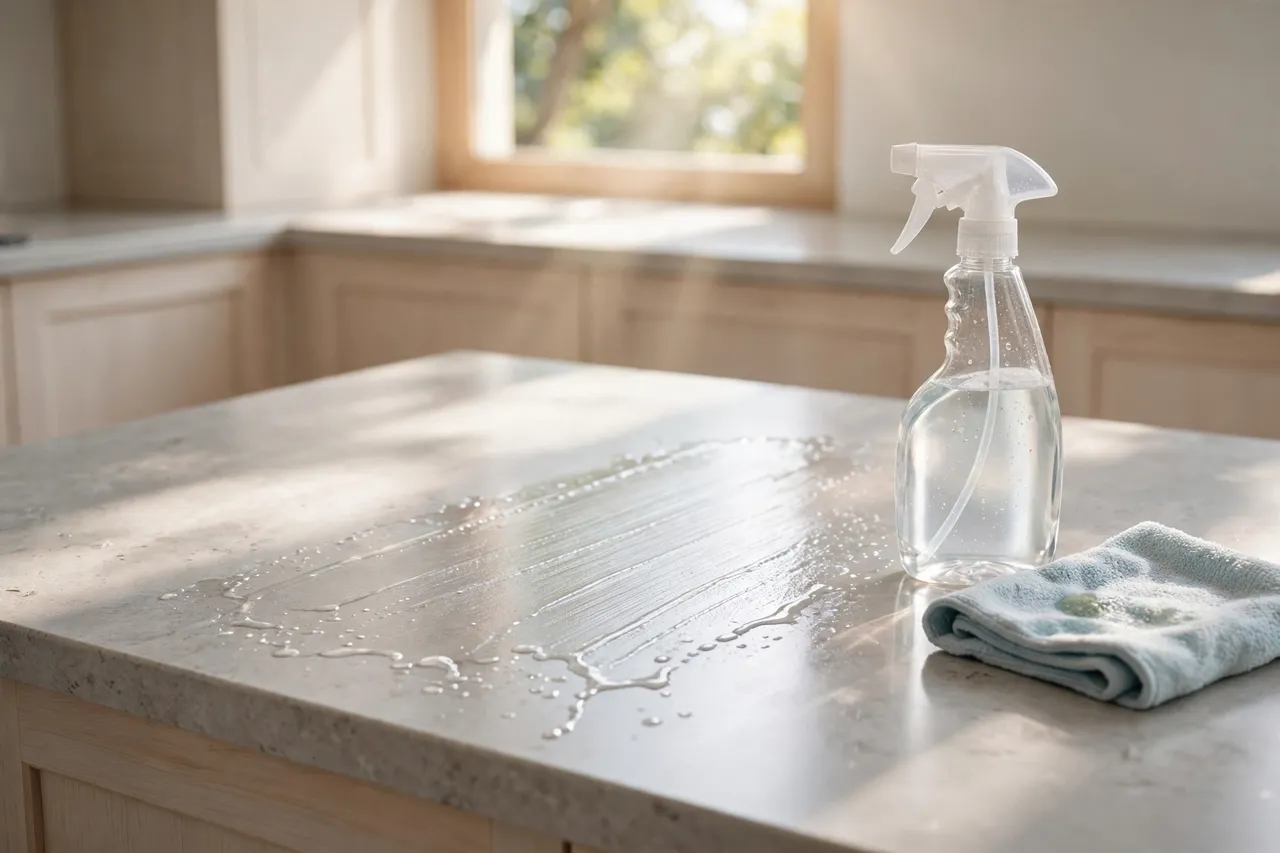 When your home contains fewer unnecessary belongings, there are simply fewer things to clean. Vacuuming becomes quicker because floors are clear, wiping counters takes less time, and organizing storage spaces becomes much easier.
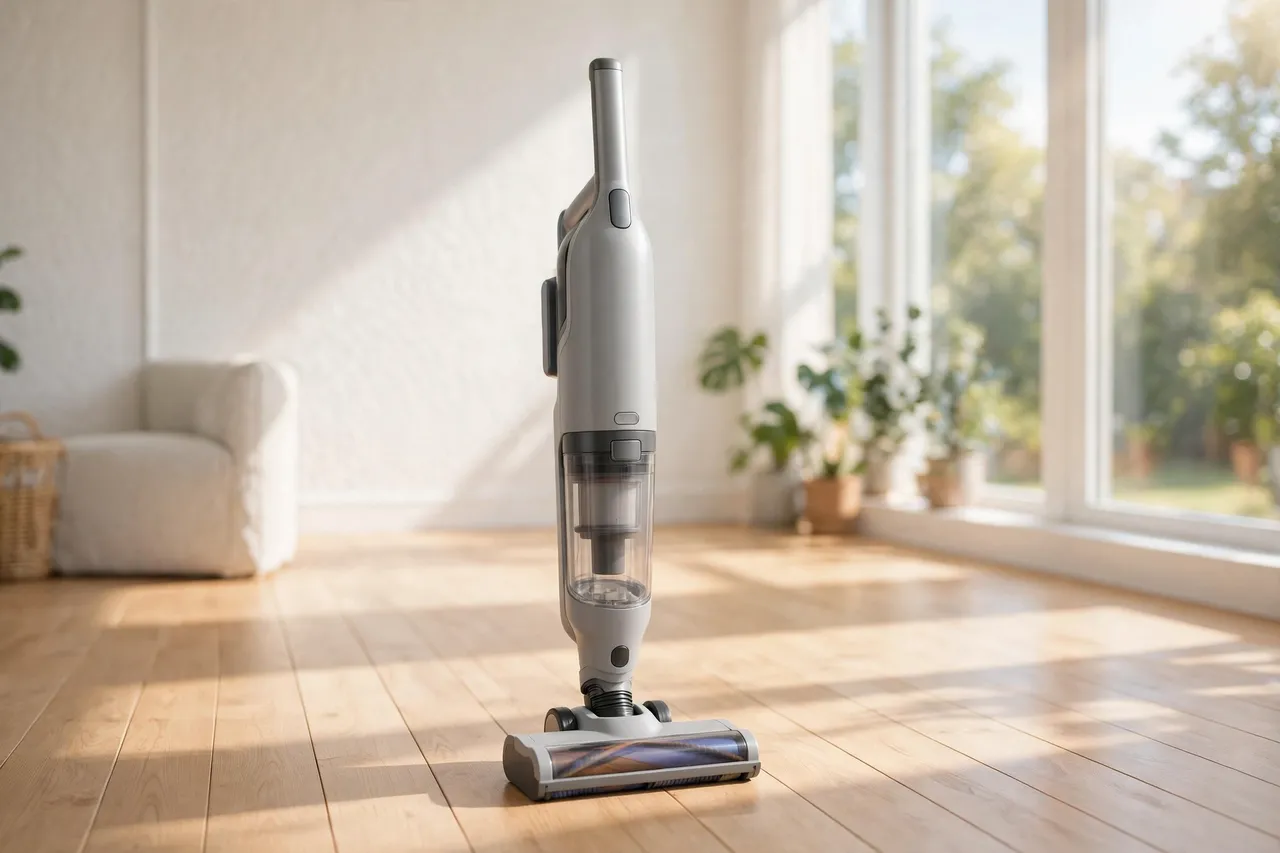 Decluttering first typically cuts the cleaning time that follows, because clutter is what cleaning has to work around.
For the kitchen, which is the room where the sequence matters most, decluttering the kitchen cabinets covers the sort, and the general sorting method is in the pillar guide to decluttering. For the bathroom, decluttering the bathroom is the companion pass.
How Decluttering Makes Cleaning Easier Forever
Decluttering reduces cleaning time permanently, and that is the compounding effect. Every object on a counter is a surface that collects dust and a surface that must be lifted. Every pile on the floor is an obstacle the vacuum has to go around. Every crowded shelf is a shelf that gets wiped around rather than wiped.
Cleaning removes what causes odors, attracts pests, and triggers allergy symptoms. Decluttering cannot do that. But decluttering removes the obstacles that stop cleaning from working, and it often reveals problems that were hidden for months: a leak behind a pile, a stain under a stack, a vent blocked by boxes. A decluttered room can still be dirty, but it becomes dramatically faster and more effective to clean.
The weekly routine that keeps both jobs done is simple: a 10-minute reset per room each week, everything back to its home, anything homeless into a designated basket, and one surface wiped down properly. Add a seasonal deeper pass, and the house stays ahead of both jobs instead of behind them.
 If you want a guided rhythm, 15 minutes a day turns the same routine into a daily habit.
When to Hire Help, and for Which Job
Cleaning services clean. Bringing a crew into a heavily cluttered house means paying professional rates for object handling instead of cleaning, and the result is a house that is cleaner around the clutter rather than clean. Many cleaning service contracts state that crews do not declutter, for liability and efficiency reasons. If you want organizing and put-away, ask for it explicitly, and understand that it changes the estimate.
Declutter first, then book the clean. That way the crew spends its time on surfaces, not on moving your belongings, and you get the best value from the visit. If the clutter is heavy, a professional organizer can help with the sorting, and a cleaning crew can follow once the surfaces are clear. For a seasonal deep clean, spring cleaning and decluttering covers the combined pass in the right order.
And if the entryway is part of the problem, a low mudroom bench with hooks above it keeps coats, bags, and keys in one place by the door, while a little linen closet organization keeps towels and sheets from spilling into the hallway.
Related Guides
For the seasonal combined pass, spring cleaning and decluttering covers the order and the checklist. For the daily habit, 15 minutes a day keeps both jobs small. And for a faster clear-out before the clean, how to declutter your home fast covers the sort at weekend speed.
Frequently Asked Questions
Does decluttering count as cleaning?
No. Decluttering decides what stays in a room; cleaning removes soil from what is left. A decluttered house can be genuinely dirty and a spotless house can be badly cluttered. The order matters: decluttering first typically cuts the cleaning time that follows.
What is decluttering?
Decluttering is the process of removing items that no longer serve a purpose in your home. It centers around getting rid of the things you do not need, want, or use, and its main purpose is to edit your belongings to create more space and breathing room.
What is cleaning?
Cleaning focuses on removing dirt, dust, spills, stains, and germs from the surfaces throughout your home. Unlike decluttering, cleaning is an ongoing responsibility because dirt naturally builds up over time.
Why does decluttering come first?
Many people immediately begin dusting or vacuuming without first putting things away. This often creates extra work because cleaning around piles of belongings takes more time and makes it difficult to reach every surface. Decluttering first allows you to clear tables, countertops, shelves, and floors before you begin cleaning.
Cleaning and decluttering are a team, not a contest. Declutter first, clean second, and keep both jobs small and regular. A house that is clear and clean is not a show home. It is a home that is easy to live in, and that is the whole point.