Things go wrong in every home. Boilers break down, taps leak, windows stick and roofs develop problems. When you rent, many of these repairs are your landlord’s responsibility. But tenants are not always sure what they can expect, how quickly repairs should be carried out or what to do if a landlord does not respond. Understanding your rights and responsibilities helps you get problems fixed quickly and fairly. This guide explains what tenants in England should expect.
What Repairs Are Landlords Responsible For?
In most tenancies, landlords are legally responsible for keeping certain parts of the property in repair. These usually include:
- The structure and exterior, including walls, roofs, foundations, gutters and drains
- Windows and external doors
- Installations for the supply of water, gas and electricity
- Sinks, baths, toilets and other sanitary fittings
- Heating and hot water systems
Landlords must also ensure that gas appliances are safe, electrical installations are inspected regularly and the property is free from serious health and safety hazards, such as severe damp and mould.
What Are Tenants Responsible For?
Tenants also have responsibilities. These typically include:
- Using the property in a responsible way
- Carrying out minor tasks, such as changing light bulbs and smoke alarm batteries where appropriate
- Keeping the property reasonably clean and ventilated
- Reporting repairs promptly
- Repairing damage caused by you, your household or your guests
Your tenancy agreement may include further details, so check it carefully.
How to Report a Repair
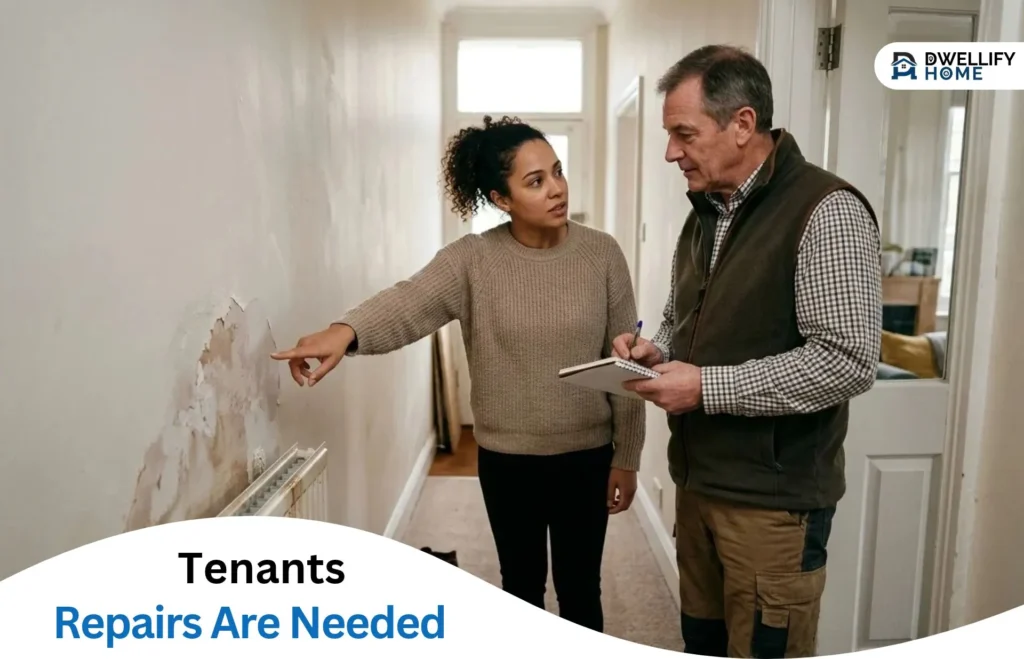
Report repairs to your landlord or letting agent as soon as you notice a problem. Do so in writing, by email or through an online portal, even if you also phone. Include:
- A clear description of the problem
- When it started
- Photographs or videos
- Any effect on your health or use of the property
- Your availability for access
Keep copies of all communication. Written records are important if problems are not dealt with.
How Quickly Should Repairs Be Done?
There is no single deadline for all repairs, but landlords are expected to carry them out within a reasonable time. What is reasonable depends on the seriousness of the problem. Emergencies, such as a gas leak, no heating in winter, no water or a serious electrical fault, should be dealt with urgently. Less serious issues, such as a dripping tap, can reasonably take longer.
The government has announced plans to introduce stricter timescales for dealing with serious hazards in privately rented homes, so check the latest rules.
Access for Repairs
Your landlord must usually give you at least 24 hours’ written notice before visiting the property for inspections or non-emergency repairs, and visits should be at reasonable times. In an emergency, they may need immediate access. Allowing reasonable access helps repairs get done promptly.
Protection From Retaliatory Action
Some tenants worry that asking for repairs may lead to eviction. In England, the abolition of Section 21 “no-fault” evictions under the Renters’ Rights Act means landlords now need a valid legal ground to end a tenancy. Tenants can also challenge rent increases they believe are above market level. This gives tenants greater confidence to raise repair issues.
What to Do If Repairs Are Not Carried Out
If your landlord does not respond or fails to carry out repairs within a reasonable time:
- Send a polite follow-up in writing, setting out the problem and your previous requests
- If you have a letting agent, escalate through their complaints process
- Contact your local council’s private housing or environmental health team if the problem affects your health or safety
- Seek advice from organisations such as Citizens Advice or Shelter
Do not withhold rent, as this could put you at risk of arrears and possession proceedings.
Looking After Your Home
Good communication works both ways. Reporting problems early, allowing access and looking after the property help build a positive relationship with your landlord and make repairs easier to resolve.
Final Thoughts
Knowing what to expect when repairs are needed helps you get problems fixed quickly and fairly. If you are looking for a well-managed rental home in South Yorkshire, speak to the experienced estate & lettings agent in Doncaster who can help you find a property with responsive management and clear processes for reporting repairs.
Some content and links featured on this page may be connected to affiliate marketing or paid promotional partnerships. Any compensation received helps support Dwellifyhome.com and its continued publishing activities.