You’ve probably seen a house that looks perfectly fine from a distance, but something feels wrong when you get closer.
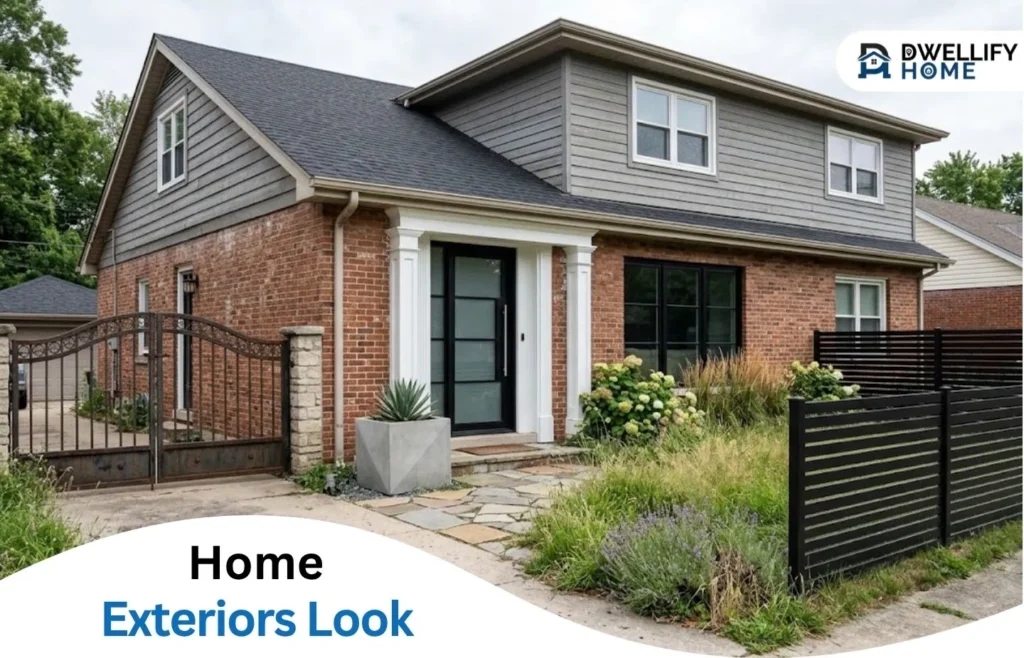
The front door is modern. The driveway gate is traditional. The fence has a different finish from the railings, and the landscaping looks like it belongs to another property altogether.
None of those features is necessarily unattractive. The problem is that they don’t seem to belong together.
This happens more often than homeowners realize. Exterior upgrades are usually completed at different times. Someone replaces the front door one year, installs a fence a few years later, and eventually decides to improve the driveway.
Each decision makes sense on its own. Together, however, the results can feel disconnected.
The solution isn’t necessarily replacing everything. Often, it’s about understanding how materials, colors, shapes, and small details work together.
Start by Looking at What You Already Have
Before shopping for new exterior features, stand across the street and look at your home.
Try to ignore individual details for a moment.
What material catches your attention first? Is it brick, siding, stone, wood, or painted stucco? Does the house have strong horizontal lines, decorative arches, or simple rectangular shapes?
These details give the property its character.
For example, a home with light-colored stucco, curved windows, and a tile roof already has a very different visual personality from a house with flat siding, black window frames, and a modern entrance.
The goal is to identify that personality before adding something new.
A driveway gate or front fence should support the existing architecture rather than compete with it.
You Don’t Have to Match Every Material
One common mistake is assuming every exterior feature needs the same color or finish.
That’s not how good design works.
A brick house can look beautiful with a metal gate. A wooden front door can work alongside iron railings. Stone pathways can sit comfortably beside painted fencing.
The secret is creating a relationship between the materials.
Perhaps the gate shares the same dark finish as the window frames. Maybe its straight lines echo the front door. A warm wood fence might pick up tones already present in the brickwork.
You don’t need identical pieces everywhere.
You need a few visual connections that make the exterior feel intentional.
Decide Whether the Gate Should Stand Out
A driveway gate can either become a focal point or quietly blend into the landscape.
Both approaches can work.
If the house has a simple exterior, a gate with decorative detailing may bring welcome character. If the house already has ornate brickwork, patterned paving, and elaborate landscaping, a simpler design might create better balance.
This is worth considering when choosing wrought iron gates. Traditional scrollwork can suit Mediterranean-inspired or classic properties, while cleaner vertical or horizontal metal patterns may complement contemporary homes.
The finish also matters.
Black is a familiar choice because it works with many exterior styles, but charcoal, bronze, and other muted finishes may suit certain properties better.
Think about the gate as part of the entire composition, not a separate item selected from a catalog.
Pay Attention to Shapes, Not Just Colors
Color is often the first thing homeowners consider, yet shape can be just as important.
Imagine a contemporary house with long horizontal siding and rectangular windows. A gate featuring heavy curves and elaborate decorative elements may feel unexpected.
Now imagine a traditional property with arched windows, detailed columns, and an established garden. A plain industrial-style gate might appear too severe.
Neither combination is automatically wrong. But the contrast should feel deliberate.
Look for lines you can repeat.
If the home has straight architectural features, a gate with simple metal bars may create continuity. If the entrance already includes curves or decorative ironwork, similar shapes can help connect the design.
Even the spacing between bars can affect how heavy or light a gate looks.
Let the Landscaping Do Some of the Work
A front yard doesn’t need to rely entirely on hard materials.
Plants can soften the transition between different architectural features.
A tall metal gate beside a completely bare driveway may look imposing. Add carefully placed greenery, and the same gate can feel more welcoming.
Low shrubs near the entrance, climbing plants along a suitable fence, or small ornamental trees can help connect the driveway with the garden.
But plant selection should be practical.
A young shrub might look harmless today and block part of the gate in three years. Roots may interfere with paving, while irrigation water regularly hitting metalwork can contribute to corrosion if protective finishes are damaged.
Leave enough clearance for mature plant growth and normal gate operation.
The landscaping should improve the entrance, not create future maintenance problems.
The Driveway Surface Changes the Whole Picture
Homeowners often concentrate on the gate and forget about the ground beneath it.
Yet the driveway can occupy a large part of the front exterior.
Concrete, pavers, gravel, brick, and natural stone all create different impressions.
A plain concrete driveway can suit a modern home beautifully. Traditional brick pavers may complement an older property. Gravel can work particularly well in rural settings when properly contained and maintained.
The important thing is how the surface relates to the surrounding materials.
If the house already has several colors and textures, choosing a relatively simple driveway finish can create visual breathing room.
When every surface tries to attract attention, the entrance starts to feel busy.
Sometimes restraint is the most effective design choice.
Small Metal Details Can Connect Everything
One of the easiest ways to create consistency is through exterior hardware.
Look at the front door handle, house numbers, porch lights, mailbox, railings, and gate hardware.
Do these elements share a similar finish or style?
They don’t need to come from the same manufacturer, but a few repeated details can make the whole property feel more coordinated.
For example, dark metal house numbers, simple black exterior lighting, and a gate with a similar finish can connect several otherwise different materials.
This approach is especially useful when homeowners want to refresh the exterior without replacing major structural features.
Sometimes changing a handful of visible details has more impact than adding another decorative element.
Consider What the Exterior Looks Like at Night
Daylight hides some problems and reveals others.
An entrance that looks balanced during the afternoon may feel awkward after sunset if one section is brightly illuminated and the rest remains dark.
Lighting should support the architecture.
Wall lights can highlight the main entrance. Subtle path lighting can improve visibility. Carefully positioned landscape fixtures can bring attention to plants or architectural features.
Avoid installing bright lights simply because the fixtures look impressive.
Too much lighting can create glare and make outdoor spaces feel uncomfortable.
It’s also worth checking how light falls on the gate itself. Shadows from decorative ironwork can create an attractive effect, but lighting must not interfere with drivers’ visibility or safe access.
Make Design Decisions in the Right Order
A coordinated exterior rarely comes from buying everything at once.
It comes from making decisions in a sensible order.
Start with the permanent features: the home’s architecture, existing masonry, roof, and major openings.
Next, consider the elements that are difficult or expensive to change, such as the driveway, gate, fencing, and pathways.
Only after those choices are clear should you focus on smaller decorative details, lighting, and planting.
If several improvements are planned, keep a simple collection of material samples and photographs. Viewing them together can reveal clashes that aren’t obvious when products are considered separately.
Homeowners exploring home remodeling ideas can also use their research to narrow down which projects should come first rather than trying to change everything in one season.
A clear plan helps avoid paying twice to correct decisions that were made without considering the larger picture.
A Cohesive Exterior Doesn’t Need to Be Perfect
Some of the most inviting homes mix old and new materials.
An older brick house might have a modern front door. A contemporary property might feature a traditional iron gate. A simple home might use one decorative feature to add personality.
These combinations can be successful when they feel considered.
There is no need to make every surface identical or remove every contrast.
Instead, choose a few details to repeat, give important features enough visual space, and avoid introducing more materials than the property needs.
The next time you’re considering a driveway gate, new fencing, or another exterior update, don’t look only at the product you’re buying.
Look at the house behind it.
A successful entrance isn’t built from matching everything. It’s built from making different elements feel like they belong to the same home.
This article may contain affiliate or sponsored links. Dwellifyhome.com may earn compensation from qualifying transactions made through these links, helping us maintain our website and develop additional content.