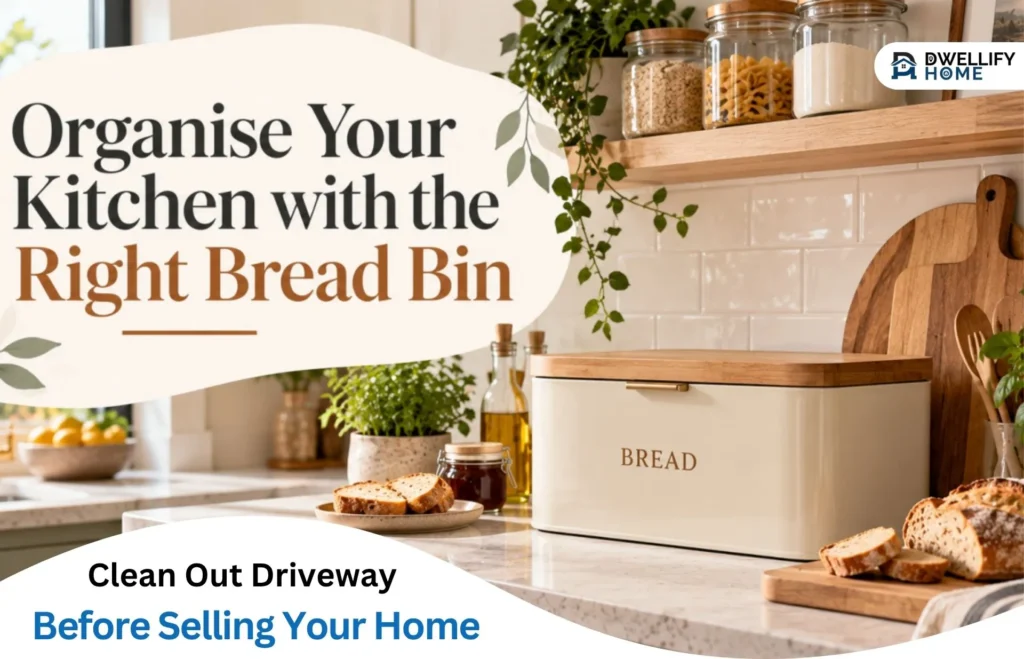
Bread is a staple in many UK households, from everyday toast at breakfast to fresh sourdough served with dinner. However, keeping bread fresh while maintaining a tidy kitchen can sometimes be a challenge. A suitable bread bin provides a practical place to store loaves, rolls and other bakery essentials while helping reduce clutter on kitchen worktops.
Whether you have a compact kitchen or a spacious family cooking area, choosing the right bread storage solution can make your daily routine easier. Here is how to select a bread bin that suits your needs, keep bread in better condition and create a more organised kitchen.
Why Is a Bread Bin Useful in the Kitchen?
A bread bin offers a dedicated storage space for everyday bakery items. Instead of leaving bread packets scattered across the worktop, you can keep them together in one convenient location. A well-designed bread bin can help you:
Keep worktops organised: Store bread and rolls in one place instead of leaving packets around the kitchen.
Protect bread from exposure: A suitable container can help protect bread from dust and direct sunlight.
Create a practical storage routine: Keep frequently used bakery items easy to access during breakfast and meal preparation.
Complement your kitchen décor: Choose a design that matches your cupboards, worktops and other kitchen accessories.
A bread bin is not just a decorative accessory. It is a simple storage solution that can make a kitchen feel more organised and functional.
How to Choose the Right Bread Bin for Your Home
Before buying a bread bin, consider how much bread you usually keep at home, the space available on your worktop and the style of your kitchen.
1. Consider the Size and Capacity
The ideal size depends on your household’s needs. A smaller bread bin may be suitable for an individual or couple who buy bread in smaller quantities. Families who regularly purchase multiple loaves, rolls or bagels may prefer a larger design. Measure the available worktop space before making a purchase. Remember to leave enough room to open the lid comfortably and access the bread without moving other kitchen essentials.
2. Choose a Material That Suits Your Lifestyle
Bread bins are available in different materials, each offering a distinctive appearance.
Metal bread bins: Metal designs are a practical choice for everyday kitchens and are available in a range of colours and finishes. They can work particularly well in contemporary, industrial or traditional interiors.
Ceramic bread bins: Ceramic options can add character to a kitchen, with decorative finishes that suit classic, farmhouse or vintage-inspired spaces.
Wooden bread bins: Wooden designs bring a natural appearance to the worktop and can complement timber cupboards, neutral colour schemes and rustic interiors.
When comparing materials, consider the weight, cleaning requirements, durability and overall design. Always follow the manufacturer’s care instructions to keep your bread bin in good condition.
3. Match the Design to Your Kitchen Décor
A bread bin can contribute to the overall look of your kitchen, particularly when it sits on an open worktop. For a minimalist kitchen, consider a simple black, white or neutral design. If your kitchen has natural wood finishes, a wooden bread bin may create a coordinated appearance. For a traditional or country-style kitchen, a decorative ceramic or enamel-finish option can add character. You do not need every kitchen accessory to match exactly. Combining complementary colours and materials can create a more natural, considered look.
4. Look for Practical Lid and Opening Designs
A bread bin should be easy to use throughout the day. Consider whether the lid opens comfortably and whether there is sufficient room to remove a loaf without difficulty. If your worktop is small, check the opening mechanism and dimensions carefully. A compact design that fits neatly beside your kettle or toaster may be more useful than a larger model that takes up valuable preparation space.
How to Store Bread Properly in a Bread Bin
Choosing a suitable bread bin is only part of keeping bread fresh. Your storage habits also make a difference.
Store Bread in a Cool, Dry Place
For most everyday bread, a cool, dry place away from direct sunlight and heat is a sensible storage choice. Keep your bread bin away from ovens, radiators and other sources of heat. Avoid placing bread in a damp area, as excess moisture can encourage mould growth.
Keep Bread Properly Wrapped
Follow the packaging instructions for shop-bought bread and reseal the original bag after opening. For bakery loaves, use suitable bread wrapping or a storage method recommended by the baker. A bread bin can provide an additional layer of protection, but it does not guarantee that bread will remain fresh indefinitely.
Clean the Bread Bin Regularly
Remove crumbs regularly and clean the inside according to the manufacturer’s instructions. Allow the bin to dry completely before putting bread back inside. If you notice mould, discard the affected bread and clean the container thoroughly before reusing it. Check stored bread regularly rather than relying on the container alone.
Freeze Bread for Longer Storage
If you have more bread than you can use in time, freezing it is often a better option than keeping it at room temperature for an extended period. Slice the loaf before freezing if you want to remove individual portions easily. Wrap it securely to help protect its quality, and follow the packaging or baker’s advice when thawing.
Smart Ways to Organise Your Kitchen Worktop
A bread bin works best when it forms part of a simple kitchen organisation system.
Group everyday essentials together. Keep bread storage near the area where you prepare breakfast, provided it is away from heat and moisture.
Use vertical space where possible. Wall shelves and cupboards can help free up worktop space for smaller kitchens. Avoid overcrowding the area around your bread bin.
Coordinate your storage accessories. Tea, coffee, sugar and other frequently used ingredients can be stored in suitable containers to create a more consistent appearance.
Keep preparation areas clear. Store occasional-use appliances elsewhere when practical, leaving enough space for chopping, serving and other kitchen tasks.
For more ways to organise everyday kitchen essentials, explore these kitchen storage solutions and choose options that suit the layout of your home.
Where to Find a Bread Bin That Suits Your Kitchen
The right bread bin should balance everyday practicality with a design that works in your home. Consider the capacity you need, the available worktop space, the material and how easily the container can be cleaned. If you are comparing different styles, explore the bread bins available at Orsina. The collection includes a variety of designs, including metal, ceramic, enamel-finish and wooden options, making it easier to compare different looks for your kitchen. Take time to review each product’s dimensions, material details and care instructions before choosing a design. A well-selected bread bin can help keep your kitchen worktop organised while complementing the rest of your kitchen accessories.
Final Thoughts
A bread bin is a small kitchen addition that can make a noticeable difference to everyday organisation. By selecting the right size, choosing a suitable material and following sensible bread storage practices, you can create a tidier worktop and keep your bakery essentials in one convenient place. Whether you prefer a contemporary metal finish, a classic ceramic design or the natural appearance of wood, focus on finding a bread bin that fits your routine as well as your kitchen décor.
Some links in this article may be monetized through affiliate or sponsored partnerships. Dwellifyhome.com may earn commissions from qualifying purchases, providing additional support for our website and content production.