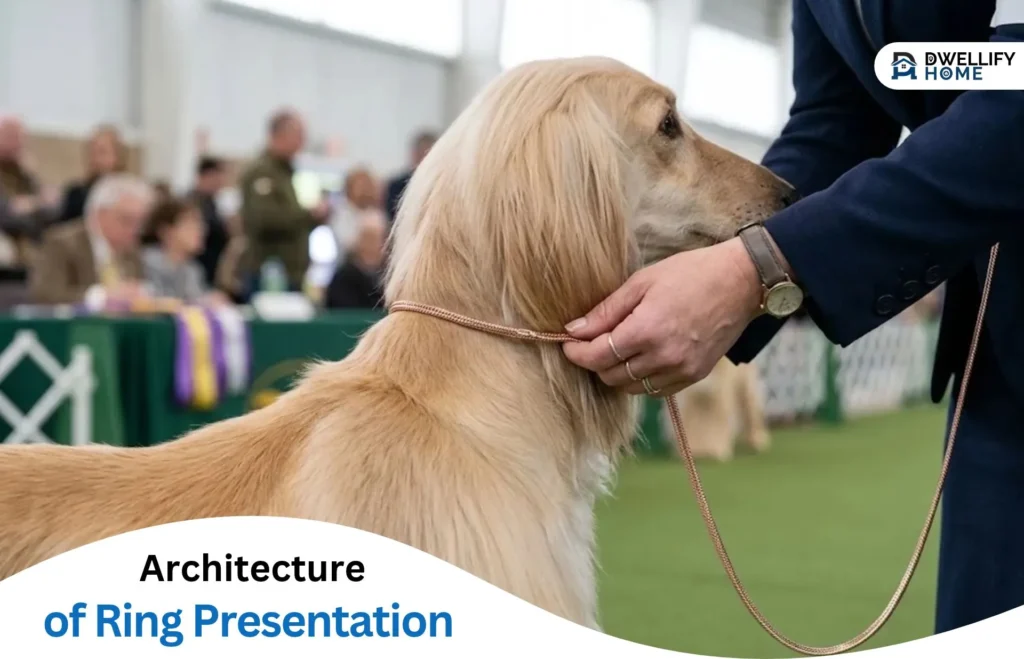
In a dog show, even small details can affect the overall presentation. A handler needs equipment that provides control while allowing the dog’s natural features and movement to remain the focus. The collar should sit comfortably, complement the coat, and respond smoothly to gentle handling. Choosing the right one involves more than appearance. Its fit, construction, and finish all play a part in how well it performs in the conformation ring.
What Is a Snake Chain Dog Show Collar?
A snake chain dog show collar is a specialized slip collar made from closely connected cylindrical metal links. Unlike traditional flat-link chains, its rounded, compact construction creates a smoother surface that can move easily around a dog’s neck.
This design is particularly useful in the show ring, where handlers want to avoid unnecessary friction against carefully groomed coats. Open-link chains can sometimes catch loose hair or pinch the skin, while a well-made snake chain has fewer exposed gaps where fur can become trapped.
Slip collars are among the equipment options used in conformation events. However, handlers should always check the rules of the specific event they plan to enter to make sure their equipment meets the requirements.
The Function: Protecting the Coat While Maintaining Control
A show collar should allow the handler to communicate with the dog without interfering with its natural appearance. Smooth links can help reduce snagging and friction, which is especially important for breeds with fine, long, or carefully styled coats.
A damaged or flattened section of neck hair can affect the dog’s overall outline. This is one reason many handlers pay close attention to the type of chain they use. The goal is to keep the coat looking natural while maintaining enough control to guide the dog through stacking and gaiting.
The slip mechanism also plays a role. As the lead is adjusted, the collar moves around the neck, allowing the handler to give subtle cues. When the dog responds, the handler should ease the tension rather than maintain pressure. This makes timing and technique just as important as the equipment itself.
A smooth chain alone does not guarantee comfort or prevent coat damage. Incorrect sizing, excessive tension, and poor handling can still cause discomfort. The collar should be used with care, and handlers should pay attention to the dog’s response throughout training and competition.
The Fit: Finding the Right Size and Placement
A properly fitted show collar should sit high on the neck, just behind the ears, without excessive slack. This position gives the handler better control during presentation and helps keep the lead from dropping toward the shoulders.
Getting the right fit starts with an accurate measurement. Use a soft measuring tape around the upper part of the dog’s neck, just below the ears. The collar should not be so tight that it restricts movement or breathing, nor so loose that the dog can easily slip out of it.
Some show collars are available in different lengths, allowing handlers to choose a size that suits their dog’s build. When comparing snake chain dog show collars, consider the available lengths, chain construction, and how each option will sit on your dog’s neck. Too much slack can cause a collar to slide out of position, while one that is too short may place unnecessary pressure on the neck.
Breed, neck shape, coat volume, and individual comfort should all be considered before choosing a collar. Taking accurate measurements before purchasing can help prevent fit issues once the dog is in the ring.
Choosing the Right Chain Gauge
Chain gauge refers to the thickness of the metal links. It affects the collar’s appearance, weight, and suitability for a particular dog.
Snake chains are available in several thicknesses, with options commonly ranging from fine links around 1.8 mm to heavier styles of 5.5 mm. Smaller breeds, such as Chihuahuas and Maltese, generally look better in lighter chains that do not overwhelm their necks. Larger breeds may need a sturdier option that is proportionate to their size.
Choosing a chain simply because it looks attractive is not enough. A chain that is too heavy may distract from a small dog’s outline, while one that is too delicate may not be appropriate for a larger or stronger dog. Check the manufacturer’s sizing guidance and consider the dog’s build and handling needs before making a choice.
The Finish: Matching the Collar to the Dog’s Appearance
The finish of a show collar can make a noticeable difference in the ring. Some handlers prefer a collar that blends into the dog’s coat, while others choose a metallic finish that adds a subtle accent.
Common options include black, chrome, gold, and rose gold. Dark finishes can be less noticeable on black or deep-colored coats, while chrome may complement white, silver, or lighter-colored dogs. Gold and rose gold can create a warmer contrast against red, sable, or darker coats.
The best choice depends on the overall presentation. A collar should complement the dog rather than become the most noticeable part of the outfit. When selecting a finish, consider the dog’s coat color, the lighting at the venue, and the look you want to achieve.
Material quality matters, too. Some chains use brass as a base metal with a plated finish. Brass is valued for its resistance to rust, although the outer plating may show wear with regular use. Inspect the collar occasionally for rough edges, damaged links, or signs of deterioration. A smooth finish and sound construction are important for both appearance and practical use.
Handling a Snake Chain in the Conformation Ring
Even a well-chosen collar depends on proper handling. During stacking, the handler guides the dog’s head and posture while allowing it to stand naturally. The lead should remain controlled without placing constant pressure on the neck.
When the dog settles into position, the handler can soften their grip and avoid unnecessary tension. During gaiting, small adjustments may help guide the dog’s pace and direction. Sudden or forceful pulling should be avoided, as it can cause discomfort and interfere with natural movement.
Training also matters. Puppies and inexperienced dogs should be introduced to show equipment gradually and positively. Keep sessions short, reward calm behavior, and make sure the collar fits correctly. A slip collar should never be used to force a dog into a position or left on an unattended dog.
The handler’s goal is to make the equipment work quietly in the background. Good timing, patience, and consistent practice contribute more to a polished presentation than relying on the collar alone.
Frequently Asked Questions
Are snake chain collars suitable for puppy show training?
They may be used during supervised training when appropriately sized and handled gently. Introduce the collar gradually and use positive reinforcement. Puppies should never be subjected to sustained pressure around the neck.
Will a brass snake chain tarnish?
Brass is resistant to rust, but its appearance can change over time. Plated finishes may also wear with frequent use. Regular inspection and proper storage can help keep the collar in good condition.
Can a show collar be used for everyday walks?
A show collar is designed for controlled handling and presentation, not as an everyday walking solution. A properly fitted walking collar or harness is generally a more suitable choice for routine outings.
Conclusion
A good show collar should support the handler without taking attention away from the dog. Its construction, size, and finish all contribute to a neat presentation, but comfort and responsible handling should remain the priorities.
By considering the dog’s breed, neck measurements, coat type, and training needs, handlers can choose equipment that suits both the animal and the demands of the ring. The right collar is only one part of a successful performance, but when it fits well and is used correctly, it can make handling smoother and help the dog present its natural qualities with confidence.
Please note that Dwellifyhome.com may earn revenue through affiliate links and sponsored content. Certain links in this article may generate commissions or reflect paid partnerships that help support our website’s operations.