When a pipe bursts in the night, a kitchen fire fills the house with smoke, or a storm tears shingles off the roof, the damage is almost always deeper than what you can see. Water hides behind walls. Smoke settles into places you would never think to look.
A cracked roof lets in the next rain. Residential Restoration Services exist for exactly these moments: trained crews who come in after the event, stop the damage from spreading, remove what is unsafe, and rebuild what was lost so your home is safe and livable again.
Most homeowners never think about restoration until they need it. But knowing what these services cover, how the work is done, and what to look for in a company can save you a great deal of stress, time, and money when something goes wrong. This guide explains it all in plain language, so you can make clear decisions even on a bad day.
What Do Residential Restoration Services Actually Cover?
Restoration is not one single job. It is a set of services for different kinds of damage, and the right approach depends on what happened to your home. The four most common types are water, fire, mold, and storm damage, and many jobs involve more than one at once. A fire, for example, usually leaves water damage behind from putting it out.
Water Damage
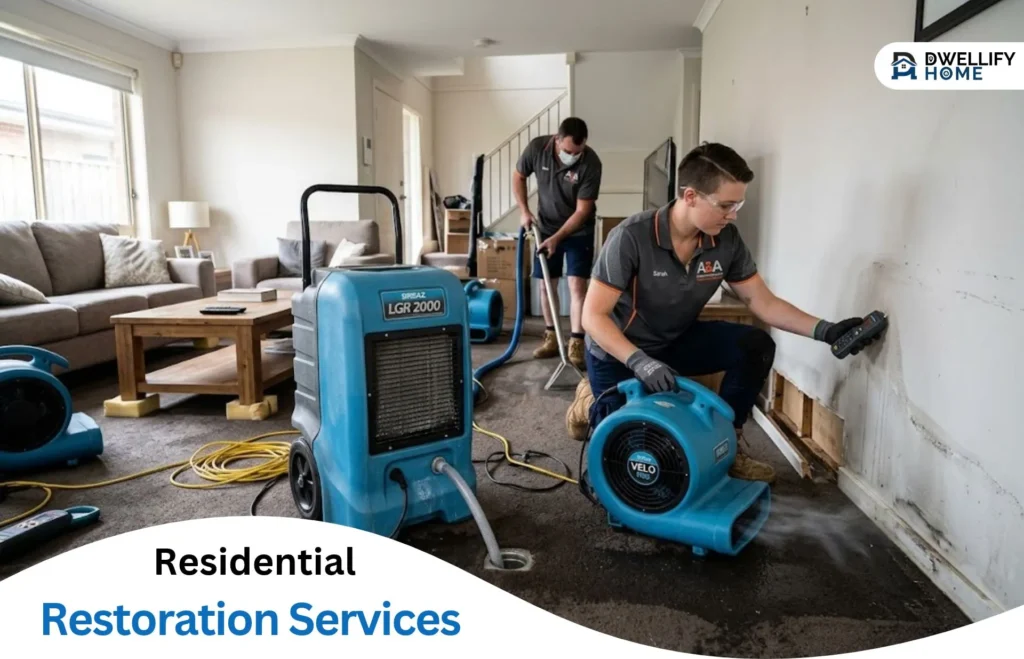
Water is the most common reason homeowners call a restoration company. It comes from burst pipes, leaking appliances, overflowing toilets, roof leaks, and flooding. Even a small leak can cause real trouble if moisture stays trapped behind walls or under floors. Professional water restoration includes finding the source, removing standing water, drying the structure with fans and dehumidifiers, checking hidden moisture, removing materials that cannot be saved, and repairing the area. Speed matters here more than anywhere else, because the longer materials stay wet, the more damage they take.
Fire and Smoke Damage
Fire damage does not end when the flames go out. Smoke travels quickly, and soot is acidic, so it keeps damaging surfaces the longer it sits. The smell also settles into walls, furniture, carpets, and air ducts. Fire restoration includes clearing debris, cleaning soot without spreading it further, removing smoke odor, dealing with water left from firefighting, and repairing damaged rooms. Because soot and smoke residue can be harmful to breathe, this is work that should not be rushed or done without the right equipment.
Mold Remediation
Mold is usually a symptom, not the whole problem. It grows where moisture has been left alone, often out of sight behind walls or under floors. The U.S. Environmental Protection Agency notes mold can begin growing within 24 to 48 hours of moisture exposure, which is why a minor-looking leak can turn into a bigger job if ignored. Proper remediation means finding the moisture source first, containing the area so spores do not spread, removing the mold safely, and fixing the moisture problem so it does not come back. Painting over mold or spraying it with a household cleaner does not solve it.
Storm Damage
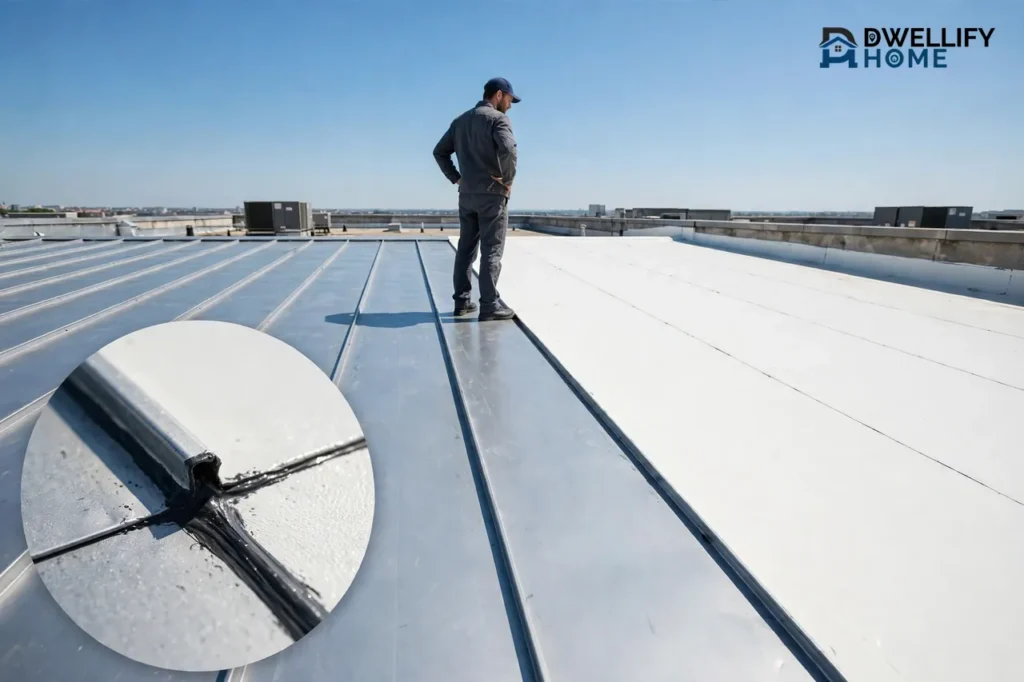
Storms damage homes in several ways at once: wind tears off roofing, rain gets in through the openings, fallen trees break walls and windows, and flooding soaks everything at ground level. Storm restoration often starts with emergency work, such as boarding up windows and tarping roofs, so the next rain does not make things worse. After that comes water removal, drying, and repair. If your home has been hit by a storm, do not climb onto a damaged roof yourself. Let professionals check whether the structure is safe first.
Restoration vs. Renovation: Why the Difference Matters
People often mix up restoration and renovation, but they are different jobs. Renovation changes a home to make it newer or nicer, like updating a kitchen because you want a fresh look. Restoration brings a damaged home back to the condition it was in before the event. That difference matters in two practical ways. First, the work follows a different order: restoration starts with safety and damage control, not design choices. Second, insurance usually treats them differently: damage repair after a covered event is often part of a claim, while a voluntary upgrade usually is not. If you are ever unsure which one you need, the answer is simple: if something broke it, you need restoration.
What Happens Step by Step
Every job is different, but professional restoration work generally follows the same order. Knowing these steps helps you understand what the crew is doing, and spot it early if something is skipped.
Inspection and assessment. The crew looks at the damage, checks for safety risks such as weak floors or electrical hazards, and figures out how far the damage reaches, including parts you cannot see. Moisture meters help find wet areas inside walls and floors.
Stopping the damage. Before any cleaning starts, the source is dealt with: shutting off the water, arranging a plumber, boarding up openings, or tarping a roof. This step is called mitigation, and it keeps a bad situation from getting worse.
Cleanup and drying. Standing water is removed, damaged materials that cannot be saved are taken out, and the space is dried with professional fans and dehumidifiers. Drying is monitored over days, not hours, because walls and floors dry from the inside out.
Cleaning and treatment. Surfaces are cleaned, smoke residue and odors are treated, and affected areas are sanitized where needed. For mold jobs, containment comes down here and the area is checked again.
Repair and rebuilding. Only when the structure is dry and clean does rebuilding begin: drywall, flooring, paint, cabinets, and fixtures. A good company will not rush this step, because rebuilding over damp surfaces traps the problem for later.
The whole process can take days or weeks depending on how much of the home is affected. A single flooded bathroom is very different from a house that took in several feet of water. A reliable company will give you an honest timeline instead of a date it cannot keep.
When to Call a Professional, and When You Can Handle It Yourself
Not every problem needs a crew. A small spill you clean and dry right away, with no damage to walls or floors, is usually fine to handle yourself. But call a professional when water has sat for more than a few hours, when drywall, carpet, or flooring is wet, when you smell smoke or a musty odor, when the damage came from fire, sewage, or a storm, or when you cannot tell how far the damage goes. Hidden moisture is the main reason small problems turn into big ones. If you are unsure, an inspection is worth it. Finding out early costs far less than finding mold inside a wall weeks later.
What to Do in the First Hours After Damage
The hours right after an event are confusing, but a few simple actions help a lot. First, put safety ahead of everything. Stay out of rooms with sagging ceilings, standing water near outlets, or heavy smoke, and do not enter a structure that looks unstable. Second, stop the source if it is safe, such as turning off the main water supply for a burst pipe. Third, document everything before anything is moved or thrown away: photos and videos of each room, plus a list of damaged items. These records matter for your insurance claim. Fourth, call your insurance company to report the loss and ask what steps it wants you to take. Then call a restoration company. The sooner drying and cleanup start, the less you will have to repair.
Will Homeowners Insurance Pay for Restoration?
In many cases, yes, but it depends on your policy and what caused the damage. Sudden events such as a burst pipe or a fire are usually covered. Damage that builds up slowly from an unfixed leak, or flooding from outside the home, is often treated differently, and flood damage usually needs a separate flood policy. Read your policy before you need it, if you can, and ask your insurer what is covered and what your deductible is. Good restoration companies help with the paperwork: they document the damage, write a detailed scope of work, and take photos throughout the job. Keep every receipt, and do not sign anything that assigns your full claim to someone else until you understand it.
How to Choose a Restoration Company You Can Trust
After a disaster, you may feel pressure to hire the first company that shows up. Take a breath and check a few things first. They matter more than a fast sales pitch.
- Certification and training. Look for technicians with recognized industry credentials, such as those from the IICRC, which sets the standards for water, fire, and mold restoration work.
- Proper licensing and insurance. The company should be licensed for the work in your state and carry its own liability insurance. Ask to see proof.
- Around-the-clock response. Damage does not wait for office hours. A company that answers at night and on weekends is far more useful than one that calls back on Monday.
- A written scope and price. Get the work described in writing: what will be done and what it will cost. Vague promises and pressure to sign on the spot are warning signs.
- Local reputation. Ask for references from recent jobs nearby, and check reviews. A local company is easier to reach if something needs follow-up later.
- Clear communication. The company should explain what it found, what it plans to do, and how long it should take, in words you understand. If you still feel confused, keep looking.
A company that provides Residential Restoration Services with certified technicians, honest timelines, and clear paperwork is the team you want in your home during a stressful time. The cheapest quote is not always the best deal. Bad work often has to be done twice, and the second time usually costs more.
Mistakes That Make Damage Worse
A few common mistakes turn manageable damage into a much larger job. Waiting to see if things dry on their own is the biggest one, because moisture keeps working even when the surface feels dry. Painting over water stains or mold hides the problem instead of fixing it. Using a household fan on a soaked carpet without removing the water underneath just moves damp air around. Cleaning up sewage or heavy soot without protective equipment can be a health risk. And throwing damaged items away before documenting them can hurt your claim. When in doubt, ask a professional before you act.
Frequently Asked Questions
Q: What exactly are residential restoration services?
A: They are professional services that repair homes after damage from water, fire, smoke, mold, or storms, covering everything from emergency cleanup and drying to repairs and rebuilding, with the goal of returning the home to a safe, livable condition.
Q: How long does a restoration job usually take?
A: It depends on the size and type of damage. A small water job may take a few days of drying plus repairs. A large fire or flood job can take several weeks, because drying and rebuilding cannot be rushed.
Q: Is mold dangerous, and should I try to remove it myself?
A: Mold can irritate the lungs and worsen breathing problems, especially for children, older adults, and people with asthma. Small surface mold on a hard surface can sometimes be cleaned safely, but mold inside walls, in air ducts, or across a large area should be handled by professionals with containment and proper equipment.
Q: Does homeowners insurance cover restoration work?
A: Often, yes, for sudden damage such as burst pipes or fires. Coverage depends on your policy, the cause, and your deductible. Flood damage usually requires separate flood insurance. Always check with your insurer and keep records of the damage.
Q: What is the difference between restoration and renovation?
A: Restoration returns a damaged home to the way it was before the event. Renovation changes or upgrades a home that is not damaged. Insurance generally treats them differently.
A Final Word
Nobody plans for a flooded basement or a house full of smoke. But a little knowledge goes a long way when it happens. Act quickly, put safety first, document the damage, and hire a company that explains its work clearly and stands behind it. Done right, restoration is about getting your home, and your daily life, back to normal.
Disclosure: Some links in this article may involve affiliate commissions or paid sponsorships. Dwellifyhome.com may receive compensation through these arrangements, helping fund website maintenance and content development.