Cleanout projects rarely stall because of the work itself. They stall when material piles up faster than anyone can move it off the property. Booking a roll off for scrap metal near Atlanta turns that bottleneck into a scheduled delivery and a single pickup, which keeps a demolition or renovation on its own timeline. Knowing the sequence in advance makes the rental far easier to plan around.
Choosing a Container Size That Fits the Job
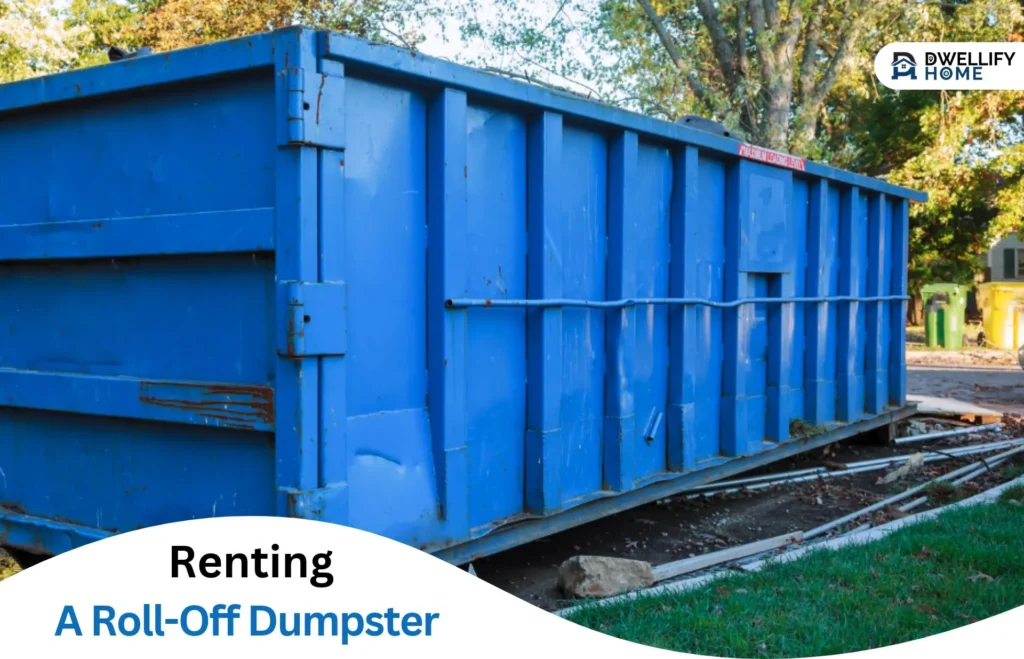
Container selection starts with the material, not the square footage of the property. Light bulky items such as ductwork, siding, and appliance shells fill volume quickly, while dense material like cast iron and steel plate reaches capacity long before the walls are full. A short conversation about what is coming out of the building settles the question faster than a size chart, and Taylor’s Scrapyard and Metal Recycling sizes the box from that. Underestimating means a second haul and a crew standing idle waiting on an empty container.
Delivery, Placement, and Site Access
Placement decisions carry more weight than most property owners expect. Drivers need overhead clearance, a firm surface, and straight-line room to slide the container off the truck and retrieve it later. Soft turf, low branches, and tight alley approaches all limit where a box can land. Taylor’s Scrapyard and Metal Recycling confirms those details before dispatch so a delivery does not turn into a repositioning problem. Protective boards under the rails keep driveways from scarring, and a box set close to the loading point saves hours of carrying.
Materials That Belong in the Container
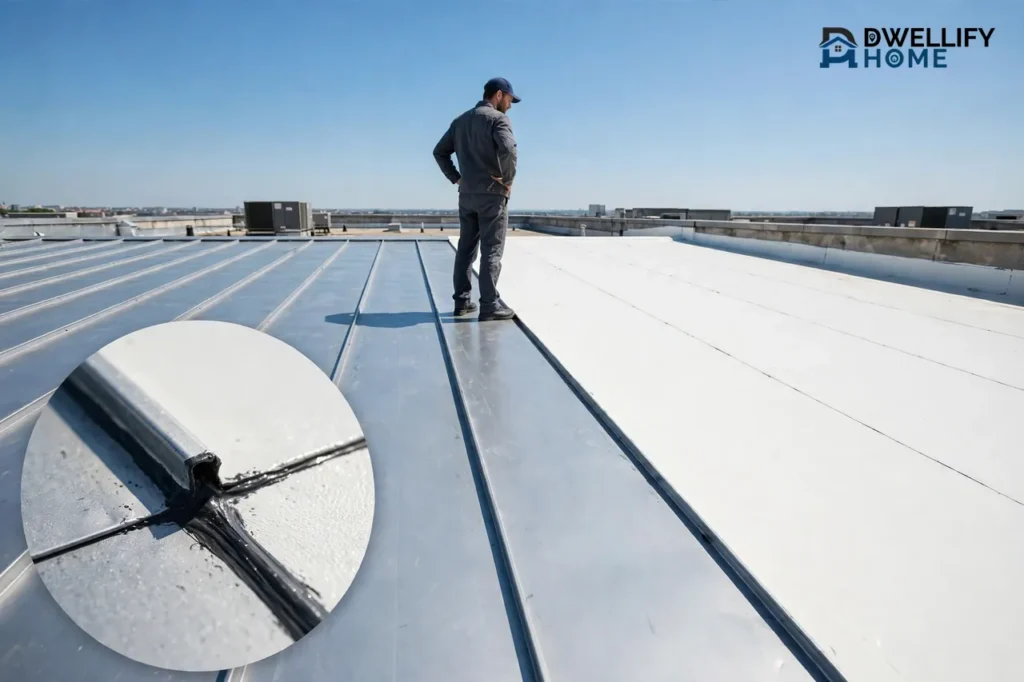
Roll-off rentals are built around metal, and keeping it separate from general debris protects the value of the load. Structural steel, copper wire, aluminum trim, brass fittings, and appliance carcasses all belong, along with metal roofing materials. Sealed containers, pressurized tanks, batteries, and anything still holding fluid are handled through different channels. Complete vehicles follow a separate path through Taylor’s Scrapyard and Metal Recycling’s scrap yard for cars, since titles, fluid draining, and axle weights are processed differently from a container rental. Clarifying the mix in advance prevents contaminated loads and the deductions that follow them.
Loading Practices That Protect Load Value
How material goes into the box affects what it earns at the scale. Keeping copper and aluminum away from mixed steel preserves the higher grades, and removing attached plastic where practical raises the return on identical tonnage. Loads should sit level with the top rail, since anything above it cannot be tarped and cannot legally travel on the road. Distributing heavy pieces evenly across the floor instead of stacking them at one end keeps the container stable during pickup, and Taylor’s Scrapyard and Metal Recycling reviews these expectations at drop-off so nothing is discovered late.
Weighing, Pickup, and Settlement
Pickup is scheduled once the container is full or the rental window closes. The loaded box is weighed on a certified scale, and the tare weight is subtracted to establish net tonnage. Grades are assessed against current pricing, which moves with commodity markets, so figures are quoted as competitive rates against current conditions. Taylor’s Scrapyard and Metal Recycling issues documentation covering weights, grades, and totals, giving contractors and property managers the paperwork they need for job costing and client billing.
Conclusion
A container rental becomes straightforward once the moving parts are clear. Size the box to the material rather than the project, confirm access before the truck arrives, keep the load clean and level, and expect weights and grades to be documented at pickup. Contractors working through demolition or ongoing production waste benefit most from that predictability, since the same sequence repeats without renegotiation each time. Structuring every rental around those steps is what gets most cleanouts finished closer to the original schedule than to the worst case.
This article may feature links from affiliate programs or paid sponsorships. Dwellifyhome.com may receive compensation from qualifying purchases or promotional collaborations associated with these links.