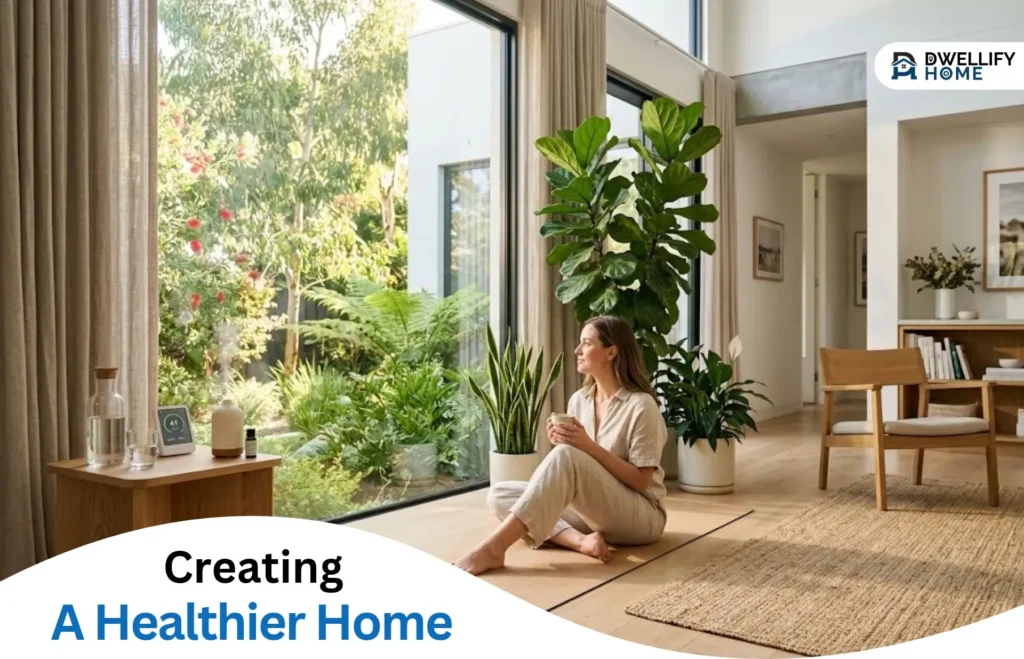
The afternoon slump hits at 3pm. Sleep never feels quite deep enough. The house always looks a bit dusty, no matter how often it’s cleaned. Plenty of Australians put this down to a busy life, but often the spaces people live in, and the small habits that happen inside them, play a bigger role than people realise.
A healthier home doesn’t mean a full renovation or a cupboard full of expensive gadgets. It’s usually a handful of simple upgrades and daily routines that, together, make home feel lighter, cleaner and more energising.
Start with water
It sounds almost too simple, but how much water a household drinks, and how easy it is to reach, can affect energy, focus and mood throughout the day.
Make hydration the easy choice
Most people don’t skip water on purpose. They just forget, or find it more convenient to grab a soft drink or another coffee. A few small changes at home can flip that:
- Keep a filled jug in the fridge so cold water is always ready
- Give everyone their own bottle, and leave it by the front door or on their desk
- Add flavour naturally with lemon, cucumber, mint or frozen berries
- Tie drinking to routines, like a glass with breakfast and another before every meal
On hot days, after a big gardening session or a long run, plain water sometimes isn’t the whole story. Sweat also takes salts like sodium and potassium with it. That’s why some families keep a few electrolyte beverages in the pantry for active days. They’re handy to have on hand, but they work best as a top-up, not a replacement for regular water. Checking the label for serving size and age guidance before giving electrolyte beverages to kids is always a good idea.
Upgrade the kitchen tap
Most Australian tap water is treated and safe to drink, but some households notice a chlorine taste that puts them off. A home water filter can make a real difference to taste, and when water tastes better, people tend to drink more of it.
Options range from simple jugs to under-sink and benchtop systems. Brands like Zazen offer benchtop filters that sit on the kitchen bench without plumbing work, which suits renters. When comparing a Zazen system or any other filter, it helps to check:
- Bench space and whether installation is needed
- How often cartridges need replacing, and the ongoing cost
- How much water the household uses each day
Fresher air, cleaner surfaces
Australians spend a large chunk of their day indoors, so the air inside matters. The good news is that the most effective fixes are also the cheapest.
Let the house breathe
- Open windows on opposite sides of the house for 10 to 15 minutes each morning to create a cross-breeze
- Run exhaust fans while cooking and showering, and for a few minutes afterwards, to cut down on moisture and mould
- Clean or replace filters in air conditioners and range hoods every few months
- Vacuum with a HEPA filter if anyone in the house has allergies or asthma
It’s worth being a little sceptical of quick-fix products. As this look at salt lamp air-cleaning claims points out, ventilation, regular cleaning and a good filter do far more for indoor air than most gadgets.
Rethink the cleaning cupboard
Strong-smelling sprays don’t always mean a cleaner home. A simpler kit often works just as well:
- A mild all-purpose cleaner for most surfaces
- White vinegar for glass and mineral build-up (not on stone benchtops)
- Bicarb soda for scrubbing sinks and ovens
- A stack of microfibre cloths that can be washed and reused
Opening a window while cleaning helps too, especially in bathrooms.
Spaces that support rest and movement
Set the bedroom up for sleep
A calm bedroom makes it easier to switch off. A few simple tweaks:
- Block the light with blackout blinds or curtains, especially in summer when the sun rises early
- Keep it cool, ideally between 18 and 21°C, using a fan or air conditioner on a timer
- Clear the bedside table of clutter, keeping just a lamp, a book and a glass of water. These bedside cabinet ideas show how to keep it tidy with smart storage
- Charge phones outside the bedroom to cut down on late-night scrolling
Make movement easy
People move more when it’s convenient. Keeping a yoga mat rolled up in the living room, a set of resistance bands in a basket, or walking shoes by the door removes the excuses.
A mini case study
The Robertsons, a family of four in Geelong, tried a “one change a week” approach for a month. In week one, they put a water jug in the fridge and a bottle on each child’s desk. In week two, they started opening the windows every morning. Week three meant phones charging in the kitchen overnight, and week four brought a yoga mat into the lounge room. By the end of the month, they said the kids were less cranky after school, everyone was sleeping better, and the house simply felt fresher.
Small changes, healthier home
A healthier home is built one habit at a time, not in a single weekend. Borrowing the Robertsons’ approach is a great place to start: pick one change from this list each week for the next month, beginning with something easy like a jug of cold water in the fridge. Four weeks from now, the whole household will notice the difference.
A quick note for our readers: certain links in this article may be affiliate or sponsored links. Any commissions earned from qualifying purchases help us manage our website and continue publishing helpful resources.