Author name: Emily Carter

Emily Carter is a home decor writer and editor at Dwellify Home. She loves turning everyday houses into warm, livable spaces with practical DIY ideas, seasonal decorating guides, and honest, jargon-free advice — so every home feels good to live in.

Avatar photo
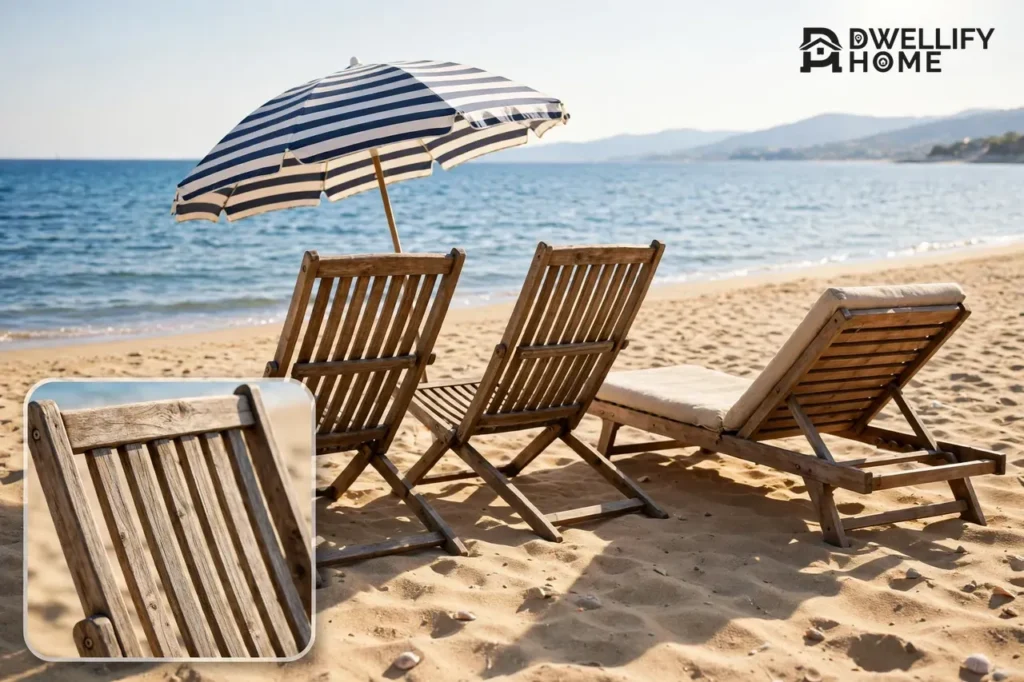
Beach chairs, lounger and umbrella on golden sand at the shore, bright sun, blue sea beyond
Outdoor Furniture

Beach Furniture That Survives Salt, Sand and Sun

Beach furniture that survives salt, sand, and sun is built from powder-coated aluminum, HDPE poly lumber, all-weather wicker, or teak — and the material matters more at the beach than anywhere else.
This guide shows which pieces to buy for the sand and the patio, which materials survive the coast, and how to keep beach furniture looking new year after year.
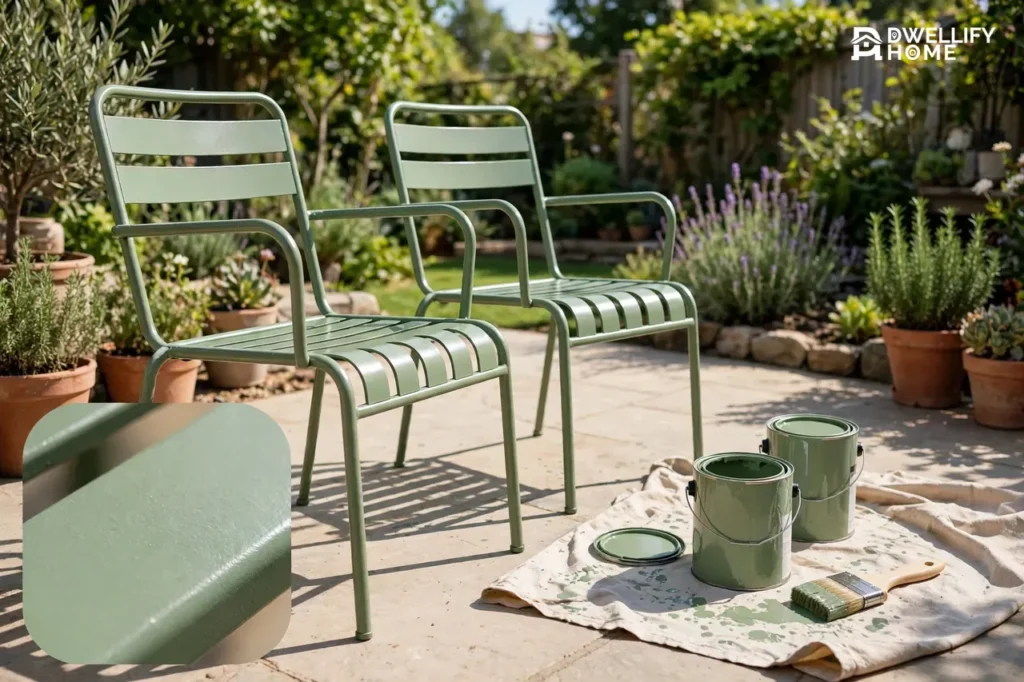
Freshly painted sage-green metal patio chairs drying in bright sunlight on a sunny patio, paint cans nearby
Outdoor Furniture

Outdoor Furniture Paint: How to Paint It So It Lasts for Years

To paint outdoor furniture so it lasts, clean it, remove rust and loose paint, sand it lightly, prime it for its material, and apply two thin coats of exterior paint — and the prep takes longer than the painting.
This guide walks through the full how-to for wood, metal, and wicker, shows which paint to buy for each material, and names the mistakes that make paint peel within one summer.

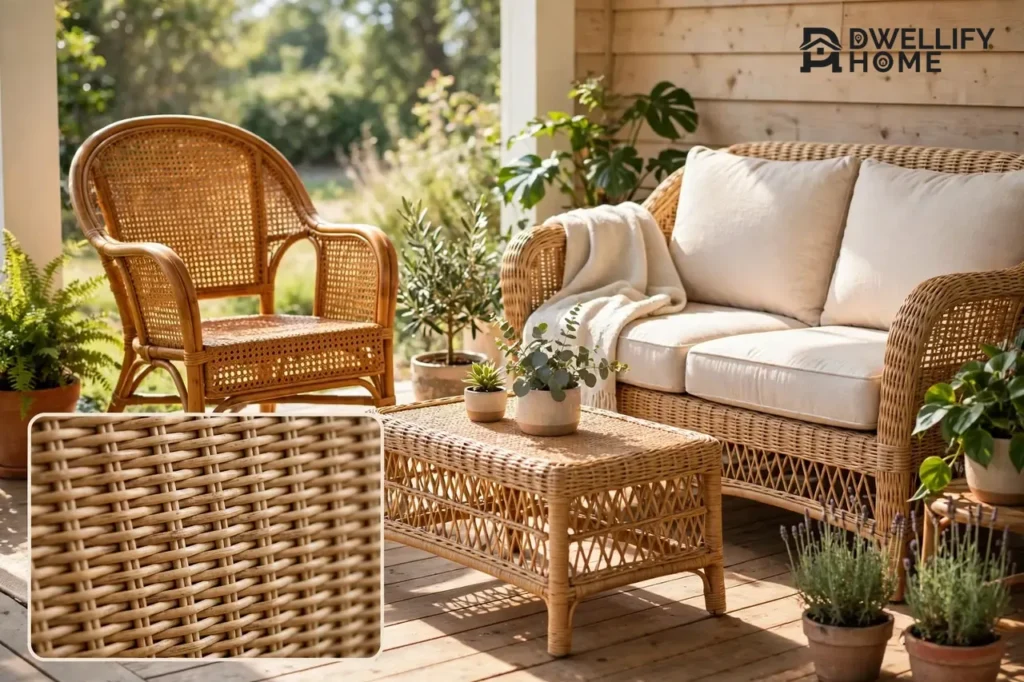
Natural rattan chair beside an all-weather wicker patio set on a sunny porch, warm light, plants around
Outdoor Furniture

Rattan vs Wicker: Which One Actually Survives Outside?

Rattan is a material and wicker is a weaving style — and for an uncovered patio, quality all-weather wicker made from HDPE resin lasts 10 to 20 years, while natural rattan left in rain and sun can fail within a season or two.
This guide explains the difference, compares lifespans and costs, and shows how to spot quality wicker before you buy.