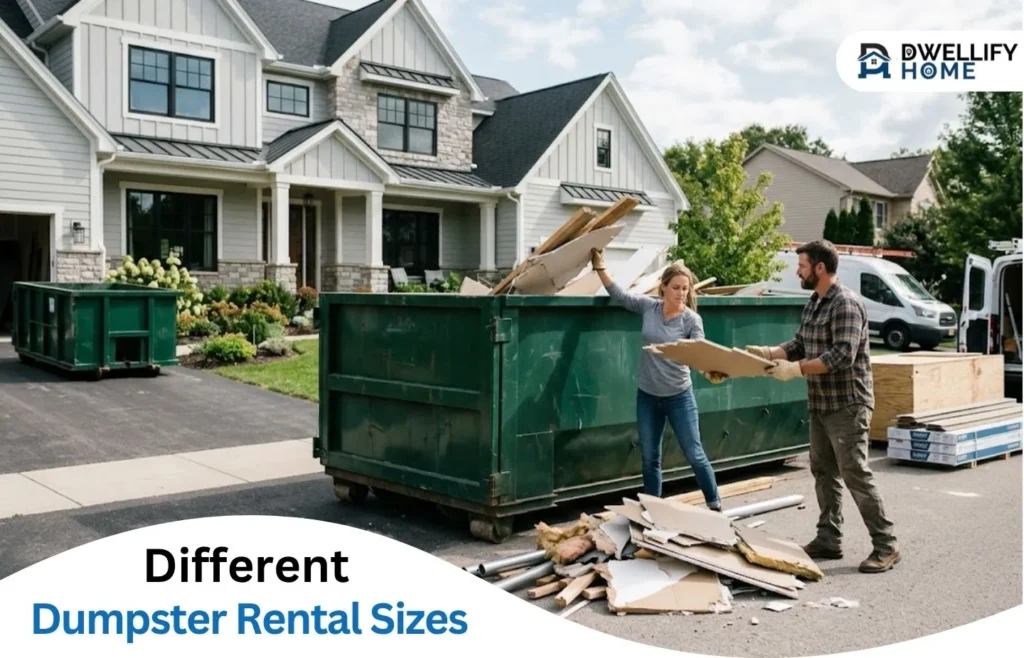
The right dumpster rental size depends on the amount of waste your project will generate, the type of materials being discarded, and the available space for the container. Small dumpsters can work well for minor cleanouts, while medium and large containers are often better for extensive renovations, construction, or major property cleanups. Choosing the correct size helps prevent overflow, unnecessary hauling trips, and avoidable rental costs.
Pacoima is a community in the San Fernando Valley region of Los Angeles, with residential properties, businesses, and construction projects that can generate different types of waste. Homeowners may need a container for garage cleanouts, landscaping, or remodeling, while contractors may need more capacity for building materials. Getting a dumpster rental in Pacoima starts with understanding the size options and how each one fits the project.
1. Small Dumpsters for Minor Cleanouts
Smaller containers are often suitable for projects that produce a limited amount of waste. Examples include clearing a small storage area, removing household clutter, or handling a modest landscaping cleanup.
These containers can be convenient when space is limited or when the project does not involve large furniture or heavy construction materials. However, the exact capacity available varies by provider, so ask for the container’s dimensions and volume before booking.
A small dumpster may not be appropriate for dense materials such as concrete or soil, even if there appears to be room inside. Weight limits can restrict how much of these materials may be loaded.
2. Medium Dumpsters for Home Improvement
Medium-sized containers are often useful for projects that produce more waste than a simple cleanout. Examples may include removing old cabinets, flooring, drywall, furniture, and other materials during a room renovation.
These containers provide more capacity while remaining manageable for many residential projects. They can also work for larger garage cleanouts or multiple rooms of discarded belongings.
Before choosing a medium container, estimate the amount of debris and consider whether bulky items will need to be broken down. This helps avoid running out of space before the work is finished.
3. Large Dumpsters for Major Projects
Large containers are commonly used for substantial renovation work, extensive property cleanouts, and certain construction projects. They can accommodate greater volumes of permitted debris, reducing the likelihood of needing multiple collections.
However, a larger container requires enough room for delivery, placement, and pickup. It may not fit comfortably in every driveway or narrow access area.
When considering a dumpster rental in Pacoima, CA, consider your project size, the type of materials you need to dispose of, and the available space for placing the container. The largest container is not always the most practical choice if access is restricted or the waste is unusually heavy.
4. Match the Container to the Type of Waste
Volume is only one factor in choosing a dumpster. Weight also matters, especially when disposing of roofing materials, concrete, bricks, soil, or other dense debris.
A container can reach its weight limit before it is full. Loading heavy materials beyond the permitted limit may create transportation and disposal issues and could result in additional charges.
Ask whether the provider offers containers specifically suited to heavy debris. Do not assume that a container designed for general household waste is appropriate for every construction material.
5. Consider the Space Available for Delivery
Before booking, identify where the dumpster will be placed. Measure the available space and consider gates, trees, overhead wires, parked cars, and other obstacles that could interfere with delivery.
If the container must be placed on a street or another public area, check whether authorization is needed. Placement requirements can vary depending on the location and local rules.
6. Avoid Choosing Based on Price Alone
A smaller dumpster may have a lower initial rental price, but it can become more expensive if the project requires another container or an additional haul. A larger option may provide better value when the amount of waste is substantial.
Compare the included rental period, weight allowance, disposal fees, delivery and pickup costs, and extra-day charges. A detailed quote helps you evaluate the total cost rather than focusing only on the advertised rate.
Key Points to Remember
- Small dumpsters are suitable for limited cleanouts and minor projects.
- Medium containers can accommodate many home improvement jobs.
- Large dumpsters may be better for extensive cleanouts and construction.
- Heavy materials can reach weight limits before the container is full.
- Measure the placement area before scheduling delivery.
- Compare total rental costs and included services before choosing a size.
Some links featured in this content may generate revenue through affiliate or sponsored partnerships. Any qualifying commissions received by Dwellifyhome.com help support our website’s operations and continued growth.