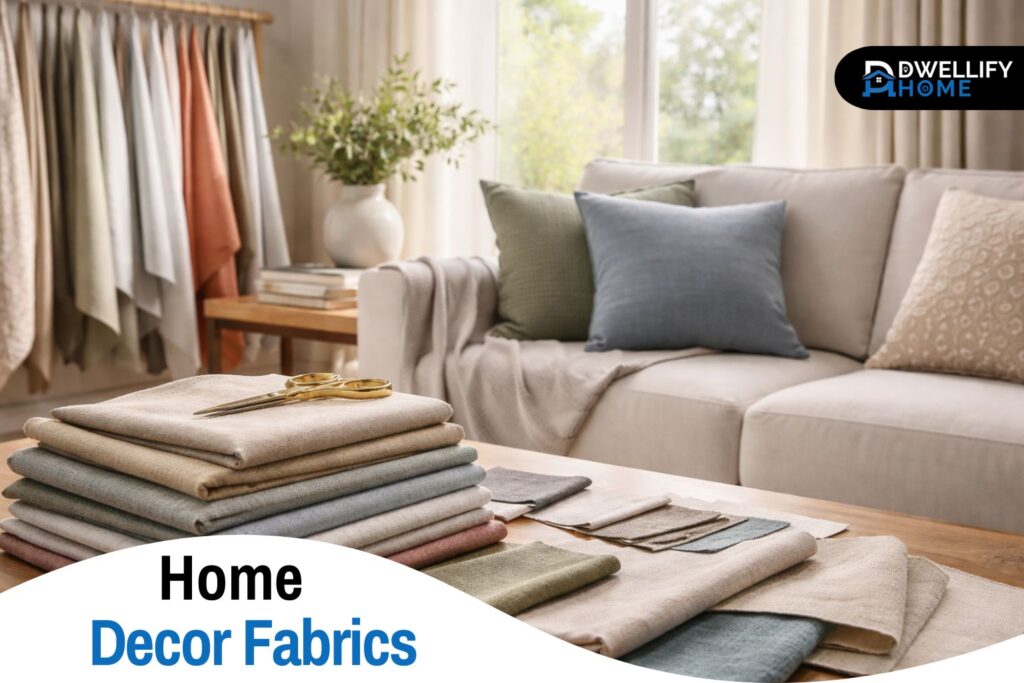
Fabric changes a room more than most people expect. I’ve seen spaces with good furniture still feel flat because the wrong fabric made everything look stiff, cheap, or hard to live with. I’ve also seen ordinary rooms come together just by changing the curtain panels, reupholstering a chair, or adding cushions in the right texture. The material you choose affects comfort, wear, light, cleaning, and even how warm or relaxed a room feels.
That’s why fabric selection should never be treated like a small finishing detail. It plays a practical role every day. A sofa fabric has to survive use. A curtain fabric has to hang well. A cushion fabric has to add softness without fighting the rest of the room. Good choices usually come from understanding how the material will live in the space, not just how it looks on a sample card.
Snippet-Ready Definition
Home decor fabrics are materials used for upholstery, curtains, cushions, and decorative accents. They help add texture, comfort, and durability while shaping the style and function of a room.
Mission Statement
Dwellify Home helps homeowners make practical, stylish, and informed decorating decisions by explaining materials, design choices, and everyday home solutions in a clear and approachable way.
What Home Decor Fabrics Are and Why They Matter
Home decor fabrics are made for furnishing use rather than clothing use. They’re commonly used for upholstery, drapery, cushions, benches, headboards, and decorative accents. In most cases, they’re heavier, more durable, or more structured than regular fashion fabrics, because they need to hold shape and handle daily wear.
That practical difference matters. A fabric that looks soft and elegant in a store can become a poor choice once it’s stretched across a dining chair or exposed to direct sun in a living room. The right material helps a room feel finished, but it also needs to work with real life.
Key Uses of Home Decor Fabrics
- Upholstery for sofas, chairs, and benches
- Curtains and window panels
- Cushions, pillows, and throws
- Headboards and ottomans
- Decorative accents that add texture and softness
Mini Guide: Choosing the Right Fabric for Each Use
| Use | Good Fabric Choices | Why It Works |
| Sofa Upholstery | Microfiber, polyester blends, canvas | Durable and easy to maintain |
| Accent Chairs | Velvet, jacquard, linen blends | Adds texture and visual depth |
| Curtains | Linen, cotton, polyester blends | Good drape and light control |
| Cushions | Cotton, velvet, woven blends | Comfortable and decorative |
| Dining Chairs | Performance fabric, microfiber | Handles spills and frequent use |
Main Types of Home Decor Fabrics
Cotton is one of the easiest starting points. It feels familiar, works well in casual interiors, and is often used for slipcovers, cushions, and some light upholstery. Linen gives a relaxed, airy look that works especially well in bedrooms, coastal interiors, and soft drapery. Velvet brings more depth and weight, which is why it’s often used on accent chairs, headboards, or formal curtains.
Polyester and polyester blends are common because they’re practical. They usually resist wrinkles better, can be easier to maintain, and often cost less than natural fibers. Microfiber is another dependable option for busy homes because it tends to handle wear well. Then you have statement materials like jacquard, damask, silk, wool blends, canvas, leather, and faux leather, each suited to very different uses.
Natural vs Synthetic Home Decor Fabrics
Natural fibers such as cotton, linen, wool, and silk usually offer a softer, more organic feel. They often bring better texture and a more lived-in look, which is why they’re popular in well-styled interiors. The tradeoff is that some of them wrinkle more easily, stain faster, or need more careful maintenance.
Synthetic fabrics, including polyester, acrylic, olefin, and microfiber, are usually chosen for performance. They’re often more resistant to fading, stretching, and daily wear. In real homes, blends can be the smartest option. A linen-blend curtain or a cotton-poly upholstery fabric often gives a better balance between appearance and practicality than either fiber alone.
How to Choose Home Decor Fabrics for Different Uses
Not every fabric should do every job. Upholstery home decor fabrics need enough strength to handle rubbing, pressure, and repeated use. That’s why materials for sofas, chairs, ottomans, and benches should be selected with durability first, then texture and color second. A fabric that works beautifully on a cushion may fail quickly on a seat.
Curtains and window panels need drape. A material can be attractive but still hang awkwardly if it’s too stiff or too light for the look you want. Cushions and throws give you more flexibility, because they don’t take the same daily pressure. That’s often where you can introduce richer textures, patterns, or fabrics that would be too delicate for upholstery.
How to Choose the Right Fabric for Every Room
Living rooms usually need the most balanced decisions. This is where style, comfort, and wear all meet. A formal sitting room may handle linen or velvet more easily, while a family room often benefits from microfiber, performance blends, or a tightly woven upholstery fabric that can handle regular use.
Bedrooms give you more freedom. The fabric doesn’t usually take the same abuse there, so you can lean more into softness and visual comfort. Dining rooms need a bit more caution, especially on chairs. Easy-clean materials tend to make more sense there. In kids’ rooms and high-traffic zones, choose fabrics that can take friction, stains, and quick cleaning without constant worry.
What to Look for Before Buying Home Decor Fabrics
Durability should always match the job. For upholstery, pay attention to weave, thickness, and how the surface feels when rubbed by hand. A loose weave may look lovely on a sample, but it can pull or wear faster on a seat cushion. For sunny rooms, fade resistance matters more than most people realize. I’ve seen beautiful fabrics lose their depth surprisingly fast when this is ignored.
Cleaning is another area people often underestimate. Before buying, ask yourself one simple question: will this fabric still feel like a good idea after six months of normal living? That question alone filters out a lot of poor choices. Texture, softness, drape, breathability, and comfort all matter too, but performance needs to stay part of the decision.
Fabric Weight, Texture, and Drape Explained Simply
Lightweight fabrics are often better for airy curtains and decorative layering. They let light move through the room and create softness without heaviness. Medium-weight fabrics are more versatile and work well for many cushions, panels, and occasional upholstery projects. Heavyweight materials are usually better for structured pieces and furniture that gets real use.
Texture changes mood just as much as color. Linen feels relaxed. Velvet feels richer. Canvas feels sturdy and informal. Drape is equally important, especially for curtains and soft furnishings. Some fabrics fall in smooth folds, while others hold shape or feel bulky. That difference is hard to understand from a screen, which is why fabric samples are worth getting whenever possible.
Choosing Color, Pattern, and Texture That Work Together
Solid fabrics tend to give more flexibility. They’re often easier to layer with wood tones, rugs, artwork, and painted walls. Patterns can bring life to a room, but scale matters. A large floral or geometric print may look strong on a single chair but feel too busy across a full sofa or multiple window panels.
Texture is often the better way to create depth without clutter. A room with neutral colors can still feel rich when you combine smooth cotton, woven linen, soft velvet, or subtle jacquard. That layered look usually ages better than forcing too many loud patterns into one space.
Best Home Decor Fabrics for Everyday Living
Busy homes need forgiving materials. For families with children, pets, or heavy daily use, tightly woven fabrics, microfiber, and performance upholstery options often make life easier. They don’t remove all maintenance, but they usually reduce stress. That matters more than people think once the room starts getting used properly.
Low-maintenance choices aren’t always the most luxurious to the touch, but they often deliver better long-term satisfaction. A fabric that still looks decent after spills, crumbs, and regular sitting usually beats a delicate option that constantly needs protection. In real decorating work, that balance is what keeps a room both attractive and usable.
How to Choose Home Decor Fabrics by Interior Style
Modern and minimal spaces usually work best with cleaner weaves, quieter textures, and controlled color palettes. Linen blends, cotton canvas, and simple woven upholstery fabrics often fit well there. Traditional interiors can carry more pattern, more detail, and richer materials like damask, velvet, or textured jacquards.
Coastal spaces tend to suit breathable fabrics with a relaxed hand, while layered and cozy interiors benefit from tactile materials that add warmth. Formal rooms can handle deeper color, shine, or heavier texture. The main point is to let the fabric support the style instead of competing with it.
Buying Home Decor Fabrics by the Yard
Buying home decor fabrics by the yard makes sense for custom cushions, reupholstery, curtains, and sewing projects. It gives you more control, but it also leaves more room for mistakes. One of the biggest is under-ordering. Pattern repeat, seam allowance, and furniture shape can all increase how much fabric you actually need.
It’s also worth checking width, cleaning instructions, and whether the fabric is meant for upholstery or drapery. People sometimes buy by color first and then realize the material isn’t suitable for the project. A little caution here saves both money and frustration.
How to Shop Smart Without Sacrificing Quality
Discount, clearance, and outlet sections can be worth checking, but they need a careful eye. Lower price doesn’t always mean poor value. Sometimes it’s leftover stock, discontinued pattern runs, or overproduction. Other times, it’s a fabric that simply won’t hold up well in daily use.
The smarter approach is to compare feel, weave, intended use, and care requirements before you compare price alone. The best home decor fabrics are not always the most expensive ones. They’re the ones that fit the room, the lifestyle, and the maintenance level you can realistically live with.
Where People Shop for Home Decor Fabrics
Some homeowners prefer online fabric stores because they offer range and convenience. Others still get better results at local shops where they can touch materials, compare weight, and see true color in person. That physical check is especially useful for upholstery fabric and curtain material, where drape and texture matter so much.
Regional searches such as home decor fabrics Canada or home decor fabrics Traverse City usually come from people looking for nearby sources, shipping convenience, or in-person advice. That makes sense, especially when the project is custom or you want to compare a few samples before ordering.
How to Test Fabric Before Making a Final Choice
Samples solve a lot of uncertainty. Even a small swatch can tell you whether a color feels too flat, too yellow, too cool, or too dark once it enters your room. Always check fabric in daylight and at night. Artificial light can shift the whole look.
It also helps to place the sample beside flooring, paint, wood finishes, and nearby furniture. Sometimes a fabric is beautiful on its own but wrong for the room. That’s not a failure. It’s exactly why testing matters before committing.
Common Mistakes to Avoid When Choosing Home Decor Fabrics
One common mistake is choosing with the eyes only. A material may look expensive or stylish but still be wrong for the way the room is used. Another mistake is ignoring sunlight. Window-facing rooms can be rough on fabric, especially with rich colors or delicate fibers.
People also overlook cleaning needs, texture scale, and sample testing. Pattern can feel much larger once it’s spread across a sofa or repeated across curtain panels. Those small oversights are often what make a finished room feel slightly off.
FAQs
What are the best home decor fabrics for sofas?
Durable upholstery fabrics like microfiber, polyester blends, and tightly woven cotton are commonly used for sofas because they handle regular sitting, friction, and everyday wear.
Which fabrics work best for curtains or window panels?
Linen, cotton blends, and lightweight polyester fabrics work well because they drape naturally and allow controlled light while still giving some privacy.
Are natural fabrics better than synthetic ones for home use?
Natural fibers like linen and cotton offer better texture and breathability. Synthetic fabrics often last longer and resist stains or fading better. Many homes benefit from blended fabrics.
How do I know if a fabric is durable enough for upholstery?
Look for tightly woven material designed for upholstery use. Thicker fabric, stronger weave, and performance blends usually handle daily wear better than delicate decorative fabrics.
Should I buy home decor fabrics by the yard or pre-made pieces?
Buying fabric by the yard works well for custom cushions, curtains, or upholstery projects. It allows better control over color, pattern, and material choice.
A Simple Way to Narrow Down the Right Fabric
Start with the room, then the use level. After that, think about maintenance honestly. Do you want something you can live with easily, or something you’ll need to protect? Then narrow by color, texture, and style.
That order works because it keeps the practical side ahead of the visual side without ignoring either one. It’s the same process I’d use standing in front of fabric books with a client. The material needs to suit the room first, and only then should it earn its place through looks.
Choosing home decor fabrics well isn’t about memorizing every fiber or chasing whatever looks good in a showroom. It’s about knowing what the room needs, how the piece will be used, and what kind of maintenance makes sense for your home. Once those things are clear, the right fabric usually becomes much easier to spot.
Disclaimer
Dwellify Home is provided for general informational purposes. Fabric performance and suitability can vary depending on use, environment, and maintenance. Always confirm product details before purchasing.

I’m Bilal, the founder of Dwellify Home. With 6 years of practical experience in home remodeling, interior design, and décor consulting, I help people transform their spaces with simple, effective, and affordable ideas. I specialize in offering real-world tips, step-by-step guides, and product recommendations that make home improvement easier and more enjoyable. My mission is to empower homeowners and renters to create functional, beautiful spaces—one thoughtful update at a time.