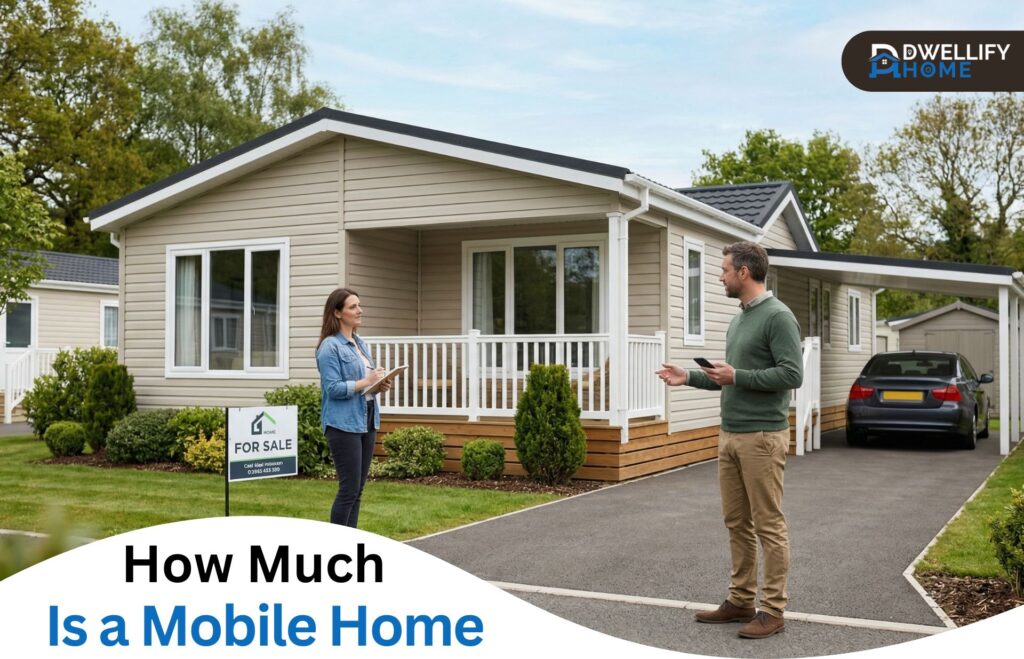
Mobile home prices can look simple at first glance, but they rarely stay simple for long. I’ve seen buyers focus on the sticker price, then get caught off guard by delivery, setup, utility work, or lot rent. That’s usually where the budget starts to drift.
A good starting point is this: a new single-wide often costs far less than a double-wide, and used homes can be cheaper still. But the real cost depends on the size, age, condition, location, land situation, and how the home will be installed. Once you add those pieces together, the number can change a lot.
Snippet-Ready Definition
A mobile home is a factory-built home designed to offer lower upfront housing costs. People choose it for affordability, flexible placement, and a simpler path to ownership than many site-built homes.Mission Statement
Dwellify Home helps homeowners make practical, stylish, and informed home decisions with clear, useful guidance they can trust.
Introduction: How Much Is a Mobile Home?
The short answer is that a mobile home can range from relatively affordable to surprisingly expensive, depending on what you’re actually buying. A basic used unit in rough shape may be a few thousand dollars. A new double-wide with upgrades, delivery, setup, and land-related costs can push well into six figures.
That’s why it helps to stop thinking in terms of just the sales price. The better question is: what will this home really cost me from purchase to move-in, and then month to month after that?
Mini Guide: What Shapes the Final Price?
| Cost Area | What to Expect |
| Home type | Single-wide costs less than double-wide or multi-section homes |
| Condition | Used homes can be cheaper, but repairs may erase the savings |
| Land | Buying land raises upfront cost, while lot rent raises monthly cost |
| Setup | Delivery, foundation, utility hookups, and permits add to the total |
| Financing | Loan type, rate, and term affect what you pay over time |
Key Things Buyers Want to Know
- Base price is only part of the total cost
- Single-wide and double-wide prices vary a lot by size and features
- Used homes can save money, but condition matters more than listing price
- Land, setup, and financing often decide whether the home is truly affordable
- Monthly costs can matter just as much as the purchase price
Average Mobile Home Prices at a Glance
Most buyers start by comparing home types.
A single-wide is usually the least expensive option. It’s narrower, smaller, and often a practical fit for one or two people. A double-wide costs more, but it usually feels much closer to a standard site-built home in layout and livability. Triple-wide and multi-section homes sit at the higher end and are often chosen by buyers who want more space without moving into a conventional build.
Used homes can be much cheaper than new ones, but the price spread is wide. I’ve seen older used homes listed at eye-catching prices that looked like bargains until repair costs, transport issues, or park restrictions came into play.
New vs. Used Mobile Home Prices
New homes cost more upfront, but they’re easier to predict. You know the condition, you usually get modern materials and better energy efficiency, and financing tends to be cleaner.
Used homes can save money at the start, especially if the home is already in place and in decent shape. That said, lower price doesn’t always mean lower cost. A used home with soft floors, roof leaks, outdated plumbing, or electrical issues can eat through your budget quickly.
Very cheap listings deserve extra caution. A low sale price can mean:
- major repair work is needed
- the home is older and harder to finance
- title paperwork is incomplete
- the home can’t stay on its current lot
- transport and setup costs aren’t included
That’s why I never judge a used home by listing price alone.
What Affects the Price of a Mobile Home?
A few details move the number more than most people expect.
Size is the obvious one. More square footage means a higher price. Age matters too. Older homes can cost less to buy, but they often come with more maintenance and fewer financing options.
Features also make a difference. Upgraded kitchens, better insulation, higher ceilings, custom finishes, and modern floor plans can raise the cost quickly. Build quality matters more than people think as well. Two homes that look similar in photos can feel very different in durability and long-term upkeep.
Location plays a role too. In some markets, transport is harder, setup costs are higher, and demand pushes prices up. Whether the home sits in a park or on private land also changes the math.
The Hidden Costs Beyond the Sticker Price
This is the part buyers often underestimate.
The base home price usually does not include the full cost to get the home ready to live in. Delivery alone can be a major expense, especially if the site is far away or difficult to access.
Then there’s site prep. That can include grading, clearing, drainage work, and preparing the pad or foundation. Utility hookups can add more, especially if water, septic, electric, or gas lines aren’t already in place.
Other common costs include:
- foundation and anchoring
- permits and inspections
- skirting and steps
- decks or porches
- title, tax, and closing-related fees
I’ve seen buyers do a decent job budgeting for the home itself, then miss half of these items. That’s often where stress begins.
Land Costs: Buying a Lot vs. Renting in a Community
Land changes everything.
Buying a lot adds upfront cost, but it gives you more control and can improve long-term value. You may also have better financing options if the home is permanently attached to land you own.
Renting a lot in a mobile home park lowers the initial hurdle, but it adds a recurring monthly cost. That can make a cheaper home less affordable over time. I’ve seen buyers get excited about a low purchase price, only to realize the lot rent made the monthly budget tight from day one.
Neither option is always better. It depends on your timeline, your cash on hand, and whether you want flexibility or stability.
Mobile Home Cost Per Month: What You May Actually Pay
The monthly cost matters just as much as the purchase price.
Your payment may include the loan, lot rent, property taxes, insurance, utilities, and routine maintenance. Even if the home itself seems affordable, the total monthly number can be higher than expected once all those pieces are added together.
A practical way to think about it is this: don’t ask whether you can afford the home. Ask whether you can comfortably afford the home, the land or lot, the utilities, and the upkeep at the same time.
That’s the kind of calculation that keeps a budget realistic.
Financing a Mobile Home
Financing depends heavily on the age of the home, whether it’s on owned land, and how it’s classified.
Some buyers use a chattel loan, which is often used when the home is treated more like personal property than real estate. Others qualify for mortgage-style financing, usually when the home is on a permanent foundation and tied to owned land.
Interest rate, down payment, and loan term all affect the total amount paid over time. A lower-priced home with a higher interest rate can end up costing more than expected. I always suggest looking at the full repayment picture, not just the advertised home price.
Mobile Home vs. Manufactured Home: Why the Difference Matters
A lot of buyers use these terms interchangeably, and in everyday conversation that’s common. Still, the distinction can matter.
Homes built after the federal HUD code went into effect in 1976 are technically manufactured homes. Older homes are often called mobile homes. That difference can affect financing, insurance, and inspection concerns.
Older units may still be workable, but they need closer scrutiny. In real-world buying situations, those older homes are often where hidden problems and financing headaches show up.
Regional Price Differences to Expect
Prices don’t stay the same from one state to another. Transport, labor, setup requirements, and local demand all push costs around.
In some areas, the home itself may be reasonably priced, but site work or permits cost more. In others, you may find a better home price but deal with higher lot rent or a tighter used-home market.
That’s one reason national averages are useful only as a baseline. Local reality is what matters when you’re making a decision.
How to Estimate the True All-In Cost Before You Buy
This is the method I’ve found most useful.
Start with the price of the home. Then add the cost of land or lot rent. After that, add delivery, installation, utility work, permits, and any immediate repairs or upgrades. Finally, estimate your monthly costs, including financing, insurance, utilities, and maintenance.
That gives you a much more honest picture than just looking at a sales listing.
A simple budget built this way can stop expensive mistakes before they happen.
When a Cheap Mobile Home Is a Red Flag
Cheap can be good, but cheap can also be a warning.
Missing ownership documents, old structural damage, roof leaks, weak flooring, and serious plumbing or electrical issues are common trouble spots. High lot rent can also wipe out the benefit of a lower sale price.
One issue that gets overlooked a lot is park approval. A buyer may assume the home can stay where it is, then find out the park has age rules, condition standards, or transfer restrictions. That can turn a low-cost purchase into a moving problem overnight.
What to Check Before Buying a Used Mobile Home
Before buying used, look closely at the roof, subfloor, walls, plumbing, and electrical system. Check the age and identification details. Confirm whether the home has been moved before and whether it can remain on its current lot.
I’d also pay close attention to signs of water intrusion. In my experience, water damage is one of the fastest ways a “cheap” home becomes an expensive one.
What Ultra-Low Maryland Listings Often Really Mean
Listings like mobile homes for sale under $5,000 in MD or mobile homes for sale in Maryland under $10000 can catch attention fast. Usually, though, those prices come with a story.
The home may be very old, need major repairs, sit on rented land, or require the buyer to move it. In some cases, used mobile homes for sale in MD by owner can be solid opportunities, but you still need to check title status, park rules, and repair needs carefully.
A low price in a listing is only useful when you know what it leaves out.
Is a Mobile Home Worth the Cost?
For many buyers, yes. A mobile home can be a practical path to homeownership, especially compared with the cost of site-built housing. But the value depends on buying the right home at the right total cost.
A double-wide may offer better long-term comfort and resale appeal than a single-wide. On the other hand, a modest single-wide can make more sense for a smaller household trying to keep costs down.
The best choice is the one that fits both your budget and your daily life.
Expert Tips to Keep Mobile Home Costs Under Control
Compare the installed price, not just the base price. Ask exactly what’s included in delivery and setup. Budget for utilities before choosing the home. Get financing quotes early. And stay cautious when a deal looks unusually cheap.
Those small steps prevent a lot of regret.
FAQs
How much do most mobile homes cost?
Most buyers see a wide range based on size, condition, and setup. Single-wides usually cost less, while double-wides and multi-section homes cost more, especially once delivery and installation are included.
Is it cheaper to live in a mobile home or a house?
It can be cheaper upfront to buy a mobile home, but the full answer depends on lot rent, land costs, financing, insurance, utilities, and maintenance. A lower purchase price does not always mean a lower monthly cost.
Can you buy a mobile home for $100,000?
Yes, in many markets that budget can cover a new single-wide or some used double-wides, but not always land, site prep, delivery, or utility hookups. What is included matters more than the headline price.
Is it cheaper to build or get a manufactured home?
A manufactured home is often less expensive than building a comparable site-built home, especially on upfront cost. Still, land, setup, and financing can narrow the gap more than buyers expect.
What hidden costs should buyers expect?
The most common extra costs are delivery, foundation work, utility hookups, permits, taxes, insurance, and either land purchase or monthly lot rent. These can change the total budget significantly.
Conclusion: How Much Is a Mobile Home, Really?
The real answer depends on more than the home itself. Size, age, condition, land, setup, and monthly ownership costs all shape the final number.
A mobile home can be an affordable option, but only when you look at the full picture. Start with the purchase price, then work outward to installation, land, financing, and ongoing costs. That’s the clearest way to judge what you can truly afford and whether the home will still make sense six months after move-in.
Disclaimer
Prices and housing costs vary by location, condition, financing, and included setup. Always confirm current local pricing before making a decision.

I’m Bilal Hassan, the founder of Dwellify Home. With 6 years of practical experience in home remodeling, interior design, and décor consulting, I help people transform their spaces with simple, effective, and affordable ideas. I specialize in offering real-world tips, step-by-step guides, and product recommendations that make home improvement easier and more enjoyable. My mission is to empower homeowners and renters to create functional, beautiful spaces—one thoughtful update at a time.