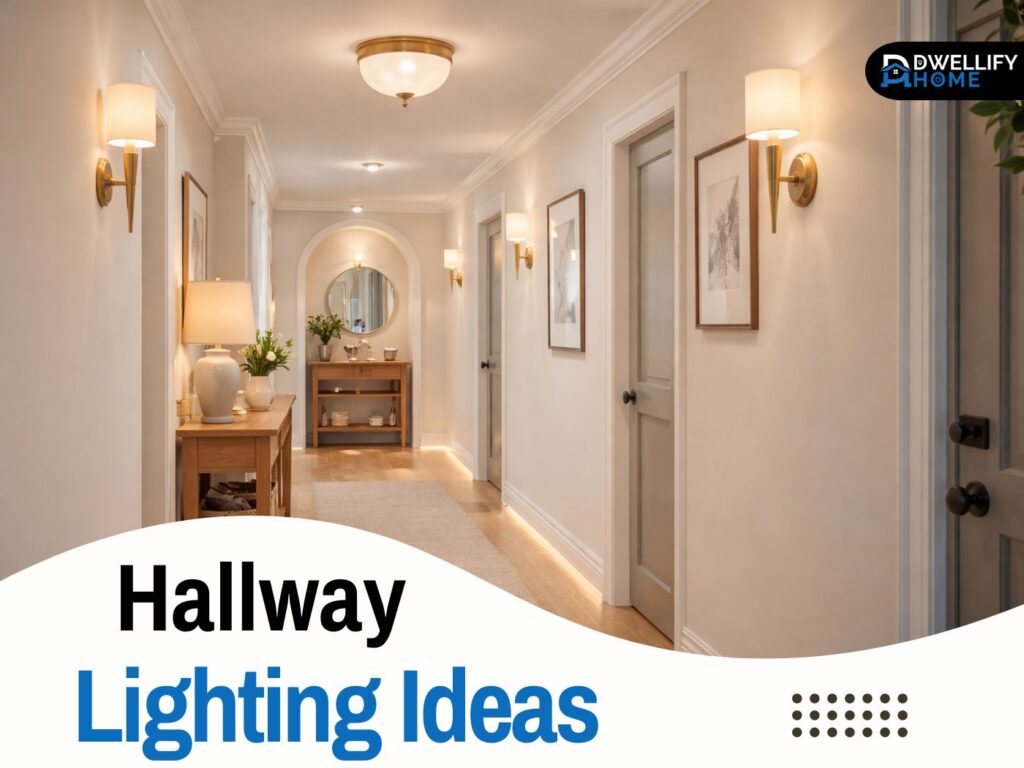
A hallway doesn’t ask for much space, but it does ask for good lighting. I’ve worked on a lot of homes where the hallway was the one area that felt gloomy at night, awkward in the daytime, or simply unfinished. The fix usually isn’t complicated. It’s about choosing the right fixture types, placing them with intention, and making sure the light feels comfortable on the eyes.
In this guide, I’ll walk you through a clean, practical approach I use as a lighting designer. You’ll get clear options for hallway light fixtures ceiling choices, small hallway light fixtures, modern hallway lighting ideas, and even hallway lighting ideas no outlet for rentals. I’ll keep it simple, but I won’t skip the details that actually matter.
Snippet-ready definition:
Hallway lighting ideas are practical ways to light entryways and corridors using ceiling fixtures, sconces, and accents. People use them to reduce shadows, improve safety, and make narrow or dark hallways feel brighter and more welcoming.
Mission Statement:
At Dwellify Home, our mission is to help you create a home that feels comfortable and well-designed through practical, experience-based guidance. We focus on simple changes, like better lighting, that make everyday spaces work beautifully.
Start with a simple hallway lighting checklist
Before you pick a fixture, take a quick look at your hallway the way a designer does. Where are the dark patches? Is the ceiling low? Does the hallway bend or run long and straight? These small details decide what will look good and what will feel annoying to live with.
I also like to think about daily routines. If the hallway connects bedrooms to a bathroom, glare becomes a bigger deal. If it’s the main entry, you’ll want the lighting to flatter faces and make the space feel welcoming. A hallway that’s mostly used at night benefits from dimmers and gentle guiding light.
A quick checklist that helps:
- Measure ceiling height and hallway width
- Note where doors swing open and where furniture might sit
- Check if there’s a switch at both ends
- Identify one spot you’d like to highlight (art, mirror, console)
The 3 lighting layers that work in hallways: ambient, task, accent
Most hallways look best with layered light, even if it’s a very simple version. Ambient lighting is your main ceiling light that fills the space. Task lighting supports specific areas like a mirror or a key drop zone. Accent lighting adds depth, which is what keeps a hallway from feeling flat.
In real homes, the winning formula is often one strong ambient source plus one secondary layer. That second layer could be wall sconces, a small table lamp, or subtle LED strip accents. You don’t need a lot of fixtures. You need the right ones in the right places.
Warm vs cool bulbs and brightness basics for halls
If your hallway ever feels harsh, it’s often a bulb issue, not the fixture. For most homes, warm white light feels more inviting, especially in the evening. Cooler light can make a narrow corridor feel a bit sterile and it can emphasize shadows on textured walls.
Brightness matters too. A good rule is to aim for enough light to walk safely without squinting. In many homes, a hallway does well around 100 to 200 lux at floor level. In everyday terms, that often translates to roughly 800 to 1500 total lumens for a small to average hallway, then adjust with a dimmer. If your hallway is long, dark, or windowless, you may need more output or more than one light point.
Quick Guide Table: Choose the Right Hallway Lighting
| Hallway situation | Best fixture types | Why it works | Pro tip |
| Low ceiling | Flush mount, semi-flush, recessed | Keeps headroom clear, reduces visual clutter | Use a diffuser shade to avoid glare |
| Narrow or small hallway | Wall sconces, wall-wash recessed | Lights walls to make space feel wider | Keep spacing consistent for a calm look |
| Dark hallway | Layered ceiling + sconces + low-level LED | Removes “dark patches” and adds depth | Aim light at walls, not just the floor |
| No outlet or rental | Battery sconces, motion lights, rechargeable bars | Adds light without rewiring | Choose matching finishes for a built-in feel |
| Modern style | Opal glass, linear fixtures, matte black, warm brass | Clean look with comfortable light | Add a dimmer for evening warmth |
Step-by-step: A simple hallway lighting plan
- Measure your ceiling height and hallway width so fixtures don’t feel oversized.
- Pick your main ceiling light (flush, recessed, pendant, or track) based on layout.
- Add one supporting layer like wall sconces or a small console lamp.
- Choose warm, comfortable bulbs and add a dimmer if possible.
- Fix shadows by lighting the walls and corners, not just the center line.
Hallway light fixtures ceiling
Ceiling fixtures carry most of the workload in a hallway. The goal is even light without glare and without a fixture that feels oversized. When homeowners tell me the hallway feels smaller after a lighting upgrade, it’s usually because the fixture is too bulky, too bright in one spot, or placed without considering shadows.
You’ll usually choose from flush mounts, semi flush mounts, recessed lights, pendants, or track and spot lighting. The right choice depends on ceiling height, width, and the look you want.
Flush mounts and semi flush mounts for low ceilings
If you need hallway lighting ideas low ceiling, start here. Flush mounts sit close to the ceiling, so they keep headroom clear and look tidy. Semi flush mounts drop a little, which can feel more decorative while still being practical.
A simple tip I use: pick a shade that diffuses light instead of exposing a bare bulb. Opal glass, frosted glass, or fabric covered diffusers help prevent that sharp hotspot on the ceiling and reduce glare when you look up.
Recessed lighting for long or clean-lined hallways
Recessed lights can be great in a modern hallway, especially when you want a minimal look. The key is spacing and beam direction. If you line them up down the center without thinking, you can create a runway effect with dark stripes in between.
A better approach is to use fewer recessed lights with wider beams or place them slightly off-center to wash light down a wall. Wall washing makes a hallway feel wider because your eyes read the brighter vertical surfaces as more spacious.
Pendants and mini chandeliers for taller entries
If your hallway includes an entry or a higher ceiling zone, a pendant or small chandelier can look intentional and welcoming. I like these best when there’s a visual destination, like a console table, a mirror, or artwork beneath.
Scale is everything. A common mistake is choosing a pendant that’s too large for a narrow corridor. As a guideline, leave comfortable clearance so people don’t feel like the fixture is hanging into their space. If the ceiling is standard height, keep the drop modest or choose a semi flush style instead.
Track lighting and adjustable spotlights
Track lighting works well when a hallway has multiple points of interest, like framed photos, wall art, or textured finishes. Adjustable heads let you aim light where it helps most. It can also solve odd layouts, like hallways with corners.
For a clean look, use fewer heads and aim them thoughtfully. Too many spot beams can feel busy, especially in a small hallway.
Wall lighting that makes a hallway look wider
Wall lighting is one of my favorite tools for narrow spaces. Light on the walls reduces tunnel-like shadows and helps the hallway feel more open. It also adds a layer that looks designed, even if the rest of the hallway is simple.
If you’ve got small hallway lighting ideas in mind, wall sconces are often the most flattering and space friendly option. They keep surfaces clear and give you good light without taking up floor space.
Wall sconces for small hallway lighting ideas
Sconces work best when they’re spaced consistently and mounted at a height that feels natural. In most homes, mounting around 60 to 66 inches from the floor to the center of the sconce is a solid starting point. If your ceilings are very high or your family is tall, you can adjust slightly.
For spacing, I usually aim for balanced rhythm rather than a strict number. In a long hallway, that might mean a pair of sconces at key points instead of trying to light every few feet. The goal is to reduce shadows and create a calm glow.
Picture lights and directional wall lights
If you have a gallery wall or one beautiful piece of art, a picture light or a small directional sconce can make the hallway feel intentional. This is a great trick in dark hallways, because it draws the eye and adds depth without relying only on overhead lighting.
Small hallway lighting ideas
Small hallways need a mix of brightness and restraint. You want enough light to keep it open, but you don’t want a fixture that visually crowds the ceiling or throws harsh light onto close walls.
I’ve seen tiny hallways feel larger just by switching from one bright ceiling bulb to a softer layered setup. A simple change like adding a wall sconce or a small lamp on a slim console can make the space feel warmer and more finished.
Helpful approaches:
- Choose a flush mount with a wide diffuser
- Add a mirror to bounce light back into the corridor
- Use one accent element rather than many small ones
Dark hallway lighting ideas
A dark hallway usually has one of three problems: not enough light sources, poor light direction, or finishes that absorb light. The fix depends on which problem you have. I’ll often start by standing in the hallway at night and looking for the darkest patch. That area is your priority, not the entry or the ends.
One of the best strategies is to brighten vertical surfaces. When walls are lit evenly, the hallway feels wider and less cave-like. This is why sconces, wall washing recessed lights, or soft track lighting can be so effective.
A few practical upgrades that work:
- Add a dimmable ceiling fixture with a diffuser
- Use sconces to reduce harsh shadows at eye level
- Add low-level guide lighting for safety and comfort
Low-level lighting can be subtle and still very useful. LED strip lighting tucked under a floating shelf, along a baseboard, or under a console can create a soft pathway glow that feels calm at night.
Hallway lighting ideas low ceiling
Low ceilings need low-profile solutions. The goal is to avoid head bumps and visual clutter while keeping the hallway bright. Flush mounts, recessed lights, and wall sconces usually win here. Semi flush fixtures can work too, as long as the drop is modest.
If the hallway also feels narrow, avoid fixtures with sharp downward glare. A low ceiling combined with a bright exposed bulb can feel uncomfortable quickly. Choose shades that spread light outward and soften the look.
A simple designer trick is to light the walls more than the floor. That makes the ceiling feel less heavy and the space feel more open.
Modern hallway lighting ideas
Modern hallway lighting ideas don’t need to look cold. The best modern hallways I design still feel warm and welcoming. The difference is clean shapes, thoughtful placement, and good control over brightness.
Modern fixtures that work especially well in hallways:
- Slim flush mounts with opal diffusers
- Simple black or warm brass accents
- Linear fixtures in longer corridors
- Recessed lighting used with wall washing
Smart controls can also make a hallway feel modern without changing anything visually. Dimmers, motion sensors, and simple lighting scenes help the space work better. For example, a brighter setting for mornings and a softer setting for evenings makes a hallway feel comfortable all day.
Hallway lighting ideas no outlet
If you’re working with a rental or an older home, hallway lighting ideas no outlet can still look polished. I’ve helped homeowners get great results without wiring changes by using rechargeable and battery-powered lighting in smart ways.
Options that can look surprisingly built-in:
- Rechargeable wall sconces mounted with secure adhesive or anchors
- Motion sensor lights placed near the floor for nighttime paths
- Rechargeable picture lights over artwork
- Portable lamps on a slim console table
The key is to keep the look intentional. Match finishes where you can, and hide charging cables by setting a simple routine, like charging once a week.
Styling tricks that make hallway lighting look expensive
Expensive-looking hallways usually aren’t loaded with fixtures. They’re edited. I often recommend choosing one strong piece, then supporting it with softer layers.
Ways to elevate the look without overspending:
- Pick a fixture with a larger shade and softer diffusion
- Repeat one finish, like matte black or warm brass, across hardware and lighting
- Use warm light with a dimmer to create a calm glow
- Add a mirror near a light source to amplify brightness
If you have space for a console, a small lamp with a fabric shade adds a cozy, lived-in layer. It’s a simple move that makes the hallway feel like part of the home, not just a passage.
Quick placement rules
A few simple rules prevent most hallway lighting mistakes. You don’t need to overthink it, but you do want a plan.
- Spacing for ceiling lights: In many hallways, evenly spaced fixtures work, but avoid placing them so far apart that you get dark pools in between. If the hallway is long, consider two ceiling points or add wall lighting to fill gaps.
- Sconce height: Around 60 to 66 inches to the center is a reliable starting point.
- Switches and sensors: If possible, control lights from both ends of the hallway. Motion sensors help for nighttime safety, especially in family homes.
One mistake I see often is ignoring shadows. If a ceiling light is centered and strong, it can cast heavy shadows under brows and along door frames. Adding a softer second layer solves this quickly.
Hallway lighting ideas Christmas
Seasonal lighting can be cozy in a hallway, as long as it stays simple. The goal is a warm welcome, not visual clutter. I like using warm white lights because they blend with everyday lighting better than cool white.
A clean holiday approach:
- Wrap a garland around a mirror or staircase rail and weave in warm fairy lights
- Use battery candles in lanterns or on a console for a soft glow
- Add a timer so the lights come on in the evening automatically
If the hallway has no outlet, battery-powered fairy lights and candles are an easy solution that still feels intentional.
FAQs
1) What is the best lighting for a hallway?
A layered setup is usually best: a ceiling fixture for general light plus a secondary layer like wall sconces. Warm white bulbs and dimmers help it feel welcoming instead of harsh.
2) What is the trend in hallway lighting in 2025?
Popular trends include slim flush mounts for low ceilings, simple opal-glass shapes, matte black or warm brass finishes, and smart dimmers or motion sensors for convenience and energy savings.
3) What lights to put in a hallway?
Most homes do well with a flush or semi-flush ceiling light. For longer hallways, recessed lights or track lighting can help. Wall sconces are great for narrow spaces and to reduce shadows.
4) How to properly light a hallway?
Start with even ambient lighting, then add a second layer to reduce shadows. Light the walls where possible, use diffused shades to prevent glare, and add a dimmer for comfortable brightness at night.
5) How bright should hallway lighting be?
A practical target is enough light to walk safely without glare. Many hallways feel good with roughly 800 to 1500 total lumens in smaller spaces, then adjust with a dimmer or add a second light point for longer halls.
Conclusion
A hallway is a small space with a big job. When the lighting is right, the whole home feels calmer and more put together. Start with a simple plan, choose hallway light fixtures ceiling styles that fit your height and layout, then add one supporting layer like sconces or soft accents. Pay attention to warmth, brightness, and shadows, because those details are what make lighting feel comfortable.
If you want one practical takeaway, it’s this: light the walls as much as the path. That’s the easiest way to make narrow hallways feel wider, dark hallways feel brighter, and your entry feel like it truly belongs to the rest of your home.
Disclaimer
This article shares general lighting and décor guidance based on real-world interior and residential lighting experience. Electrical work and fixture installation requirements vary by home, so consult a licensed electrician for wiring, code compliance, and safe installation.

I’m Bilal, the founder of Dwellify Home. With 6 years of practical experience in home remodeling, interior design, and décor consulting, I help people transform their spaces with simple, effective, and affordable ideas. I specialize in offering real-world tips, step-by-step guides, and product recommendations that make home improvement easier and more enjoyable. My mission is to empower homeowners and renters to create functional, beautiful spaces—one thoughtful update at a time.