
A kitchen sink seems simple until you actually have to choose one. Then suddenly you’re thinking about cabinet size, bowl depth, mounting style, faucet holes, and whether that “pretty” sink will still feel good after a hundred weeknight cleanups.
The best sink isn’t the fanciest one. It’s the one that fits your space, matches your countertop, and works with how you cook and clean every day. I’ve installed sinks in tiny apartments, busy family kitchens, and high-end remodels, and the pattern is always the same. People are happiest when they pick based on real-life use, not just looks.
This guide will walk you through the choices step by step, like we’re standing in your kitchen measuring things together.
Snippet-ready definition:
Kitchen sinks and related choices include sink type, size, mounting, material, and faucet fit. The right combination prevents leaks and cabinet damage, improves comfort, and makes daily cooking and cleanup easier.
Mission Statement:
Dwellify Home helps homeowners make confident, practical home decisions with clear, experience-based guides that prioritize comfort, durability, and smart spending over hype.
Quick Buying Snapshot (Pick the Right Sink in Minutes)
If you want the short version, you’ll narrow the whole decision down by answering five questions. Once you know these, most options automatically fall into place.
The 5 decisions that narrow everything down
- Mount style: drop-in, undermount, or farmhouse
- Size and cabinet fit: what your sink base can actually handle
- Material: stainless steel or something more design-focused
- Bowl setup: single, double, or low-divide
- Faucet and holes: what fits, what feels comfortable, and what you’ll use
The best part is, you don’t need to be technical. You just need to measure once, think about your daily routine, and avoid a few common traps I’ll point out along the way.
Quick Guide Table: Pick the Right Sink Fast
| Sink type | Best for | Pros | Watch-outs |
| Drop-in (top-mount) | Fast replacements, laminate counters | Easiest install, budget-friendly, forgiving cutout | Rim can collect grime; less “seamless” look |
| Undermount | Quartz, granite, solid surface | Sleek look, easy wipe-in cleanup | Needs solid countertop and strong mounting/sealing |
| Farmhouse (apron-front) | Statement style, roomy basin | Comfortable reach, big capacity | Often needs cabinet modification/support, heavier installs |
My 30-second decision rule (step-by-step):
- Check your sink base cabinet width (inside measurement).
- Match the mount style to the countertop (laminate often favors drop-in; stone is great for undermount).
- Pick single vs double bowl based on cookware and dish routine.
- Choose material: stainless steel for low-fuss durability; composites for quieter use; fireclay for classic style.
- Confirm faucet holes and faucet reach before buying the faucet.
Kitchen Sink Types Explained (Choose by Countertop and Lifestyle)
Drop-in kitchen sink (top-mount): easiest installs, budget-friendly
A drop-in kitchen sink (also called a top-mount kitchen sink) sits on top of the counter, with a visible rim around the edge. In real homes, this is the most forgiving type. It’s a great choice when you’re replacing an old sink, working with laminate countertops, or keeping the install simple.
From a plumber’s point of view, drop-ins are less risky because the counter cutout doesn’t have to be perfect. The rim covers small imperfections, and it’s usually easier to swap later without disturbing the countertop.
Undermount kitchen sinks and modern counters: clean look, easy wipe-in
Undermount kitchen sinks and stone or solid-surface countertops go together like bread and butter. The sink mounts under the counter, so crumbs and water wipe straight into the basin. Visually, it looks cleaner and more modern.
But there’s a catch. Undermount installs need solid support and proper sealing. When I get called for leak damage under a sink, it’s often an undermount that was installed with poor clips, weak adhesive, or old caulk. Done right, it’s excellent. Done sloppy, it’s a headache.
Farmhouse kitchen sinks (apron-front): style plus space, but needs planning
Farmhouse kitchen sinks (apron-front sinks) have that classic front face that shows. People love them because they look bold and feel roomy. In everyday use, they’re comfortable too, since you stand a little closer to the basin.
On top of that, farmhouse sinks usually need extra planning. Many require special cabinet support, and some need the front of the cabinet modified. If you’re upgrading to one, you’ll want to check cabinet compatibility before you fall in love with a specific model.
Kitchen Sink Standard Size and How to Measure Correctly
Common kitchen sink sizes (what “standard” means)
When people say kitchen sink standard size, they usually mean the common widths seen in most homes. The truth is, “standard” depends on cabinet size and layout. Many everyday sinks land in the ballpark of the high 20s to low 30s inches wide, but your kitchen may need smaller or can handle bigger.
Depth matters too. A deeper sink holds more dishes, but it also changes how your back and shoulders feel when you wash pots. I’ve seen tall homeowners love deep basins, and shorter homeowners regret them after a few weeks.
Measure these 3 things before ordering
If you measure only one thing, make it the sink base cabinet. But ideally, check all three:
- Sink base cabinet width: the inside width matters more than the label on the cabinet
- Countertop cutout or template: especially important for replacements
- Clearance behind the sink: space for faucet bodies, handles, and backsplash
Guess what, a sink can fit the cabinet but still feel wrong if the faucet handle hits the backsplash or the sink sits too far forward. These tiny details are what separate a smooth install from a “why didn’t anyone warn me” moment.
Kitchen Sink With Cabinet (Fit Rules Most People Miss)
Minimum cabinet size and why it changes sink options
A kitchen sink with cabinet fit isn’t just about width. It’s about what’s happening inside that cabinet too. Plumbing, disposal units, pull-out trash bins, and shelf supports all compete for space.
In real installs, I always check the inside of the sink base cabinet and look for:
- Center support rails
- Drawer hardware and pull-out systems
- Plumbing placement from the wall
- Space for a garbage disposal if the homeowner wants one
If you’re planning a deep single bowl and a large disposal, you want to be extra careful. Tight cabinets can turn into cramped, noisy, hard-to-service plumbing setups.
Farmhouse sink cabinet needs (support plus apron clearance)
Farmhouse sinks can be heavy. Some are also taller and sit differently in the cabinet than a normal drop-in or undermount. That front apron needs clearance, and the cabinet face often has to be altered.
A practical tip from the field: if your cabinet is older or flimsy, plan on reinforcement. A farmhouse sink supported by thin cabinet walls is just waiting to sag over time.
Heavy sinks (cast iron, fireclay, stone): support and installer requirements
Materials like cast iron and fireclay look amazing, but they’re not light. Even before you add water, they can stress cabinets if they aren’t supported properly. When I install heavy sinks, I prefer solid support rails or a custom cradle, not just clips and hope.
Drop-In vs Undermount: Cleaning, Cost, and Countertop Compatibility
People ask me this one all the time, and I keep the answer simple. Pick the style that matches your countertop and how much hassle you want during installation.
A drop-in is usually cheaper to install, easier to replace, and plays nicely with laminate countertops. The rim does collect grime over time, but a quick scrub handles that.
An undermount looks sleek and wipes clean easily, especially on quartz or granite. But it needs careful sealing, strong mounting, and the right countertop material. If the install is rushed or the caulk fails later, water can creep into the cabinet and cause swelling or mold.
If you’re already doing stone countertops, undermount is often the smoother long-term experience. If you want a straightforward replacement or you’ve got laminate, drop-in keeps things simpler.
Single Bowl vs Double Bowl (Including Low-Divide Options)
This decision changes daily life more than people expect. I’ve seen homeowners change faucets, drains, even countertops, but the bowl layout is what you feel every single day.
A single bowl is great for:
- Large pots, baking trays, and roasting pans
- Washing big cutting boards
- Faster cleanup with fewer corners
A double bowl is great for:
- Separating washing and rinsing
- Soaking on one side while using the other
- Households that wash dishes by hand often
And then there’s the middle-ground option: a low-divide double bowl. It gives you separation, but still lets you slide a large pan across both sides.
One more pro tip: think about workflow. If your dishwasher is on the right, many people prefer the main working bowl on that side. It reduces dripping across the kitchen and keeps the routine smooth.
Kitchen Sinks and Stainless Steel (How to Choose the Right One)
If you want a material that works in almost any home, kitchen sinks and stainless steel are hard to beat. They’re durable, affordable, easy to match with appliances, and simple to maintain.
Stainless steel gauge explained (durability vs budget)
Gauge is one of the most confusing parts. Here’s the simple version: lower number usually means thicker steel. In many real kitchens, 18-gauge is common and performs well. Thicker options can feel sturdier and sound quieter, but they can cost more.
What matters most isn’t just gauge. It’s also how the sink is built, how it’s supported, and whether it has sound-deadening pads.
Finish types (brushed, satin) and how they hide scratches
A brushed or satin finish is usually the easiest to live with. Polished stainless can look sharp, but it shows water spots and scratches faster. In a busy kitchen, a slightly textured finish keeps the sink looking nicer between cleanings.
Noise control features that actually help
If you’ve ever heard a sink that sounds like a drum, you know why this matters. Look for:
- Sound-dampening pads on the underside
- A protective coating layer
- A bottom grid to reduce clanging from cookware
The best part is, these upgrades often aren’t expensive, but they make the sink feel more premium.
Other Sink Materials (Best Use Cases, Not Just Features)
Stainless is practical, but it’s not the only solid choice. The key is to pick a material that matches your habits.
Granite composite or quartz composite sinks are quieter and resist many everyday scratches. They’re great for households that hate noise and want a darker color option.
Fireclay or ceramic sinks look beautiful, especially in farmhouse styles. They’re tough, but they can chip if a heavy pan hits the edge just right. If you’re gentle with cookware, they can last a long time and stay classy.
Cast iron kitchen sinks are heavy and glossy. They’re durable, but they can show chips if hit hard. I like them for homeowners who want a traditional look and don’t mind a bit of careful handling.
If you love the look of these materials, just plan the cabinet support and install properly. That’s where many problems start.
Features Worth Paying For (And What You Can Skip)
Some features genuinely improve daily use, and some are just extra clutter. I’m a fan of upgrades that make cleanup easier and protect the sink long-term.
A workstation sink is one I see people enjoy a lot. It has built-in ledges that hold accessories like cutting boards and colanders. It can make meal prep smoother, especially in smaller kitchens where counter space is tight.
Other upgrades that usually deliver value:
- Bottom grids to prevent scratches and reduce noise
- Better strainers to catch food scraps
- A drainboard if you hand-wash often and need drying space
What I’d skip in many homes is overly complex accessories that don’t match your routine. If you don’t prep at the sink or you rarely hand-wash, a simple setup can feel cleaner and easier.
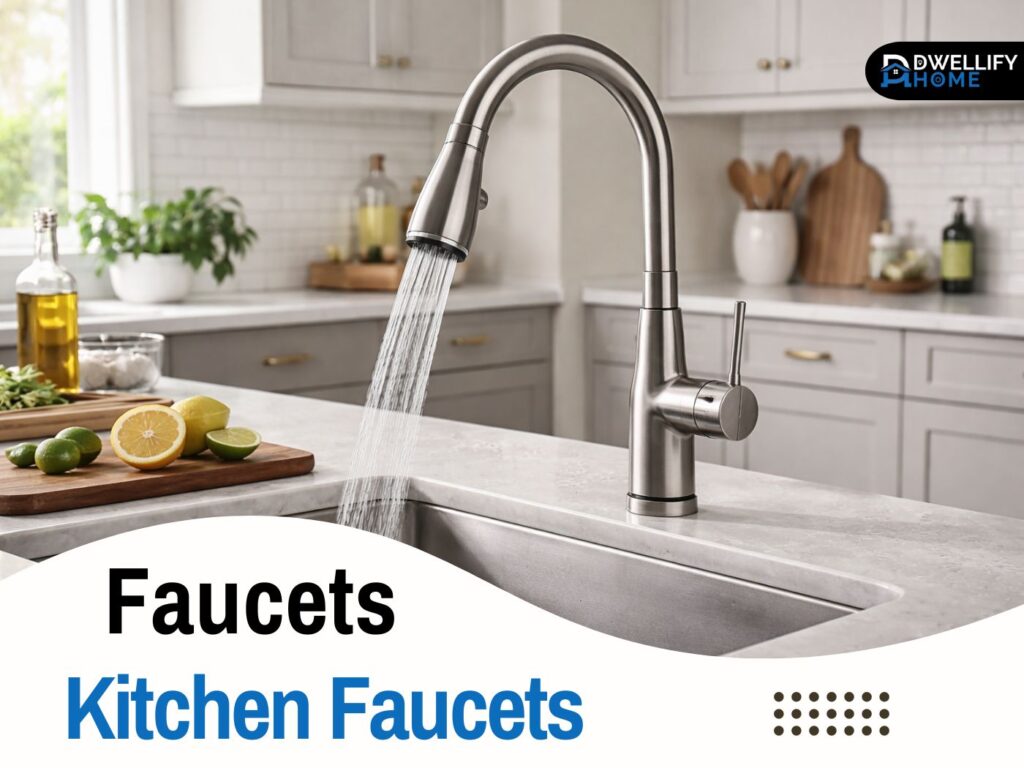
Kitchen Sink Faucets (Match Faucet to Sink Holes and Daily Use)
A sink is only half the story. Kitchen sink faucets can make the whole setup feel smooth or annoying.
Faucet holes and spacing (avoid mismatch mistakes)
Before buying a faucet, check how many holes your sink has and where they’re placed. Some sinks come with one hole, some with three or four, and some are designed for a faucet plus accessories like a soap dispenser.
If your sink has extra holes you don’t need, you’ll use hole covers. If your sink has fewer holes than your faucet requires, you’ll be stuck. This is one of the most common mistakes I see in remodels.
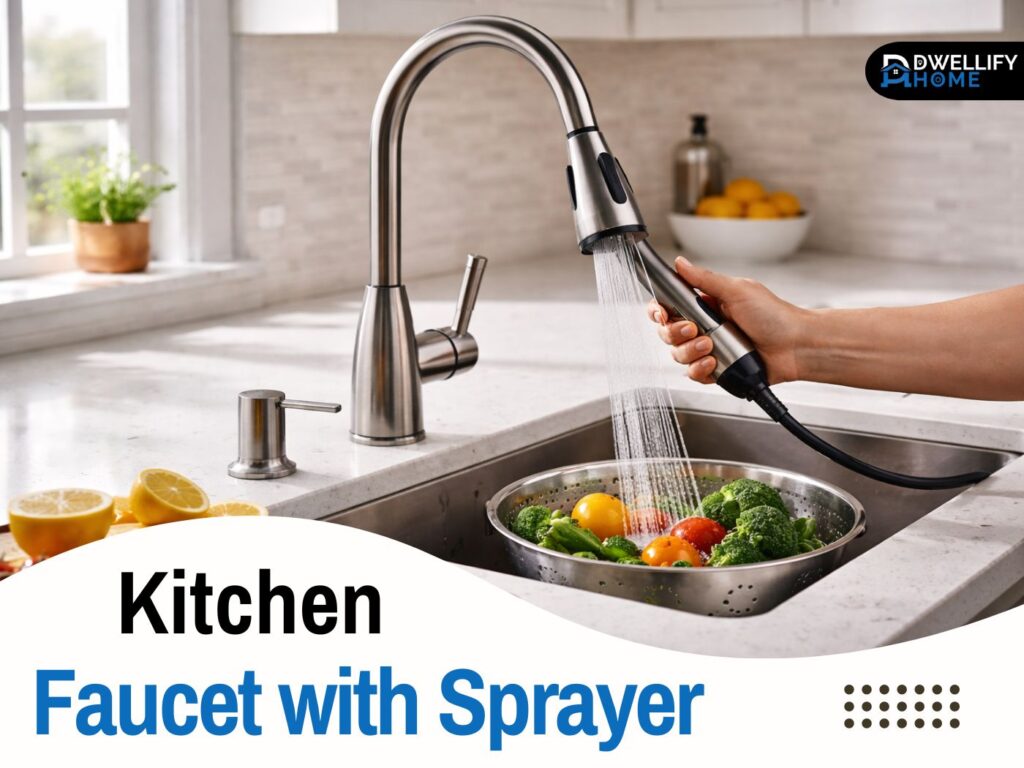
Pull-down vs pull-out: simple choice guide
A pull-down faucet is usually the easiest for a main kitchen sink. It has a taller arc and works well for deep basins. A pull-out can be nice in tighter spaces or shallow sinks where height is limited.
If you cook a lot, a pull-down with a good spray pattern is a small upgrade that feels big every day.
Optional upgrades like touchless or filtered water faucets are great when they fit your habits. If they don’t, they just add cost and complexity.
Installation Tips (DIY vs Pro) Plus Leak Prevention
I’m all for confident DIY, but I’m also honest about where things go wrong.
Drop-in installs can be DIY-friendly if you’re comfortable with basic plumbing, have the right tools, and can lift the sink safely. Undermount and farmhouse installs are less forgiving. They need precise alignment, strong mounting, and good sealing.
Leak prevention comes down to a few simple habits:
- Use quality silicone where it matters
- Don’t rush the cure time
- Ensure proper support for undermount sinks
- Recheck plumbing connections after the first week of use
I’ve been called to fix leaks that started from one loose slip nut or a rushed caulk job. Taking it slow saves money later.
Maintenance by Material (Keep It Looking New Longer)
Maintenance doesn’t need to be complicated. A few simple habits keep most sinks looking good for years.
For stainless steel, rinse after heavy use and wipe with the grain when possible. If you get water spots, a quick dry towel makes a huge difference. Avoid harsh steel wool, it can scratch more than you expect.
For composite sinks, skip abrasive powders that can dull the finish over time. Mild soap and a soft sponge are usually enough.
For fireclay and cast iron, avoid slamming heavy pots into the basin. If you get stains, gentle cleaners work best. Strong chemicals can wear finishes faster than you’d think.
Where to Buy (Including Kitchen Sink Lowe’s) Plus Smart Shopping Checklist
Whether you buy from kitchen sink Lowe’s, another big-box store, or online, what matters most isn’t the logo. It’s the details that protect you after purchase.
Here’s a quick checklist I tell homeowners to use:
- Confirm sink size and cabinet fit
- Confirm mount type matches your countertop
- Confirm faucet hole count and layout
- Check drain position and plumbing alignment
- Look at included accessories and what costs extra
- Review return policy and warranty basics
- Make sure a cutout template is included when needed
If you’re replacing an old sink, take photos and measurements before ordering. A 10-minute check can prevent a return headache.
Common Mistakes to Avoid (Regret-Proof Your Choice)
Most sink regrets come from a few predictable issues, and the good news is they’re avoidable.
Common mistakes I see:
- Choosing depth without thinking about comfort and posture
- Picking undermount for a countertop that isn’t suited for it
- Forgetting faucet reach and handle clearance near the backsplash
- Ignoring noise control and scratch reality
- Buying a sink that technically fits the cabinet, but crowds the plumbing and storage
If you slow down and plan around your daily routine, the sink becomes one of those things you never think about again. That’s the goal.
FAQ: Kitchen Sinks and Top Buyer Questions
1) What is the new trend for kitchen sinks?
The biggest trends are workstation sinks, farmhouse/apron-front styles, low-divide double bowls, and oversized single bowls. Stainless steel stays popular, while composites and darker finishes are showing up more.
2) What is better, a drop-in or undermount sink?
Drop-in is usually easier and works with almost any countertop, including laminate. Undermount looks cleaner and wipes easier, but it’s best with strong, water-stable countertops like granite or quartz and needs careful mounting.
3) What are common sink replacement mistakes?
The most common ones are wrong cabinet fit, ignoring faucet hole count, choosing undermount for the wrong countertop, and weak sealing/mounting that leads to leaks.
4) What is the average cost of a new kitchen sink?
In the U.S., sink prices can range widely (budget to premium), and one estimate puts an average total around $1,140, with big variation by sink type and labor. Another common total range cited is about $400–$1,100 depending on materials and whether you DIY or hire a pro.
5) What stainless steel gauge should I choose?
A trusted sink-buying guide recommends 18 gauge or lower for durability, especially for undermount installs. Thinner gauges can be noisier and dent more easily.
Conclusion: Kitchen Sinks and the Best Choice for Your Home
If you remember one thing, let it be this: the right sink is the one that matches your space and your routine. Start with cabinet size, choose the mount style that fits your countertop, and pick a bowl layout that fits how you actually wash, cook, and clean.
Then choose a material you’ll enjoy living with. Stainless steel is the reliable workhorse, composites are quiet and stylish, and farmhouse styles can be both practical and beautiful when the cabinet is planned correctly.
Take your time, measure once, and don’t ignore the “small” details like faucet holes and clearance. When those pieces line up, your sink stops being a decision and starts being a daily convenience you’re genuinely happy with.
Disclaimer:
This article provides general home-improvement guidance. Sink and plumbing requirements vary by countertop, cabinet construction, and local code. For structural changes, gas line work, or complex plumbing, consult a licensed professional in your area.

I’m Bilal, the founder of Dwellify Home. With 6 years of practical experience in home remodeling, interior design, and décor consulting, I help people transform their spaces with simple, effective, and affordable ideas. I specialize in offering real-world tips, step-by-step guides, and product recommendations that make home improvement easier and more enjoyable. My mission is to empower homeowners and renters to create functional, beautiful spaces—one thoughtful update at a time.