A tree is the one thing you plant that can outlast everything else on the property — fences rot, driveways crack, paint fades, but a healthy tree just keeps going. So the choices around trees are worth getting right the first time, whether you are picking something new, worrying about an old tree out back, or working out who to call when one needs attention. This guide covers tree care plainly: buying, pruning, and removal.
Choosing the Right Trees for Your Property
Start With What Actually Grows Well Locally
A tree can look flawless in its nursery pot and still struggle once it is in your yard. If you are browsing trees for sale in Stouffville, think fit first — your climate, your soil — before you fall for a species. What thrives two towns over may not do as well on your lot, however well the nursery cared for it.
Here is what to weigh before you spend anything:
| Factor | Why It Matters |
| Mature size | Room it needs when fully grown — from the house, lines, and other trees |
| Root system | Aggressive roots can crack foundations or break pipes |
| Sun/soil needs | Wrong light or soil means weak growth, or an early death |
| Native vs. ornamental | Natives usually need far less care long-term |
Good to know: the first year after planting decides whether a new tree takes hold or not. Good nurseries usually offer some warranty — ask outright, do not assume it is included.
Keeping Trees Healthy Through Regular Pruning
Why Pruning Matters More Than Most Homeowners Realize
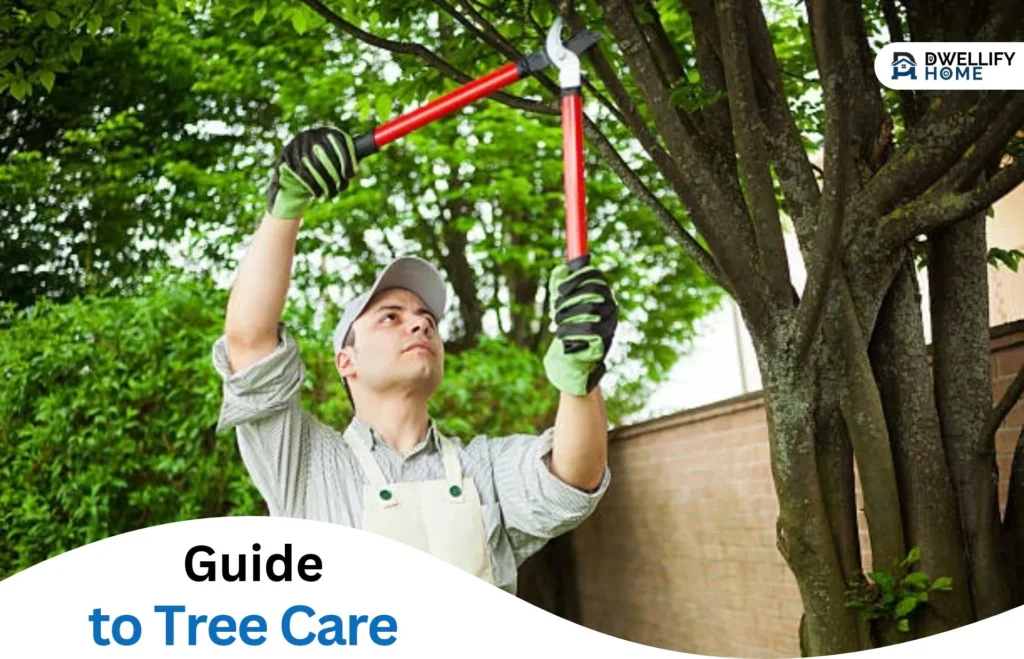
Pruning never looks like much when it is done — that is the point. Done regularly, it quietly stops the trouble that comes later: disease, weak structure, branches down in a storm. Clearing dead or sick wood early keeps the tree alive longer and removes a real safety risk.
Watch for these signs that a tree is due for a prune:
- Branches that are dead or clearly diseased
- Branches crossing over and rubbing bark away
- Growth pressing on the house, lines, or walkways
- A lopsided canopy hinting the structure is off
When Tree Removal Becomes Necessary
Signs a Tree Needs to Come Down
Most people who start looking at Tree Removal Aurora services are facing one of the same few warning signs:
- A sudden new lean
- Cracks, cavities, or trunk damage
- Wide dead patches, or a thinning canopy
- Root damage from building work or disease
- Too close to the house or power lines
Why This Isn’t a DIY Project
⚠️ Safety note: taking down a big tree without proper gear or training is one of the most dangerous jobs a homeowner can try. Plenty of towns also protect certain trees by bylaw — even on your own land. Check local rules before booking anyone.
Finding a Tree Service You Can Trust
What Sets Qualified Providers Apart
A solid company — Brantford Tree Service is a good example — shows what to look for: real certification, real insurance, and a record of safe work. The same standard holds for buying advice, pruning, or removal.
Credentials worth verifying:
✔ ISA (International Society of Arboriculture) certification
✔ Valid liability insurance
✔ Workers’ compensation coverage
✔ Local references or reviews from similar jobs
Ask these before you hire anyone:
- ISA certified — can they prove it?
- What insurance cover do they carry?
- Will they handle the permit, if one is needed?
- Is stump grinding and cleanup included, or extra?
Final Thoughts
New planting, regular pruning, removing a tree that has become a risk — three jobs, one rule that never changes. Check credentials, ask the straight questions, and never assume the cheapest quote is the safest. With trees, the careful choice now pays off for decades.
Certain links and references in this article may represent commercial partnerships with third-party businesses. Dwellifyhome.com may receive compensation through affiliate commissions or paid promotional arrangements.