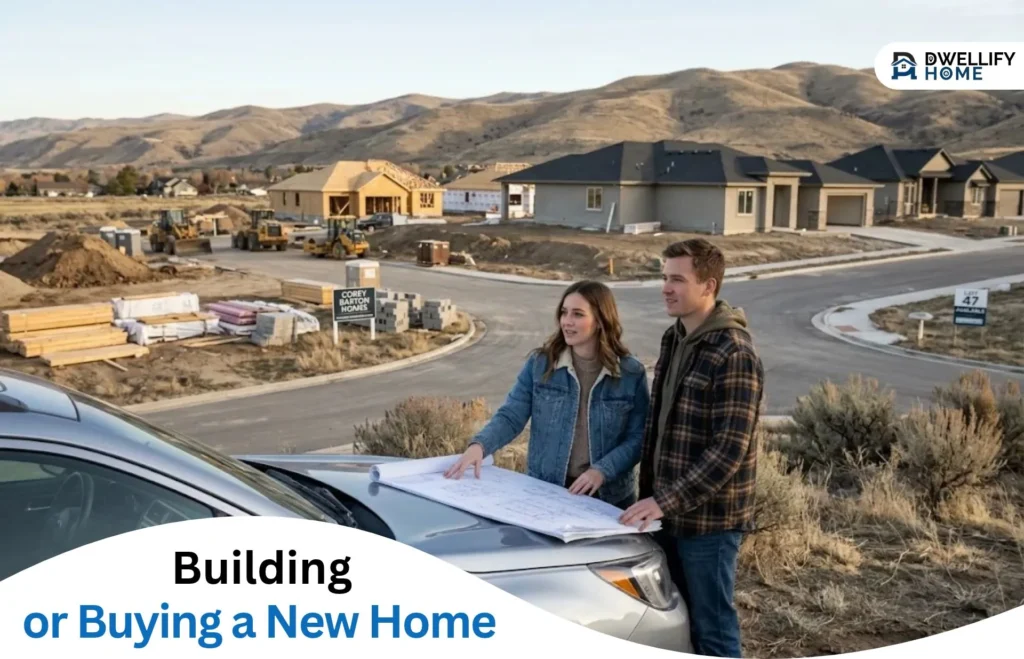
The Treasure Valley has become one of the more talked-about places to put down roots in the Mountain West. Boise anchors the region with its downtown, river greenbelt, and established neighborhoods, while Meridian and Eagle have grown into full communities of their own, with new schools, parks, and shopping close to home. For many buyers, the draw is simple: room to spread out, a slower pace than a big coastal city, and neighborhoods that still feel new. That combination has brought a steady stream of newcomers, and with them, a steady stream of new homes.
If you are thinking about a new home here, it helps to start by understanding how local building works. Builders such as Blackrock Homes are part of the valley’s new-home market, and talking with home builders in Meridian Idaho early on can give you a realistic picture of what is available, what a build involves, and which neighborhoods fit your daily life. A short conversation before you fall in love with a floor plan can save you from surprises later, and it costs nothing to ask.
New Build or Existing Home?
A new build gives you a home nobody has lived in, with modern layouts, current building standards, and the chance to choose finishes that suit you. Most new homes also come with a builder warranty, which can mean fewer repair worries in the first years. You will know the age of everything, from the roof to the water heater, because it is all new. An existing home, on the other hand, often comes with a mature yard, an established street, and a faster move-in date. You can see exactly what you are buying, and you may find character that new construction does not offer. The trade-off is that older homes may need updates sooner, from appliances to roofing to heating systems. Neither choice is right for everyone. It comes down to how much patience you have, how much control you want over the details, and whether you would rather move in next month or wait for a home built around your plans.
Where to Look: Boise, Meridian, and Eagle
Each city in the valley has its own feel, and it is worth spending time in all three before you decide. Boise offers the most variety, from older homes near downtown to newer subdivisions on the edges of town, along with the valley’s largest selection of restaurants, jobs, and services. Meridian sits between Boise and Nampa and has become a popular choice for families, with plenty of newer neighborhoods and easy access to shopping, parks, and schools. Eagle, to the north, feels quieter, with larger lots in some areas and quick access to the foothills and open space. None of these places is better in every way; they are simply different. Drive through neighborhoods at different times of day, notice the commute, and pay attention to what is nearby: grocery stores, parks, schools, and the routes you would actually use every day. The right neighborhood is the one that fits your routine, not just your budget.
What to Budget Beyond the Purchase Price
The price of the home is only part of the cost, and the rest can add up quickly if you do not plan for it. With a new build, there may be upgrades to choose, from flooring and countertops to lighting, appliances, and fixtures, and each choice adds to the total. Landscaping, fencing, and window coverings are often handled after move-in, so plan for them rather than discovering them later. With any purchase, there are also closing costs, moving costs, and the everyday expenses of setting up a new household, from furniture to basic tools. It helps to write down every cost you can think of before you commit, then add a cushion for the ones you will only discover later. A clear budget keeps a hopeful purchase from turning into a stressful one, and it gives you room to say no to an upgrade that does not matter to you.
Questions Worth Asking Before You Sign
Before you sign anything, ask what is included and what is not. Find out which features are standard and which cost extra, and get the answers in writing so there is no confusion later. Ask about the timeline, what happens if the build runs long, and what the warranty covers after you move in. Ask who your point of contact will be during construction and how often you will get updates. If you are buying an existing home, ask about the age of the roof, the heating system, and any major repairs, and consider a home inspection even if one is not required. A good builder or seller should welcome these questions. If answers feel vague or rushed, that is useful information too, and it may be a reason to slow down.
What to Look for on a Walk-Through
Whether you are touring a model home or an existing house, slow down and look closely. Open the windows and doors, run the taps, and check the water pressure. Look at the light in each room at the time of day you would actually use it. Notice storage space, hallway width, and where the laundry sits, because these small things shape daily life more than a pretty kitchen. In a new build, ask to see the same floor plan at different stages if you can, so you understand what is behind the walls. In an existing home, look for signs of past water damage, uneven floors, or repairs that were done in a hurry. A careful walk-through takes an hour, but it can save you years of regret.
Timing Your Move
A new build takes time. From signing to move-in, the process usually runs several months, and weather, permits, and material deliveries can all shift the schedule. If you need to move by a certain date, work backward from it and leave room for delays rather than planning to the day. For existing homes, timing depends on what is on the market when you look, and good homes can move quickly. Either way, it pays not to rush. Visiting a neighborhood more than once, and at different times of day, tells you more than a single tour ever will. A street that is quiet on a Sunday afternoon may sound very different on a weekday morning.
A Few Practical Steps Before You Decide
Start with a clear picture of what you can afford, and talk to a lender before you start touring homes so you know your range. Make a short list of what you truly need, such as bedrooms, workspace, and yard size, and a separate list of what would be nice to have. When you find a home or a lot you like, walk the street, check the drive to work, and look at what is being built nearby. New construction changes a neighborhood quickly, so what you see today may look different in a year. It also helps to talk to people who already live there, if you get the chance, and to check how far you would travel for the things you do every week. Taking these steps slowly now makes the decision easier later, and it makes buyer’s remorse much less likely.
Buying or building a home in the Treasure Valley is a big decision, and the valley gives you plenty of good options. Take your time, ask direct questions, and choose the home and the neighborhood that fit the life you actually live. The right choice is rarely the fastest one, but it is the one you will still be happy with years from now.
Some links featured in this article may generate affiliate commissions or reflect paid sponsorships. This support contributes to maintaining Dwellifyhome.com and developing additional resources for our readers.