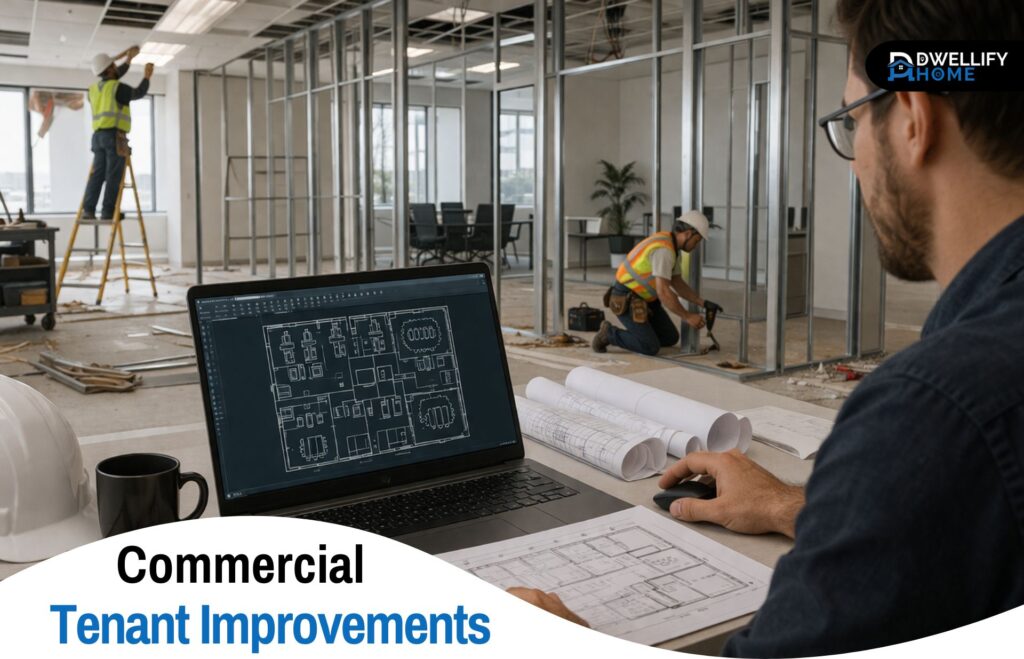
Commercial tenant improvements demand speed, precision, and clean documentation if you want your space open and earning revenue as fast as possible. Your landlord, city reviewers, and contractors all need clear, coordinated drawings that speak the same language. The brand you choose to handle planning, design, and CAD work will decide whether you move smoothly from concept to permit or get stuck in revisions and delays. This is where a partner focused on how to Streamline Design & Permitting becomes essential, not optional. When design intent, code requirements, and CAD standards are aligned from day one, your project stays on schedule and on budget. The right team turns complex commercial build‑outs into a controlled, predictable process.
Layout modification strategies aligned with business operational needs
The best tenant improvements start with how your business actually operates, not just with what fits on a floor plan. You need a design partner who asks about workflows, staff movement, customer experience, and future growth before moving a single wall. When layout strategies are driven by real operations, every square foot works harder for you. A brand that understands both design and construction costs can balance efficiency, aesthetics, and buildability from the start. This is how they help you Streamline Design & Permitting while protecting your long‑term flexibility.
How a focused design partner adds value
- Translates your operational needs into clear space plans that contractors can price accurately.
- Anticipates landlord criteria and lease constraints so you avoid costly redesigns.
- Designs with mechanical, electrical, and plumbing impacts in mind to prevent scope creep later.
- Provides layout options tied to budget ranges, so you can make fast, confident decisions.
Compliance requirements affecting tenant improvement approvals
Code compliance and permitting are where many tenant improvements lose time and money. You need a team that lives inside building codes, accessibility rules, and fire-life-safety requirements every day. When compliance is embedded into the first draft, your drawings move through plan check with fewer comments and resubmittals. A brand that prioritizes compliance protects you from surprises like last‑minute redesigns or added construction scope. This approach keeps your project ready for inspection and aligned with your opening date.
Why a compliance‑driven brand matters
- Integrates ADA, egress, and fire ratings into layout decisions from day one.
- Coordinates with landlords and jurisdictions on their specific submittal standards.
- Uses CAD Conversion Services to ensure all code references, notes, and details are accurate and legible.
- Reduces the risk of permit delays, correction cycles, and unexpected compliance upgrades.
Integration of building systems during interior upgrades
Your tenant improvement is more than walls and finishes; it is a complex system of HVAC, lighting, power, plumbing, and low-voltage infrastructure. Poor coordination here is one of the fastest ways to cause RFIs, change orders, and schedule slips. You need a design partner who thinks like an engineer and communicates like a contractor. When building systems are integrated into the design early, trades can install without guesswork. This is a key way the right brand helps you Streamline Design & Permitting and construction together.
Benefits of system‑smart design
- Considers existing base building systems before finalizing new layouts.
- Coordinates ceiling layouts, lighting, and diffusers with structural and mechanical constraints.
- Uses precise CAD backgrounds to align power, data, and equipment locations.
- Minimizes field conflicts, rework, and unplanned shutdowns in active buildings.
Conversion of design concepts into accurate CAD documentation
Turning sketches, PDFs, or old drawings into clean, build‑ready CAD is where many projects bog down. Inconsistent layers, missing dimensions, and outdated information slow both pricing and permitting. A brand that specializes in CAD Conversion Services can quickly transform rough concepts into precise, standardized drawing sets. This makes it easier for every stakeholder—owners, landlords, reviewers, and contractors—to trust the information. When CAD is accurate, coordination improves and approval cycles shorten.
Why expert CAD conversion is essential
- Captures existing conditions correctly so your design starts from reality, not assumptions.
- Standardizes line weights, layers, and symbols for clarity across all disciplines.
- Ensures details, schedules, and notes are consistent from sheet to sheet.
- Supports rapid revisions when landlords or plan reviewers request changes.
Coordination between design teams and construction workflows
Even strong drawings can fail if design and construction teams are not aligned. You need a brand that coordinates with general contractors and key trades before problems show up on site. When the design team understands construction sequencing, lead times, and field constraints, they can make smarter choices. This keeps your tenant improvement practical, not just pretty. Tight coordination is a core part of how they help you Streamline Design & Permitting into a smoother build.
How coordinated teams reduce risk
- Hosts or joins coordination calls early to address scope gaps and constructability.
- Issues CAD files that integrate easily with contractor BIM or layout tools.
- Adjusts details to match field conditions and typical trade practices.
- Reduces RFIs, clarifications, and time spent interpreting ambiguous plans.
Documentation clarity reducing errors during execution
On a busy job site, unclear drawings turn into expensive mistakes. Your field crew needs plans that are obvious at a glance, with clean callouts and unambiguous details. A brand that invests in documentation clarity is directly protecting your budget. Fewer misreads in the field mean fewer fixes, fewer delays, and fewer arguments over change orders. Clear drawings are one of the simplest ways to safeguard your tenant improvement investment.
What clear documentation delivers
- Organized sheet sets with logical numbering and straightforward navigation.
- Legible dimensions, tags, and notes sized for real-world printing and viewing.
- Consistent details that match the plan and section conditions they reference.
- Reduced rework, punch‑list items, and disputes between trades.
Project sequencing that supports efficient construction timelines
Even a great design can suffer if the project sequence is not planned. You need a partner who understands how permitting milestones, long-lead materials, and trade availability fit together. When design and CAD work are scheduled around your target opening date, decisions happen on time and in the right order. A brand focused on sequencing can help you identify critical path items early and keep everyone aligned. This makes it far easier to hit your move‑in and revenue goals.
How the right partner keeps your schedule moving
- Aligns drawing release dates with landlord review and permit submittal windows.
- Prioritizes early packages when demolition or core systems need to start first.
- Uses CAD Conversion Services to accelerate updates when scope or landlord comments change.
- Helps you make key decisions early so materials and fixtures are ready when trades are.
If you are planning commercial tenant improvements and want fewer surprises, fewer delays, and clearer documentation, choose a brand that is built to Streamline Design & Permitting from the ground up. Look for a team that combines practical layout strategy, code expertise, and disciplined CAD Conversion Services into one seamless process. When you are ready to move your project forward with confidence, reach out, share your space and goals, and request a focused design and documentation proposal tailored to your build‑out.
Don’t go just yet—have a look at some of our other great articles too. Also, please note that this post may contain affiliate or sponsored links. If you purchase through these links, we may earn a small commission that helps support our site Dwellify Home and future content. The views and opinions in this article belong solely to the author.

I’m Bilal Hassan, the founder of Dwellify Home. With 6 years of practical experience in home remodeling, interior design, and décor consulting, I help people transform their spaces with simple, effective, and affordable ideas. I specialize in offering real-world tips, step-by-step guides, and product recommendations that make home improvement easier and more enjoyable. My mission is to empower homeowners and renters to create functional, beautiful spaces—one thoughtful update at a time.