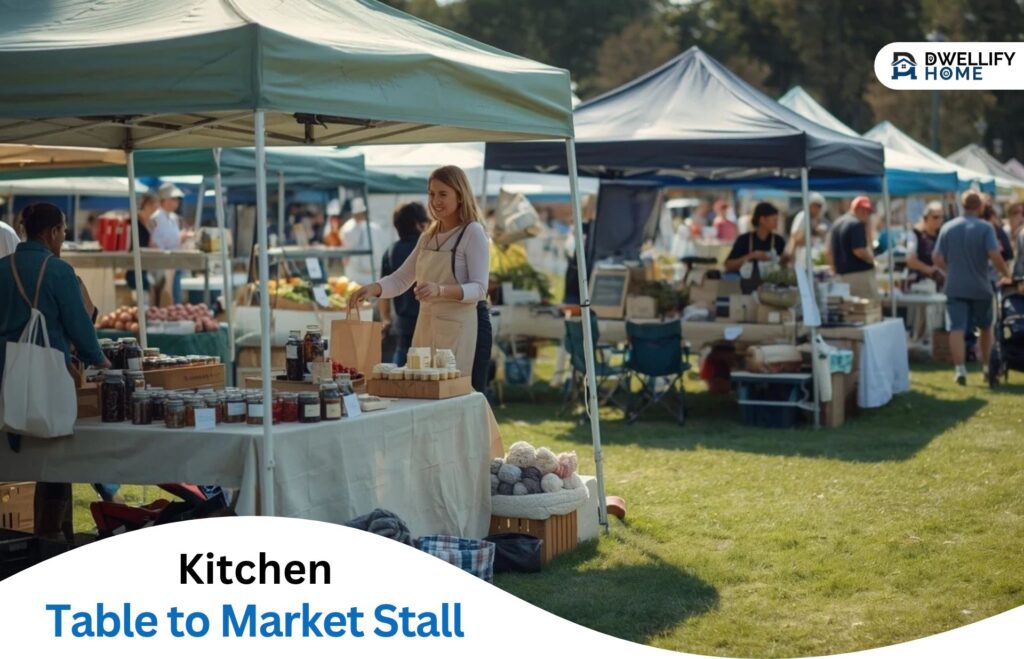
A lot of small businesses start in the same place. A kitchen table covered in candle jars, a spare room turned into a sewing studio, a garage that smells like fresh soap or wood shavings. You sell a few things to friends, then friends of friends, then someone asks whether you’ll be at the farmers market this weekend.
That question is usually the turning point. Local markets, craft fairs and pop-up events are one of the best ways for a home-based business to meet new customers face to face, test products and build a following without the cost of a shop. They also take more preparation than most people expect.
Here’s how to make the move from selling at home to selling at your first local events, without burning out or losing money in the process.
Find the right events for what you sell
Not every market is a good fit. A busy Saturday farmers market might be perfect for baked goods and plants but slow for handmade jewelry. A holiday craft fair might be ideal for gifts and decor but a poor match for everyday household products.
Before you apply anywhere, visit a few events as a shopper. Notice who’s buying, what price range seems to move and which booths have a crowd. Talk to a vendor or two when they’re not busy. Most are happy to tell you whether the event is worth it and what the organizers are like.
When you’re ready to apply, check:
- The booth fee and whether it’s per day or per season
- What’s included, such as a table, power or a covered spot
- Whether they limit the number of vendors selling similar products
- The expected foot traffic and the typical customer
- The application deadline, because popular markets fill up early
Start with one or two smaller events rather than committing to a full season. You’ll learn far more from a slow first day than you’d expect, and the stakes are lower.
Get the paperwork in order
Selling in public usually comes with a few requirements that don’t apply when you’re shipping to friends. Depending on where you live and what you sell, you may need a business license, a sales tax permit or a temporary vendor permit. If you’re selling food, there may be additional rules about how it’s made, packaged and labeled.
Check with your local government and the event organizer to find out exactly what applies to you. Many markets also ask vendors to carry liability insurance, and some will want a copy before they confirm your spot. It’s worth sorting this out once properly, so you’re ready for every event that follows.
Build a booth that people notice
At a busy market, you have a few seconds to catch someone’s eye as they walk past. Your booth needs to say what you sell and look inviting from a distance.
The first thing most new vendors need is a canopy. Outdoor events almost always require one, and even indoor events look more finished with a defined space. A standard 10×10 pop-up is the usual size for market stalls and fits most booth spaces. Many sellers start with a plain canopy, then move to custom pop up tents printed with their business name and logo once they know they’re sticking with it. A printed canopy works like a shop sign you can carry, and it helps repeat customers find you again from one market to the next.
Inside the booth, a few things make a big difference:
- Use height. Risers, crates and shelves bring products up toward eye level instead of laying everything flat on a table.
- Leave space. A crowded table feels messy. Group similar items and leave room around your best sellers.
- Make prices clear. Many shoppers won’t ask. Small, neat price cards remove that barrier.
- Cover your table. A fitted tablecloth that reaches the ground hides storage boxes underneath and makes the setup look more professional.
- Add your name at eye level. A small sign or banner on the table front helps people remember who you are.
If you’re outdoors, weight every canopy leg properly. Wind catches canopies easily, and markets take safety seriously.
Plan your stock and pricing
One of the hardest parts of a first market is guessing how much to bring. Too little and you sell out by noon. Too much and you’re hauling boxes back home with nothing to show for the day.
A good rule for your first few events is to bring a wide enough range to see what sells, but not so much that you can’t carry it. Keep a simple record of what you brought, what sold and at what price. After three or four events, patterns start to appear.
Price with your real costs in mind, including materials, packaging, booth fees, travel and your own time. Market shoppers expect handmade to cost more than mass-produced, so don’t undersell yourself. Having a few lower-priced items near the front can help hesitant shoppers make a first purchase and come back for more.
Make it easy to pay
Many shoppers carry little or no cash these days. A card reader that connects to your phone is one of the most useful things you can bring. Test it at home first, and have a backup plan if the signal is weak at the venue, such as a payment app QR code or an offline mode.
Bring some cash for change, keep it secure and never leave it unattended. Bags or simple packaging finish the sale well, and a business card or small flyer tucked in with each purchase reminds people where to find you later.
Turn shoppers into regular customers
The real value of local events often comes after the event. Someone who buys a candle at a holiday market can become a customer who orders from you all year.
Make it easy for people to stay in touch. A sign-up sheet or QR code for your email list or social media page works well, especially if you offer a small reason to join, like early access to new products. Post on social media before each event so followers know where to find you, and share photos afterward to thank people who came by.
Pay attention to the conversations at your booth. Shoppers will tell you what they like, what they wish you made and what they’d pay for it. That kind of feedback is hard to get any other way.
Growing beyond the local market
Once you’ve done a season of markets and know what sells, you may start looking at bigger opportunities such as regional craft shows, makers’ expos or wholesale trade events where shop owners look for new products to stock. These events are larger, more competitive and usually indoors, and the booth expectations rise with them.
At that stage, many small brands invest in custom trade show displays such as printed backdrops or banner walls to make their space look polished next to more established companies. You don’t need to start there, but it’s worth keeping in mind as your business grows.
Take care of yourself on event days
Market days are long. You’ll be loading the car early, setting up, standing for hours, packing down and unloading again at the end. Bring water, snacks, a folding chair and layers for changing weather. If you can, bring a friend or family member to cover breaks and help during busy moments.
After each event, write down what worked and what didn’t while it’s fresh. Did the layout make sense? Did people stop and then walk away? Did you run out of anything? Small changes from one event to the next add up quickly.
Moving from the kitchen table to a market stall is a big step, but it’s one of the most rewarding ones a home-based business can take. You meet your customers, learn what they love and build a local reputation that no online ad can buy. Start small, learn from every event, and let your booth grow along with your business.
Please be aware that selected links within this article may be commercially affiliated or sponsored. Dwellifyhome.com may receive compensation when readers make qualifying purchases or when paid promotional content is published.