Pacific Northwest homeowners must prepare their outdoor spaces for challenging seasonal conditions. Heavy downpours and freezing weather can quickly stress your property, making proactive property care essential for protecting plants, lawns, and structural features from damage.
Understanding the Impact of Heavy Rain and Winter Storms
Winter storms bring intense atmospheric pressure and severe weather events that test the resilience of every outdoor space. Pacific Northwest properties face relentless moisture and plummeting temperatures that require immediate attention from every diligent homeowner before winter weather sets in fully.
Effects of Extreme Weather on Landscapes
Extreme weather and strong winds batter exposed landscape elements, leaving trees and shrubs vulnerable to breakage. When a severe winter storm strikes, unprepared yards suffer heavily, making a comprehensive inspection vital for identifying weak branches and vulnerable garden beds.
Common Problems: Waterlogging and Erosion
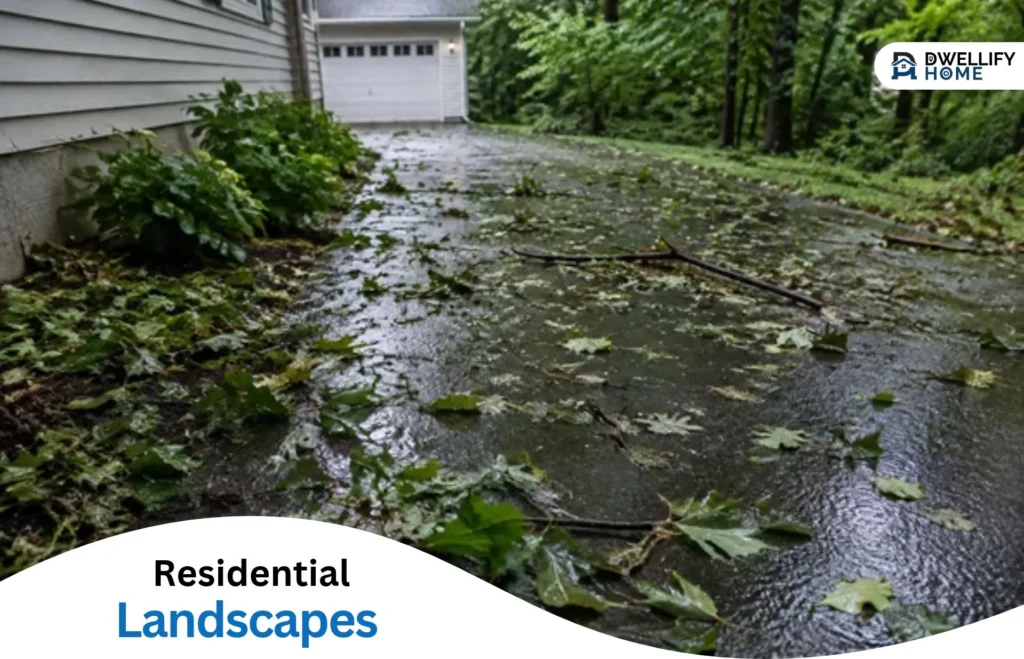
Continuous winter rain saturates the earth, creating severe waterlogging and active erosion across vulnerable slopes. Heavy rainfall overwhelms poor drainage systems, resulting in standing water that suffocates plant roots and washes away healthy soil and protective mulch.
How Cold Weather Affects Trees and Shrubs
As temperatures drop below freezing, established trees and shrubs experience severe stress from ice and frost. The delicate root systems of newly planted greenery require heavy mulch insulation to survive harsh winter conditions without sustaining permanent tissue damage.
Creating a Winter Ready Landscape Checklist
Developing a structured maintenance checklist helps Pacific Northwest residents tackle essential outdoor chores systematically before winter arrives. By following practical steps, you can safeguard:
- your lawn
- garden beds
- drainage systems against impending seasonal moisture overload
Essential Proactive Steps for Homeowners
Proactive steps to maintain your property include the following:
- Clearing gutters and downpouts to direct water away from your foundation and landscaping features
- Taking time to aerate the lawn and apply a slow-release fertilizer to ensure your turf remains resilient despite heavy foot traffic and saturated soil conditions
Understanding Your Landscape’s Specific Needs
Every residential property features unique topography, soil structure, and microclimates that influence how it handles heavy precipitation. Evaluating your specific terrain allows you to adjust your irrigation system, protect delicate shrubs, and prevent costly repairs come springtime.
Importance of Seasonal Preparation
Executing timely seasonal preparation prevents severe landscape degradation and keeps your yard healthy throughout the wettest months. Proper maintenance safeguards your entire outdoor environment, ensuring your garden thrives and recovers rapidly once milder spring weather finally returns.
Improving Drainage and Water Management
Pacific Northwest homeowners frequently encounter heavy rain that challenges their property’s existing drainage infrastructure. Managing winter rain effectively requires a reliable drainage system to prevent water accumulation near your foundation. Inspecting your drainage system during a storm helps identify where runoff pools, allowing you to direct water away from vulnerable garden beds and prevent landscape damage.
Assessing Your Drainage System
Evaluating your drainage system is a critical task for any homeowner facing heavy rainfall. Check your gutters and downpouts to ensure they channel water away from the house. A thorough inspection of storm drains and surface channels prevents standing water from forming across your lawn, protecting your valuable property from costly repairs during severe winter weather conditions.
Techniques to Prevent Water Accumulation
Preventing water accumulation involves grading your property correctly and installing French drains where heavy rain creates soggy spots. Managing excessive rainfall stops soil erosion on slopes and protects your landscape design. Keeping surface water moving freely ensures your yard remains stable, preventing saturated soil conditions that can cause damage to plant roots.
Using Mulch to Protect Soil
Applying a thick layer of mulch around trees and shrubs helps regulate soil temperatures and protect delicate roots from freezing temperatures. Organic mulch prevents heavy rainfall from compacting healthy soil, while helping the earth retain moisture during dry spells. This simple practice supports overall plant health throughout the challenging winter season.
Preparing Your Lawn for Winter Weather
Maintaining a resilient lawn through cold winter months demands proper seasonal lawn care and attention to soil structure. Pacific Northwest lawns endure heavy foot traffic and relentless moisture, making proactive steps essential for long-term health. Implementing smart maintenance practices now ensures your turf bounces back vigorously when milder spring weather finally arrives.
Best Practices for Lawn Aeration
Lawn aeration relieves soil compaction, allowing air, water, and nutrients to penetrate deeply into the root zone despite heavy rainfall. Aerating your turf before freezing temperatures set in improves overall drainage and strengthens grass roots. This essential chore prevents standing water from suffocating your lawn during prolonged periods of wet weather.
Fertilizing and Maintaining Grass Health
Applying a specialized winter fertilizer provides essential nutrients that help grass endure cold stress and heavy frost. Consistent mowing at the proper height before winter arrives prevents disease and prepares your lawn to withstand extreme weather. Healthy grass resists moss growth and recovers much faster once winter rain subsides and spring approaches.
Strategies to Reduce Lawn Damage from Cold
Minimizing cold weather damage involves limiting heavy foot traffic on frozen or waterlogged grass blades. Protecting your turf from physical stress prevents unsightly bare patches and structural degradation. By following these practical yard maintenance strategies, homeowners can preserve a lush, vibrant lawn year-round without requiring extensive renovations.
Protecting Garden Beds, Trees, and Shrubs
Winterizing Your Garden Beds
Pacific Northwest garden beds require careful attention to survive heavy rain and freezing winter weather. Applying a fresh layer of mulch around your plants insulates delicate roots against freezing temperatures while helping the healthy soil retain moisture during dry spells, preventing winter storm damage.
Pruning Techniques for Resilience
Pruning dead or diseased branches from trees and shrubs before a severe winter storm arrives helps prevent broken limbs from damaging your landscape. Homeowners should safely trim weak growth to ensure strong winds pass freely through canopies, protecting the structural integrity of every outdoor feature.
Covering Sensitive Plants and Shrubs
Protecting delicate garden specimens from frost requires proactive steps like installing protective covers and burlap wraps. Pacific Northwest residents can shield vulnerable plants against extreme weather and plunging temperatures, ensuring every valued shrub survives the wet season without sustaining permanent tissue damage.
Professional Assistance for Landscape Maintenance
When to Call for Help
While DIY yard care is rewarding, complex drainage problems and large tree removals often demand experienced professionals. Recognizing when your residential landscape requires specialized intervention prevents minor seasonal issues from escalating into expensive structural repairs that compromise your property’s overall safety and beauty.
Benefits of Hiring Experts
Enlisting trained landscape specialists ensures your property receives accurate soil assessments, proper pruning, and advanced drainage solutions tailored to local weather patterns. Professional contractors possess the right equipment and expertise to safeguard your outdoor investment throughout harsh winter conditions.
How 7 Dees Landscaping Can Assist You
Pacific Northwest homeowners seeking reliable residential solutions can turn to 7 Dees Landscaping for comprehensive seasonal maintenance, drainage installation, and expert plant care. Their experienced team helps prepare your entire outdoor environment to withstand heavy rainfall and freezing temperatures with confidence.
Final Thoughts on Landscape Preparation
Successfully preparing your Pacific Northwest property involves several essential steps:
- clearing gutters
- improving drainage
- applying protective mulch
- winterizing lawns
Combining these proactive measures safeguards your garden beds and structural features against relentless winter rain, soil erosion, and freezing temperatures all season long.
Some links in this article may be associated with commercial promotions or affiliate arrangements. Dwellifyhome.com may receive commissions or other applicable compensation through these partnerships.