Modern housing is evolving as people increasingly look for practical, comfortable, and space-efficient living solutions. With changing lifestyles, rising property costs, and growing interest in minimalist living, compact homes are becoming an attractive option for many homeowners. However, living in a smaller space does not mean compromising on comfort, convenience, or functionality. With thoughtful planning and smart home design, even a compact property can provide everything needed for a comfortable everyday lifestyle.
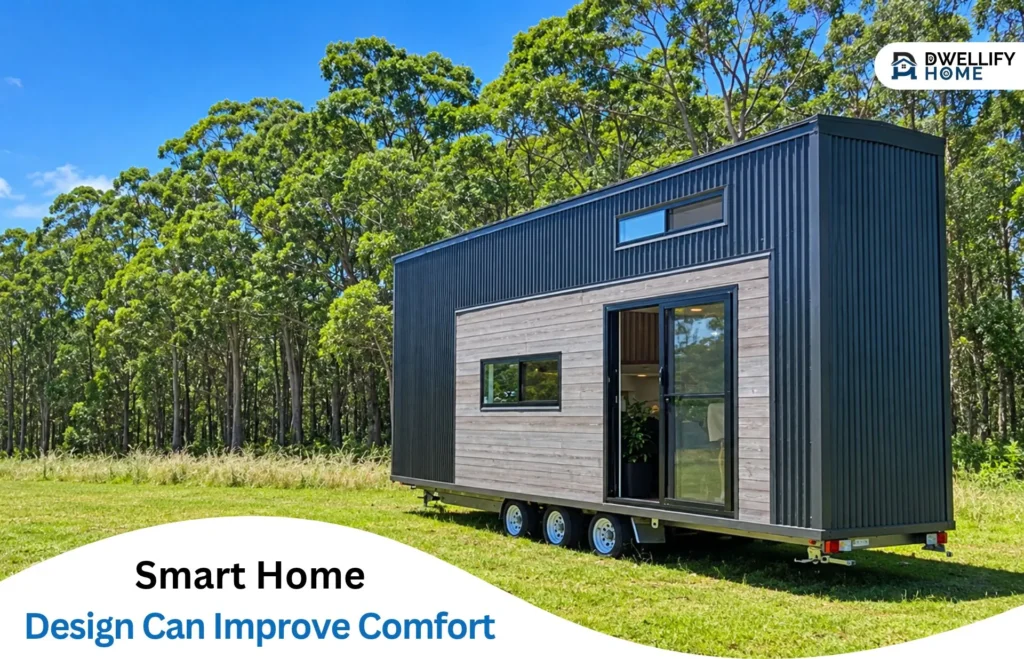
Smart home design focuses on making the best use of available space while incorporating modern features, practical layouts, and innovative storage solutions. From multifunctional furniture to energy-efficient appliances, every design decision can contribute to a better living experience. These principles are particularly useful for people exploring compact housing options, especially those interested in tiny homes gold coast, where thoughtful designs can combine comfort, functionality, and modern living.
1. Understanding the Importance of Smart Home Design
Smart home design is about creating a living environment where every area serves a useful purpose. In a compact home, unnecessary furniture, poorly planned layouts, and limited storage can quickly make the space feel crowded. A well-designed interior helps avoid these problems by prioritising functionality and simplicity.
For example, combining a kitchen and dining area can create a more open atmosphere without requiring additional floor space. Similarly, selecting furniture that serves multiple purposes allows homeowners to enjoy greater flexibility.
The main objective is to create a home that feels organised, welcoming, and comfortable. Rather than focusing entirely on the size of a property, smart design considers how effectively the available space supports everyday activities.
2. Making the Most of Available Space
One of the biggest challenges of compact living is managing limited floor space. Every corner should be considered when planning the layout, furniture placement, and storage arrangements.
Open-plan layouts are an effective way to make smaller homes feel larger. Combining the kitchen, dining, and living areas reduces unnecessary internal divisions and allows natural movement throughout the property.
Other practical space-saving ideas include:
- Using wall-mounted shelves instead of large storage cabinets.
- Choosing foldable tables and chairs for flexible use.
- Installing built-in wardrobes to reduce clutter.
- Utilising vertical wall space for additional storage.
- Selecting furniture with hidden storage compartments.
These simple improvements can make a noticeable difference in how a compact home looks and functions. A carefully organised layout also makes everyday cleaning and maintenance easier.
3. Choosing Multifunctional Furniture
Multifunctional furniture is an important part of modern compact home design. Instead of purchasing separate furniture pieces for every activity, homeowners can choose products that serve multiple purposes.
For instance, a sofa bed can function as comfortable seating during the day and additional sleeping space at night. An extendable dining table can accommodate guests when required while taking up less space during everyday use.
Storage beds, foldable desks, convertible furniture, and built-in seating are other useful options.
When selecting furniture, it is important to consider dimensions, durability, and ease of use. Furniture should fit comfortably within the available layout without restricting movement. Choosing pieces with simple designs and practical features can also help maintain a clean and uncluttered appearance.
4. Improving Natural Lighting and Ventilation
Natural lighting plays a significant role in making compact homes feel comfortable and spacious. Dark interiors can sometimes make smaller rooms appear even more confined, whereas natural light creates a brighter and more welcoming atmosphere.
Large windows, glass doors, and strategically positioned skylights can help bring daylight into different areas of a home. Light-coloured walls and reflective surfaces can further improve the distribution of natural light.
Ventilation is equally important. Proper airflow helps maintain indoor comfort and reduces the feeling of stuffiness that can occur in smaller spaces.
Some useful design considerations include:
- Installing windows that allow cross-ventilation.
- Using lightweight curtains to maximise daylight.
- Positioning windows to encourage natural airflow.
- Selecting suitable ventilation systems for enclosed areas.
- Keeping window spaces free from unnecessary obstructions.
These features are particularly valuable in warmer coastal environments, where managing indoor temperatures and airflow can improve everyday comfort.
5. Incorporating Smart Storage Solutions
Storage is one of the most important considerations when designing a compact home. Without proper organisation, everyday belongings can quickly occupy valuable living space.
Smart storage solutions help homeowners keep their surroundings organised while maintaining an attractive interior. Built-in cabinets, under-bed drawers, overhead cupboards, and recessed shelving can provide additional storage without making rooms feel crowded.
The space beneath stairs can also be transformed into useful storage areas. Similarly, kitchen cabinets that extend towards the ceiling can provide extra room for items that are not used regularly.
A practical storage system should make frequently used belongings easy to access while keeping less frequently needed items organised separately.
Reducing unnecessary possessions can also support better organisation. A simple approach to belongings allows homeowners to enjoy a cleaner and more manageable living environment.
6. Using Modern Technology for Everyday Convenience
Technology can make compact homes more efficient and comfortable. Smart home devices allow homeowners to control different features through mobile applications, voice commands, or automated settings.
For example, smart lighting systems can adjust brightness according to different activities. Smart thermostats can help manage indoor temperatures, while automated blinds can control sunlight and provide additional privacy.
Other useful smart home features include:
- Smart security cameras and doorbell systems.
- Automated lighting controls.
- Energy-monitoring devices.
- Smart temperature management systems.
- Remote-controlled appliances.
These technologies can improve convenience while helping homeowners manage household energy consumption.
However, technology should be selected according to actual household requirements. Installing too many unnecessary devices can increase costs and create additional maintenance responsibilities. A practical selection of smart features is usually more beneficial than filling a compact home with complicated technology.
7. Creating Comfortable Kitchen and Bathroom Areas
Kitchens and bathrooms require careful planning because they contain multiple fixtures and essential household equipment within limited spaces.
A compact kitchen can remain highly functional with an organised layout, efficient appliances, and well-planned cabinetry. Pull-out storage units, integrated appliances, and vertical shelving can help maximise available space.
In bathrooms, wall-mounted vanities, corner shelving, compact sinks, and shower screens can improve functionality without overcrowding the room.
Choosing durable and moisture-resistant materials is also important, particularly in areas exposed to regular water use.
Good lighting, suitable ventilation, and easy-to-clean surfaces can further improve the overall experience. The objective is to create practical spaces that support daily routines without unnecessary complications.
8. Considering Climate and Energy Efficiency
A comfortable compact home should be designed according to its surrounding climate. In Australia, weather conditions can vary significantly between regions, making insulation, ventilation, and material selection important considerations.
In coastal areas, homes may experience humidity, strong sunlight, salt exposure, and changing weather conditions. Appropriate building materials and protective finishes can help maintain the property’s condition over time.
Energy efficiency should also be considered during the design process. LED lighting, energy-efficient appliances, suitable insulation, and effective window placement can help reduce unnecessary energy consumption.
Solar energy systems may also be worth considering where property conditions and installation requirements make them suitable.
For people researching tiny homes gold coast, understanding local climate conditions and choosing suitable construction features can help create a more comfortable living environment. Good planning can support better indoor conditions while reducing the need for excessive heating or cooling.
9. Designing Flexible Spaces for Changing Needs
A well-designed compact home should support different activities without requiring major changes to its structure. Flexible spaces allow homeowners to adapt their surroundings as their lifestyle changes.
For example, a small study area can also function as a workspace for hobbies or personal projects. A guest bedroom may include built-in storage to serve as an additional organised living area when visitors are not staying.
Sliding doors, movable partitions, and convertible furniture can provide greater flexibility while maintaining privacy.
This approach is useful for individuals, couples, small families, and people who work remotely. Instead of dedicating every room to one specific purpose, flexible design allows different areas to serve multiple functions.
10. Maintaining Privacy and Personal Comfort
Although compact homes encourage efficient use of space, personal privacy should not be overlooked. A comfortable home needs to provide suitable areas for relaxation, work, and personal activities.
Thoughtful furniture placement, room dividers, curtains, and sliding partitions can help create separate zones within an open-plan layout.
Sound insulation is another important consideration, particularly when multiple people share a smaller property. Suitable materials and thoughtful room arrangements can help minimise unwanted noise.
Personal touches such as indoor plants, decorative lighting, comfortable textiles, and carefully selected artwork can also make a compact home feel more welcoming.
The goal is to create a balanced environment where functionality and personal comfort work together.
11. Planning Your Compact Home Before Making a Decision
Before choosing a compact home, homeowners should carefully evaluate their lifestyle, available space, budget, and long-term requirements.
It is helpful to consider the following factors:
- Layout requirements: Identify the spaces needed for sleeping, cooking, working, and relaxation.
- Storage capacity: Make sure the home provides enough room for everyday belongings.
- Construction quality: Consider materials, insulation, ventilation, and overall durability.
- Location suitability: Check local planning requirements, site conditions, and property access.
- Maintenance needs: Understand the ongoing care required for different fixtures and materials.
- Future flexibility: Consider whether the design can accommodate changing household needs.
Taking time to evaluate these details can help avoid common planning mistakes and support a more informed housing decision.
Conclusion
Smart home design demonstrates that comfortable living does not necessarily depend on having a large property. Through efficient layouts, multifunctional furniture, natural lighting, organised storage, and modern technology, compact homes can provide a practical and enjoyable lifestyle.
Every design element should contribute to convenience, functionality, and long-term comfort. From choosing suitable construction materials to creating flexible living areas, thoughtful planning can transform limited floor space into a well-organised home.
For individuals exploring alternative housing options in coastal Queensland, researching tiny homes gold coast can be a useful starting point for understanding compact living possibilities. By considering design, climate, construction quality, and personal requirements, homeowners can make informed decisions and create a living environment that suits their lifestyle.
Ultimately, the success of a compact home lies not in how much space it offers but in how effectively that space is designed and used.
Certain links within this article may be included as part of affiliate marketing programs or paid partnerships. Any compensation received by Dwellifyhome.com helps contribute to our website’s upkeep and future content.