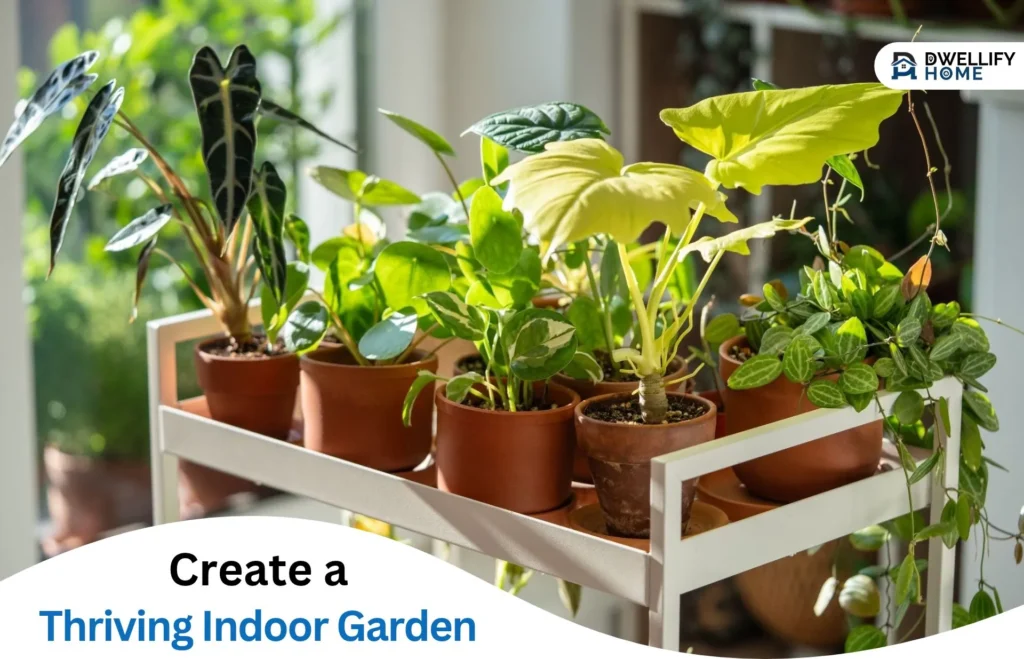
An indoor garden is a great way to bring greenery into your home, grow fresh herbs and vegetables, and enjoy gardening throughout the year. You do not need a backyard or a large amount of space to get started. With the right plants, lighting, containers, and care routine, you can create a productive indoor garden in almost any room.
Whether you want to grow leafy greens on a kitchen shelf or cultivate tomatoes in a dedicated grow tent, understanding the basic growing requirements will help you get better results.
1. Choose the Right Plants
Not all plants adapt equally well to indoor growing conditions. Beginners should start with varieties that tolerate indoor environments and require relatively little maintenance.
- Herbs: Basil, mint, parsley, and chives are good choices for kitchen gardens. They grow well in containers and provide fresh ingredients for cooking.
- Leafy greens: Lettuce, spinach, kale, and arugula are suitable for indoor vegetable gardens because they generally require less space than fruiting crops.
- Fruiting plants: Cherry tomatoes, peppers, and strawberries can also grow indoors, but they need stronger lighting and more attention to pollination and nutrient management.
- Houseplants: Pothos, snake plants, spider plants, and monstera are popular options for adding greenery to indoor spaces.
2. Provide Enough Light
Light is one of the most important factors in indoor gardening. Although windows provide natural sunlight, the amount and intensity of light can vary depending on the season, window direction, and surrounding buildings.
Plants that do not receive enough light may develop weak stems, small leaves, slow growth, and poor flowering. If natural light is insufficient, consider using LED grow lights. Full-spectrum grow lights provide the wavelengths plants need for photosynthesis and support different growth stages.
When choosing a grow light, consider its PPFD, coverage area, and PPE. Position the light according to the manufacturer’s recommended hanging distance, and adjust the photoperiod based on the plants you grow.
3. Select Suitable Containers and Growing Medium
Your containers should provide enough room for root development and have drainage holes to prevent excess water from accumulating around the roots.
The appropriate container size depends on the plant. Small herb pots may be sufficient for basil and parsley, while tomatoes and peppers need larger containers to support their root systems.
For soil-based indoor gardening, use a well-draining potting mix rather than ordinary garden soil. A mixture containing peat moss or coco coir, perlite, and compost can provide moisture retention, aeration, and nutrients.
4. Maintain Proper Watering and Humidity
Watering requirements vary according to plant species, container size, growing medium, temperature, and growth stage. Overwatering is a common indoor gardening mistake because containers may dry more slowly indoors than outdoors.
Check the growing medium before watering. For most common houseplants and vegetables, water when the upper layer of the soil has dried to the appropriate depth for that plant. Water thoroughly until excess moisture drains from the bottom, then empty the drainage tray.
Humidity also affects plant growth. Leafy tropical plants generally prefer higher humidity, while many herbs and Mediterranean plants tolerate drier air. A humidifier can help maintain consistent humidity when indoor air becomes too dry, especially during winter.
5. Control Indoor Temperature and Air Circulation
Most common indoor vegetables grow well at temperatures around 65–80°F (18–27°C), although individual crops have different preferences.
Temperature fluctuations, excessive heat, and poor airflow can affect plant development and increase the risk of fungal diseases. Use an oscillating fan to create gentle air movement around your plants.
6. Feed Your Plants and Monitor Their Growth
Plants growing in containers have limited access to nutrients, so regular fertilization is important. However, fertilizer requirements depend on the plant species, growing medium, and existing nutrient supply.
Use a balanced fertilizer for general plant growth or a crop-specific formula when growing vegetables. Follow the product’s recommended dosage rather than applying extra fertilizer to accelerate growth.
Check your plants regularly for yellowing leaves, unusual spots, stunted growth, and pests. Early detection makes it easier to address problems before they spread.
7. Make the Most of Your Indoor Gardening Space
Limited space does not have to prevent you from growing a variety of plants. A few practical arrangements can help you use your available area more efficiently.
Consider using vertical shelves to grow herbs and leafy greens in multiple layers. Place plants with similar light and watering requirements together to simplify maintenance.
If you want to grow larger vegetables or maintain more precise environmental conditions, a grow tent can provide a dedicated growing area.
If you’re new to indoor gardening and unsure which planter to choose, check out the Mars Hydro Black Friday Deals for great deals on quality indoor growing equipment.
Conclusion
Creating an indoor garden does not require extensive gardening experience or a large investment. Start with a few easy-to-grow plants, provide suitable lighting, choose well-draining containers, and maintain consistent watering and environmental conditions.
As you gain experience, you can expand your garden to include more vegetables, herbs, and even hydroponic systems. With proper care, an indoor garden can provide fresh produce and greenery throughout the year, regardless of the weather outside.
For your information, some links featured in this article may be monetized through affiliate programs or paid collaborations. Any applicable earnings help support the continued development of Dwellifyhome.com.