
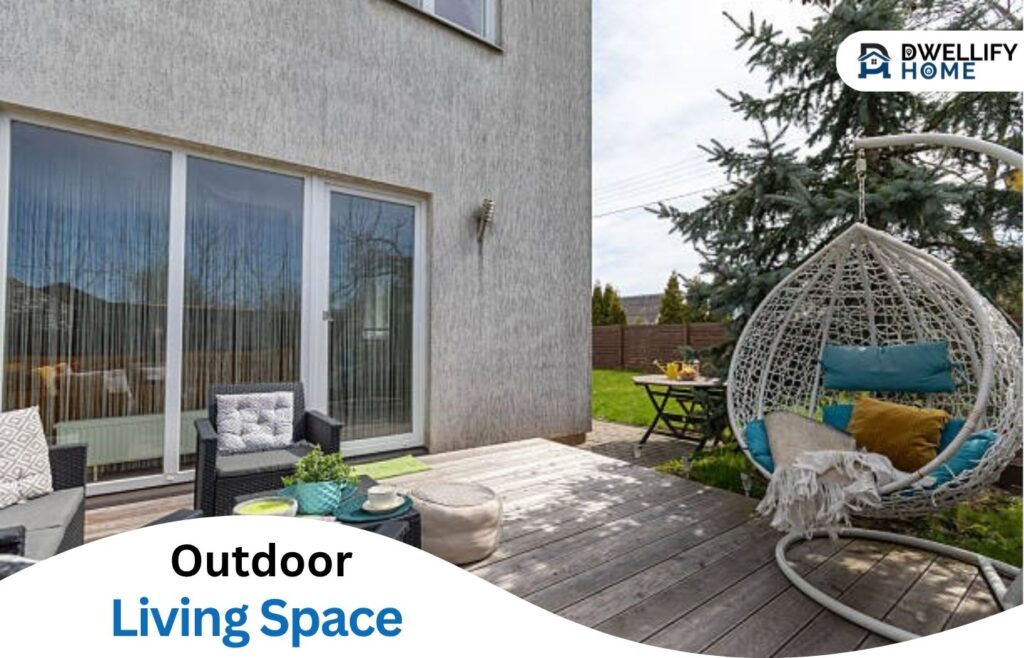
Dream homes often come with a lovely backyard deck, upscale patio, or outdoor kitchen. It’s a space that’s perfect for grills on a sunny afternoon and connecting with nature from the comfort of your home. While there’s no arguing that these outdoor spaces add aesthetic and social capital to your rental, for investors and landlords it’s essential to get a full picture of the return on investment.
Bay Property Management Group Philadelphia suggests taking your time to research the ongoing maintenance that an outdoor living area requires. Then objectively weigh it against its potential to lower vacancy rates, improve monthly rent, and long-term appreciation. Let’s get started:
The Pros of Adding an Outdoor Living Space
Enhances Quality of Life
For starters, outdoor living spaces provide tenants with a new space to relax and unwind. This asset could be extremely valuable to families looking for a safe place their kids can play with supervision, or even just a quiet place where they can escape. It could also be a positive for other demographics that value being close to nature by spending time outdoors without leaving the property. As a result, this added space enhances the overall living experience of your tenants, which is bound to make them think twice before terminating their lease and can promote lower turnover rates for you.
Social and Entertainment Area

Another benefit of an outdoor area, especially if it’s well-designed, is that it serves as a social and entertainment area. After all, who doesn’t enjoy summer grills with family and friends in the backyard, or birthday parties with space for kids to run? That’s why for tenants that are big on hosting, not having an outdoor living space could be a deal breaker, especially if they’re known for having great gatherings. Even with a sizable indoor space, you just can’t create the same ambience, especially if there’s significant cooking in the kitchen, or tenants would simply prefer to preserve the privacy of their home.
Can Be a Unique Selling Point of your Property
Stand out on property listing sites when you have a patio, balcony, or deck. Nearly every renter begins house shopping by scrolling through listing sites, and homes with an outdoor space are eye-catching and visually interesting. In fact, listing sites like Zillow allow you to filter houses by whether or not they have an outdoor space. This special feature indicates that renters want access to such spaces often enough to warrant its own filter, along with other amenities such as a pool, fitness center, and even utilities. Thus, if you’re trying to generate more leads, an outdoor space can be a definite plus. Also, if selling is in your long-term plan, it can also help you get the house off the market sooner by presenting an extra feature other properties don’t have.
The Cons to Consider Before Adding an Outdoor Living Space
Financial Investment
Creating outdoor living spaces can be expensive since you need to choose durable furniture, and that requires significant investment. If you don’t want to keep fixing broken tiles, shaky railings, or outdoor furniture, you need to opt for quality material, and that can cost a lot depending on what you want. Remember that your ideal outdoor space is durable come rain or shine, and can also withstand tenant wear and tear to deliver optimal value for your money. As a result, if you opt for cheaper, less durable materials, you may as well be flushing money down the drain.
Restrictions on the Lease Agreement
In order to maintain your outdoor living space, you may have to place restrictions on certain activities to preserve the lifespan of your furniture and other installations. As a result, it may be necessary to put a cap on how tenants can use the space, how many people a backyard patio can hold, or whether smoking is allowed on the deck chair. For some tenants, these rules may be a dealbreaker, but without setting these clear expectations and boundaries, you run the risk of premature property damage.
Continuous Outdoor Maintenance Needs
Besides the upfront cost of installation and purchasing items for your outdoor space, another drawback is that it adds to your list of ongoing expenses. In other words, it increases your overhead operating cost, which often means you need to increase your rent. Thus, if you don’t weigh the ongoing costs carefully against what you earn by charging extra, you could be running at a loss. But more than that, if you’re in a market where rental increases can quickly lead to prolonged vacancies, it may not be worth the extra addition in the long run.
Conclusion
Adding an outdoor living space to your rental can definitely make it more appealing in several ways. Apart from enhancing your tenants’ quality of life, it gives them a great space to host guests and entertain visitors, allowing you to charge more in rent. But it can also be a positive if you plan on putting the house on the market, as it can be a unique selling point.
That said, setting up an outdoor living space is an expensive financial investment that requires specific restrictions to preserve its durability. Of course, you also have to weigh its ongoing maintenance cost against its potential ROI to determine whether it’s a good investment strategy for you.
For transparency, we disclose that some links in this article may be affiliate or sponsored links. Dwellifyhome.com may earn a commission from qualifying purchases made through them, helping support our ongoing publishing efforts.



