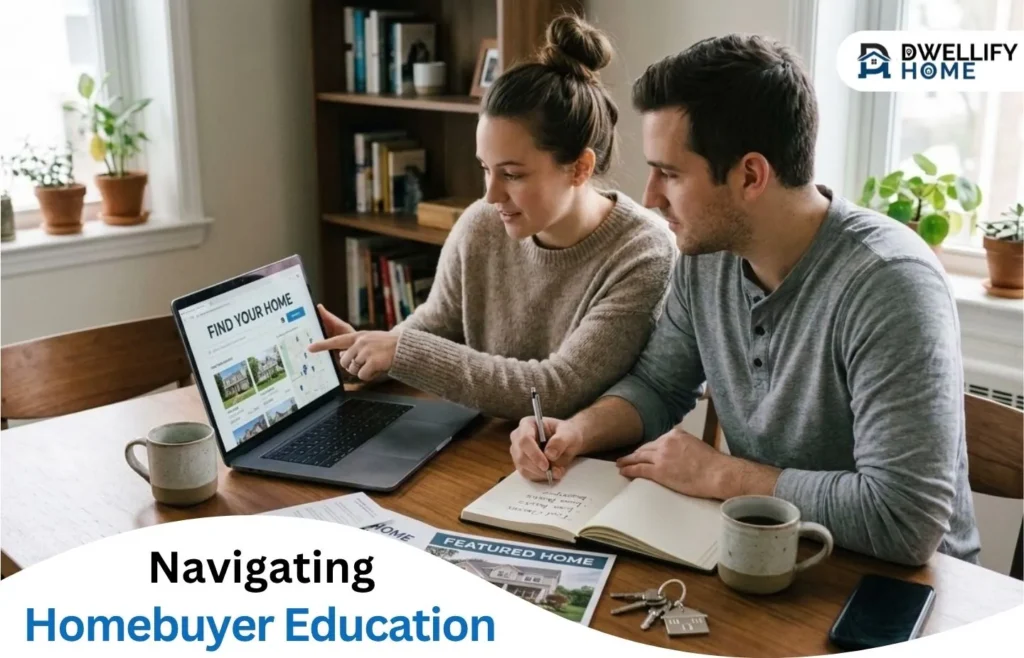
Buying your first home is a major milestone, but the process of securing a mortgage, understanding closing costs, and searching for the right property can quickly become overwhelming. Many first-time buyers jump into the housing market relying only on casual advice from family or quick internet searches. Without structured guidance, it is easy to overlook critical steps, miscalculate budget limits, or miss out on valuable financial assistance programs. Taking time to learn the fundamentals before making offers creates a smoother, far less stressful path to homeownership.
Enrolling in structured educational programs allows buyers to demystify complex real estate terms and financial requirements before signing paperwork. Utilizing comprehensive search tools and portals like How To Buy A House Class helps aspiring homeowners find localized workshops, expert-led seminars, and accredited courses tailored to their regional market needs. Understanding what these educational courses cover and how to locate reliable learning opportunities ensures you make informed, confident choices throughout your home-buying journey.
First-Time Home Buyer Education Can Be Worthwhile
There is plenty more than simply picking the right house and making a down payment that first-time homebuyers need to understand prior to shopping for a new home. Taking a course for novice buyers allows you to get the full disclosure of every step in the process from start to finish.
- Reaching Qualifying Standards For Down Payment Assistance Grants: Many organizations that offer down payment assistance programs for first-time homebuyers require you to take an approved course before submitting an application for aid.
- Understanding what expenses are incurred beyond the mortgage payment: Homeownership education classes will teach you all of the duties and costs that come alongside buying a home, such as property taxes, mortgage insurance and other homeowners association dues.
- Improving your credit score and reducing debt: Financial institutions utilize a homebuyer’s credit history to decide whether they can approve you for a mortgage loan, so learning more about how credit reporting works allows you to strengthen your financial standing prior to submitting loan paperwork.
- Preventing deceptive lending practices: A first-time homebuyer course reveals which mortgages and interest rates are legitimate and helps prevent predatory lending practices.
A Closer Look at What Homeownership Courses Teach
First-time home buyer classes provide the tools and insight you need to make the best decisions when purchasing a new house. Here is a brief overview of course topics to prepare you prior to hitting the ground running in any educational session you’re enrolled for:
Financial Preparation
First-time home buyer courses usually start with the fundamentals of personal finance management. Understanding your debt to income ratios, savings requirements to start saving today and budgeting will assist you in preparing accurate lender paperwork as well as seeing how each type of debt you carry affects your plans to purchase a new house. Mortgage instructors may also teach you what to include in your personal budget to make sure that homeownership fits within your means or warn you of any red flags that appear on your credit reports.
Mortgage Basics
Getting up-to-speed on the types of home loans you’ll need to research for the best rates to finance your new home purchase takes center stage in this segment of novice buyer classes. In detail, you need to know the differences between a Conventional, FHA, VA, or USDA home loan and how fixed vs adjustable interest rates work along with private mortgage insurance requirements.
The Home Buying Process
With your finances locked in place it’s time to focus on how the actual home purchasing process works, ranging from working with an agent to comparing sale prices or putting together your best offer. Students also learn what aspects of your home purchase remain negotiable in a purchase agreement, types of contingencies and even what earnest money deposit entails.
Inspection and Closing Information
After you’ve found the perfect house and negotiated a successful agreement, it’s on to the final preparations for purchasing. Here, homeownership candidates learn what happens between the time their offer is accepted by the seller and receiving the keys to their new house in a closing meeting, such as why home or radon inspections are performed and the like.
Class Formats: In-Person or Online?
Depending upon your specific life circumstances that may delay your enrollment date, first-time home buyer classes are available in multiple formats to fit your scheduling requirements.
- In-Person Seminars: These educational courses take place at approved locations and are ideal candidates for those with flexible calendars. Attendees of live sessions benefit greatly by meeting with housing assistance professionals and lenders. In-Person seminars allow you to directly consult an official housing counselor.
- Online Classes: Busy adults who purchase a house while also being employed full-time should strongly consider an online homebuyer course. These self-paced, at-your-own-pace programs also give you access to download checklists, lesson plans and similar course materials at any given time.
- Video Seminars: Attendees who sign-up for a video seminar will receive a link by email that allows them to access a video chatroom on an assigned day and time.
Where To Find First-Time Home Buyer Education Classes
Since there are countless organizations which provide education assistance programs for novice buyers, verifying that your course is from a credible source and teaches vital subjects is a must to make the most out of your first-time homebuyer course experience.
- Verifying that your course meets HUD criteria and has been approved by your local area agencies, is an absolute necessity if you intend to use the course to qualify for a down payment assistance program.
- Research the professional qualifications and licensing of your course instructor.
- Ensure that you have met the eligibility guidelines of your mortgage lender for down payment assistance programs prior to registering for a course. Make certain your mortgage lender will accept the certificate of completion if you sign-up for an online homebuyer course.
- Confirm the course length and requirements prior to enrolling, since the best beginner classes last between 4 to 8 hours and should contain plenty of take-home resources, financial assistance applications and even budget-building aids to guide you in the right direction.
The Next Step After Completing Your Education Course
Completing a first-time home buyer course just gives you a head-start on your path to homeownership. Here are a few ideas to get you started as a financially sound novice buyer:
Organize your files and pull out any relevant documentation such as your most recent credit report, savings accounts balance and income and spend analysis. Take stock of how much money you stand to need for a down payment and compare with the budget ranges for your intended new neighborhood. Start meeting with mortgage lenders about pre approval options and be sure to apply all of the home buying insights you’ve gathered in your class. With proper documentation, course-completion certificates and knowledge of your credit report contents, you can easily relay what a first-time homebuyer education course entails to lenders, agents and even professional inspectors.
By educating yourself on mortgage basics, learning what goes into first-time homebuyer costs and determining where to find the best homebuyer classes near you puts you one step closer to a happy and debt-free future as a homeowner.
A few links throughout this article may be affiliate or sponsored links. If you choose to make a qualifying purchase through them, Dwellifyhome.com may receive a commission that contributes to our website’s upkeep.