Creating a cohesive, modern kitchen layout requires balancing high-end aesthetic choices with practical functionality. Incorporating flush-mount refrigeration or maintaining any of GE appliance units seamlessly within surrounding cabinetry elevates both property value and daily cooking comfort. However, keeping custom-integrated hardware looking immaculate and operating efficiently demands dedicated styling strategies alongside routine preventative care.
Principles of Seamless Built-In Kitchen Integration
Aligning Cabinetry with Flush Appliance Profiles
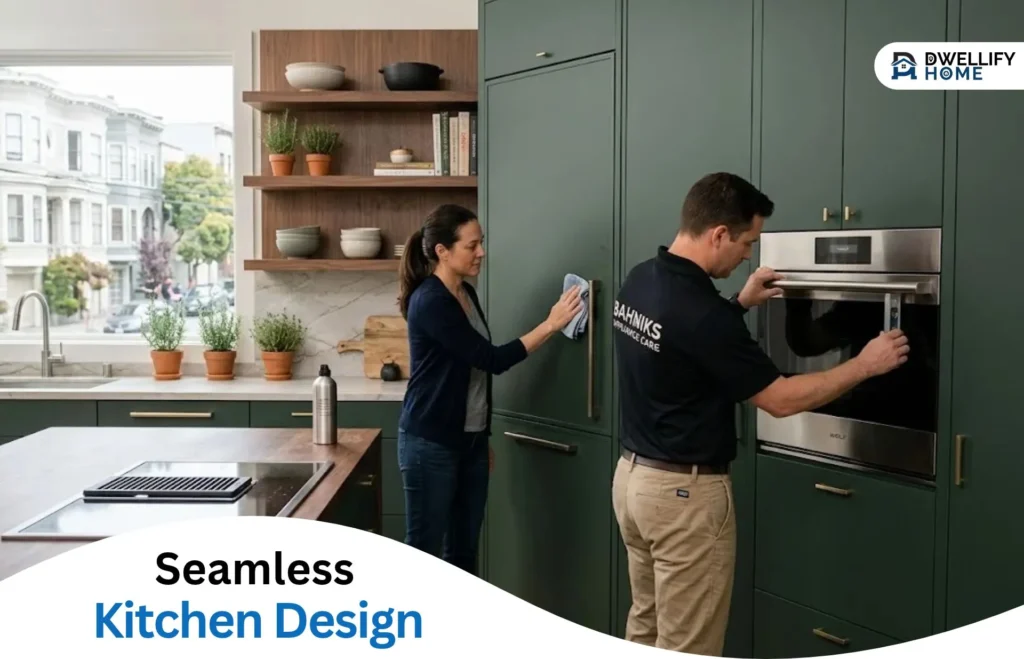
Achieving an architecturally clean aesthetic depends heavily on precise measurement and custom cabinet construction. Integrated refrigerators, wall ovens, and dishwashers should sit entirely flush with surrounding door panels, eliminating unsightly gaps and exposed metal margins. Utilizing concealable panel-ready fronts allows high-performance equipment to blend invisibly into your custom millwork for a unified look.
Balancing Architectural Lines and Finishes
When incorporating exposed stainless steel or matte black appliances into a minimalist kitchen, choose matching hardware finishes across all visible fixtures. Aligning the horizontal reveals of wall ovens with cabinet drawers creates visual symmetry across room elevations, preventing your workspace from looking cluttered or visually disjointed.
Concealing Vent Hoods and Utility Access
Heavy-duty range hoods and exhaust ventilation can be built directly into custom cabinet canopies or hidden behind decorative tile soffits. Designing subtle, removable access panels near hidden utility connections ensures that future electrical inspections or plumbing updates can occur smoothly without damaging custom woodwork.
Styling Tips for Built-In Refrigerators and Wall Ovens
Choosing Matching Panel-Ready Enclosures
Panel-ready refrigeration systems allow home designers to cover refrigerator and freezer doors with custom cabinetry materials matching the rest of the kitchen. Selecting heavy-duty concealed hinges ensures that cabinet-faced appliance doors open smoothly to full extension without rubbing against adjacent paneling or marble countertops.
Grouping Built-In Ovens into Functional Towers
Arranging speed ovens, convection units, and warming drawers vertically within a dedicated wall tower maximizes floor space while establishing a sleek culinary hub. This vertical stacking layout keeps hot cooking surfaces at comfortable standing heights, improving kitchen ergonomics while creating an impressive architectural centerpiece.
Frame and Handle Integration Options
For homeowners who prefer visible metallic accents over hidden paneling, selecting appliances with clean stainless steel frames and matching tubular handles offers a professional chef-inspired aesthetic. Consistency in knurled metals or brushed brass finishes across oven handles, cabinet pulls, and kitchen faucets bonds the room together seamlessly.
Maintenance Protocols for Integrated Kitchen Systems
Preserving Hidden Ventilation Channels
Built-in and panel-ready appliances generate substantial heat that must be safely evacuated through narrow ventilation channels hidden beneath toe kicks or above upper cabinets. Regularly clearing dust accumulation from top and bottom intake grilles with soft brush vacuums prevents internal motor strain and preserves refrigeration cooling speeds.
Cleaning Stainless Steel and Custom Panels
Maintaining custom appliance surfaces requires non-abrasive cleaning routines tailored to specific material finishes. Stainless steel surfaces should be wiped along the metal grain using dedicated micro-fiber cloths and mild stainless steel polish, while painted wood panels require damp, non-solvent solutions to prevent clear-coat degradation over time.
Managing Condensation and Moisture Control
Integrated dishwashers and built-in steam ovens generate internal moisture that can damage surrounding wooden cabinetry if door gaskets deteriorate. Checking rubber door seals regularly for flexible seating and wiping residual water droplets away from adjacent wooden panels prevents wood swelling and finish warping.
Ventilation, Electrical, and Spatial Considerations
Planning Proper Thermal Exhaust Paths
High-end built-in cooking hardware generates elevated heat levels that require continuous thermal dissipation. Designing dedicated air gaps behind wall ovens and ensuring unblocked exhaust channels through base cabinetry extends electronic motherboard lifespans while protecting surrounding cabinetry from heat discoloration.
Dedicated Electrical and Plumbing Rough-Ins
Built-in appliances often require precise, low-profile utility connections located inside designated cabinetry recesses rather than directly behind the physical unit. Ensuring electrical outlets and water shut-off valves sit in accessible adjacent cabinets prevents protruding appliances and guarantees rapid utility shut-off during emergencies.
Built-In Appliance Maintenance Matrix
| Appliance Type | Primary Design Focus | Essential Care Requirement | Recommended Service Interval |
| Built-In Refrigerator | Flush Panel Integration | Clean Concealed Condenser Coils | Every 6 Months |
| Integrated Dishwasher | Concealed Control Panels | Inspect Door Seals & Mesh Filter | Monthly |
| Stacked Wall Ovens | Symmetrical Cabinet Alignment | Clear Hidden Exhaust Vents | Annually |
| Induction Cooktop | Flush Glass Countertop Install | Wipe Surface with Non-Abrasive Cleaner | After Each Use |
Protecting Custom Cabinetry Around High-Heat Hardware
Installing Heat Deflector Shields
Self-cleaning oven cycles generate extreme heat that can blister, peel, or discolor surrounding cabinet finishes if left unshielded. Installing stainless steel heat deflector strips along the side edges of adjacent cabinet doors absorbs thermal surges and protects custom paint or lacquer finishes from heat damage.
Moisture Defense Around Dishwashers
Steam released when opening a hot dishwasher cycle can saturate the underside of wooden or stone countertops over time. Applying moisture-proof barrier tape or stainless steel heat shields to the underside of counter overhangs prevents steam absorption, wood swelling, and marble staining above dishwasher tubs.
Preventive Protection Checklist
- Apply thermal protection barriers along cabinet frames adjacent to wall ovens.
- Check dishwasher door seals quarterly to catch steam leaks before wood damage occurs.
- Verify that built-in refrigerator toe-kick vents remain completely unobstructed by area rugs.
- Use silicone heat mats under countertop small appliances to shield custom surfaces.
Long-Term Reliability and Professional Servicing Strategies
Early Symptoms of Built-In Machinery Strain
Because built-in machinery operates inside tightly enclosed cabinetry, subtle warning signs like elevated cabinet touch temperatures, persistent hums, or minor door seal condensation can easily go unnoticed. Addressing minor motor strain or fan rattling early prevents total equipment failures that require disassembling custom paneling.
The Importance of Certified Technical Inspections
Servicing built-in appliances requires specialized technical knowledge to slide heavy, custom-paneled hardware out of cabinetry openings without scratching hardwood flooring or cracking delicate stone countertops. Entrusting repairs to experienced trade specialists protects both your high-end appliance hardware and surrounding millwork.
Preserving Kitchen Value Through Expert Care
Investments in custom kitchen architecture and premium built-in equipment offer exceptional aesthetic enjoyment and long-term property equity. Routine preventative servicing ensures your custom culinary space continues to operate efficiently while maintaining its flawless designer appearance for decades.
Elevating Your Home Experience with Expert Care
Harmonizing Beauty and Practical Performance
A truly luxurious kitchen successfully blends custom interior design with flawless daily utility. By choosing thoughtful built-in layouts, maintaining strict airflow clearances, and establishing regular cleaning schedules, homeowners can enjoy a stunning, high-performance cooking environment without worrying about premature equipment wear.
Protecting Your Culinary Investments
When technical complications arise within custom-integrated hardware, seeking professional assistance ensures that delicate electrical, sealed-refrigerant, and gas connections are handled with utmost care. Timely maintenance preserves the seamless architectural lines of your workspace and extends the operational life of high-end home equipment.
Long-Term Value and Complete Peace of Mind
Maintaining a well-styled kitchen requires reliable support whenever specialized machinery requires attention. Utilizing experienced service professionals to maintain premium brands, such as Electrolux, guarantees that your custom-designed kitchen remains fully operational, visually captivating, and ready to entertain at a moment’s notice.
We believe readers should understand how our content may be supported. Certain links in this article may be affiliate or sponsored links through which Dwellifyhome.com may earn compensation from qualifying transactions.