
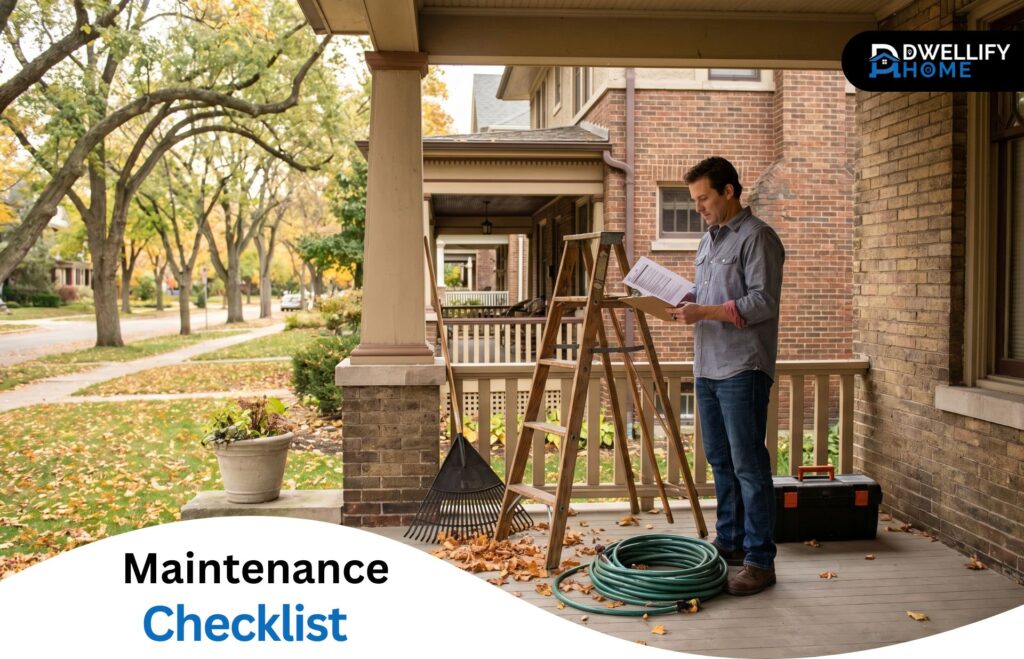
Highland Park has a character that’s hard to replicate — mature trees arching over quiet streets, homes that carry decades of craftsmanship, and neighborhoods where people actually know their neighbors. But owning property here also means dealing with real seasonal demands. The weather shifts noticeably between winter cold and summer heat, and those changes put pressure on every major system in your home. A structured maintenance approach, broken down by season, is one of the most practical ways to protect what’s likely your largest investment.
Before any season rolls in, it helps to have reliable professionals already in your contacts. Knowing a trusted plumber, an HVAC technician, and a roofer before something breaks is far better than scrambling during an emergency. Highland Park homes deal with frozen pipes in deep winter, drainage headaches after heavy spring rains, irrigation issues through the growing season, and water pressure drops that can happen year-round. Getting ahead of these situations — rather than reacting to them — saves both money and stress.
Spring Maintenance Checklist
Spring is when your home tells you exactly what winter put it through. Walk the exterior first. Look up at the roofline and check for missing shingles, lifted flashing, or sections that look like they’ve shifted. Even minor roofing damage can allow water to seep into attic insulation or wall cavities before you ever notice a stain on the ceiling.
Gutters need a thorough cleaning early in the season. Over winter, they collect roof granules, ice debris, and compacted leaves that block drainage. Water that can’t flow through the downspout will spill over the edge and settle near your foundation. Make sure downspouts discharge water several feet away from the house. If you’re seeing puddles near the foundation after rain, that’s a drainage problem worth solving now — not after basement moisture or soil erosion becomes an issue.
Foundation inspection is part of this same walkthrough. Look for new cracks, gaps where the foundation meets the siding, or any sign of water intrusion in the basement. A musty smell, mineral deposits on concrete walls, or peeling paint can all signal moisture. These are the kinds of early warnings that are cheap to address and expensive to ignore.
Windows and doors benefit from a close look in spring as well. Check caulking, weatherstripping, and screen integrity. Replace torn screens before insects are fully active and reseal any gaps where air or water can penetrate. It’s a small task that pays off in comfort and energy efficiency.
Outside, clear planting beds, assess tree limbs that survived the winter, and schedule trimming if anything hangs over the roof or power lines. Highland Park’s older trees are part of the neighborhood’s appeal, but weak branches become liabilities during storm season.
Irrigation systems need careful attention before you open them fully. Run each zone and watch for broken heads, pooling, or uneven coverage. A slow leak in a sprinkler line can go unnoticed underground for weeks while water bills quietly climb.
Inside, swap out HVAC filters and have your air conditioning system serviced before the heat peaks. Checking refrigerant, cleaning coils, and testing electrical components now avoids the frustration of a system failure in July.
Summer Maintenance Checklist
Summer in Highland Park means more time outdoors, higher cooling loads, and surfaces that take a beating from heat and UV exposure. Keep an eye on your air conditioning performance. If certain rooms feel warmer than others, if the system runs longer than it used to, or if your energy bill jumps without explanation, it’s worth calling a technician. These are usually signs of airflow issues, a refrigerant problem, or ductwork inefficiency — all of which are fixable early.
Ceiling fans should be running counterclockwise during summer months to push air downward. Clean the blades and make sure the unit isn’t wobbling — an unbalanced fan is harder on the motor and noisier in operation. Also check that furniture or rugs aren’t blocking floor registers or wall vents.
Decks, patios, and exterior stairs deserve a proper inspection. Prod wood boards for soft spots, check railings for stability, and look for rust on hardware. Wood surfaces that are starting to gray or crack can be cleaned and sealed to prevent further deterioration. Concrete areas — especially steps and driveways — should be noted for any widening cracks before freeze-thaw cycles make them worse in winter.
Exterior paint and siding are also worth a close look. Warped siding, peeling paint, or cracked stucco around window frames can let moisture in. Touch up problem areas before they spread. Pressure washing can refresh surfaces, but dial down the pressure setting to avoid damaging mortar, wood grain, or siding joints.
Summer storms can be intense. Keep gutters flowing freely and confirm your sump pump is operational. Pour a bucket of water into the pit and make sure it activates and drains properly. A sump pump that fails during a heavy rain event can flood a basement very quickly.
Outdoor plumbing is easy to overlook. Check hose bibs, irrigation connections, and any outdoor fixtures for drips or slow leaks. Low water pressure at outdoor faucets, damp soil in unusual spots, or the sound of water running when nothing is on can all suggest a hidden leak that a plumber should evaluate.
Pest activity peaks in summer. Seal gaps around utility penetrations, vents, and door frames. Keep firewood stored away from the house, trim shrubs that touch siding, and eliminate standing water wherever it collects.
Fall Maintenance Checklist
Fall is arguably the most critical maintenance season for Highland Park homeowners. What you do before cold weather arrives directly affects how the home performs in January. Start by cleaning gutters again — this time after most of the leaves have dropped. Gutters packed with wet leaves during the first freeze are a primary cause of ice dams and fascia damage.
Inspect the roof while the weather still cooperates. Look for cracked flashing around the chimney and vents, lifted shingles along ridgelines, and deteriorated sealants. Roof repairs in October are straightforward. The same repairs in February — on icy surfaces — are dangerous and more expensive.
Fireplaces and chimneys need professional attention before the first fire of the season. Creosote is a genuine fire hazard, and cracks in the firebox or flue can allow combustion gases to enter living spaces. Check that the damper opens and closes cleanly. Install fresh batteries in carbon monoxide detectors near bedrooms and fuel-burning appliances.
Heating systems should be serviced in fall without exception. A furnace or boiler inspection catches burner issues, heat exchanger wear, and ventilation problems before they cause a breakdown in freezing weather. Replace filters and test the thermostat to confirm accurate temperature response.
Outdoor faucets and irrigation systems must be prepared for freezing temperatures. Disconnect hoses, shut off supply valves to exterior spigots, and have your irrigation system professionally blown out. Trapped water in lines and valve bodies will freeze and crack — and those repairs are avoidable.
Caulk and weatherstripping around windows, doors, and trim keep drafts out and heating costs in check. Check the garage door seal along the bottom — if you can see daylight underneath, cold air and pests are getting in.
Lawn care in fall should include raking, aerating, and feeding the grass if your soil needs it. Clear window wells and drainage channels of leaf buildup before rain or snowmelt has nowhere to go.
Winter Maintenance Checklist
Winter maintenance is primarily about safety and damage prevention. Pipe protection is the most urgent priority. Keep indoor temperatures steady — even in rooms you rarely use. On the coldest nights, open the cabinet doors under sinks on exterior walls to let warm air reach the pipes. If you’re traveling, never shut the heat off entirely. One burst pipe can do tens of thousands of dollars in damage.
Every adult in the household should know where the main water shutoff valve is located and how to use it. In a pipe emergency, those first few minutes matter. Exposed pipes in basements, crawl spaces, garages, and utility rooms should be wrapped with pipe insulation as a precaution.
Watch the roofline after heavy snow. Ice dams form when heat escaping through the attic warms the roof deck, melts snow at the center, and that water refreezes as it reaches the cold eaves. The result can force water under shingles and into the ceiling. A roof rake used from the ground can help clear snow buildup without putting you on a ladder over ice.
Keep walkways, driveways, and steps clear of snow and ice. Choose ice melt products carefully — some formulas damage concrete surfaces or harm nearby plants and pets. Read the label and use the right product for your specific surfaces.
Test smoke and carbon monoxide detectors every month during winter. Heating appliances, fireplaces, and attached garages all carry elevated risks during cold months when windows stay closed. Replace expired detectors — most have a lifespan printed on the label.
Interior winter tasks also include checking the attic for signs of moisture or pest activity, looking for window condensation that suggests ventilation problems, and cleaning the dryer vent to reduce both fire risk and appliance wear.
Year-Round Maintenance Tips
Some tasks don’t fit neatly into a seasonal schedule — they just need to happen consistently. Test safety devices monthly: smoke alarms, CO detectors, security lighting, and fire extinguishers. Keep a home maintenance folder that holds warranties, service records, contractor contacts, appliance manuals, and repair receipts. This documentation is genuinely useful when you need service history or want to document maintenance for a future sale.
Monitor your water bill for unexplained increases. A hidden leak under a sink, behind a wall, or near a water heater can run for weeks before it shows up as visible damage. Regular checks under sinks and around toilets and appliances can catch problems early.
Indoor humidity control matters more in Highland Park’s older homes than many homeowners realize. High moisture leads to mold; air that’s too dry causes wood floors, trim, and built-in cabinetry to shrink and crack. A quality hygrometer and a humidifier or dehumidifier can maintain a healthy balance.
Schedule annual professional inspections for your major systems. Roofing, HVAC, plumbing, electrical panels, and drainage systems all perform better — and last longer — with routine attention. The cost of an annual inspection is almost always lower than the cost of an emergency repair.
Conclusion
Owning a home in Highland Park is genuinely rewarding, but it requires real engagement with upkeep. The homes here are worth protecting, and a seasonal checklist gives that effort structure and direction. Working through spring, summer, fall, and winter tasks systematically means fewer surprises, lower repair costs, and a home that holds its value and comfort through whatever the weather brings. Good maintenance isn’t dramatic — it’s just consistent attention, applied at the right times of year.
Enjoyed this article? There’s more great content waiting for you on Dwellifyhome.com — go take a look! Please note: a few links in this post may be affiliate or sponsored links. When you make a purchase via these links, Dwellifyhome.com may receive a small commission that helps fund our content creation. The opinions in this article reflect only the views of the author and not those of any outside sponsor or partner.