
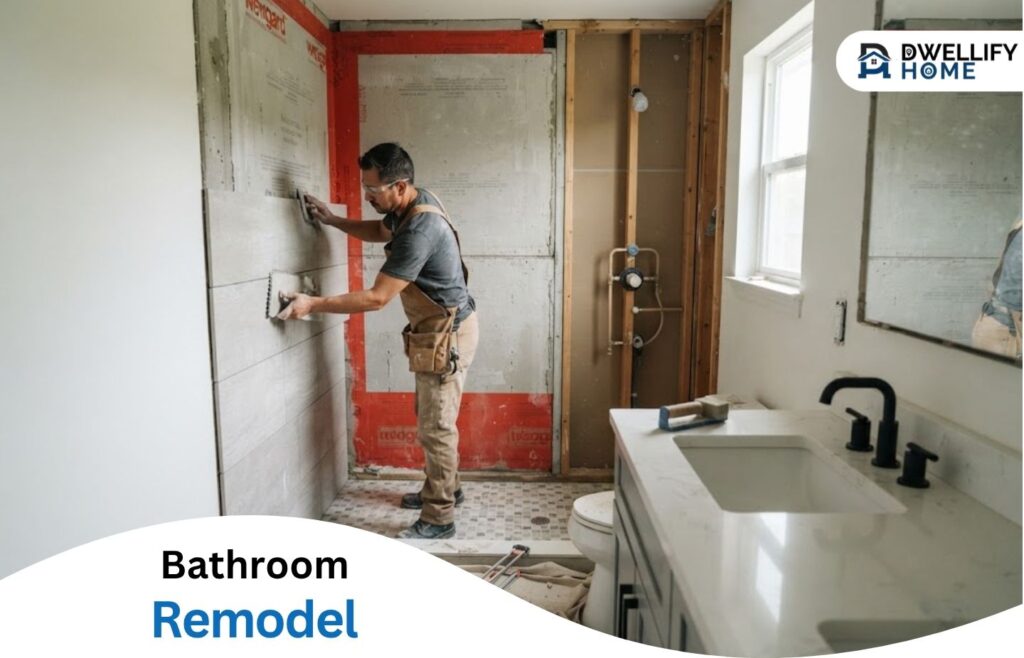
A bathroom remodel is one of the few home improvement projects that pays off in daily comfort and long-term property value at the same time. According to industry cost-value reports, a midrange bathroom remodel typically recoups 60 to 70 percent of its cost at resale, while smaller upgrades like fixtures and finishes often show even stronger returns relative to investment. But the financial upside is only part of the story.
A well-executed remodel transforms one of the most frequently used rooms in the house into a space that feels functional, calming, and built to last. Understanding what separates a mediocre renovation from a genuinely good one can save homeowners thousands of dollars and years of regret.
Start With Layout, Not Aesthetics
Many homeowners begin a remodel by picking out tile patterns or paint colors, but the strongest renovations start with layout. Bathroom layout determines how the space actually functions day to day, and poor layout decisions are among the most expensive mistakes to fix after installation.
Plumbing lines, ventilation paths, and electrical routing all depend on where fixtures are placed, so any layout change should happen early in the planning process, before materials are ordered. A good remodel considers traffic flow first: is there enough clearance around the vanity, does the door swing interfere with anything, and can two people comfortably use the space at once if needed. These questions matter more than color palettes, because a beautiful bathroom with an awkward layout will frustrate homeowners for years.
Prioritize Moisture Control and Ventilation
Bathrooms are the most moisture-heavy rooms in a home, and poor ventilation is a leading cause of mold growth, peeling paint, and warped cabinetry. The Environmental Protection Agency notes that indoor humidity levels above 60 percent create conditions favorable to mold, and bathrooms without adequate exhaust fans regularly exceed that threshold during and after showers.
A good remodel treats ventilation as a structural priority rather than an afterthought. This typically means installing an exhaust fan rated for the room’s square footage, ensuring it vents to the exterior rather than into an attic space, and selecting moisture-resistant materials for walls, subfloors, and cabinetry. Homeowners who skip this step often find themselves dealing with mold remediation within a few years, which can cost far more than the ventilation upgrade would have.
Choose Materials That Balance Durability and Style
Material selection is where most of a remodel’s visible character comes through, but durability should weigh just as heavily as appearance. Porcelain and ceramic tile remain popular for both floors and walls because they resist water damage and require minimal maintenance, while natural stone offers a more upscale look at the cost of higher upkeep. Countertops made from quartz have become a favored choice in recent years because they combine the appearance of natural stone with better resistance to staining and scratching.
When it comes to fixtures, shower enclosures deserve particular attention since they take the brunt of daily moisture exposure. Homeowners increasingly turn to shower accessories from providers like Glass Simple, among others, to finish out enclosures with hardware and glass components that hold up to constant humidity without clouding or corroding over time. Choosing well-made accessories at this stage prevents the common problem of a beautiful shower enclosure looking dated or worn within just a few years.
Get the Lighting Right
Lighting is frequently underestimated in bathroom design, yet it affects both function and mood more than almost any other element. A good remodel layers lighting rather than relying on a single overhead fixture. Task lighting around the vanity mirror should be bright and shadow-free to support grooming tasks, while ambient lighting sets a softer tone for the rest of the room.
Many designers now recommend LED fixtures for their energy efficiency and long lifespan, since LEDs can last up to 25 times longer than traditional incandescent bulbs while using a fraction of the electricity. Dimmable lighting options have also grown in popularity, giving homeowners flexibility between bright task lighting in the morning and a softer glow for evening routines.
Plan for Storage From the Beginning
Clutter is one of the fastest ways to make even a newly remodeled bathroom feel unfinished. Good remodels build storage into the plan from the start rather than trying to retrofit it later. Built-in niches within shower walls, vanity drawers with organizers, and medicine cabinets recessed into wall cavities all help keep countertops clear without sacrificing square footage. Homeowners with smaller bathrooms often benefit the most from this kind of planning, since thoughtful storage can make a compact space feel significantly larger and more organized.
Don’t Overlook the Budget Buffer
Even the most carefully planned remodel can uncover surprises once walls are opened up, particularly in older homes where outdated plumbing or wiring may not meet current code. Industry data consistently shows that unexpected issues arise in a meaningful share of renovation projects, which is why experienced contractors recommend setting aside an additional 10 to 20 percent of the total budget as a contingency fund. Homeowners who skip this step often find themselves forced to cut corners on finishes or fixtures midway through the project simply to cover an unforeseen repair.
Bringing It All Together
A good bathroom remodel is the product of decisions made in the right order: layout before aesthetics, ventilation before decoration, and durable materials chosen with both style and longevity in mind. Lighting and storage round out a space that feels genuinely livable rather than just photogenic. When homeowners approach a remodel with this kind of structured thinking, the result is a bathroom that holds up to daily use, retains its value, and continues to look and function well long after the renovation is complete.
A quick disclosure for our readers: some links in this article may be affiliate or sponsored links. If you choose to use these links and make a qualifying purchase, we may receive a small commission that helps support Dwellifyhome.com.