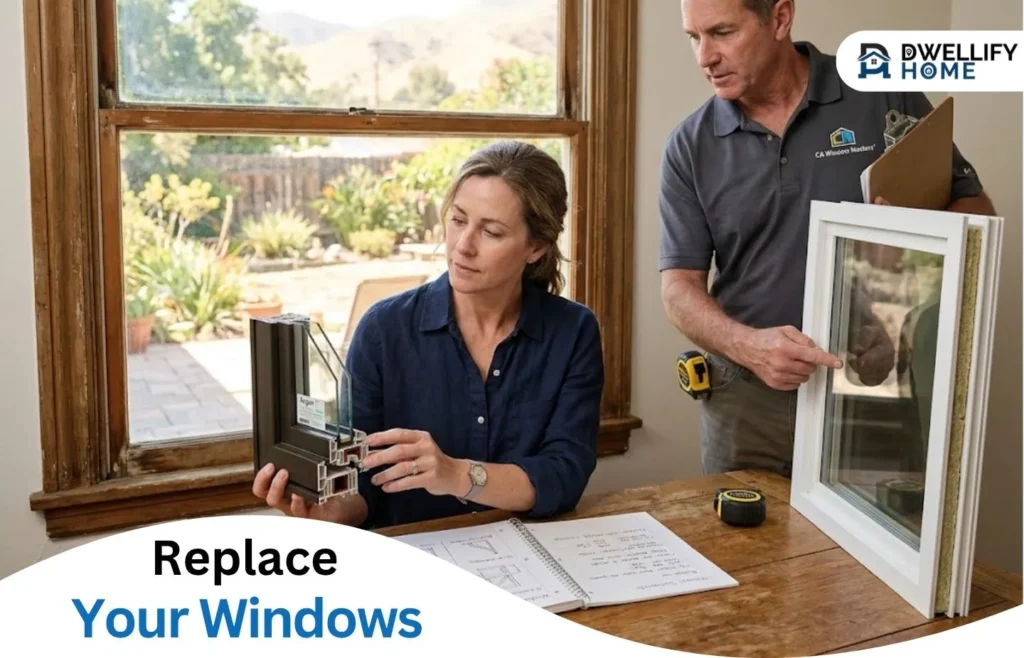
If you’re thinking about replacing windows, you’re probably juggling style, comfort, noise, and cost all at once. In Hacienda Heights, California, windows face prolonged sun exposure, warm temperatures, and everyday wear. A smart replacement choice can help your home feel quieter, look cleaner, and stay more comfortable without turning the project into an expensive guessing game.
Identify Common Problems With Your Existing Windows
Window replacement gets easier when you stop thinking about “new windows” as one big upgrade and start identifying the exact annoyances you want to fix.
Maybe your room heats up like a greenhouse by 3 p.m. Maybe street noise sneaks in during homework time. Aging window frames may also become difficult to operate or develop moisture-related problems. A few common signs include:
- Drafts near closed windows
- Condensation between panes
- Trouble opening or locking them
- Fading floors or furniture from sun exposure
- Higher heating or cooling bills
Recognizing these problems can help you select windows that meet your home’s specific requirements. If you are looking for a professional who specializes in window inspections, installation, and replacement, a Hacienda Heights window contractor can recommend suitable solutions based on your home’s condition and needs. Choosing the right windows can improve indoor comfort, support energy efficiency, enhance security, and increase your property’s long-term value.
Understand the Main Window Features Before You Compare Quotes
A quote can look impressive and still tell you almost nothing useful if you don’t understand the specs behind it. Pay attention to glass packages, frame materials, and performance ratings. Low-emissivity (Low-E) glass helps reduce heat transfer and limits ultraviolet (UV) exposure. Dual-pane windows are standard for many homes, while some situations may justify stronger insulation. Vinyl frames are popular because they’re low maintenance and resist warping. Important window features to evaluate include:
- U-factor for insulation performance
- Solar heat gain coefficient for heat control
- Air leakage ratings
- Locking hardware quality
- Warranty terms for glass and labor
A reliable contractor should explain these features and help you understand how they affect window performance.
Think About Climate, Orientation, and Daily Use
Different rooms require different window features depending on their location, sunlight exposure, and daily use. A west-facing living room window deals with very different stress than a shaded bathroom window.
In warm areas, sun exposure can be relentless. Rooms that get direct afternoon light often benefit from glass designed to manage solar heat gain. Bedrooms may need better sound reduction. Kitchens and bathrooms usually need easy ventilation and materials that handle moisture well. Ask yourself how each space is used:
- Do you need more airflow?
- Is glare making screens hard to see?
- Are you trying to reduce outside noise?
- Do you want easier cleaning on upper floors?
Evaluating each room individually helps homeowners choose windows that meet specific requirements. One-size-fits-all sounds convenient, but homes rarely cooperate with this kind of shortcut. Windows contribute to your home’s appearance and enhance everyday comfort.
Don’t Treat Installation Like a Minor Detail
People often spend hours choosing the perfect window style and about five minutes thinking about installation. That ratio should be reversed.
Even a high-quality product can underperform if it’s installed poorly. Gaps, bad sealing, uneven placement, and rushed finishing work can lead to leaks, drafts, and operation issues. Not exactly the home-improvement glow-up you had in mind. When evaluating an installer, ask about:
- Experience with retrofit and full-frame projects
- Licensing and insurance
- How measurements are verified
- Whether trim and sealing are included
- Cleanup and disposal of old materials
Balance Budget With Long-Term Value
It’s easy to focus on the price per window because that number hits fast. The better question is what you’re getting for that price over the next 15 to 25 years. The cheapest option can become expensive if it performs poorly, needs frequent repairs, or hurts resale appeal. On the other hand, the most expensive package isn’t automatically the smartest choice either. You want durable materials, solid efficiency, and installation that won’t create new problems. Think beyond the invoice:
- Potential energy savings
- Reduced maintenance time
- Better curb appeal
- Improved indoor comfort
- Stronger security and function
If you plan to stay in your home, comfort and durability matter a lot. If you want to sell in a few years, appearance and buyer confidence also carry weight. Good windows tend to pull double duty in both categories.
Ask Better Questions Before You Sign Anything
A window project usually goes more smoothly when you ask precise questions early instead of untangling confusion later. Skip vague questions like “Are these good windows?” Ask specific questions tied to performance, process, and accountability. Useful questions include:
- What brand and model is being installed?
- Is this a retrofit or full-frame replacement?
- How long will the project take?
- Who handles permits if needed?
- What happens if hidden damage is found?
- How are warranty issues handled after installation?
Request a written agreement that clearly outlines the project scope, materials, installation costs, payment schedule, and cleanup responsibilities. Proper documentation helps homeowners understand what the project includes and reduces the risk of unexpected expenses or disagreements.
Match Style to Your Home Without Ignoring Function
Windows play an important role in your home’s appearance and overall design. However, choosing the right style also requires considering ventilation, convenience, and everyday comfort.
For example, sliding windows may suit spaces where outward-opening designs would get in the way. Double-hung windows can make cleaning easier in certain layouts. Picture windows allow more natural light into a room, but they do not open to provide ventilation. Consider the following factors when selecting window styles:
- Frame color that fits your exterior and interior
- Grid patterns that match the home’s design
- Window styles based on ventilation needs
- Privacy considerations for street-facing rooms
The right window styles can create a consistent appearance throughout your home while improving everyday comfort and convenience.
Prepare Your Home for a Smooth Window Installation
Even when the final result is worth it, the replacement process can be disruptive for a few days. A little planning keeps that disruption manageable.
Installers may need access to multiple rooms, outdoor areas, and work zones around furniture. There will likely be dust, noise, and a temporary parade of tools through your home. If you work remotely, have pets, or need specific quiet hours, mention that before the first window comes out. A smoother project often comes down to small logistics:
- Move furniture away from windows in advance
- Take down blinds or curtains early
- Confirm start times and daily schedule
- Protect pets from open access points
- Check each installed window before the crew leaves
Preparing your home in advance can help contractors work efficiently and reduce unnecessary delays. Clear communication throughout the project also helps address potential concerns and ensures the installation meets your expectations.
Some links in this article may provide a small commission to Dwellifyhome.com when readers make qualifying purchases. These affiliate or sponsored relationships help us continue sharing articles, ideas, and useful information online.