Home security is an important concern for homeowners who want to protect their families, belongings, and properties. With changes in technology and the growing availability of smart security equipment, protecting a home has become easier to manage. However, installing cameras and alarm devices is only one part of a complete security plan. Homeowners also need to understand how these systems work and what happens when an alert is triggered.
A well-planned security setup can help identify unusual activity, provide useful information, and make it easier to respond to potential problems. From monitoring entry points to keeping an eye on outdoor spaces, different security devices can work together to improve property protection.
What Is Professional Alarm Monitoring?
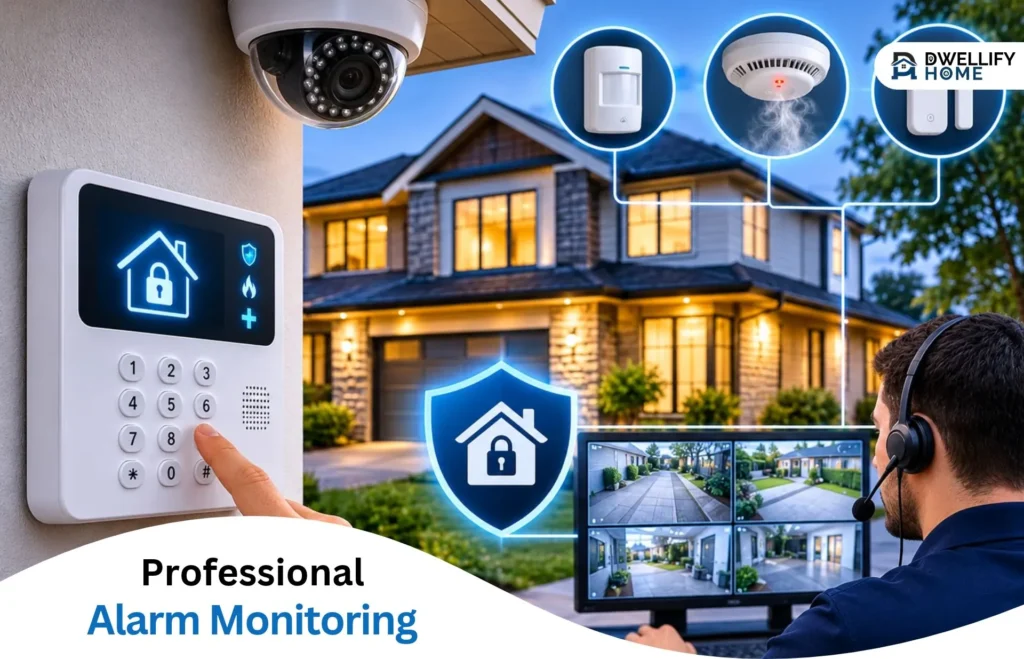
Alarm monitoring connects a home’s security equipment to a monitoring center that receives signals when connected devices detect unusual activity. These devices may include door and window sensors, motion detectors, glass-break sensors, and other safety equipment.
When a sensor identifies a possible issue, it sends a signal to the system’s control panel. If professional monitoring is enabled, the alert is forwarded to a monitoring center. Trained personnel can then follow the established response procedures, which may include contacting the homeowner or emergency services.
This additional support can be useful when residents are away from home, sleeping, or unable to check their phones. It also helps homeowners avoid depending entirely on personal notifications.
Why Professional Alarm Monitoring Matters
Having security equipment installed is a good starting point, but knowing how the system responds to different situations is equally important. A professional home security system in Florida provides an additional response option by connecting the security system to trained monitoring personnel.
Here are some reasons homeowners may consider this type of protection.
1. Around-the-Clock Security Support
Security concerns can arise at any time, including during the night, weekends, and holidays. Homeowners cannot always watch their properties or respond to every notification.
A monitoring center can receive alarm signals throughout the day and night. When an alarm is triggered, trained personnel can follow the appropriate response procedure, even when the homeowner is unavailable.
2. Faster Awareness of Potential Security Issues
Early awareness can make a difference when dealing with possible security incidents. Door sensors, window contacts, and motion detectors can identify unusual activity and trigger alerts.
When these devices are connected to a monitoring center, the signals provide another opportunity to assess the situation and take suitable action.
3. Protection Beyond Break-Ins
Modern home security systems can help homeowners monitor more than unauthorized entry. Depending on the equipment installed, they may also include smoke detectors, fire alarms, and carbon monoxide sensors.
These devices can provide alerts about different household emergencies. Connecting multiple safety devices to one system makes it easier to manage different aspects of home protection.
4. Additional Support When Homeowners Are Away
Traveling for work, going on vacation, or spending long hours outside the home can leave a property unattended.
Professional monitoring provides an additional level of support during these periods. Instead of depending only on personal phone notifications, homeowners have a monitoring service that can receive alarm signals and follow the agreed response procedures.
How Security Cameras Improve Home Protection
Alarm systems and security cameras serve different purposes, but they can work together to provide better visibility around a property.
Alarm sensors detect events such as an opened door or unexpected movement, while cameras provide visual information about specific areas. This combination helps homeowners understand what may be happening instead of relying only on an alarm notification.
A properly planned camera setup can cover important areas such as:
- Front and back entrances.
- Driveways and garages.
- Outdoor walkways.
- Backyards and side entrances.
- Other areas that require additional visibility.
Homeowners should consider camera placement carefully to avoid blind spots and ensure that important entry points are covered.
Benefits of Wired Security Camera Systems
For homeowners who prefer physical connections rather than depending entirely on wireless networks, wired cameras can be a practical option. Modern Wired Home Security Camera Systems use cables to connect cameras with recording equipment, helping maintain consistent video transmission.
Some important advantages include:
Stable Connections: Physical connections reduce dependence on Wi-Fi signals and can provide consistent communication between cameras and recording equipment.
Continuous Recording: Depending on the equipment and storage setup, these systems can support continuous video recording.
Multiple Camera Coverage: Different cameras can be positioned around the property to monitor entrances, garages, driveways, and other important areas.
Remote Viewing: Compatible systems allow homeowners to check live footage through a smartphone or computer.
Long-Term Surveillance: A professionally planned installation can provide a suitable setup for properties that require regular video monitoring.
The right camera setup depends on the property’s layout, surveillance requirements, and available installation options.
What to Consider When Choosing a Home Security Provider
Selecting a security provider requires more than comparing equipment prices. Homeowners should understand what is included in the service and whether the proposed system meets their actual requirements.
Here are a few important factors to consider:
- Monitoring Availability: Check whether the provider offers 24/7 monitoring and has procedures for handling different alarm situations.
- Emergency Response Procedures: Understand how the monitoring center handles triggered alarms and when emergency services may be contacted.
- Backup Power: Ask whether the system includes battery backup to maintain essential functions during power interruptions.
- Equipment Compatibility: Make sure the cameras, sensors, and control panel can work together as intended.
- Installation and Maintenance: Professional installation and routine equipment checks can help ensure that the system works properly.
- Customer Support: A responsive support team can make it easier to address technical questions and service requirements.
Taking time to compare these details can help homeowners choose a security solution that fits their property and budget.
The Future of Modern Home Security
Home security technology continues to develop, with smart sensors, mobile applications, video verification, and artificial intelligence becoming more common.
Modern systems can send notifications when unusual activity is detected, allow homeowners to view camera footage remotely, and connect different security devices through a central platform.
Some systems also offer video verification, which allows monitoring personnel to review available video information when an alarm is triggered. This can provide useful context when assessing an alert.
However, technology works best when equipment is installed correctly and supported by a suitable monitoring arrangement. Homeowners should focus on practical features that address their actual security concerns rather than choosing equipment based only on the number of available functions.
Conclusion
A reliable home security setup involves more than installing cameras and alarm devices. It requires proper planning, suitable equipment, and an understanding of how different security features work together.
Monitoring services can provide additional support when an alarm is triggered, while cameras help homeowners keep track of activity around their properties. By comparing available options and choosing professional installation, homeowners can create a security system that meets their needs and makes everyday property protection easier to manage.
Frequently Asked Questions
1. What is the main purpose of a home alarm system?
A home alarm system is designed to detect potential security issues, such as unauthorized entry or unexpected movement. It can alert homeowners or a monitoring center when connected sensors are triggered.
2. Is professional monitoring useful when I am away from home?
Yes. It provides an additional response option when homeowners are traveling, working, or otherwise unable to check their security notifications.
3. Can security cameras and alarm systems work together?
Yes. Compatible cameras and alarm systems can work together. Cameras provide visual information, while sensors detect events such as unexpected movement or unauthorized entry.
4. Are wired cameras suitable for residential properties?
Yes. Wired cameras can be suitable for homes that need consistent video connections and regular surveillance. Their suitability depends on installation requirements, property layout, and the homeowner’s preferences.
5. Does a home security system work during a power outage?
Some systems include battery backup and cellular communication options to help maintain essential functions during power or internet interruptions. Homeowners should confirm these features before installation.
Certain references throughout this article may be part of our commercial partnerships, including affiliate programs and sponsored collaborations. These arrangements may generate revenue that supports the continued development of Dwellifyhome.com.